

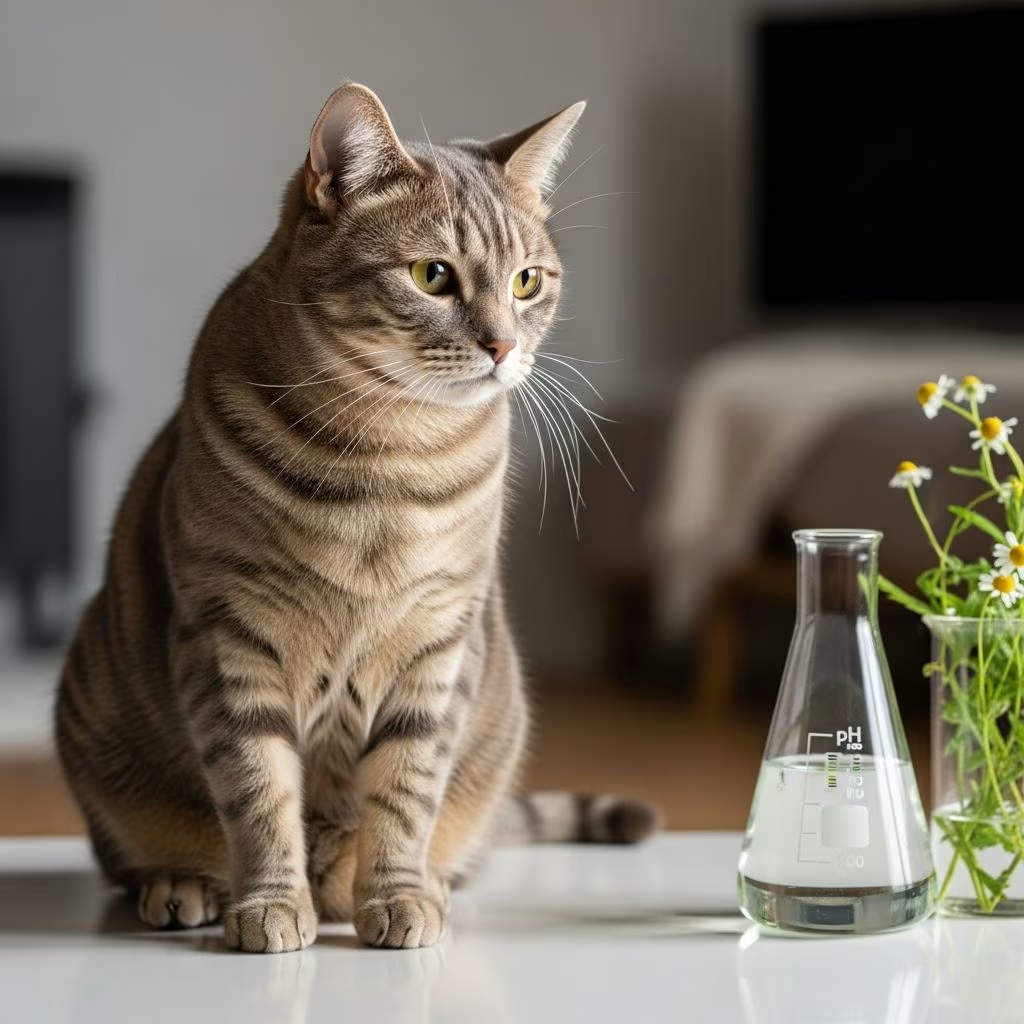
Acid reflux, or gastroesophageal reflux disease (GERD), affects cats when stomach acid backs up into the esophagus, leading to irritation and potential long-term damage. This condition often goes unnoticed due to cats’ subtle symptoms but can significantly impact their quality of life if untreated.
Understanding the Basics of Feline GERD
The esophagus serves as the pathway for food from the mouth to the stomach, protected by a muscular valve known as the lower esophageal sphincter (LES). In healthy cats, this sphincter tightens after swallowing to block stomach contents from returning upward. When it weakens or fails, acidic fluids reflux into the esophagus, causing inflammation called esophagitis. This cycle can perpetuate itself, as initial inflammation weakens the sphincter further.
Cats are particularly prone to hiding discomfort, making early detection challenging. Unlike vomiting, which involves active retching, reflux often presents as passive regurgitation—undigested food or liquid emerging effortlessly, typically soon after eating.
Key Indicators Your Cat May Have Reflux Issues
Recognizing signs early allows for prompt intervention. Common symptoms include:
- Excessive drooling or salivation: Cats may produce more saliva to neutralize acid irritation in the mouth and throat.
- Regurgitation: Food or fluid returns passively, often shortly after meals, without nausea signals.
- Frequent gulping or swallowing: Attempts to clear the esophagus of discomfort.
- Pawing at the mouth or neck: Indicating pain during swallowing.
- Appetite changes and weight loss: Discomfort leads to reduced eating over time.
- Hoarse meowing or bad breath: Throat irritation alters voice; sour odor from acid.
- Post-meal restlessness: Pacing, neck stretching, or reluctance to lie down.
Less common signs involve chronic coughing, nasal discharge, or anxiety after eating. If symptoms persist beyond occasional episodes, veterinary evaluation is essential to rule out complications like ulcers.
Common Triggers Behind Acid Reflux in Cats
Several factors disrupt normal esophageal function. These fall into motility issues, obstructions, and inflammatory responses.
Motility Problems
Disorders where food fails to move properly include megaesophagus (dilated esophagus) or post-anesthesia relaxation of the LES. General anesthesia is a frequent culprit, as improper positioning during recovery allows acid backup.
Obstructions and Structural Abnormalities
Foreign objects like string, toys, or hairballs block passage, causing backup. Congenital issues such as hiatal hernias (stomach protruding through the diaphragm) or vascular ring anomalies compress the esophagus. Tumors or scarring from prior injuries also contribute.
Inflammatory and Dietary Factors
Esophagitis from medications (e.g., doxycycline), caustic substances, or chronic vomiting weakens tissues. Diet plays a role: high-fat, acidic, or allergenic foods increase acid production and pressure. Obesity, stress, and irregular large meals exacerbate risks by raising abdominal pressure.
| Category | Examples | Impact |
|---|---|---|
| Motility | Anesthesia, megaesophagus | Delayed emptying |
| Obstruction | Foreign bodies, tumors, hernias | Physical blockage |
| Inflammation | Drugs, diet sensitivities, vomiting | Sphincter weakening |
Diagnostic Approaches for Accurate Identification
Veterinarians start with a history review and physical exam, noting symptom patterns. Distinguishing regurgitation from vomiting is crucial. Advanced tools include:
- Endoscopy: Visualizes esophageal inflammation or strictures.
- Barium swallow X-rays: Tracks contrast material to detect reflux or narrowing.
- Esophageal manometry: Measures sphincter pressure (less common in cats).
- Bloodwork and ultrasound: Rules out systemic issues like allergies or IBD.
Early diagnosis prevents scarring or strictures, which complicate treatment.
Effective Treatment Strategies
Treatment targets the root cause while soothing symptoms. Always consult a vet before changes.
Medications
Proton pump inhibitors (e.g., omeprazole) or H2 blockers reduce acid production. Prokinetics strengthen motility. Antacids provide quick relief. For esophagitis, sucralfate coats the esophagus.
Dietary Modifications
Switch to low-carb, hypoallergenic wet food in small, frequent meals (4-6 daily) to minimize pressure. Elevate food bowls 15-30 degrees during eating. Avoid table scraps and dry kibble, which expand in the stomach.
Supportive Home Care
- Feed upright and wait 10-15 minutes before allowing recumbency.
- Promote weight loss if obese via portion control.
- Reduce stress with pheromone diffusers or quiet spaces.
- Ensure hydration with fountains to dilute stomach acid.
Natural Supplements
Vet-approved options like slippery elm, marshmallow root, or digestive enzymes soothe lining and support gut flora. Probiotics balance microbiome.
Preventive Measures for Long-Term Wellness
Proactive steps reduce recurrence:
- Maintain ideal weight through balanced diet and play.
- Use pill pockets or liquids to avoid esophageal sticks.
- Pre-anesthesia discuss reflux risks with vets.
- Monitor for hairballs; brush regularly.
- Introduce diet changes gradually.
Regular check-ups catch issues early, especially in seniors or breeds prone to hernias like Siamese.
When to Seek Emergency Veterinary Care
Immediate attention needed for severe regurgitation blocking airways, persistent vomiting with blood, extreme lethargy, or rapid weight loss. These signal complications like aspiration pneumonia or strictures.
Frequently Asked Questions (FAQs)
Is acid reflux common in cats?
Yes, though often underdiagnosed due to subtle signs. It’s linked to anesthesia, diet, and structural issues.
Can diet alone fix cat GERD?
Diet helps manage but doesn’t cure underlying causes like hernias. Combine with vet guidance.
Does regurgitation mean my cat is vomiting?
No—regurgitation is passive; vomiting active with retching.
Are there home remedies safe for feline reflux?
Slippery elm or elevation feeding may soothe, but consult vet first to avoid masking serious issues.
How long does treatment take?
Depends on cause; symptoms often improve in days with meds/diet, but chronic cases need ongoing management.
References
- Acid Reflux (Gastric Reflux) in Cats – Causes, Treatment — Vetster. Accessed 2026. https://vetster.com/en/conditions/cat/acid-reflux-gastric-reflux
- Cat GERD: Spot Signs and Care for Acid Reflux — Bark and Whiskers. 2025-10-22. https://www.barkandwhiskers.com/2025-10-22-cats-gastroesophageal-reflux-disease-gerd/
- Acid Reflux in Cats — Hillview Vet. Accessed 2026. https://hillviewvet.com/blog/48018-acid-reflux-in-cats/
- Acid Reflux in Cats: 7 Proven Remedies for Relief — The Pet Vet. Accessed 2026. https://thepetvet.com/acid-reflux-in-cats/
- Disorders of the Esophagus in Cats – Cat Owners — Merck Veterinary Manual. Accessed 2026. https://www.merckvetmanual.com/cat-owners/digestive-disorders-of-cats/disorders-of-the-esophagus-in-cats
- Gastrointestinal Issues in Cats — Ashworth Pet. Accessed 2026. https://www.ashworthpet.com/blog/226079-gastrointestinal-issues-in-cats



