

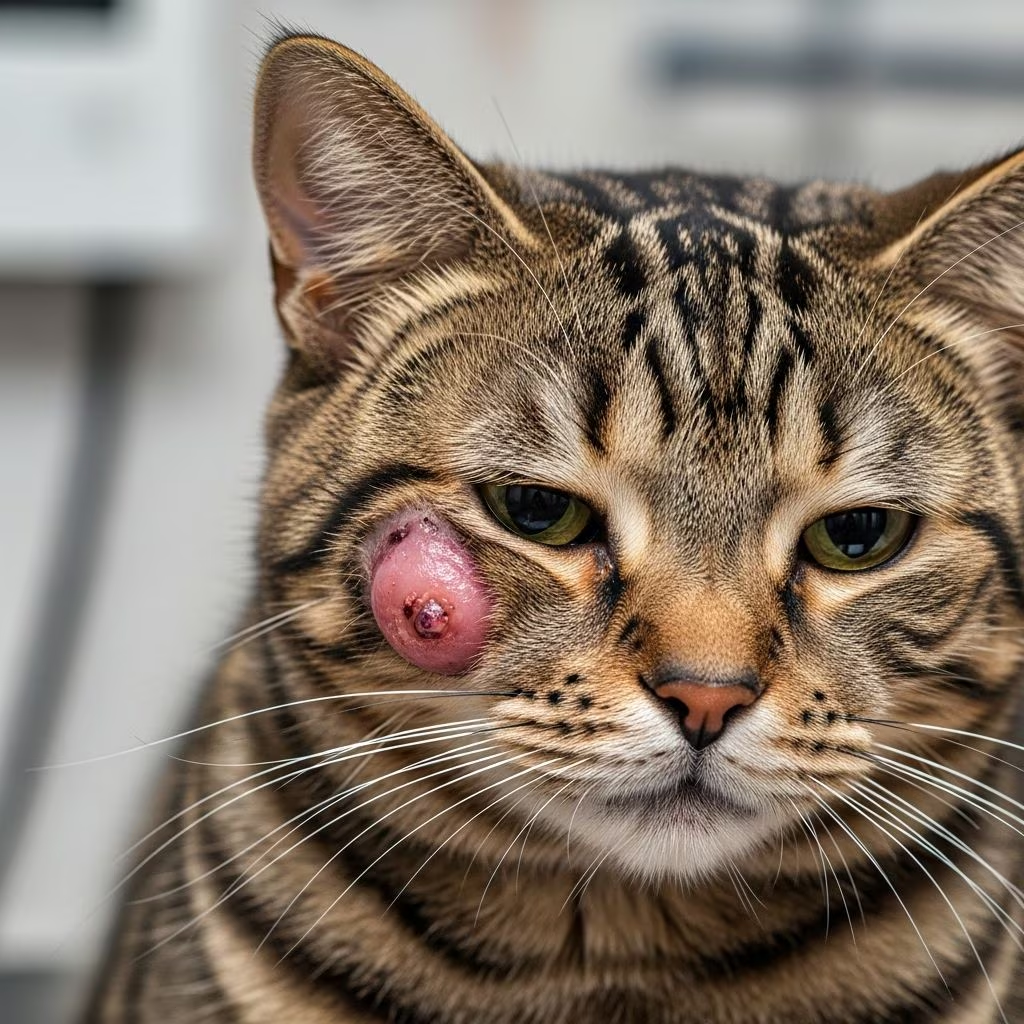
Cat abscesses represent a frequent yet serious health concern for feline pets, often stemming from bacterial infections trapped beneath the skin following trauma. These pus-filled swellings demand prompt veterinary intervention to avert complications like rupture or systemic spread.
Understanding the Nature of Feline Abscesses
An abscess in a cat forms when bacteria infiltrate deep into tissues through a puncture or tear, prompting the immune system to dispatch white blood cells that accumulate as pus. This localized infection creates a painful, swollen pocket that can appear anywhere on the body but commonly affects the face, limbs, tail, or flanks. Unlike superficial wounds, the cat’s skin seals rapidly, encapsulating the pathogens and fostering an ideal environment for multiplication.
The underlying mechanism involves aggressive bacteria from sources like another cat’s saliva or claws. When teeth or nails pierce the skin, they deposit microbes such as Pasteurella multocida or anaerobes directly into subcutaneous layers. The body’s defensive response walls off the area, but without drainage, pressure builds, leading to tissue damage and potential rupture.
Primary Triggers Behind Abscess Development
Bite wounds top the list of abscess causes, especially among unneutered outdoor cats engaged in territorial disputes. A single fang puncture can introduce saliva laden with bacteria, sealing over unnoticed. Scratches from claws achieve similar results, as feline nails harbor comparable microbial loads.
- Traumatic punctures: Sticks, thorns, or barbed wire introduce foreign contaminants.
- Dental origins: Infected tooth roots erode into facial tissues, causing jaw or cheek swellings often accompanied by foul breath.
- Anal sac issues: Blocked glands near the tail base inflame and abscess, yielding a strong odor.
- Internal types: Rare but severe, involving organs like liver or lungs from bloodstream spread.
Cats with weakened immunity, such as those positive for FIV or FeLV, face elevated risks, as do diabetics or steroid recipients whose defenses falter.
Recognizing Early Warning Signs
Owners often overlook initial subtle cues, mistaking them for minor injuries. Key indicators include a firm, warm lump beneath matted fur, escalating to overt swelling within days. Affected areas exhibit heat, redness, and tenderness; cats recoil from touch or limp if limbs involved.
| Symptom | Description | Severity Level |
|---|---|---|
| Lethargy | Reduced activity, hiding, appetite loss | Moderate to High |
| Fever | Warm ears/nose, shivering | High |
| Excessive grooming | Licking or biting the site nonstop | Early |
| Foul discharge | Pus leakage post-rupture, bloody or yellow | Advanced |
| Behavioral shifts | Aggression, vocalizing pain | All stages |
If ruptured, a crater-like hole emerges, oozing malodorous fluid that crusts over, potentially masking deeper persistence. Systemic signs like dehydration or vomiting signal emergencies requiring immediate care.
Diagnostic Approaches by Veterinarians
Vets commence with physical exams, clipping fur to reveal the extent. Fine-needle aspiration extracts pus for microscopic review or culture, pinpointing bacteria and antibiotic sensitivities. Blood panels assess infection scope, especially in chronic cases, while imaging like X-rays detects dental roots or internals.
Culture tests, growing samples on plates with antibiotic discs, guide precise therapy, minimizing resistance risks. For facial lumps, dental probing rules out tooth involvement.
Comprehensive Treatment Protocols
Treatment prioritizes pus evacuation, infection clearance, and pain control. Outpatient management suits most, but anesthesia facilitates thorough debridement in stubborn cases.
- Drainage: Lancing under sedation releases contents; flushing with antiseptics removes debris.
- Antibiotics: Broad-spectrum like Clavamox orally or Convenia injection target common pathogens; duration spans 7-14 days.
- Pain relief: NSAIDs such as Onsior reduce inflammation and discomfort.
- Surgery: Tooth extractions for orofacial abscesses; drains for large pockets.
Home care involves e-collar use to deter licking, wound cleaning per instructions, and monitoring for recurrence. Full recovery spans 1-2 weeks with adherence.
Step-by-Step Home Management Guide
Post-vet, maintain cleanliness: Gently cleanse with vet-approved saline, avoiding hydrogen peroxide which impedes healing. Administer meds promptly; hide pills in treats if needed. Watch for fever spikes or swelling returns, warranting rechecks.
- Confine to prevent re-injury.
- Ensure soft, nutritious food.
- Track daily weights and temps.
Nutritional support bolsters immunity; probiotics aid gut health during antibiotics.
Potential Complications and When to Worry
Neglect risks sepsis, chronic fistulas, or organ damage. Ruptured abscesses invite secondary infections if not flushed properly. Immunocompromised cats risk dissemination. Seek emergency if cat refuses food beyond 24 hours, exhibits seizures, or discharges profusely.
Proactive Prevention Strategies
Minimize fights via neutering, which curbs roaming. Keep indoor or supervise outdoors. Routine vaccines, including rabies, and FeLV/FIV screening protect against bite-transmitted ills.
- Annual dental checkups thwart root abscesses.
- Trim claws on multi-cat homes.
- Flea control prevents scratching vectors.
Early wound inspection and cleaning thwarts abscess formation.
Frequently Asked Questions About Cat Abscesses
Can cat abscesses heal without vet care?
Rarely; most rupture but persist internally without antibiotics, risking spread.
How long until an abscess shows after a bite?
2-5 days typically, as bacteria proliferate.
Is it safe to squeeze an abscess myself?
No; this spreads infection. Vets handle safely.
What antibiotics work best?
Culture-guided; Clavamox common initially.
Do indoor cats get abscesses?
Yes, from play bites or dental issues.
Long-Term Care for Abscess-Prone Cats
Chronic cases may stem from FIV; regular bloodwork monitors. Weight management aids diabetics. Holistic supplements like omega-3s support skin health, but consult vets first.
References
- Cat Abscesses: What Are They, and How Do You Treat Them? — PetMD. 2023. https://www.petmd.com/cat/conditions/skin/cat-abscesses-what-are-they-and-how-do-you-treat-them
- Abscesses in Cats — VCA Animal Hospitals. 2024. https://vcahospitals.com/know-your-pet/abscesses-in-cats
- Cat Abscesses — Evergreen Animal Clinic. 2023. https://www.evergreenanimalclinic.com/cat-abscesses.html
- Abscesses in cats — Joii Pet Care. 2024. https://www.joiipetcare.com/blogs/health-conditions/abscesses-in-cats
- Cat Abscesses: Causes, Signs & Treatment — Purina. 2023. https://www.purina.com/articles/cat/health/symptoms/cat-abscesses



