

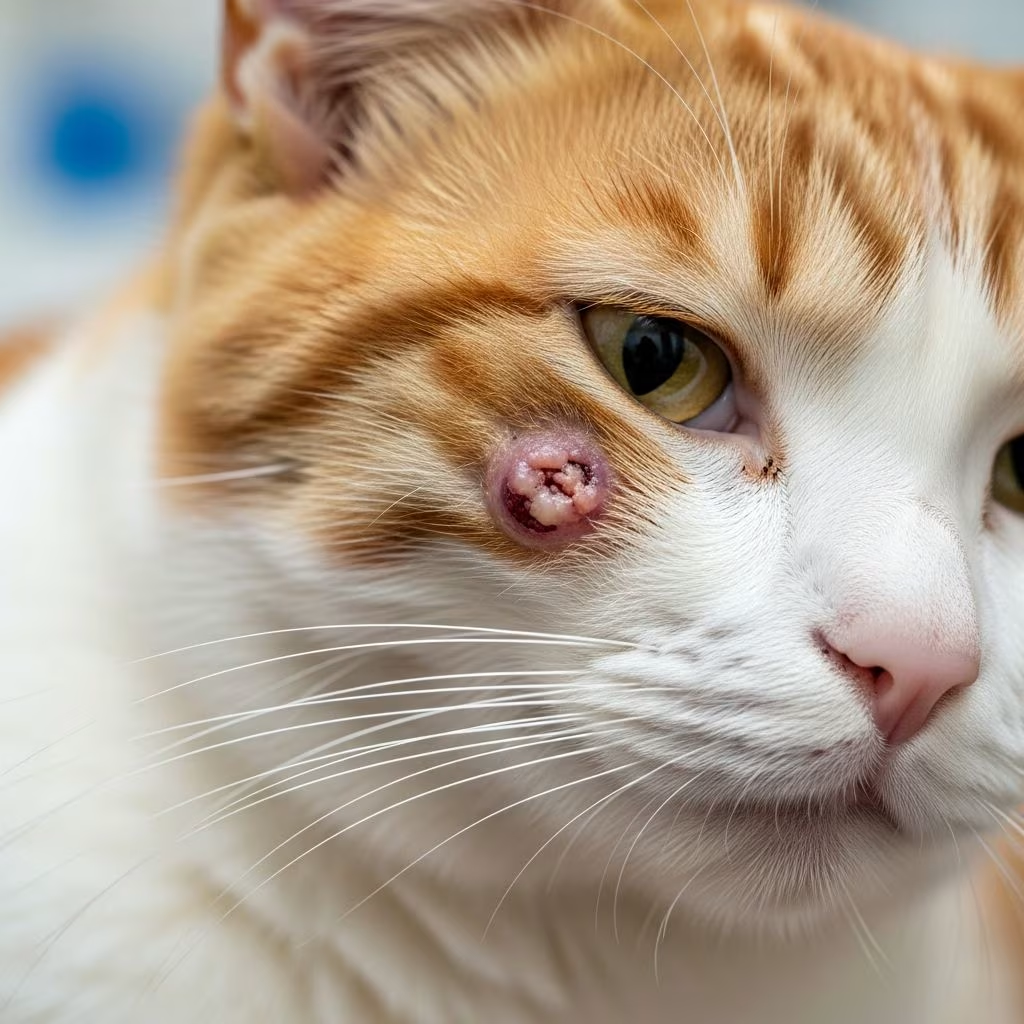
Cat abscesses represent a frequent yet serious health concern for feline companions, manifesting as localized collections of pus resulting from bacterial infections. These painful swellings often arise following trauma, such as bites or scratches, and demand prompt attention to avert complications like rupture or systemic spread. Understanding their formation, recognition, and management empowers cat owners to safeguard their pets effectively.
Understanding the Nature of Feline Abscesses
An abscess develops when bacteria infiltrate deep into tissues, prompting the body’s immune response to wall off the infection with white blood cells and fluid, creating a pus-filled pocket. In cats, this process accelerates due to their skin’s rapid healing, which can trap pathogens beneath the surface before they are expelled. Common in outdoor or unneutered cats involved in territorial disputes, abscesses vary in location from superficial skin lumps to deeper internal sites.
The pus comprises dead bacteria, tissue debris, and immune cells, exerting pressure that causes intense discomfort. Without intervention, the abscess may rupture, releasing foul-smelling discharge but potentially leading to larger wounds or chronic issues. Early detection hinges on vigilance for behavioral and physical changes in your cat.
Primary Triggers Behind Cat Abscess Formation
Bite wounds top the list of abscess causes, as cats’ mouths harbor virulent bacteria like Pasteurella multocida and anaerobes. During fights, these microbes penetrate deeply via sharp teeth, evading initial surface defenses. Scratches from claws, though less deep, can similarly introduce contaminants if not cleaned promptly.
Non-combat injuries contribute too: penetrating objects like thorns, grass awns, or splinters embed foreign material, fostering bacterial growth. Dental origins account for facial abscesses, where periodontal disease or fractured teeth allow oral bacteria to erode gum lines and form subgingival pockets. Less frequently, internal abscesses stem from migrating infections affecting organs like the lungs or liver, often linked to respiratory illnesses or swallowed foreign bodies.
- Bite or scratch wounds: Most prevalent, especially in free-roaming cats.
- Foreign bodies: Sticks, seeds, or debris puncturing skin.
- Dental issues: Tooth root infections from decay or trauma.
- Internal spread: From pneumonia, peritonitis, or bloodstream invasion.
Cats with weakened immunity—due to FIV, FeLV, diabetes, or steroids—face elevated risks, as their defenses falter against opportunistic bacteria.
Recognizing the Telltale Signs of Abscesses
Symptoms emerge 2-5 days post-injury, starting subtly before escalating. A firm, warm lump under the skin signals the initial buildup, often on flanks, limbs, tail base, or face. The area grows tender, prompting your cat to lick excessively, limp, or vocalize in pain.
Systemic indicators include fever (over 103°F), appetite loss, lethargy, and hiding. If ruptured, expect oozing yellow-green pus with a rotten odor, surrounded by matted fur and raw tissue. Facial abscesses may cause drooling, halitosis, or pawing at the mouth.
| Symptom | Description | Severity Level |
|---|---|---|
| Swelling | Firm, hot lump; may feel fluctuant | Mild to Moderate |
| Pain | Sensitivity to touch; aggression when approached | Moderate |
| Lethargy | Reduced activity, sleeping more | Moderate to Severe |
| Fever/Discharge | High temp; pus leakage post-rupture | Severe |
Monitor closely if your cat frequents outdoors or has housemates prone to scuffles.
Diagnostic Approaches Employed by Veterinarians
Vets begin with a physical exam, palpating the lesion for fluctuation and assessing overall condition. History of recent fights or injuries guides suspicion. Fine-needle aspiration yields pus for cytology, revealing neutrophils indicative of bacterial involvement.
Culture and sensitivity testing—growing bacteria on media and testing antibiotic efficacy—ensures targeted therapy, vital for resistant strains. Bloodwork detects systemic infection via elevated white cells or inflammatory markers. Imaging like ultrasound or radiographs identifies internal abscesses or foreign bodies; dental X-rays confirm tooth root issues.
In complex cases, biopsy rules out neoplasia mimicking abscesses.
Comprehensive Treatment Protocols
Treatment prioritizes pus evacuation, infection control, and pain management. Outpatient care suffices for superficial cases: vets clip fur, lance under sedation if needed, flush with antiseptics, and pack open for drainage. Antibiotics like amoxicillin-clavulanate (Clavamox) target common pathogens; Convenia offers long-acting injection for pill-averse cats.
Pain relief via NSAIDs like meloxicam (Onsior) aids recovery. Surgical intervention applies to large, non-draining, or recurrent abscesses—full excision under anesthesia, possibly with drain placement. Dental abscesses necessitate extraction plus antibiotics.
Home care involves e-collar use, wound cleaning per instructions, and completing the 7-14 day antibiotic course. Nutrition supports healing; soft foods benefit oral cases.
- Drainage: Essential first step to relieve pressure.
- Antibiotics: 10-14 days minimum; culture-guided.
- Pain control: Multimodal if severe.
- Follow-up: Re-check in 5-7 days.
Prognosis excels with compliance; most heal fully in 1-2 weeks.
Healing Timeline and Recovery Expectations
Post-treatment, expect initial drainage tapering over 3-5 days, with swelling subsiding in a week. Full epithelialization takes 10-14 days. Monitor for recurrence signs like renewed heat or discharge. Activity restriction prevents dehiscence; confine indoors during convalescence.
Complications—fistulas, osteomyelitis, sepsis—are rare with prompt care but demand immediate re-evaluation.
Proactive Prevention Strategies for Cat Owners
Minimize risks by neutering/spaying to curb roaming and aggression. Keep cats indoors or supervise outdoor time. Vaccinate against FeLV/FIV, and maintain dental hygiene via brushing, dental treats, or professional cleanings.
Examine post-scuffle cats daily; clean superficial wounds with saline immediately. Feral colony management via trap-neuter-release reduces fights.
When to Rush to the Vet: Red Flags
Seek emergency care for non-weight-bearing lameness, breathing distress, profuse discharge, or neurological signs (seizures, ataxia). Facial swelling obstructing eating or multiple abscesses signal deeper pathology.
Frequently Asked Questions (FAQs)
Can cat abscesses heal on their own?
Rarely; rupture provides temporary relief but risks secondary infection without antibiotics.
Is it safe to squeeze an abscess at home?
No—risks spreading bacteria or incomplete drainage. Professional lancing is safer.
How long do antibiotics last for abscesses?
Typically 7-14 days; complete the full course to prevent resistance.
Do indoor cats get abscesses?
Yes, from play fights, dental disease, or injections.
What’s the cost of treating a cat abscess?
Varies $100-500+ depending on surgery needs and location.
References
- Cat Abscesses: What Are They, and How Do You Treat Them? — PetMD. 2023. https://www.petmd.com/cat/conditions/skin/cat-abscesses-what-are-they-and-how-do-you-treat-them
- Abscesses in Cats — VCA Animal Hospitals. 2024. https://vcahospitals.com/know-your-pet/abscesses-in-cats
- Abscesses in cats | Health A-Z — Joii Pet Care. 2023. https://www.joiipetcare.com/blogs/health-conditions/abscesses-in-cats
- Cat Abscesses: Causes, Signs & Treatment — Purina US. 2024. https://www.purina.com/articles/cat/health/symptoms/cat-abscesses
- Abscesses in Cats — Evergreen Animal Clinic. 2022. https://www.evergreenanimalclinic.com/cat-abscesses.html



