

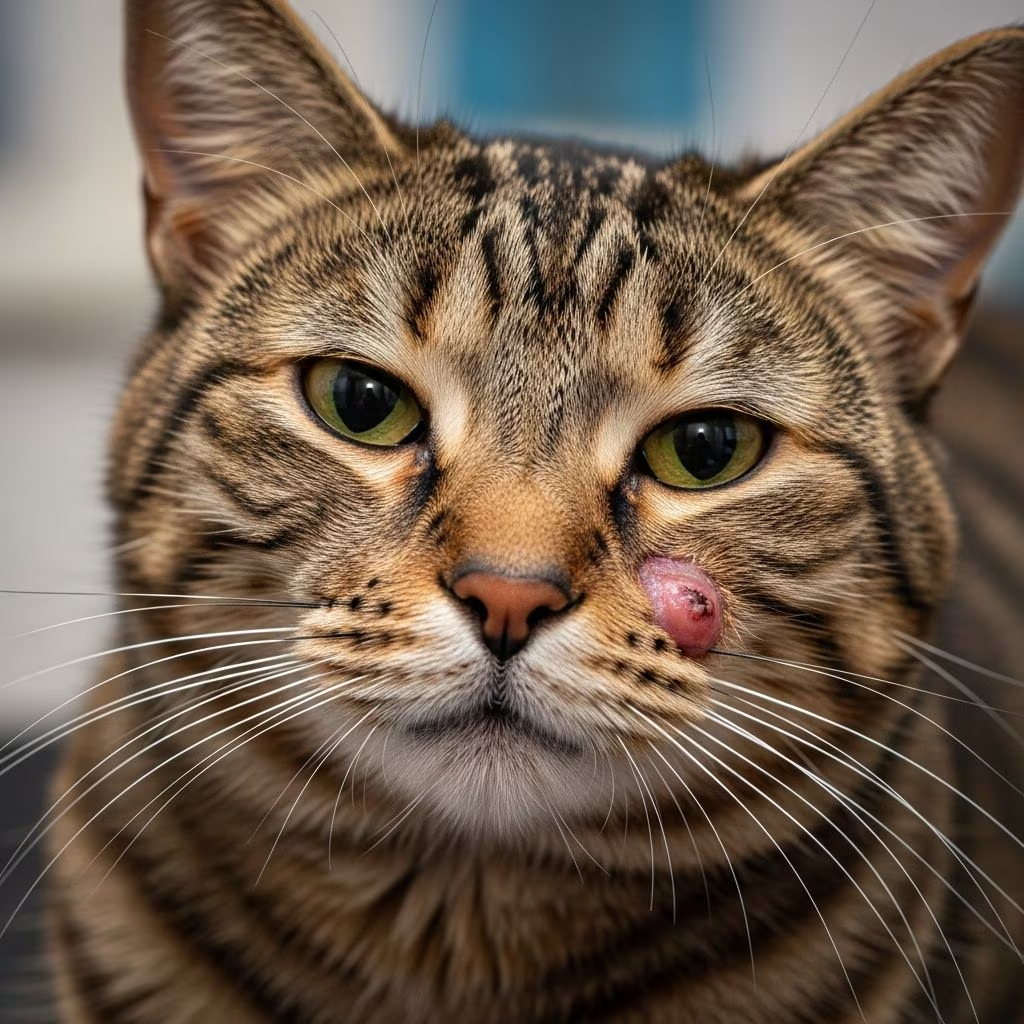
Cat abscesses form when bacteria from bites or scratches create pus-filled pockets under the skin, often failing to heal without intervention due to the risk of deeper infections. While tiny ones might rupture and resolve occasionally, most require veterinary care to drain, clean, and treat effectively, preventing severe complications.
Understanding Feline Abscess Formation
A **cat abscess** develops as the body’s defense against invading bacteria, trapping them in a localized swelling that fills with pus. Outdoor cats frequently suffer from these after territorial scuffles, where deep puncture wounds from teeth or claws inoculate bacteria like Pasteurella multocida beneath the skin. The initial wound seals rapidly due to thick feline skin, fostering an anaerobic environment ideal for bacterial growth.
These infections thrive because cats’ sharp teeth create narrow entry points that close quickly, shielding bacteria from oxygen and immune cells. Without drainage, pressure builds, leading to painful lumps prone to bursting unpredictably. Common sites include the face, legs, tail base, and flanks, reflecting typical fight injuries.
Key Indicators Your Cat Has an Abscess
Spotting an abscess early aids prompt action. Watch for these **primary symptoms**:
- A soft, swollen lump, often warm or hot to the touch, ranging from pea-sized to golf ball dimensions.
- Hair loss over the area, with possible yellowish discharge if ruptured.
- Limping, reluctance to jump, or guarding the affected region due to pain.
- Lethargy, fever (over 103°F), or appetite loss signaling systemic spread.
- Foul odor from draining pus, indicating active infection.
Internal abscesses near organs may show subtler signs like vomiting or breathing issues, demanding immediate vet evaluation. Differentiate from mere bruises by the fluctuant feel—pus gives a fluid-like bounce under pressure.
Risks of Allowing Natural Healing
Relying on self-resolution is hazardous. Though small, superficial abscesses might burst and drain spontaneously, healing in days, larger or deeper ones rarely do without aid. Untreated pus can erode tissues, enter the bloodstream (sepsis), or form chronic tracts resisting future clearance.
Immunocompromised cats, such as those with FIV or FeLV, face amplified dangers, as weakened defenses prolong infections and invite secondary issues. Delaying care risks organ damage, bone involvement, or fatal spread, especially in multi-cat homes where reinjury looms.
| Self-Healing Pros | Self-Healing Cons |
|---|---|
| Rarely works for minor cases | High sepsis risk |
| No vet costs initially | Chronic recurrence possible |
| Quick if drains naturally | Tissue scarring or organ damage |
Standard Veterinary Interventions
Vets address abscesses through a structured protocol emphasizing drainage, antibiotics, and pain control. Outpatient care suits most cases, with sedation for lancing if needed.
- Examination and Diagnostics: Palpation confirms pus; imaging or cultures guide antibiotic choice for resistant strains.
- Drainage: Surgical incision flushes debris; drains may stay 3-5 days for ongoing outflow.
- Medications: Broad-spectrum antibiotics like Clavamox or Convenia tackle common pathogens, paired with analgesics like Onsior.
- Wound Management: Flushing with sterile saline promotes healing without harsh antiseptics.
For dental-root abscesses, tooth extraction under anesthesia resolves the source, followed by supportive care. Prognosis excels with compliance, yielding full recovery in 80-90% of cases.
Home Management During Recovery
Post-vet, your role ensures healing. **Essential home care steps** include:
- Cleaning with vet-approved sprays or warm saline soaks (avoid hydrogen peroxide, which damages tissues).
- Administering all prescribed meds fully to prevent resistance.
- Confining indoors, limiting activity to curb reopening.
- Using e-collars to deter licking, which introduces saliva bacteria.
- Monitoring daily for redness, swelling increase, or fever.
Healing timelines vary: 5-7 days for drained abscesses, up to 2 weeks post-surgery. Nutritional boosts like high-protein diets aid tissue repair.
Healing Timeline and Monitoring Milestones
Track progress with these **expected stages**:
- Days 1-3: Peak drainage, reduced swelling with proper flushing.
- Days 4-7: Granulation tissue forms; drain removal if placed.
- Weeks 2-3: Full closure for surgical sites; fur regrowth signals success.
Red flags prompting recheck: stalled drainage, renewed heat, or behavioral decline. Probiotics post-antibiotics restore gut health, minimizing side effects.
Preventing Abscess Recurrences in Cats
Proactive strategies slash risks:
- Keep cats indoors or supervise outdoors to avoid fights.
- Spay/neuter to temper aggression.
- Maintain vaccines, especially for FIV/FeLV testing.
- Clip nails regularly on social cats.
- Inspect post-scuffle for punctures, initiating early cleans.
Multi-cat harmony via territory management and pheromone diffusers reduces brawls.
Frequently Asked Questions About Cat Abscesses
Will my cat’s abscess burst on its own?
Possibly for small ones, but this risks incomplete drainage and spread—vet care is safer.
How long until an abscess heals?
Typically 1-2 weeks with treatment; longer untreated or complex cases.
Can I drain it at home?
No—squeezing spreads infection. Use warm compresses pre-vet only.
What if my cat won’t take pills?
Request injectables like Convenia or compounded liquids.
Are abscesses contagious?
Not directly, but bite wounds transmit bacteria/FIV.
Long-Term Outlook and Complications
With timely intervention, cats rebound fully, resuming normal antics. Neglect invites fistulas, osteomyelitis, or pyothorax—rare but grave. Routine wellness checks catch predispositions early.
Empower yourself with knowledge: abscesses signal deeper lifestyle risks, urging holistic care shifts for thriving felines.
References
- The Beginner’s Guide to Cat Abscesses — Vetericyn Animal Wellness. 2023. https://vetericyn.com/blogs/vetericyn/the-beginners-guide-to-cat-abscesses
- Cat Abscesses — Evergreen Animal Clinic. 2024. https://www.evergreenanimalclinic.com/cat-abscesses.html
- Cat Abscesses: What Are They, and How Do You Treat Them? — PetMD. 2024. https://www.petmd.com/cat/conditions/skin/cat-abscesses-what-are-they-and-how-do-you-treat-them
- Abscesses in Cats — VCA Animal Hospitals. 2024. https://vcahospitals.com/know-your-pet/abscesses-in-cats
- The Bite Wound Abscess — Mar Vista Animal Medical Center. 2024-09-01. https://www.marvistavet.com/the-bite-wound-abscess.pml
- Abscess Management in the Cat/Dog — University of Minnesota Libraries Open Textbook. 2023. https://open.lib.umn.edu/clinicalskills/chapter/abscess-management-cat-dog/



