

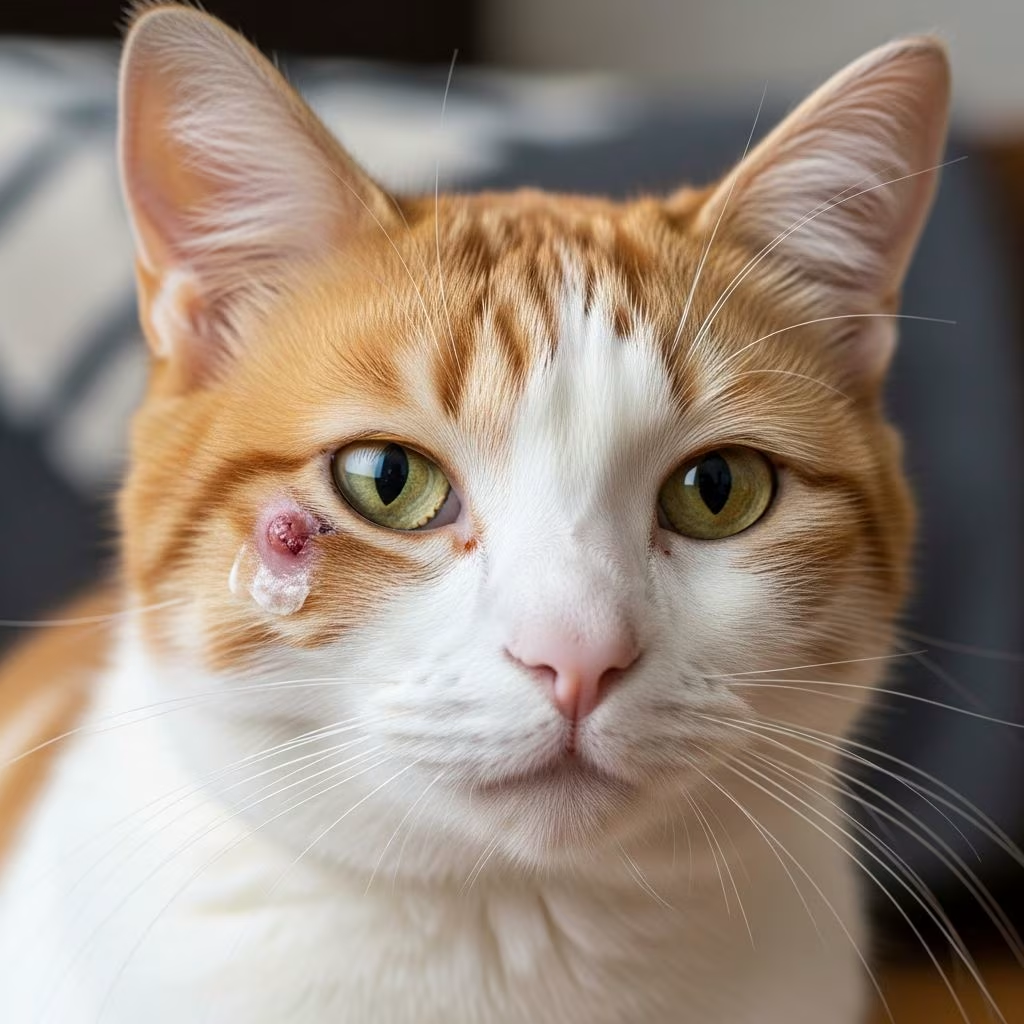
Cat abscesses often arise from bite wounds during fights, leading to painful, pus-filled swellings that require prompt attention. While professional veterinary intervention is essential for proper diagnosis and severe cases, many owners can manage supportive care at home under vet guidance to promote drainage, cleanliness, and healing.
Understanding Feline Abscesses
Abscesses form when bacteria enter through a puncture wound, typically from another cat’s bite or scratch. The body’s immune response walls off the infection, creating a pocket of pus under the skin. Common sites include the face, legs, tail base, and flanks. Early detection prevents complications like deeper infections or systemic illness.
- Symptoms include a soft, swollen lump, often with hair loss and a foul odor.
- The area may feel warm, and your cat could show lethargy, reduced appetite, or limping.
- Ruptured abscesses release thick, yellowish discharge.
Without intervention, abscesses can enlarge or spread, potentially requiring surgery. Veterinary sources emphasize that while home care aids recovery, initial assessment rules out underlying issues like dental abscesses or foreign bodies.
Initial Steps Before Home Treatment
Always consult a veterinarian first, as abscesses may need lancing, antibiotics, or imaging. Self-treatment without advice risks worsening the infection. Prepare by isolating your cat in a quiet, warm space to minimize stress and movement.
| Action | Purpose | Caution |
|---|---|---|
| Call vet for exam | Confirm diagnosis and get prescriptions | Do not delay if fever or severe pain evident |
| Confine cat indoors | Prevent fights and contamination | Use a small, clean room with essentials |
| Monitor vital signs | Track worsening signs like vomiting | Seek emergency care if lethargy increases |
Safe Cleaning Techniques for Home Use
Cleaning promotes drainage and removes debris, but use vet-approved methods only. Start with gentle warm compresses to soften the site and encourage natural rupture.
- Soak a clean cloth in warm (not hot) water.
- Apply for 5-10 minutes, 3-4 times daily, gently holding without squeezing.
- Pat dry with sterile gauze; avoid hydrogen peroxide, which delays healing.
For open abscesses, dilute chlorhexidine (0.05% solution) serves as an effective antiseptic flush. Mix per vet instructions—typically 1-2 tablespoons concentrate in 1/4 cup water. Use a syringe to irrigate the cavity twice daily for 5 days, aiming for clear outflow.
- Gently scrub surrounding skin with gauze soaked in the solution.
- Flush deeply to expel pus, repeating until fluid runs clear.
- Keep the site open; premature closure traps bacteria.
Non-toxic, phenol-free washes maintain moisture without stinging. Bathe sparingly to avoid over-drying healthy skin.
Medication and Pain Management
Vets commonly prescribe antibiotics like Clavamox or Convenia injections for bacterial control. Administer full courses to prevent resistance—typically 7-14 days.
Pain relief includes anti-inflammatories such as Onsior. For home support, vet-approved CBD (3mg per 10lbs body weight) offers safe analgesia without pharmaceuticals.
Monitoring Progress and Wound Care
Track healing daily: expect reduced swelling within 48 hours and granulation by day 5. Use an e-collar if licking occurs, preventing re-infection.
- Change dressings if drains are placed (vet-inserted for large abscesses).
- Clean floors and bedding frequently.
- Provide high-protein food and hydration for immune support.
If no improvement in 3 days, or if fever persists, return to the vet. Surgical drains may stay 3 days, requiring meticulous hygiene.
Preventing Abscess Recurrence
Outdoor cats face higher risks from territorial disputes. Key strategies include:
- Neutering to reduce fighting.
- Supervising play and using microchips for identification.
- Vaccinations against related infections like feline leukemia.
- Regular coat checks for early wounds.
Indoor lifestyles with enrichment minimize exposure while keeping cats content.
Special Considerations for Different Abscess Types
Facial abscesses often stem from fights; tail/base ones from mounting injuries. Dental root abscesses demand tooth extraction under anesthesia. Plantar paw abscesses may involve grass awns—requires thorough flushing.
| Location | Common Cause | Home Care Focus |
|---|---|---|
| Head/Face | Bite wounds | Compresses, e-collar |
| Limbs | Scratches | Limit movement |
| Tail | Mating trauma | Drain maintenance |
FAQs on Cat Abscess Home Care
Can I lance an abscess myself?
No—risks severe infection. Vets use sterile tools under sedation.
How long does recovery take?
5-10 days with proper care; full healing 2-3 weeks.
What if pus returns?
Re-consult vet; may indicate resistant bacteria.
Is surgery always needed?
Not for small, draining ones; larger require professional lancing.
Can natural remedies replace antibiotics?
No—bacteria demand targeted drugs; honey aids topically per vet.
Long-Term Health Tips Post-Abscess
Post-recovery, schedule wellness checks. Boost immunity with balanced nutrition, omega-3s, and parasite control. Early spaying/neutering cuts fight risks by 90% per studies.
Recognize that abscesses signal lifestyle risks—transitioning ferals indoors saves lives. Educate neighbors on stray management to protect community cats.
References
- Cat Abscesses: What Are They, and How Do You Treat Them? — PetMD. 2023-05-15. https://www.petmd.com/cat/conditions/skin/cat-abscesses-what-are-they-and-how-do-you-treat-them
- The Beginner’s Guide to Cat Abscesses — Vetericyn. 2024-02-10. https://vetericyn.com/blogs/vetericyn/the-beginners-guide-to-cat-abscesses
- Abscesses in Cats — JOII Pet Care. 2023-11-20. https://www.joiipetcare.com/blogs/health-conditions/abscesses-in-cats
- Cat Bite Abscesses — PDSA. 2024-01-05. https://www.pdsa.org.uk/pet-help-and-advice/pet-health-hub/conditions/cat-bite-abscesses
- Treating a Cat Abscess: Emergency Steps to Protect Your Pet — GSVS. 2023-08-12. https://gsvs.org/blog/cat-abscess-emergency-care/



