

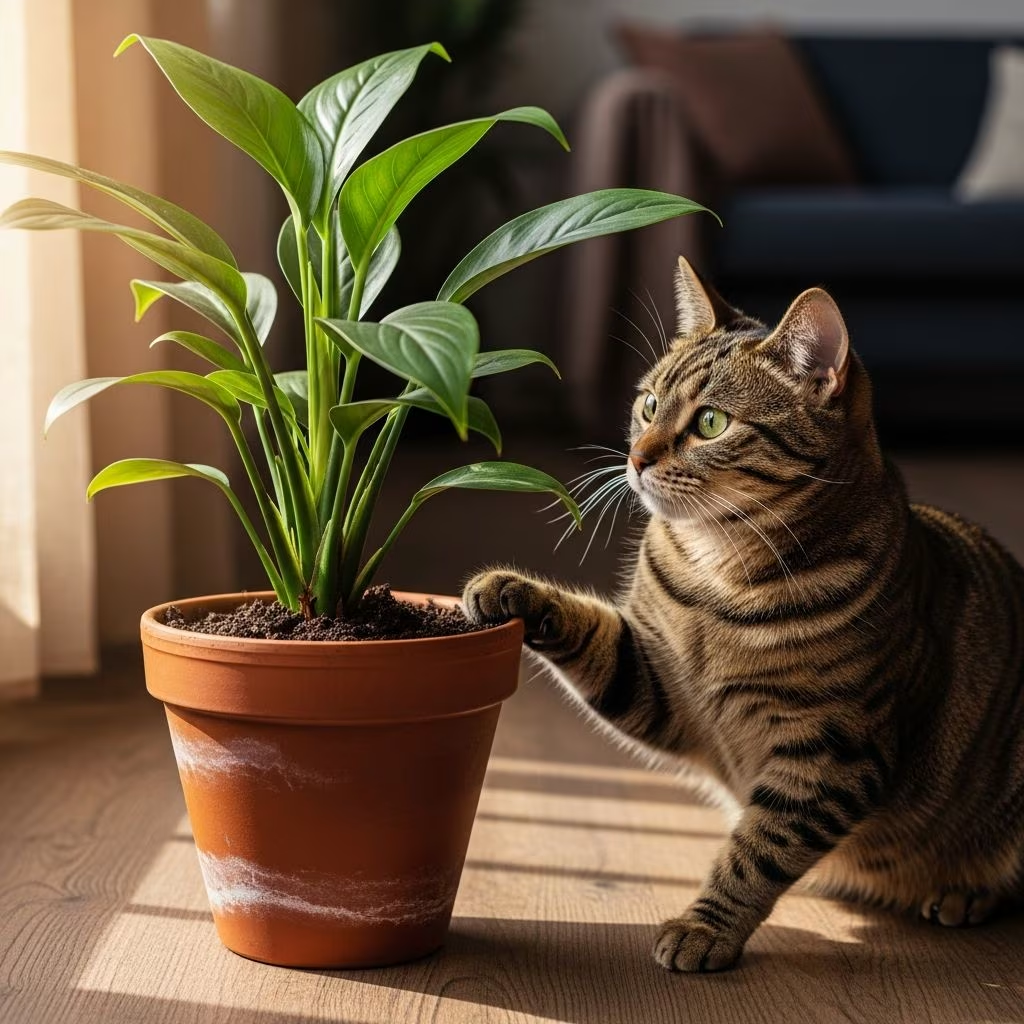
For cat owners who enjoy cultivating indoor plants, the challenge of balancing botanical beauty with feline safety is a constant concern. Many popular houseplants pose serious health risks to curious cats, making plant selection a critical decision for responsible pet ownership. Fortunately, not all greenery presents danger, and the cast iron plant stands out as a reliable option for households with cats. Understanding why this particular plant is safe, along with practical strategies for minimizing risks even with non-toxic varieties, empowers cat owners to create vibrant, pet-friendly living spaces.
Understanding the Cast Iron Plant and Its Safety Profile
The cast iron plant, scientifically known as Aspidistra elatior, carries several common names including the iron plant and bar room plant. This evergreen species originates from the forests of Japan and China, where it thrives in tropical and subtropical climates. What makes this plant particularly noteworthy for cat owners is its membership in the Lily family—a plant classification notorious for containing numerous species that pose severe toxicity risks to felines. Despite this family connection, the cast iron plant distinguishes itself as a safe exception.
According to the ASPCA’s comprehensive database of plant toxicity, the cast iron plant is explicitly listed as non-toxic to cats, dogs, and horses. This official designation provides substantial reassurance for pet owners seeking reliable botanical companions. The plant’s reputation for durability and low maintenance makes it an excellent choice for both experienced gardeners and beginners who lack extensive horticultural expertise.
Cast iron plants display distinctive characteristics that contribute to their appeal as houseplants. They produce deep green, pointed leaves that can reach heights of up to two feet when grown in suitable conditions. The plant’s slow growth rate means it won’t rapidly overtake your living space, and its resilient nature allows it to tolerate variable light conditions and inconsistent watering schedules. Beyond the standard variety, two additional cultivars featuring striped and spotted leaf patterns are also available, and both maintain the same non-toxic status as their parent species.
Why Cats and Houseplants Don’t Always Mix
The relationship between cats and indoor vegetation presents inherent complications rooted in feline biology and behavior. Cats possess naturally inquisitive temperaments that drive them to investigate new objects in their environment, including plants. Their propensity to nibble, pounce, and interact with foliage creates multiple potential hazards beyond simple toxicity concerns.
Even non-toxic plants can trigger adverse reactions in cats because feline digestive systems lack the enzymatic capability to efficiently process plant material. When cats consume vegetation—whether toxic or harmless—their gastrointestinal tracts may struggle to break down the fibrous content, resulting in digestive disturbances. These reactions can manifest as vomiting and diarrhea, creating discomfort for your pet and cleanup challenges for you. While such episodes are typically self-limiting and not life-threatening, they represent unnecessary stress for both cat and owner.
Additional risks accompany indoor plant ownership beyond ingestion concerns. Cats engaging with potted plants frequently knock them over during play or curiosity-driven exploration. When plants occupy ceramic or glass containers, these collisions can result in broken pottery and sharp fragments scattered across your floor—a hazard that threatens both feline paws and human feet. Furthermore, many commercial fertilizers and insecticide treatments commonly applied to houseplants contain compounds that prove highly toxic to cats. These chemical products can cause serious illness even in minimal quantities, requiring immediate veterinary intervention.
Protective Strategies for Cat-Owning Plant Enthusiasts
Successfully maintaining both a thriving plant collection and a safe environment for cats requires implementation of deliberate protective measures. These strategies work in concert to minimize risks while allowing you to enjoy botanical elements in your home.
Strategic Plant Placement
Location represents one of the most effective tools for reducing plant-related hazards. Position your cast iron plant and other vegetation in areas where your cat has limited or no access. High shelves, hanging planters, or enclosed rooms where your cat spends minimal time all provide viable solutions. For cats prone to climbing or extreme curiosity, wall-mounted planters or ceiling-suspended hanging gardens create barriers while maintaining aesthetic appeal. Consider establishing designated “cat-free zones” where plants can exist without constant surveillance.
Container Selection and Stability
Choose substantial, heavy planters made from sturdy materials that resist tipping when bumped by an active cat. Ceramic and terra cotta options generally provide better stability than lightweight plastic alternatives. Ensure pots feature wide, weighted bases that lower the center of gravity and reduce the likelihood of toppling. For particularly energetic cats, securing planters to furniture or walls using plant stands designed to prevent displacement offers added security.
Chemical Product Management
Before applying any fertilizer, insecticide, or plant treatment, carefully review product labels for safety information specific to households with cats. Many formulations explicitly caution against use around pets or recommend extended safety periods before animals can access treated plants. Consider switching to natural, cat-safe alternatives such as neem oil derivatives or organic fertilizers formulated without harmful compounds. When treatment is necessary, apply products in isolated areas and allow adequate drying time before permitting cat access to the space.
Behavioral Discouragement
Train your cat to respect plant boundaries through consistent, positive reinforcement techniques. Double-sided tape applied around pot bases creates tactile deterrents that many cats find unpleasant. Commercial pet-safe sprays with bitter flavors can be applied to leaves and soil, discouraging chewing behavior. Environmental modifications such as providing alternative climbing structures, scratching posts, or designated digging boxes satisfy natural feline instincts while redirecting attention away from your plants.
Comparing Safe and Dangerous Plant Options
| Plant Category | Safe Options | Toxic Plants to Avoid |
|---|---|---|
| Flowering Plants | Roses, Orchids, Sunflowers, Impatiens | Lilies, Tulips, Daffodils, Azaleas |
| Foliage Plants | Cast Iron Plant, Spider Plant, Boston Fern, Bamboo | English Ivy, Dieffenbachia, Philodendron |
| Herbs | Basil, Rosemary, Thyme, Catnip | Aloe Vera, Jade Plant, Oleander |
| Palms | Parlour Palm, Areca Palm | Sago Palm, Cycad |
Expanding Your Pet-Safe Plant Collection
Beyond the cast iron plant, numerous alternatives provide visual interest and botanical variety while maintaining complete safety for feline companions. Roses and orchids offer elegant flowering options suitable for cat households, while spider plants deliver textural variety and hardy growth characteristics. Boston ferns create lush, tropical atmospheres without toxicity concerns, and most culinary herbs including basil and rosemary provide functional and aesthetic benefits.
For cat owners seeking larger statements, sunflowers present cheerful focal points, and banana plants contribute dramatic tropical foliage. Friendship plants and prayer plants offer unique leaf patterns and moderate water requirements. The calathea, commonly known as the zebra plant, features striking striped patterns that appeal to decoratively-minded owners. These alternatives collectively demonstrate that comprehensive plant collections and cat safety need not represent mutually exclusive objectives.
Plants That Require Absolute Avoidance
Conversely, certain plants present such significant toxicity risks that cat-owning households should eliminate them entirely rather than implementing protective measures. Lilies deserve particular attention as among the most dangerous plants for felines; even minimal ingestion of lily parts can trigger acute kidney failure with potentially fatal consequences. This toxicity applies across lily varieties, including common varieties like peace lilies, Easter lilies, and tiger lilies.
Additional plants demanding complete avoidance include daffodils and tulips—particularly their bulbs, which concentrate toxic compounds—hyacinths, azaleas, rhododendrons, English ivy, mums, and sago palms. Mistletoe and yew present seasonal hazards during holiday periods. Bird of paradise, while aesthetically appealing, produces effects including vomiting, drowsiness, and respiratory difficulty. Aloe vera, valued for human skincare benefits, triggers gastrointestinal upset in cats.
Recognizing and Responding to Plant Poisoning
Despite best efforts, accidental ingestion of toxic plants sometimes occurs. Recognizing early warning signs enables rapid intervention that can prevent serious complications. Common symptoms of plant poisoning include vomiting, diarrhea, excessive drooling, lethargy, weakness, facial swelling, breathing difficulties, abnormal heart rates, tremors, seizures, and changes in urination patterns. Some toxins produce delayed effects, meaning cats might appear normal initially despite consuming dangerous material.
If you suspect your cat has consumed a toxic plant, contact your veterinarian or animal poison control immediately. Provide information about the specific plant species if possible, and bring a plant sample to your veterinary appointment. Emergency protocols may include induced vomiting in controlled clinical settings or administration of activated charcoal to limit toxin absorption. Time-sensitive treatment dramatically improves survival rates and long-term outcomes for poisoning cases.
Frequently Asked Questions About Cast Iron Plants and Cat Safety
Is the cast iron plant truly safe for all cats?
Yes, the cast iron plant is non-toxic to cats according to ASPCA classifications. However, individual cats may experience mild gastrointestinal upset from consuming any plant material due to their digestive system limitations. If your cat shows signs of vomiting or diarrhea after plant consumption, contact your veterinarian to rule out underlying conditions.
What should I do if my cat chews my cast iron plant?
While the plant itself poses no toxicity risk, monitor your cat for signs of digestive upset over the following hours. If vomiting or diarrhea occurs, provide your cat with fresh water and observe closely. Contact your veterinarian if symptoms persist or worsen. To prevent ongoing damage, implement protective strategies such as relocating the plant or using behavioral deterrents.
Are cast iron plant varieties with striped or spotted leaves also safe?
Yes, all cast iron plant cultivars, including striped and spotted varieties, maintain non-toxic status for cats. Safety classifications apply equally across all available forms of this species.
Can I use pesticides on my cast iron plant if I have a cat?
Exercise extreme caution with pesticide products. Always verify that any applied product explicitly allows use in homes with cats. Many conventional pesticides carry warnings against pet exposure. Consider switching to organic alternatives or consulting your veterinarian about cat-safe options.
What are the first signs that my cat has eaten something toxic?
Early indicators include vomiting, diarrhea, excessive drooling, loss of appetite, lethargy, or behavioral changes. Some toxins produce more dramatic symptoms like difficulty breathing or seizures. When in doubt about your cat’s condition, err toward caution and seek veterinary evaluation.
Creating the Ideal Pet-Friendly Indoor Garden
Successful integration of houseplants into cat-populated households requires thoughtful planning and ongoing vigilance. Begin by inventorying existing plants, researching their toxicity status, and removing dangerous varieties. Gradually introduce cat-safe plants while implementing the protective strategies discussed throughout this guide. Maintain updated records of which plants occupy your home and their safety classifications for reference during veterinary emergencies.
Engage your cat in appropriate plant-related activities by growing cat grass or catnip in designated areas, providing acceptable outlets for their natural curiosity. Consider creating vertical plant displays that draw feline attention upward and away from ground-level pots. Combine strategic planning with consistent training and environmental management to achieve the dual objective of botanical beauty and feline safety.
References
- ASPCA Poison Control: Toxic and Non-toxic Plants — American Society for the Prevention of Cruelty to Animals. 2025. https://www.aspca.org/pet-care/aspca-poison-control/toxic-and-non-toxic-plants/cast-iron-plant
- Non Poisonous Plants and Poisonous Plants For Cats — Petstock Australia. September 2025. https://www.petstock.com.au/blog/articles/non-poisonous-plants-and-poisonous-plants-for-cats
- Cast Iron Plant Care Guide: Growing Aspidistra elatior Indoors — Healthy Houseplants. 2025. https://www.healthyhouseplants.com/indoor-houseplants/cast-iron-plant-care-guide-growing-aspidistra-elatior-indoors/
- Our Guide to Pet-Friendly Plants — The Little Botanical. 2025. https://thelittlebotanical.com/house-plants-that-are-safe-for-pets/



