

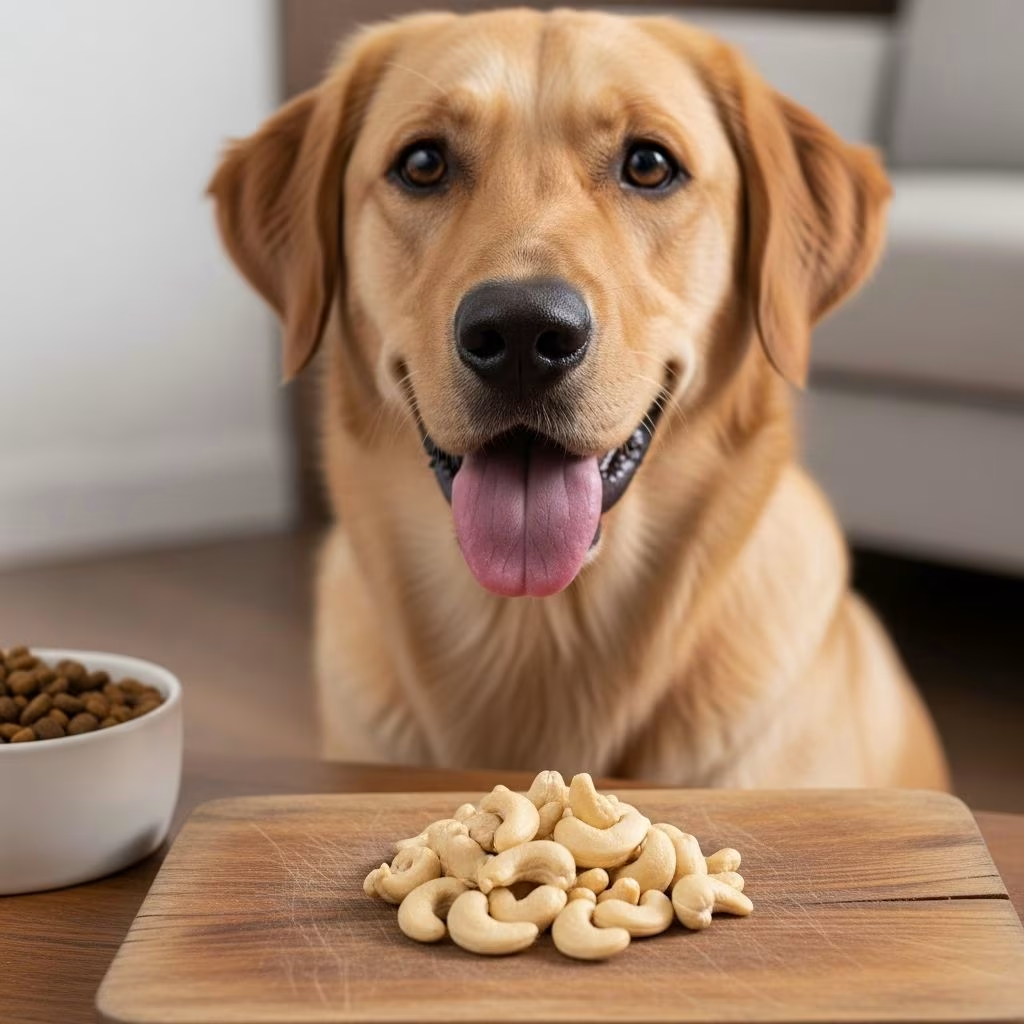
Many dog owners wonder whether they can share snacks with their pets, and cashews are a common question. The good news is that cashews are generally safe for dogs to consume, unlike some other nuts that pose serious health risks. However, safety doesn’t automatically mean nutritional value or recommendation for regular feeding. Understanding the proper way to introduce and serve cashews to your canine companion requires knowledge of portion sizes, preparation methods, and individual health considerations.
Understanding Cashew Safety for Canines
Cashews present a different profile than many other nuts when it comes to dog nutrition. Unlike macadamia nuts, which contain compounds toxic to dogs, cashews do not contain inherently poisonous substances. This distinction is important because many nut products come in mixed varieties, and accidentally exposing your dog to macadamia nuts through a mixed container could create a medical emergency.
The primary concern with cashews is not toxicity but rather their nutritional composition. Cashews are high in both fat and protein, which can contribute to digestive upset and obesity when consumed in large quantities. Additionally, the way cashews are prepared—whether they’re salted, roasted, or flavored—significantly impacts their safety profile for dogs. Plain, unsalted cashews represent the only appropriate option for canine consumption.
Portion Recommendations by Dog Size
The amount of cashews appropriate for your dog depends heavily on their weight and overall dietary intake. Smaller dogs have proportionally lower caloric needs, making it essential to adjust portions accordingly.
| Dog Size Category | Weight Range | Cashew Quantity | Cashew Butter Alternative |
|---|---|---|---|
| Extra-Small | 2-20 pounds | 1-2 cashews | ¼ tablespoon twice daily |
| Small | 21-30 pounds | 3-5 cashews | ½ tablespoon twice daily |
| Medium | 31-50 pounds | 6-8 cashews | ¾ tablespoon twice daily |
| Large | 51-90 pounds | 10-12 cashews | 1 tablespoon twice daily |
| Extra-Large | 91+ pounds | 12-18 cashews | 1½-2 tablespoons twice daily |
These recommendations assume unsalted, plain cashews given as occasional treats rather than dietary staples. Cashew butter offers an alternative presentation, though it should still be unsweetened and free from added ingredients.
Health Benefits and Nutritional Value
While cashews shouldn’t replace primary nutrition sources, they do contain several beneficial compounds when fed appropriately.
- Magnesium Content: Cashews provide magnesium, which supports calcium absorption and contributes to bone density and strength in dogs. This mineral helps maintain skeletal integrity and reduces the risk of bone-related diseases, particularly important for aging dogs.
- Antioxidant Properties: Vitamin E and other antioxidants in cashews help combat oxidative stress at the cellular level, supporting overall immune function and potentially slowing age-related decline.
- Digestive Support: Cashews contain dietary fiber that can promote healthy bowel movements and support gut health, particularly beneficial for dogs with irregular digestion.
- Healthy Fat Profile: While high in fat, cashews contain unsaturated fats rather than harmful saturated varieties, though the total fat content still warrants moderation.
It’s important to note that these benefits only apply when cashews are fed in appropriate quantities. The minimal nutritional contribution relative to a balanced dog diet means cashews should be viewed as occasional treats rather than health supplements.
Risks Associated with Improper Preparation
The method of cashew preparation dramatically affects safety. Several common varieties should be avoided entirely when feeding dogs.
Salted Cashews and Salt Toxicity
Many commercially available cashews are heavily salted, making them inappropriate for dogs. Excessive salt consumption can lead to salt toxicosis, a serious condition where dogs become severely dehydrated due to abnormal sodium levels in the bloodstream. Symptoms of salt toxicity include lethargy, muscle tremors, seizures, and gastroenteritis. While consuming one or two salted cashews is unlikely to cause immediate problems, regular exposure creates cumulative risk.
Flavored and Seasoned Varieties
Honey-roasted, barbecue-flavored, and other seasoned cashews contain high sugar levels and spice combinations unsuitable for canine digestive systems. These preparations contribute to obesity, dental problems, and potentially diabetes in dogs. The added seasonings can also cause stomach upset and gastrointestinal distress.
Mixed Nut Containers
One of the most dangerous scenarios involves cashews sold in mixed nut assortments. These packages frequently contain macadamia nuts, which are toxic to dogs and can cause neurological damage. Pet owners should never allow dogs to access mixed nuts without confirming all varieties are safe.
The Pancreatitis Concern
The most serious health risk associated with cashews is pancreatitis, an inflammation of the pancreas that can become life-threatening. High-fat foods trigger this condition in susceptible dogs, and repeated consumption of fatty treats increases risk over time. Dogs with existing pancreatic sensitivity, obesity, or certain medical conditions face elevated risk. Symptoms include vomiting, abdominal pain, lethargy, and loss of appetite. If pancreatitis is suspected, immediate veterinary care is essential.
Choking Hazards and Blockages
While cashews are softer and more rounded than harder nuts, they still present potential choking risks, particularly for small breeds or dogs that consume food without adequate chewing. Supervision during cashew consumption is essential. Additionally, dogs that swallow nuts whole face the risk of intestinal blockage, requiring surgical intervention in severe cases.
Introducing Cashews to Your Dog
If you decide to offer cashews to your dog, introduce them gradually and carefully. Start with a single plain cashew, supervise your dog’s reaction, and watch for any signs of digestive upset, allergic response, or discomfort over the following 24 hours. Some dogs may have individual sensitivities to cashews even though they’re not toxic to the species as a whole.
When to Consult Your Veterinarian
Before introducing any new food, including cashews, discuss the decision with your veterinarian. This is especially important if your dog has a history of pancreatitis, obesity, digestive sensitivity, or existing medical conditions. Your vet can provide personalized recommendations based on your individual dog’s health profile and dietary needs.
Alternative Treats to Consider
While cashews are safe in moderation, many other options may provide greater nutritional benefit with fewer risks. Consider offering your dog plain cooked vegetables, certain fruits like apples or blueberries, or commercial dog treats formulated for optimal canine nutrition. These alternatives often deliver better nutritional profiles tailored specifically to dogs’ dietary requirements.
Frequently Asked Questions
- Can dogs eat raw cashews?
- Raw unsalted cashews are safer than roasted varieties, though they’re still high in fat and should be limited. Always ensure they’re not moldy, as aflatoxins from mold contamination pose serious health risks.
- Is cashew butter safe for dogs?
- Unsweetened, unsalted cashew butter can be given in small amounts, but sweetened varieties or those containing xylitol are toxic. Check ingredient labels carefully before offering any nut butter product.
- What should I do if my dog eats salted cashews?
- If your dog consumes only one or two salted cashews, monitor for signs of salt toxicity including weakness, tremors, or excessive thirst. Contact your veterinarian immediately if any concerning symptoms develop.
- Can cashews replace regular dog food?
- No. Cashews lack the complete nutritional profile dogs require and should never substitute for complete and balanced commercial or veterinary-prescribed diets. They function only as occasional treats.
- Are organic cashews better for dogs?
- Organic cashews may reduce exposure to pesticide residues, making them a potentially preferable option if you choose to offer cashews. However, they still carry the same fat and caloric considerations as conventional varieties.
Key Takeaways for Safe Cashew Feeding
- Cashews are non-toxic but high in fat and should be given sparingly as occasional treats
- Only plain, unsalted, unflavored cashews are appropriate for dogs
- Portion sizes must be carefully calibrated based on your dog’s weight and age
- Always supervise your dog when offering any nut product to prevent choking
- Avoid mixed nut containers that may contain toxic macadamia nuts
- Consult your veterinarian before introducing cashews, especially for dogs with health concerns
- Watch for signs of pancreatitis, salt toxicity, or allergic reactions after offering cashews
- Better alternative treats exist that provide superior nutritional value for dogs
In conclusion, while your dog can safely eat cashews under specific conditions, these nuts are not necessary for canine health and carry multiple risks that outweigh minimal benefits. The safest approach involves offering them rarely if at all, always in appropriate quantities, and never as a substitute for proper nutrition. Your dog’s health and safety should always remain the priority when deciding which human foods to share.
References
- Can Dogs Eat Cashews? — Four Leaf Rover. https://fourleafrover.com/blogs/natural-health/can-dogs-eat-cashews
- Can Dogs Eat Nuts? A Guide to Safety — Purina. https://www.purina.com/articles/dog/feeding/can-dogs-eat/nuts
- Can Dogs Eat Cashews? — American Kennel Club. https://www.akc.org/expert-advice/nutrition/can-dogs-eat-cashews/
- Can Dogs Eat Cashews? What To Know — MetLife Pet Insurance. https://www.metlifepetinsurance.com/blog/pet-health/can-dogs-eat-cashews/
- Can Dogs Eat Cashews? — PetMD. https://www.petmd.com/dog/nutrition/can-dogs-eat-cashews



