

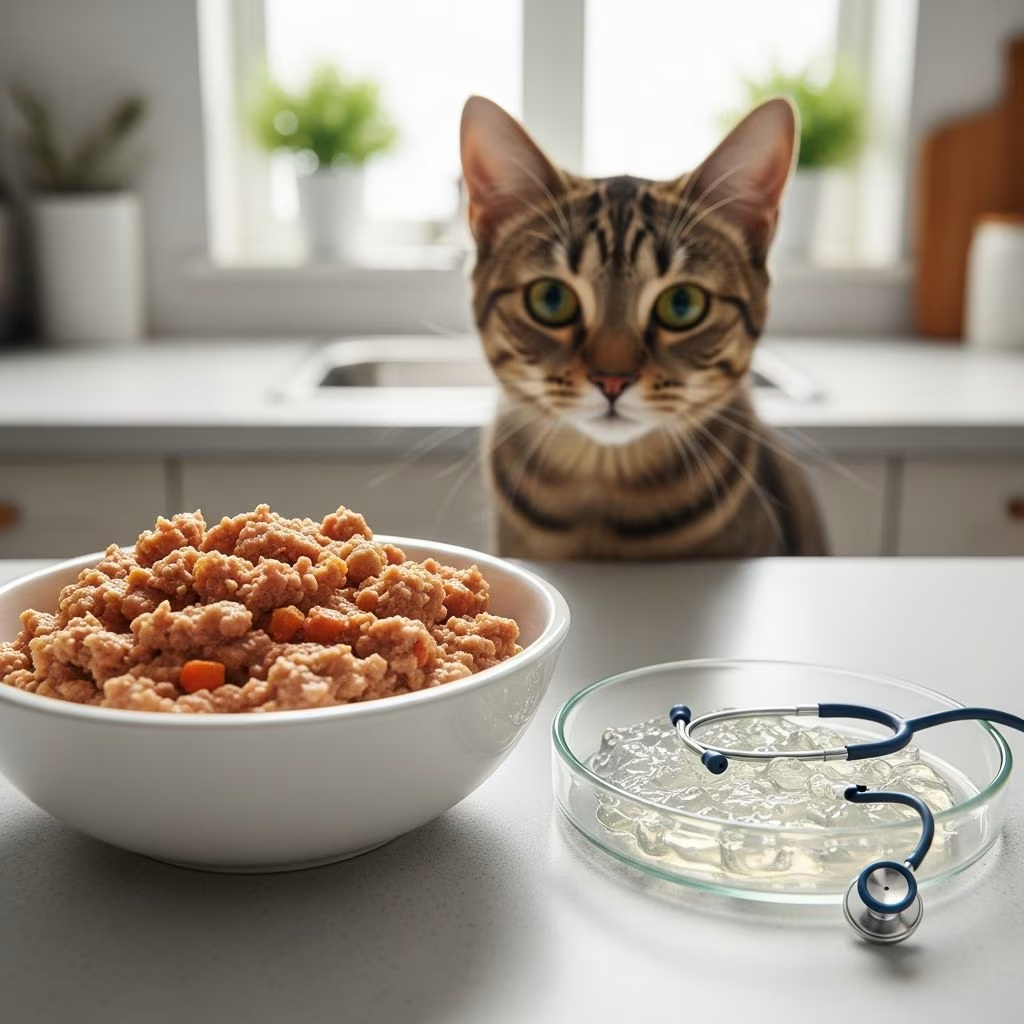
Carrageenan is a common additive in many wet cat foods, valued for its thickening properties derived from red seaweed. However, ongoing debates surround its safety, particularly regarding potential gastrointestinal issues in cats. This article examines its uses, benefits, risks, regulatory status, and alternatives to help cat owners make informed choices.
What Is Carrageenan?
**Carrageenan** is a natural polysaccharide extracted from red seaweed species like *Chondrus crispus*, *Eucheuma cottonii*, and *Kappaphycus alvarezii*. It functions as a gelling, thickening, and stabilizing agent in foods, giving wet cat food its appealing texture and preventing separation of ingredients.
There are three main types: kappa, iota, and lambda carrageenan, each with distinct gelling properties. Food-grade carrageenan, approved for pet and human consumption, is undegraded and purified. In contrast, **degraded carrageenan** (poligeenan), produced through harsh processing or stomach acid, is not permitted in food due to its inflammatory effects.
In cat food, carrageenan enhances palatability by creating a smooth, gel-like consistency that mimics fresh meat. It provides no nutritional value but improves product shelf life and appearance.
Why Is Carrageenan Used in Cat Food?
Manufacturers add carrageenan to wet cat foods for several practical reasons:
- Texture enhancement: It thickens gravies and pates, making food more enticing to picky eaters.
- Stabilization: Prevents water, fat, and proteins from separating during storage.
- Cost-effectiveness: A cheap alternative to natural binders like meat or agar-agar.
- Shelf stability: Maintains consistency without refrigeration until opened.
Approximately 70% of canned pet foods contain carrageenan, highlighting its widespread use despite alternatives existing.
Is Carrageenan Safe for Cats?
The safety of carrageenan remains controversial. Regulatory bodies like the FDA and EFSA approve food-grade carrageenan as safe for cats at levels up to 5% of the diet, based on studies showing no ulceration at those doses.
However, concerns arise from:
- Degradation in the stomach: Cats’ highly acidic stomachs (pH 1-2) may break down undegraded carrageenan into poligeenan, linked to inflammation.
- Lack of long-term feline studies: Most data comes from rodents or humans, with limited cat-specific research.
- Anecdotal reports: Owners note improvements in diarrhea, bloating, and IBD symptoms after elimination.
Veterinarians often recommend caution, especially for sensitive cats, as even trace degraded forms could pose risks.
Potential Health Risks of Carrageenan for Cats
Research highlights several potential issues:
- Gastrointestinal inflammation: Food-grade carrageenan triggers immune responses leading to gut irritation, lesions, and ulcers in animal studies.
- Inflammatory Bowel Disease (IBD): May exacerbate IBD in sensitive cats due to shorter digestive tracts (1-1.5 meters) and rapid transit, limiting buffering of degraded forms.
- Bloating and allergies: Some cats experience discomfort, though they can’t verbalize it.
- Cancer links: Prolonged inflammation is a precursor to colorectal issues; poligeenan is carcinogenic in lab animals.
- Microbiome disruption: May increase intestinal permeability (leaky gut) and alter beneficial bacteria.
| Risk | Evidence Level | Cat-Specific Notes |
|---|---|---|
| Inflammation | High (animal studies) | Higher sensitivity due to acidic stomach |
| IBD Worsening | Moderate (vet observations) | Improvements seen post-elimination |
| Cancer | Low (preclinical) | Prolonged exposure concern |
While not acutely toxic, cumulative effects worry experts, prompting many premium brands to remove it.
Disadvantages of Carrageenan
Beyond safety, carrageenan offers no benefits:
- Zero nutrition: Purely functional, adding no proteins, vitamins, or minerals.
- Processing concerns: Even ‘human-grade’ may contain trace poligeenan.
- Alternatives exist: Guar gum, xanthan gum, or meat-based thickeners are safer.
- Regulatory gaps: Approved despite evidence of harm in sensitive populations.
A 2013 Cornucopia Institute report detailed how carrageenan’s structure provokes inflammation, associating it with over 100 diseases via chronic gut stress.
Carrageenan vs. Other Thickeners
| Thickener | Source | Safety for Cats | Common Use |
|---|---|---|---|
| Carrageenan | Seaweed | Controversial | Wet food gravy |
| Guar Gum | Guar beans | Generally safe | Thickening |
| Xanthan Gum | Bacterial fermentation | Safe in moderation | Stabilization |
| Agar-Agar | Seaweed (non-carrageenan) | Safe alternative | Gelling |
Premium foods increasingly use these substitutes, proving carrageenan unnecessary.
Should Cats with Certain Health Conditions Avoid Carrageenan?
Yes, cats with pre-existing conditions should avoid it:
- IBD or chronic diarrhea: May worsen symptoms.
- Sensitive stomachs: Shorter GI tract heightens risks.
- Allergies or cancer history: Inflammation links raise concerns.
- Kittens/seniors: Immature or weakened systems more vulnerable.
Consult a vet before switching foods, as nutritional balance is key.
Can I Buy Cat Food Without Carrageenan?
Absolutely. Options include:
- Dry kibble: Rarely contains it.
- Carrageenan-free wet foods: Brands like Tiki Cat, Weruva, or Instinct use natural thickeners.
- Home-prepared: Use meat purees or agar for binding.
Check labels: Avoid ‘guar gum’ overload, ensuring meat is first ingredient. Vets can recommend AAFCO-compliant formulas.
Veterinarian Insights on Carrageenan
Vets note faster IBD improvements in cats after carrageenan removal, attributing it to reduced GI stress. While not all cats react, proactive avoidance benefits sensitive ones.
How to Transition Your Cat to Carrageenan-Free Food
- Mix new food gradually over 7-10 days.
- Monitor stool and appetite.
- Consult vet for health conditions.
- Prioritize high-protein, low-carb options.
Frequently Asked Questions (FAQ)
Is carrageenan safe for cats?
Food-grade carrageenan is approved but controversial due to degradation risks causing inflammation. Many vets recommend avoiding it.
Is degraded carrageenan safe for cats?
No, degraded carrageenan (poligeenan) is linked to gut inflammation and is unsafe.
Should cats with IBD avoid carrageenan?
Yes, it may worsen symptoms; elimination often improves condition.
Does dry cat food contain carrageenan?
Rarely, as it’s mainly for wet foods.
What are carrageenan-free cat food alternatives?
Dry foods, select wet brands like Ziwi Peak, or home-cooked with vet guidance.
References
- Why Carrageenan Isn’t Great for Cats and Dogs — Furry Green. 2023. https://furrygreen.hk/blogs/blog/why-carrageenan-is-bad-for-cats-and-dogs
- Carrageenan In Cat Food: Vet-Reviewed Uses, Safety & … — Catster. 2024. https://www.catster.com/nutrition/carrageenan-in-cat-food/
- Why Carrageenan Can Be Dangerous to your Pet — Truth About Pet Food. 2013. https://truthaboutpetfood.com/why-carrageenan-can-be-dangerous-to-your-pet/
- Carrageenan in Cat Food: 5 Facts You Should Know — Gino Biotech. 2023. https://ginobiotech.com/carrageenan-in-cat-food/
- Concerns – Carrageenan — AHASG. 2024. https://www.ahasg.com/concerns-Carrageenan.html
- What Is Carrageenan? Dangers and Side Effects — DrAxe.com. 2024. https://draxe.com/nutrition/what-is-carrageenan/



