

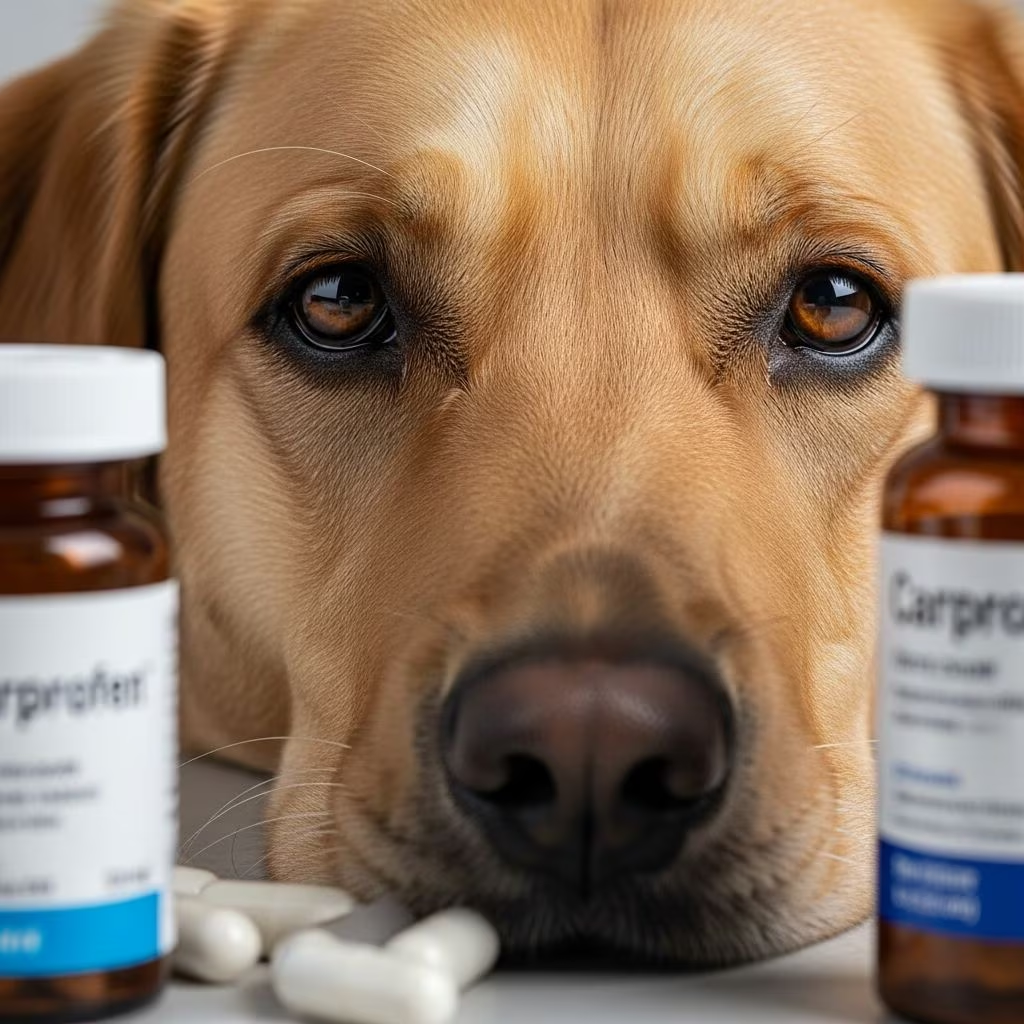
Carprofen, a widely prescribed non-steroidal anti-inflammatory drug (NSAID) for dogs, helps manage pain from arthritis, surgery, or injuries. However, excessive intake can lead to severe toxicity affecting the stomach, kidneys, and liver. This guide details symptoms, emergency responses, treatment options, and prevention measures to help pet owners respond swiftly.
Understanding Carprofen and Its Role in Canine Care
Carprofen targets COX-2 enzymes to reduce inflammation and pain without fully suppressing COX-1, which protects the stomach lining and supports kidney function. Despite its safety profile at therapeutic doses (typically 2-4 mg/kg daily), overdoses disrupt this balance, causing widespread organ stress.
Common brands include Rimadyl, Novox, and Quellin. It’s formulated as chewable tablets, caplets, or injections, making accidental access easy if storage is lax. Acute overdoses occur from eating pills, while chronic issues arise from prolonged high dosing or in dogs with pre-existing conditions like renal disease.
Recognizing Acute Overdose Symptoms
Signs appear rapidly after ingesting large amounts, often within hours. Gastrointestinal distress dominates initial presentations.
- Vomiting: Most frequent, seen in up to 78% of cases, sometimes with blood.
- Diarrhea: Often loose or bloody, signaling mucosal damage.
- Abdominal discomfort: Dogs may hunch, whine, or guard their belly.
- Lethargy: Reduced energy and responsiveness.
These emerge 2-4 hours post-ingestion. Monitor closely if you suspect exposure.
Signs of Chronic or Severe Toxicity
Prolonged exposure or massive overdoses (e.g., >20 mg/kg) delay symptoms to 48-72 hours, targeting organs differently.
| Organ System | Key Symptoms | Onset Time |
|---|---|---|
| Gastrointestinal | Black tarry stools (melena), inappetence, ulcers | Hours to days |
| Renal | Increased thirst/urination, dilute urine, failure | 2-3 days |
| Hepatic | Jaundice (yellow gums/eyes), elevated enzymes | Weeks or acute high dose |
| Neurological | Seizures, stupor, coma (rare, >281 mg/kg) | With extreme ingestions |
Idiosyncratic reactions, unrelated to dose, can mimic toxicity after normal use, often hitting the liver first.
Immediate Steps for Suspected Overdose
Do not induce vomiting at home—risk aspiration. Contact a vet or poison hotline immediately. Provide details: amount ingested, time, dog’s weight, and health history.
- Secure remaining medication.
- Rush to an emergency clinic if within 4 hours of ingestion.
- Avoid food/water until advised.
For chronic signs like appetite loss or bloody stool, halt the drug and consult your vet promptly.
Veterinary Treatment Protocols
Treatment focuses on decontamination, organ support, and monitoring.
Decontamination Methods
Within 2 hours: Induce emesis (e.g., apomorphine), followed by gastric lavage and activated charcoal to bind toxins. Multiple charcoal doses may be needed due to enterohepatic recirculation.
Supportive Therapies
- IV Fluids: Maintain hydration, support kidneys.
- GI Protectants: Sucralfate, omeprazole, misoprostol (for >20 mg/kg).
- Anti-emetics: Maropitant to control nausea.
- Monitoring: Bloodwork for liver/kidney values, urinalysis.
Hospitalization lasts 24-72 hours for severe cases, with dialysis rare for renal failure.
Dose-Dependent Outcomes
| Dose (mg/kg) | Expected Effects | Treatment Intensity |
|---|---|---|
| <20 | Mild GI upset | Outpatient, stop drug |
| 20-100 | Ulcers, mild organ stress | Hospitalize, protectants |
| >200 | Seizures, multi-organ failure | ICU, aggressive support |
Death reported at 536 mg/kg despite care.
Recovery Timeline and Prognosis
Effects wane in 1-3 days for healthy dogs post-treatment, longer (weeks) with organ damage. Liver/kidney patients clear slower.
- Day 1-2: GI symptoms resolve.
- Week 1: Normalize labs.
- Follow-up: Repeat bloodwork at 7-14 days.
Prognosis excels with early intervention; delays raise fatality risk.
Prevention Strategies for Safe Administration
Avoid tragedies through diligence.
- Store in locked cabinets; use pill organizers.
- Follow exact dosing: 2 mg/kg every 24 hours max.
- Give with food to buffer stomach.
- Annual bloodwork for long-term users, especially seniors.
- Avoid in dehydrated, renal/liver-impaired dogs.
Alternatives like gabapentin or tramadol suit high-risk pups.
Common Myths About Carprofen Safety
Myth 1: “Chewables are harmless if extra eaten.” Reality: Even 2-3x dose risks ulcers.
Myth 2: “Symptoms mean it’s too late.” Early signs allow full recovery.
Myth 3: “Only old dogs affected.” Any age/size vulnerable.
Frequently Asked Questions (FAQs)
What if my dog ate one extra pill?
Call vet; monitor for vomiting. Low risk under 2x dose, but professional advice essential.
Can carprofen cause seizures?
Yes, at massive overdoses (>281 mg/kg).
How to test for kidney damage post-overdose?
Urinalysis for casts, blood creatinine/BUN levels.
Is carprofen safe long-term?
With monitoring, yes; regular vet checks mitigate risks.
What home remedies work?
None—vet care only. Milk/charcoal without guidance harms.
Long-Term Management After Toxicity
Post-recovery, switch NSAIDs cautiously. Use hepatoprotectants like SAMe or silymarin if liver affected. Track weight/dose meticulously.
Educate families: Multiple dogs heighten bottle-chewing risks. Child-proofing benefits pets too.
References
- Rimadyl Overdose in Dogs: When to Be Concerned & What to Do — Dogster. 2023. https://www.dogster.com/ask-the-vet/rymadil-overdose-in-dogs
- Carprofen (Rimadyl, Novox, Quellin) Toxicity in Dogs — PetPlace. 2024-01-15. https://www.petplace.com/article/dogs/pet-health/carprofen-rimadyl-novox-quellin-toxicity-in-dogs
- Toxicology Brief: Managing acute carprofen toxicosis in dogs and cats — dvm360. 2022-05-10. https://www.dvm360.com/view/toxicology-brief-managing-acute-carprofen-toxicosis-dogs-and-cats
- Carprofen for Dogs — Pet Poison Helpline. 2025-03-20. https://www.petpoisonhelpline.com/pet-tips/carprofen-for-dogs/
- Carprofen — American College of Veterinary Pharmacists. 2024. https://vetmeds.org/pet-poison-control-list/carprofen/
- Carprofen Poisoning in Dogs — WagWalking. 2023-11-05. https://wagwalking.com/condition/carprofen-poisoning
- Successful management of severe carprofen toxicity with manual — PMC (PubMed Central). 2022-12-15. https://pmc.ncbi.nlm.nih.gov/articles/PMC9790471/



