

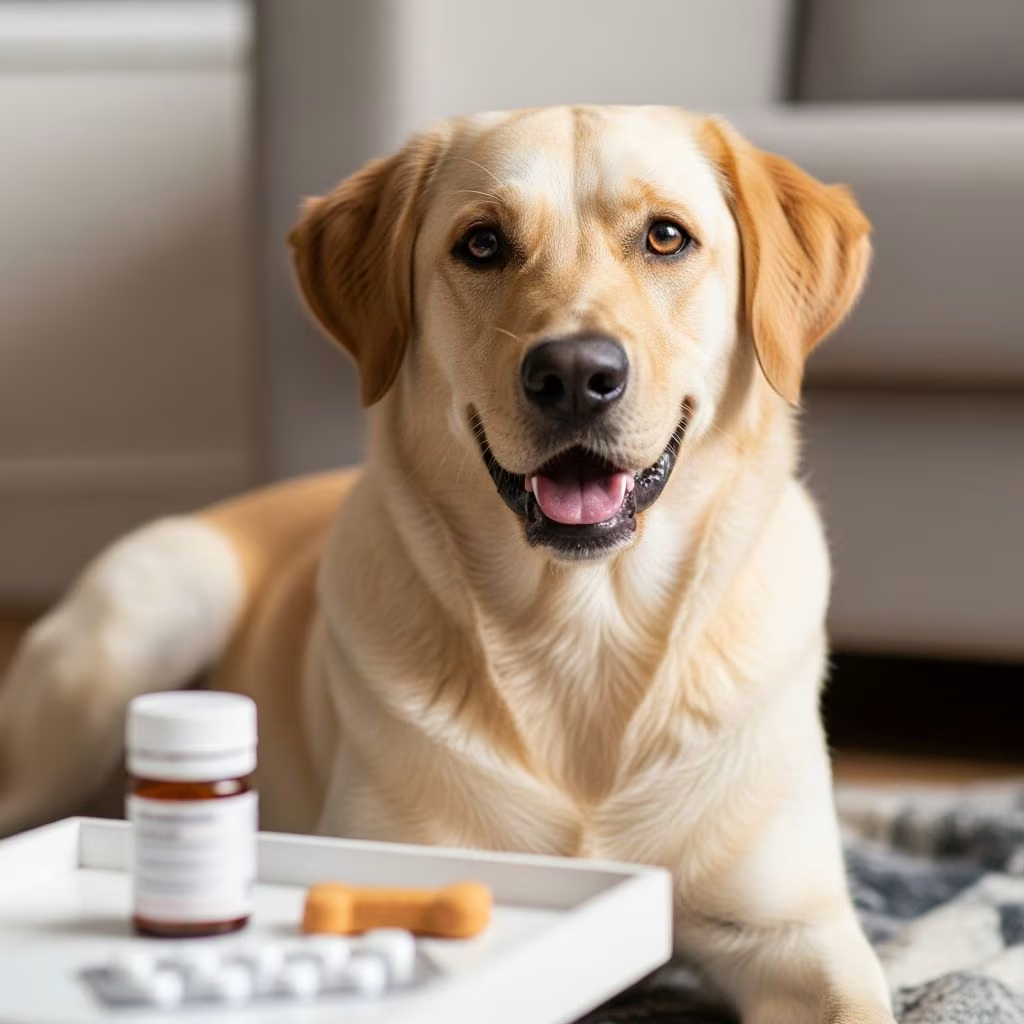
Carprofen, marketed under the brand name Rimadyl, serves as a nonsteroidal anti-inflammatory drug (NSAID) specifically formulated for canine use. It effectively alleviates pain and inflammation associated with conditions like osteoarthritis and post-surgical recovery, improving mobility and quality of life for many dogs.
What Is Carprofen and How Does It Work?
Carprofen belongs to the NSAID class, which reduces inflammation by inhibiting cyclooxygenase (COX) enzymes, particularly COX-2, responsible for producing prostaglandins that cause pain and swelling. Unlike human NSAIDs such as ibuprofen or aspirin, carprofen targets canine physiology more selectively, minimizing certain risks while still providing relief.
Veterinarians prescribe it for acute injuries, chronic joint diseases, and dental pain. Dogs often show improvement within days, regaining appetite and activity levels.
Common Conditions Treated with Carprofen
- Osteoarthritis and joint pain: Helps reduce stiffness and lameness in aging dogs.
- Post-operative recovery: Manages swelling and discomfort after surgeries like spays or orthopedic procedures.
- Soft tissue injuries: Eases pain from sprains or strains during physical activities.
- Dental issues: Controls inflammation from extractions or gum disease.
Over four million dogs in the U.S. benefit from this medication annually, highlighting its widespread veterinary endorsement when appropriately used.
Understanding Proper Dosage Guidelines
Dosage depends on the dog’s weight, condition severity, and form—chewable tablets, caplets, or injections. Typically, veterinarians recommend 2 mg per pound of body weight daily, split into two doses, for up to a few weeks acutely or longer under supervision.
| Dog Weight (lbs) | Daily Dose (mg) | Example: 25 mg Tablets |
|---|---|---|
| 10-20 | 20-40 | 1 tablet/day |
| 21-40 | 42-80 | 2 tablets/day |
| 41-60 | 82-120 | 3-5 tablets/day (split doses) |
Always follow veterinary instructions precisely; never adjust without consultation. Flavored chewables appeal to dogs, increasing overdose risk if accessible.
Recognizing and Managing Side Effects
Most dogs tolerate carprofen well, with side effects occurring infrequently. However, gastrointestinal issues dominate reports.
Frequent Mild Reactions
- Vomiting or nausea shortly after dosing.
- Diarrhea or soft stools.
- Reduced appetite or picky eating.
- Lethargy or mild weakness.
These often resolve by withholding food briefly or switching administration times. Persistent symptoms warrant immediate vet contact.
Serious Adverse Effects
Rarer but critical issues include organ damage from prolonged use. Liver enzyme elevations, kidney impairment, or gastrointestinal bleeding manifest as:
- Black, tarry, or bloody stools indicating ulcers.
- Yellowing of gums, skin, or eyes (jaundice) signaling liver stress.
- Increased thirst, urination changes, or urinary tract signs.
- Seizures, uncoordinated movement, or behavioral shifts like aggression.
Idiosyncratic reactions—sudden severe responses to a single dose—occur unpredictably, emphasizing vigilant monitoring.
Long-Term Use and Monitoring Protocols
For chronic conditions, regular veterinary check-ups are essential. Blood tests every 6-12 months assess liver and kidney function via enzymes like ALT and ALP.
Dogs at higher risk include seniors, those with pre-existing conditions (e.g., bleeding disorders, heart disease), or on concurrent medications. Avoid combining with other NSAIDs, steroids, or aspirin.
Preventing Overdose Incidents
Overdose symptoms mimic severe side effects: profuse vomiting (possibly bloody), extreme lethargy, abdominal pain, seizures, or organ failure.
- Store securely away from pets and children; flavored tablets resemble treats.
- Miss a dose? Give as soon as remembered unless near next; never double up.
- In overdose, seek emergency care immediately—activated charcoal or supportive therapy may be needed.
Who Should Avoid Carprofen?
Not suitable for all dogs. Contraindications include:
- Puppies under 6 weeks or breeding/pregnant females.
- Dogs with known NSAID sensitivity or prior reactions.
- Those with ulcers, liver/kidney disease, or dehydration.
Inform vets of all medications and health history before starting.
Exploring Safer Alternatives and Supplements
For dogs intolerant to carprofen, options exist:
| Alternative | Use Case | Pros | Cons |
|---|---|---|---|
| Other NSAIDs (e.g., meloxicam) | Similar pain relief | Potentially fewer GI issues | Similar organ risks |
| Gabapentin | Neuropathic pain | Low side effect profile | Sedation common |
| Joint supplements (glucosamine, omega-3s) | Mild arthritis | Natural, long-term safe | Slower onset |
| Acupuncture/laser therapy | Chronic pain | Non-drug | Costly, availability |
Integrative approaches like weight management and low-impact exercise complement medications.
Frequently Asked Questions (FAQs)
Can I give my dog carprofen without a vet prescription?
No. It’s prescription-only; self-administration risks improper dosing and undetected interactions.
How quickly does carprofen start working?
Effects begin within 1-2 hours, with peak relief in 24 hours; full benefits for inflammation may take days.
What if my dog vomits after taking carprofen?
Monitor; single instances are common, but repeated vomiting or blood requires stopping and calling your vet.
Is carprofen safe for senior dogs?
Yes, with monitoring; regular bloodwork detects early liver/kidney changes in older pets.
Can carprofen cause bloody stools?
Yes, indicating GI bleeding—emergency sign. Black, tarry stools signal internal hemorrhage.
Key Takeaways for Pet Owners
Carprofen transforms lives for dogs in pain but demands respect for its risks. Partner with your veterinarian for tailored plans, watch for early warning signs, and prioritize secure storage. Proactive care ensures benefits outweigh potential harms, supporting your dog’s active, joyful life.
References
- Rimadyl for dogs: usage, dosage and side effects — Fetch Pet Care. 2023. https://www.fetchpet.com/the-dig/rimadyl-for-dogs
- Rimadyl (Carprofen) for Dogs – Uses, Side Effects & Alternatives — American Kennel Club. 2024-01-15. https://www.akc.org/expert-advice/health/rimadyl-for-dogs/
- Is Rimadyl Bad for Dogs? — Pet Honesty. 2023. https://www.pethonesty.com/blogs/blog/is-rimadyl-bad-for-dogs
- Rimadyl Chewable Tablets — Coal Ridge Animal Hospital (Zoetis Package Insert). 2018-06. https://www.coalridge.com/wp-content/uploads/2018/06/Rimadyl.pdf
- Carprofen for Dogs: Uses, Dosage, Side Effects — GoodRx. 2025-05-20. https://www.goodrx.com/pet-health/dog/carprofen
- Carprofen for Dogs — VCA Animal Hospitals. 2024. https://vcahospitals.com/know-your-pet/carprofen
- RIMADYL for Dogs — Zoetis. 2025. https://www.zoetisus.com/products/petcare/rimadyl/



