

Understanding Carpal Hyperextension in Cats
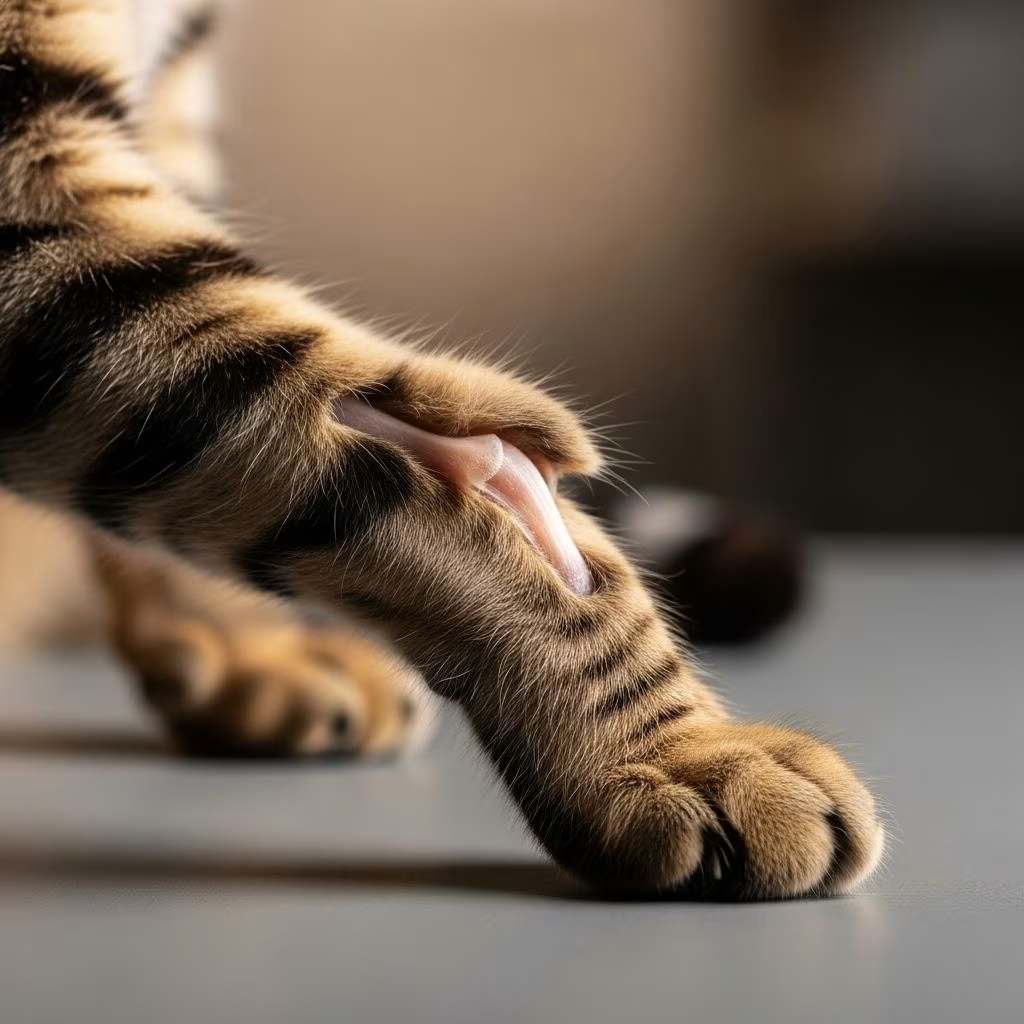
Carpal hyperextension in cats is a serious condition affecting the wrist joint, where the carpal joint bends abnormally backward, causing the paw to contact the ground in an unnatural flat-footed position. This orthopedic condition significantly impacts a cat’s mobility, comfort, and overall quality of life. The carpus, which is the feline equivalent of the human wrist, consists of small bones, ligaments, and tendons working together to provide flexibility and support. When hyperextension occurs, the supportive structures fail to maintain proper alignment, leading to chronic pain and functional impairment. Early recognition and appropriate intervention are essential for managing this condition and preventing long-term complications.
Causes of Carpal Hyperextension in Cats
Carpal hyperextension can develop from various underlying causes, each requiring specific diagnostic consideration and treatment approaches. Understanding the etiology is crucial for determining the most appropriate therapeutic strategy.
Traumatic Injuries
The most common cause of carpal hyperextension in cats is trauma to the wrist joint. High-impact injuries from falls, automobile accidents, or blunt force trauma can result in ligament tears and joint damage. These traumatic events often occur suddenly, and cat owners may notice an immediate change in their pet’s gait or reluctance to bear weight on the affected limb.
Congenital and Developmental Factors
Some cats are born with developmental predispositions to carpal hyperextension, where the ligamentous structures fail to develop properly. These congenital defects may manifest early in a kitten’s life or become increasingly apparent as the cat matures and places greater demands on the joint during normal activity.
Neurological Issues
Neurological conditions affecting nerve function can impair the cat’s ability to maintain normal wrist position and support. These conditions may result in loss of proprioception or motor control, leading to secondary hyperextension of the carpus.
Age-Related Degeneration
Older cats may develop carpal hyperextension due to age-related degenerative changes in the ligaments and cartilage. As cats age, the elastic properties of connective tissues diminish, and previous injuries may become symptomatic or worsen over time.
Clinical Signs and Symptoms
Recognizing the clinical manifestations of carpal hyperextension is essential for early intervention. The severity and progression of symptoms vary depending on the underlying cause and the degree of joint involvement.
Gait Abnormalities
The most distinctive sign of carpal hyperextension is an abnormal walking pattern. In mild cases, cats may walk with a noticeable limp or favor one front leg over the other, redistributing weight to the unaffected limb. In more severe cases, the wrist joint may visibly bend or press into the ground with each step, creating a flat-footed appearance that is immediately recognizable to observant owners.
Joint and Tissue Changes
As the condition progresses, physical changes become apparent in the affected area. Calluses or hairless patches may develop on the underside of the wrist due to abnormal ground contact. These areas can become irritated, infected, or develop pressure sores, particularly in severe cases where the wrist remains in hyperextension during weight-bearing.
Pain and Behavioral Changes
Cats with carpal hyperextension frequently display pain-related behaviors. You may observe vocalization during walking or when the affected area is touched, reluctance to move, or increased grooming of the wrist area due to discomfort. Behavioral changes often accompany physical symptoms, with previously active cats becoming noticeably more sedentary, spending increased time sleeping, and showing diminished interest in climbing, jumping, and interactive play. These behavioral shifts occur as cats attempt to avoid activities that exacerbate their discomfort.
Functional Limitations
Affected cats may demonstrate unwillingness to walk, refusal to eat or drink normally, and increased vocalization during routine activities. Some cats exhibit overgrooming behaviors focused on the affected wrist, and skin lesions or ulcers may develop where the wrist contacts the ground repeatedly.
Diagnosis of Carpal Hyperextension
Professional veterinary evaluation is essential for accurate diagnosis, as several conditions can mimic carpal hyperextension symptoms. A comprehensive diagnostic approach ensures that underlying injuries or concurrent conditions are identified.
Physical Examination
Your veterinarian will perform a thorough physical examination, assessing your cat’s gait, posture, and the degree of carpal extension. The veterinarian will palpate the affected joint, evaluating for pain responses, swelling, and joint stability. The presence of skin lesions, calluses, or pressure sores will be documented.
Imaging Studies
Radiographic imaging is typically required to confirm the diagnosis and rule out other injuries such as fractures. X-rays provide clear visualization of bone alignment and joint positioning. Advanced imaging techniques such as computed tomography or magnetic resonance imaging may be recommended in complex cases to evaluate soft tissue structures, including ligaments and tendons.
Treatment Options for Carpal Hyperextension
Treatment selection depends on the severity of the condition, underlying cause, and individual patient factors. A tailored approach combining multiple modalities often yields the best outcomes.
Conservative Management
For mild cases or as initial therapy, conservative management may be attempted, though studies indicate that most cases ultimately require surgical intervention.
Splinting and Bracing
External support devices can provide comfort and prevent further joint damage in mild to moderate cases. Custom-made or carefully fitted braces maintain proper carpal alignment while allowing some degree of normal movement. Recently, customized carpal supports have been developed that allow daily use and can be easily applied and removed without causing pressure sores from prolonged application. When splints or braces are used, regular monitoring of the skin underneath is essential to prevent complications.
Rest and Activity Modification
Restricting the cat’s movement during the acute phase helps prevent further joint damage. Creating a joint-friendly environment includes providing soft bedding in all resting areas, placing ramps or steps to eliminate the need for jumping, and ensuring food, water, and litter boxes are easily accessible without requiring climbing. Managing activity level is crucial—while some gentle exercise maintains muscle tone, excessive activity worsens the condition.
Physical Therapy and Rehabilitation
Structured rehabilitation programs strengthen muscles around the carpal joint, improving stability and function. These programs include controlled exercise, passive range of motion activities, and specific strengthening exercises. Feline-specific physical therapy protocols have demonstrated significant benefits in improving recovery outcomes.
Pain Management
Controlling pain is crucial for maintaining quality of life and encouraging appropriate activity levels. Veterinarians may prescribe anti-inflammatory medications, pain relievers, or joint supplements containing glucosamine, chondroitin, or manganese to reduce inflammation and support healing. Only medications specifically prescribed by your veterinarian should be used, as human pain medications can be toxic to cats.
Weight Management
Maintaining ideal body weight reduces stress on all joints, including the carpus. If your cat is overweight, a veterinary-supervised weight loss plan should be implemented as part of the overall treatment strategy. Even modest weight reduction can significantly improve joint health and comfort.
Supplementary Therapies
Cold laser therapy is a non-invasive treatment using infrared light waves to target damaged cells and tissues, reduce inflammation, enhance blood flow, and promote healing. This therapy is most beneficial when started soon after injury but can treat injuries up to two years old. Joint supplements containing whole-food-based vitamins and minerals can strengthen ligaments and reduce inflammation when coupled with other treatments.
Surgical Intervention
Most cases of carpal hyperextension require surgical intervention for optimal functional outcomes. Surgery has superior success rates compared to conservative management for stabilizing the joint and restoring weight-bearing capacity.
Carpal Arthrodesis
The preferred surgical treatment is carpal arthrodesis, a procedure that fuses the affected joint to eliminate abnormal motion and provide stability. In this technique, the ligaments typically cannot be repaired, so fusion creates a stable platform for weight-bearing. Full carpal arthrodesis fuses all joints if the entire carpus is affected, while partial carpal arthrodesis may preserve carpal flexion and extension if only the lower joints are involved and the antebrachiocarpal joint remains intact. While cats cannot climb or jump as high after surgery, they regain the ability to place weight on the affected leg and resume normal walking patterns.
Surgical Outcomes and Costs
Carpal arthrodesis performed by experienced orthopedic surgeons demonstrates high success rates. Surgical costs typically range from $1,500 to $7,000, with pet insurance potentially covering this procedure if carpal hyperextension is not a pre-existing condition.
Home Care and Management
Successful management of carpal hyperextension requires dedicated home care and environmental modifications. Creating an appropriate living space supports your cat’s recovery and comfort.
Environmental Modifications
Place soft bedding in all of your cat’s favorite resting spots to cushion the joints. Install ramps or steps to facilitate access to elevated areas without jumping, which strains affected joints. Position food, water, and litter boxes at ground level or on easily accessible surfaces.
Activity Management
Balance the need for gentle activity with protection from overuse. Encourage play sessions that don’t involve jumping or quick turns. Interactive toys that can be used while your cat rests in a comfortable position are ideal.
Device Care
If your veterinarian prescribes braces or splints, follow all instructions carefully. Check the skin daily for signs of irritation or pressure sores, keep devices clean and dry, and report any problems immediately.
Monitoring and Communication
Maintain a journal documenting changes in mobility, comfort level, and any signs of pain or discomfort. This information is invaluable during follow-up veterinary appointments and helps track your cat’s progress. Regular follow-up evaluations allow your veterinarian to assess treatment effectiveness and make adjustments as needed.
Emotional Support
Cats with mobility issues may experience frustration or anxiety as they adjust to limitations. Provide extra affection, reassurance, and a calm, predictable environment to reduce stress. Your positive attitude and patience significantly influence your cat’s emotional well-being during recovery.
Frequently Asked Questions
Q: Can carpal hyperextension in cats heal on its own?
A: Mild cases might improve slightly with rest, but most instances require veterinary intervention. Without proper treatment, the condition typically worsens over time, leading to chronic pain and progressive mobility loss. Professional assessment is essential to determine the appropriate treatment strategy for your individual cat.
Q: Is carpal hyperextension painful for cats?
A: Yes, carpal hyperextension causes significant pain, particularly as the condition progresses. Cats may vocalize during walking, show reluctance to move, and display behavioral changes indicating discomfort. Appropriate pain management is an essential component of treatment.
Q: Will my cat be able to climb and jump after surgery?
A: While cats may not climb or jump as high as before surgery, successful carpal arthrodesis restores their ability to walk normally and place weight on the affected leg without pain. Most cats adapt well to their post-surgical mobility and maintain good quality of life.
Q: How long is the recovery period after carpal arthrodesis surgery?
A: Recovery timelines vary, but most cats show significant improvement within 6-8 weeks following surgery. Complete healing and remodeling of the fused joint may continue for several months. Your veterinarian will provide specific post-operative care instructions and activity restrictions.
Q: What is the prognosis for cats with carpal hyperextension?
A: With appropriate treatment, the prognosis is generally good to excellent. Surgical intervention provides the most predictable outcomes, restoring normal weight-bearing capacity and significantly improving quality of life. Early diagnosis and intervention lead to better long-term results.
Q: Can carpal hyperextension affect both front legs?
A: Yes, carpal hyperextension can affect one or both front legs. Bilateral involvement may occur from traumatic injuries, developmental conditions, or neurological issues. Your veterinarian will assess both limbs during examination and adjust treatment accordingly.
References
- Carpal Hyperextension in Cats: 5 Proven Treatments to Help — The Pet Vet. 2024. https://thepetvet.com/carpal-hyperextension-in-cats/
- Carpal Hyperextension in Cats: Symptoms, Causes & Treatments — Rover Blog. 2024. https://www.rover.com/blog/cat-carpal-hyperextension/
- Carpal Hyperextension | Oakdale Veterinary Group — Oakdale Veterinary Group. 2024. https://www.oakdaleveterinarygroup.com/service/orthopedic-referrals/carpal-hyperextension
- Carpal Hyperextension (Feline) – Manchester Veterinary Specialists — Manchester Veterinary Specialists. 2024. https://www.mvsvets.co.uk/pet-owners/carpal-hyperextension-feline/
- Carpal Hyperextension in Cats – Symptoms, Causes, Diagnosis — Wag Walking. 2024. https://wagwalking.com/cat/condition/carpal-hyperextension
- Management of feline carpal injuries: What are the options and outcomes? — PubMed Central. 2024. https://pmc.ncbi.nlm.nih.gov/articles/PMC10814143/
- Carpal Hyperextension Injury — Animal Surgical Center of Michigan. 2024. https://www.animalsurgicalcenter.com/carpal-hyperextension-injury



