

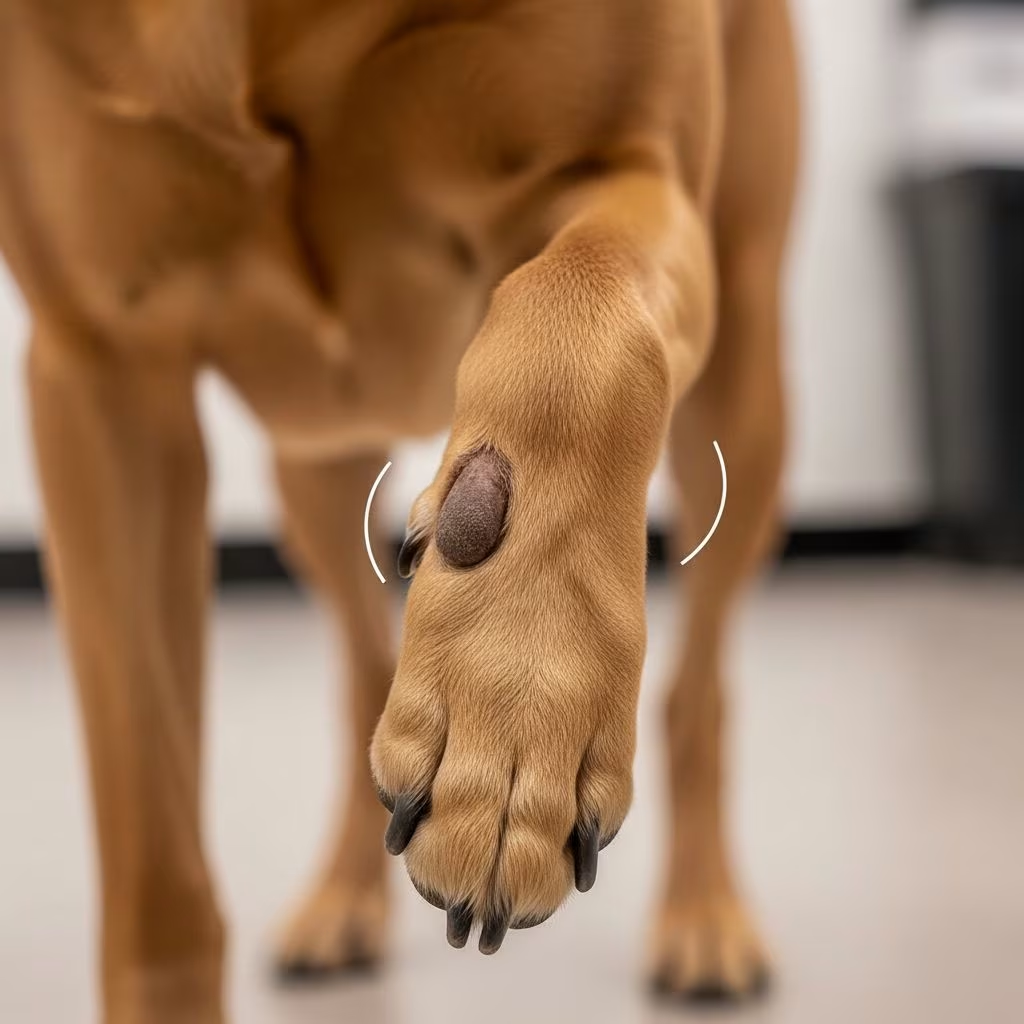
Understanding Carpal Hyperextension in Dogs
Carpal hyperextension is a condition affecting the wrist joint (carpus) in dogs where the joint bends backward or collapses downward abnormally. This condition occurs when the ligaments supporting the carpal joint become damaged or fail to develop properly, resulting in joint instability. The carpus is a complex structure composed of multiple small bones held together by ligaments that normally prevent excessive backward bending of the wrist. When these supporting structures are compromised, the joint can hyperextend or collapse, causing pain, lameness, and functional impairment in affected dogs.
What Causes Carpal Hyperextension?
Carpal hyperextension in dogs can develop through several different mechanisms, each requiring a specific approach to treatment and management. Understanding the underlying cause is essential for determining the most appropriate course of action for your dog’s condition.
Traumatic Injuries
One of the most common causes of carpal hyperextension is traumatic injury to the wrist joint. This may result from acute accidents, falls, collisions, or other sudden trauma to the front limb. When a dog experiences a significant injury to the carpus, the ligaments supporting the joint can be stretched, partially torn, or completely ruptured. This traumatic damage can occur suddenly, and affected dogs often show immediate signs of pain and lameness.
Ligament Rupture
Ligament rupture, particularly affecting the palmar ligaments on the underside of the wrist, is a primary cause of carpal hyperextension. The palmar ligaments play a crucial role in preventing the wrist from bending backward. When these ligaments tear, the joint loses its structural support and stability, allowing abnormal movement patterns to develop. Ligament rupture can occur as a result of direct trauma or may develop gradually through chronic stress on the joint.
Developmental Hyperextension
Some dogs develop carpal hyperextension during puppyhood due to developmental factors. This type of hyperextension may be related to nutritional deficiencies, particularly inadequate calcium and phosphorus intake, or other metabolic conditions affecting bone and ligament development. Developmental hyperextension typically manifests as the puppy grows and may improve with proper nutrition and exercise management.
Age-Related Factors
Older dogs may develop carpal hyperextension due to degenerative changes in the joint. Chronic wear and tear on the carpus, combined with age-related weakening of ligaments and joint cartilage, can lead to progressive instability and hyperextension. This degenerative form of the condition often develops gradually over time.
Clinical Signs and Symptoms
Dogs with carpal hyperextension present with varying clinical signs depending on whether the condition developed acutely or has been present for an extended period. Recognizing these signs is important for early intervention and appropriate management.
Acute Presentation
When carpal hyperextension results from a recent injury or trauma, dogs typically exhibit immediate and noticeable symptoms. These signs include:
– Lameness or limping on the affected front leg
– Visible pain when bearing weight on the leg
– Reluctance to use the injured limb
– Swelling and inflammation around the wrist joint
– Sensitivity to touch in the affected area
Chronic Presentation
In cases where carpal hyperextension has been present for an extended period, the clinical presentation may differ. Dogs with chronic hyperextension often show:
– Visible thickening of tissue around the joint (fibrous thickening)
– Reduced range of motion in the wrist
– Chronic lameness that may worsen with activity
– Reluctance to engage in strenuous exercise
– Visible backward bending of the wrist when standing or walking
Diagnosis of Carpal Hyperextension
Accurate diagnosis of carpal hyperextension involves a comprehensive evaluation combining physical examination and advanced diagnostic imaging. Veterinarians use a systematic approach to confirm the condition and assess its severity.
Physical Examination
The diagnostic process begins with a thorough orthopedic examination. Your veterinarian will observe your dog’s stance and gait, assessing weight distribution and any visible abnormalities. The wrist joint will be gently palpated to evaluate for pain, swelling, heat, and abnormal movement patterns. The veterinarian will assess the range of motion in the joint and test for ligament laxity or instability. During this examination, your dog’s response to manipulation of the wrist will help determine the severity of the condition.
Radiographic Imaging
X-rays (radiographs) are essential for confirming carpal hyperextension and ruling out other conditions such as fractures or bone abnormalities. X-rays are typically taken under sedation or general anesthesia to ensure proper positioning of the leg and to keep your dog comfortable during the procedure. Sedation is particularly important because manipulation of a painful joint can cause significant discomfort. Under anesthesia, veterinarians can position the limb properly to obtain high-quality diagnostic images that clearly show the extent of hyperextension and any associated bony changes.
Advanced Imaging
In some cases, advanced diagnostic imaging such as computed tomography (CT) or magnetic resonance imaging (MRI) may be recommended. These imaging modalities provide detailed three-dimensional views of the joint structures, ligaments, and surrounding tissues, helping veterinarians make more precise surgical planning decisions.
Treatment Options for Carpal Hyperextension
Treatment for carpal hyperextension depends on multiple factors including the underlying cause, severity of the condition, age of the dog, body weight, and overall health status. Treatment approaches range from conservative management to surgical intervention.
Conservative Management
Conservative (non-surgical) management may be appropriate for certain cases, particularly developmental hyperextension in puppies or low-grade sprain injuries in smaller dogs.
Puppies with Developmental Hyperextension
In puppies, carpal hyperextension often resolves with appropriate nutrition and controlled exercise. Ensuring adequate intake of high-quality protein, calcium, and phosphorus supports proper bone and ligament development. Veterinarians may recommend a balanced growth diet formulated for large-breed puppies if applicable. Exercise should be controlled and age-appropriate, avoiding excessive jumping or strenuous activity that could stress developing joints.
Small Dogs and Immobilization
For dogs weighing less than 20 pounds with carpal hyperextension, immobilization using casts, splints, bandages, or braces may help avoid surgical correction. These supportive devices stabilize the wrist joint, reducing movement and allowing scar tissue to form over the injury. However, it’s important to understand that conservative management often results in chronic joint instability and may lead to arthritis development over time.
Medications
Dogs with carpal hyperextension may benefit from oral non-steroidal anti-inflammatory drugs (NSAIDs) such as carprofen. These medications can be used short-term to manage acute pain and inflammation or long-term for chronic conditions, depending on your dog’s pain level and overall health. If NSAIDs are not suitable or insufficient, alternative pain medications such as gabapentin or tramadol may be recommended by your veterinarian.
Physical Therapy and Rehabilitation
Physical therapy and rehabilitative exercise play important roles in managing carpal hyperextension. Therapeutic modalities including physiotherapy, hydrotherapy, acupuncture, and laser therapy can help reduce pain and inflammation while promoting healing and maintaining joint function. A certified canine rehabilitation therapist can design an individualized exercise program tailored to your dog’s specific needs and condition.
Surgical Management
Surgery is considered the definitive treatment for most cases of carpal hyperextension, particularly for dogs with complete ligament tears, fractures, or severe joint instability. The standard surgical procedure is called carpal arthrodesis, which involves fusing the carpal joints to prevent further hyperextension.
Carpal Arthrodesis Procedure
During carpal arthrodesis, the veterinary surgeon removes the articular cartilage from the affected joint surfaces and uses specialized plates and screws to fuse the bones together. This procedure prevents the wrist from bending backward while maintaining some degree of forward motion necessary for normal locomotion. The fusion process typically takes 8 to 12 weeks to complete as the bone heals and solidifies across the joint.
Partial vs. Pancarpal Arthrodesis
Depending on the extent of hyperextension and instability, your surgeon may recommend partial carpal arthrodesis, where only two of the carpal joints are fused, or pancarpal arthrodesis, where all the carpal joints are fused. Pancarpal arthrodesis provides more complete stabilization and is often recommended for severe or bilateral cases. The choice between these surgical options depends on the specific anatomy of your dog’s injury and the surgeon’s assessment.
Post-Surgical Management
After carpal surgery, strict activity restriction is essential during the healing phase. Your veterinarian will provide detailed post-operative care instructions including pain management, wound care, and activity limitations. Radiographs are taken periodically to monitor the fusion process. Once X-rays confirm solid fusion of the carpal joint, support can be gradually removed and your dog can slowly return to normal activity levels. Physical therapy and rehabilitation exercises may be recommended to restore strength and function to the limb.
Prognosis and Long-Term Outcomes
The prognosis for dogs treated with carpal arthrodesis is generally favorable. Research studies demonstrate that approximately 74% of dogs who undergo pancarpal arthrodesis return to normal walking and running ability. Additionally, 97% of dog owners in clinical studies reported satisfaction with their dog’s recovery and functional outcome following surgery. Dogs treated with partial carpal arthrodesis show similar levels of owner satisfaction and return to normal gait. With appropriate surgical technique and post-operative management, most dogs can return to their pre-injury activity levels and enjoy good quality of life.
Frequently Asked Questions
Q: Can carpal hyperextension in dogs heal on its own?
A: Complete healing without intervention is unlikely for most cases of carpal hyperextension, particularly those caused by ligament rupture. While puppies with developmental hyperextension may improve with proper nutrition, and very small dogs may benefit from immobilization, most cases require surgical intervention for optimal long-term outcomes.
Q: What is the cost of carpal hyperextension surgery in dogs?
A: Surgical costs typically range from $1,000 to $5,000 depending on the complexity of the procedure, whether partial or pancarpal arthrodesis is performed, your geographic location, and the specific veterinary facility. Additional costs may include pre-operative diagnostics, anesthesia, and post-operative rehabilitation.
Q: How long does recovery take after carpal arthrodesis?
A: Initial healing typically takes 8 to 12 weeks for fusion of the carpal joints. However, complete recovery and return to normal activity may take several months. Strict activity restriction is necessary during the initial healing phase, with gradual return to normal activity as the joint fuses and heals.
Q: Can both front legs be affected by carpal hyperextension?
A: Yes, carpal hyperextension can affect both front legs (bilateral carpal hyperextension). This may occur with certain developmental conditions or following traumatic injuries affecting both wrists. Bilateral cases may require staged surgery on each leg or simultaneous surgical intervention depending on your surgeon’s recommendation.
Q: Will my dog develop arthritis after carpal surgery?
A: While fusing the carpal joint prevents hyperextension, some dogs may develop mild arthritis in adjacent joints over time. However, most dogs maintain good long-term function and quality of life. Maintaining healthy weight, providing appropriate exercise, and using joint supplements may help minimize arthritis development.
Q: Are there non-surgical alternatives to carpal arthrodesis?
A: Non-surgical alternatives including supportive bracing, physical therapy, and medications may be considered for mild cases or dogs that are poor surgical candidates. However, these conservative approaches often result in chronic instability and limited long-term success compared to surgical intervention.
References
- Carpal Hyperextension in Dogs: Causes, Symptoms, Treatment — Toe Grips. 2025. https://toegrips.com/carpal-hyperextension-in-dogs/
- Carpal Hyperextension Injury and Current Treatments in Canines — Dog Leggs. 2025. https://www.dogleggs.com/blog/carpal-hyperextension-injury-and-current-treatments-in-canines/
- Carpal Hyperextension — Fitzpatrick Referrals. 2025. https://www.fitzpatrickreferrals.co.uk/orthopaedics/carpal-hyperextension/
- Carpal Hyperextension in Dogs: Causes, Signs & Treatment — WIMBA Vet. 2025. https://wimba.vet/carpal-hyperextension/
- Dog Wrist Injuries: Sprains, Carpal Hyperextension Treatment Guide — OrthoDog. 2025. https://orthodog.com/blogs/sit-stay-heal/how-to-identify-and-treat-sprains-canine-carpal-hyperextension-and-other-common-wrist-injuries-in-dogs
- Carpal Hyperextension — Manchester Veterinary Specialists. 2025. https://www.mvsvets.co.uk/pet-owners/carpal-hyperextension/
- Carpal Hyperextension Injury — Animal Surgical Center of Michigan. 2025. https://www.animalsurgicalcenter.com/carpal-hyperextension-injury



