

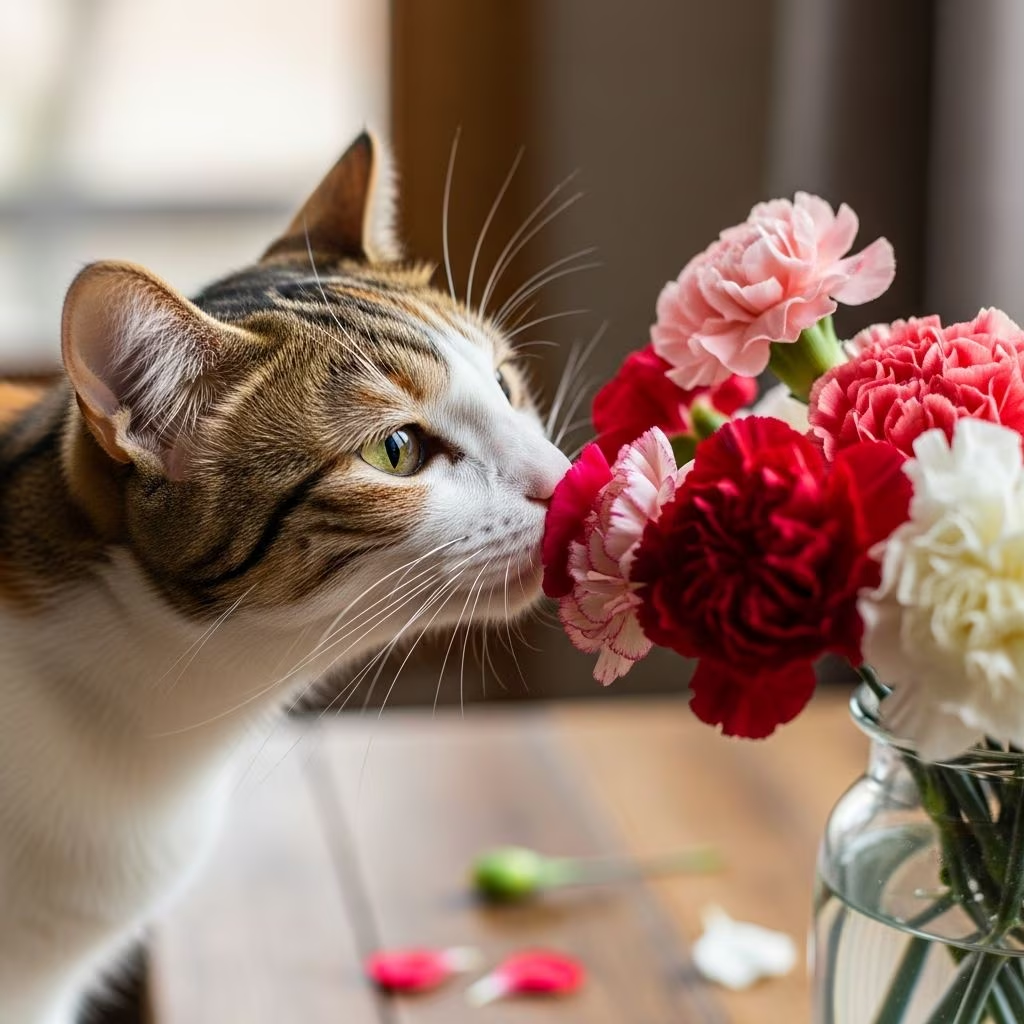
Carnations, with their vibrant hues and layered petals, brighten many homes and celebrations, but they present a hidden hazard for cat owners. These flowers contain compounds that irritate a cat’s digestive system and skin, leading to uncomfortable though typically non-life-threatening effects. Understanding this risk helps pet guardians create safer environments.
Understanding the Hidden Dangers in Everyday Blooms
Cats explore their surroundings with curiosity, often nibbling on plants out of instinct or boredom. Carnations belong to the Dianthus family, and their sap harbors irritants like triterpenoid saponins, which disrupt feline physiology. Unlike deadly lilies, carnations cause milder reactions, but even brief contact warrants caution.
The plant’s appeal—fragrant and long-lasting—masks its potential to provoke gastrointestinal upset or dermal reactions. Indoor cats, confined to homes filled with bouquets, face higher exposure risks during holidays or gifts. Awareness empowers owners to intervene promptly.
Which Components of Carnations Threaten Felines?
Every segment of the carnation plant carries risk: petals scatter easily, stems provide chewable texture, leaves brush against fur, and pollen clings to inquisitive noses. The exact toxic agent remains unidentified in some analyses, but consistent patterns of irritation point to sap-based compounds affecting mucous membranes and skin.
- Petals: Most accessible, often the first target for playful bats or bites.
- Stems and Leaves: Tougher but capable of causing prolonged mouth discomfort.
- Pollen: Transfers via grooming, sparking dermatitis on sensitive paws or faces.
- Mini Varieties: Equally hazardous despite smaller size, common in mixed arrangements.
No part proves entirely benign; total avoidance remains the safest strategy.
Recognizing Early Warning Signs of Exposure
Should your cat encounter carnations, symptoms emerge swiftly, usually within hours. Vigilance prevents escalation from mild annoyance to dehydration or secondary issues. Key indicators include:
| Symptom | Description | Severity |
|---|---|---|
| Vomiting | Frequent expulsion of stomach contents, sometimes with plant fragments | Mild to Moderate |
| Diarrhea | Loose, watery stools leading to fluid loss | Mild |
| Drooling | Excessive saliva from oral irritation | Mild |
| Skin Redness | Itching, paw licking, or inflamed areas post-contact | Mild |
| Lethargy | Reduced activity, hiding, or disinterest in food | Moderate if prolonged |
These align across veterinary observations, emphasizing gastrointestinal dominance.
Immediate Response: Steps to Protect Your Cat
Discovery of chewed petals demands quick action. First, isolate the plant: relocate bouquets to high shelves or sealed rooms, vacuum fallen debris thoroughly. Prevent re-exposure, as felines repeat appealing behaviors.
Monitor closely for 24-48 hours. Mild cases resolve naturally as irritants pass, but persistent vomiting signals veterinary needs. Hydration support via fresh water or electrolyte solutions aids recovery at home.
- Remove all plant material from reach.
- Wipe your cat’s mouth and paws gently with a damp cloth.
- Observe for escalating symptoms like repeated vomiting.
- Contact a vet or poison hotline if concerned.
Veterinary Interventions for Carnation Ingestion
Clinics prioritize decontamination and symptom relief. Vets may administer anti-emetics to curb nausea, subcutaneous fluids for hydration, or activated charcoal if ingestion volume justifies. Diagnostics like bloodwork rule out complications in sensitive cats.
Prognosis shines positive: most recover fully within 1-2 days without hospitalization. Rare severe cases involve extended GI upset, treatable with hospitalization. Early intervention minimizes distress.
Broader Context: Carnations’ Effects on Other Pets
Dogs mirror cats in mild responses—vomiting and drooling—but show less sensitivity. Horses face similar low-level threats. Multi-pet homes must extend precautions universally, favoring bouquet-free zones.
Creating a Cat-Friendly Floral Environment
Swap risky blooms for verified safe options, ensuring lasting beauty without peril. Consult ASPCA lists for guidance.
- Sunflowers: Cheerful giants, toxin-free in moderation.
- Roses: Petals safe; thorns pose mechanical risk only.
- Orchids: Elegant, non-irritating for nibbles.
- Eucalyptus: Aromatic foliage, generally harmless.
- Daisies (certain types): Double-check varieties for safety.
Incorporate deterrents: citrus sprays repel plant-curious cats, vertical gardens elevate temptations, and interactive toys redirect energy.
FAQs: Common Questions on Carnations and Cats
Do carnations harm cats if merely sniffed?
Scent alone poses no toxicity, but proximity invites pollen contact or petal nips. Maintain distance to avoid issues.
Are dried carnations safer for curious cats?
No—toxins persist in withered forms, potentially concentrating during dehydration.
How much carnation triggers symptoms?
Even trace amounts suffice for irritation; individual tolerance varies.
Can allergies mimic carnation reactions?
Possible overlap with dermatitis, but GI signs pinpoint plant origin. Vet differentiation clarifies.
What flowers guarantee cat safety?
Prioritize ASPCA-approved like snapdragons or marigolds; always verify.
Preventive Habits for Lasting Pet Wellness
Proactive measures transform homes into havens. Label vases “cat-free,” educate gift-givers on risks, and stock pet-safe pots with catnip or wheatgrass for healthy chewing. Routine checks catch budding issues early.
Expand beyond carnations: audit all greenery quarterly. Apps tracking toxic plants aid on-the-go decisions. Informed guardianship fosters joyful coexistence amid nature’s allure.
Seasonal spikes—Valentine’s, Mother’s Day—heighten vigilance. Custom policies, like flower subscriptions excluding hazards, sustain aesthetics safely.
References
- Are Carnations Toxic to Cats? — Kinship, Dr. Bartley Harrison, DVM. 2023. https://www.kinship.com/cat-health/are-carnations-toxic-to-cats
- Toxic and Non-toxic Plants: Wild Carnation — ASPCA. Accessed 2026. https://www.aspca.org/pet-care/aspca-poison-control/toxic-and-non-toxic-plants/wild-carnation
- Can Cats Eat Carnations? Vet-Reviewed Facts & Alternatives — Hepper. 2024. https://articles.hepper.com/can-cats-eat-carnations/
- Are Carnations Toxic To Cats? Vet-Reviewed Health — Catster. 2024. https://www.catster.com/cat-health-care/are-carnations-toxic-to-cats/
- Carnation Poisoning in Cats – Symptoms, Causes — WagWalking. 2023. https://wagwalking.com/cat/condition/carnation-poisoning
- Non-Toxic Flowers for Cats — Veterinary Specialty Hospital Roseville. 2024. https://www.vshroseville.com/blog/non-toxic-flowers-for-cats



