

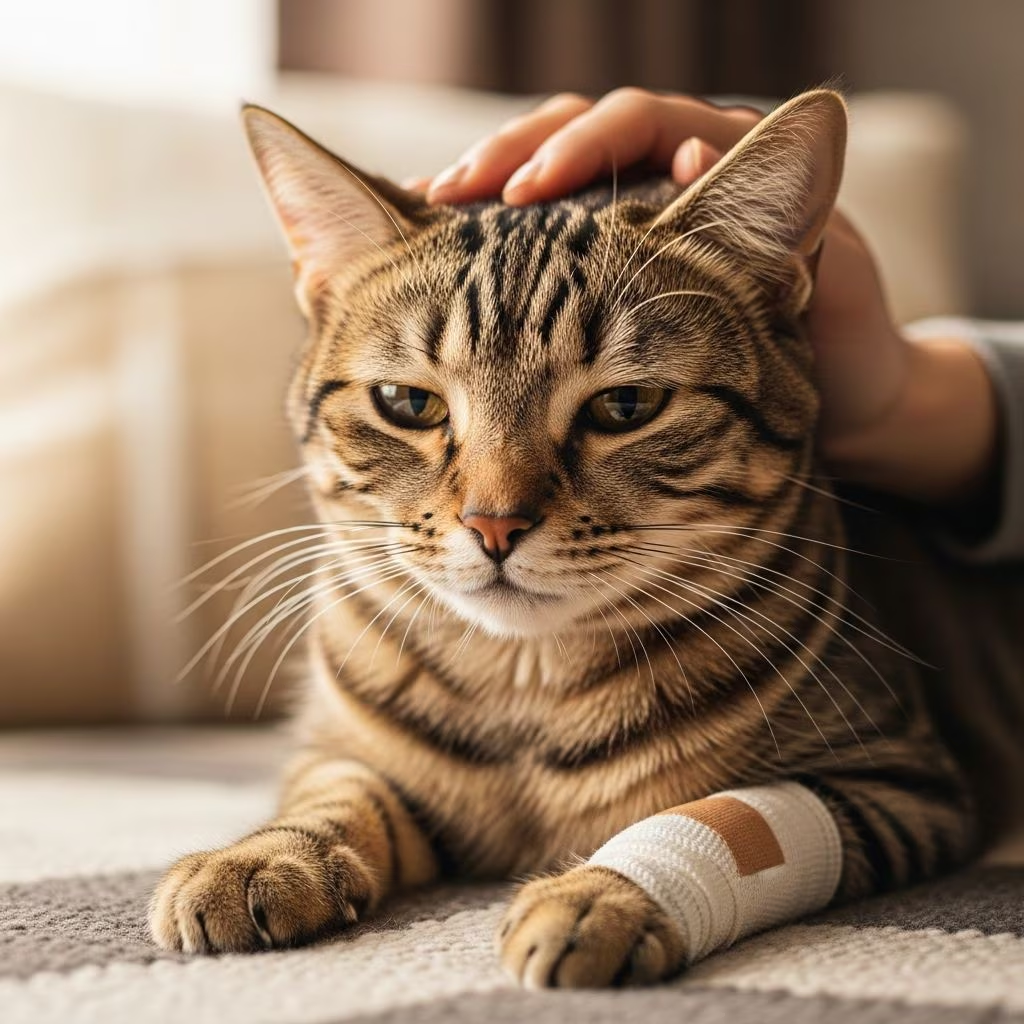
Cat injuries can happen unexpectedly, from playful scratches to serious fights or accidents. Quick action is vital to minimize pain, prevent infection, and promote healing. This guide outlines essential steps for immediate response, home care, and professional treatment, helping your feline companion recover swiftly.
Recognizing Common Cat Injuries
Cats often sustain wounds from territorial disputes, falls, or encounters with wildlife. Common issues include superficial scratches, puncture bites that lead to abscesses, lacerations exposing tissue, and abrasions from rough surfaces. Bite wounds are particularly risky due to bacteria in feline mouths, often causing deep infections. Watch for limping, hiding, aggression when touched, or excessive grooming as early indicators.
Assessing the Injury: First Steps
Stay calm to avoid stressing your cat further. Gently restrain them in a quiet space using a towel if needed. Examine the injury without forcing movement.
- Bleeding: Apply firm pressure with sterile gauze or a clean cloth for 10-15 minutes. Elevate the limb if possible.
- Swelling or pus: Indicates potential abscess; do not squeeze.
- Depth: Superficial wounds may heal at home; deep punctures, exposed bone, or heavy bleeding require immediate vet attention.
- Pain signs: Vocalizing, dilated pupils, or rapid breathing signal urgency.
If bleeding doesn’t stop, the cat is lethargic, or wounds gape open, rush to an emergency vet.
Building Your Cat First Aid Kit
Prepare in advance with these essentials for minor care:
| Item | Purpose |
|---|---|
| Sterile saline or warm water | Cleaning wounds safely |
| Sterile gauze and cotton pads | Applying pressure, gentle wiping |
| Non-stick bandages, rolled gauze, CoFlex | Layered dressing |
| Medical gloves | Hygiene during handling |
| Recovery cone (e-collar) | Preventing licking |
| Clippers and sterile lubricant | Removing fur around wound |
Stock these from pet stores or pharmacies; avoid hydrogen peroxide or alcohol, which damage tissue.
Cleaning and Treating Minor Wounds at Home
For shallow cuts without heavy contamination:
- Clip fur around the area using lubricant to prevent debris entry.
- Flush with saline (1 tsp salt per quart warm water) or tap water, pressing gently to remove dirt—never scrub.
- Pat dry with sterile gauze.
- Apply a thin antibiotic ointment only if vet-approved; cover with non-adherent dressing if needed.
Monitor daily: Pink granulation tissue signals healing; black or foul-smelling areas need professional debridement.
Proper Bandaging Techniques
Bandages protect but must be applied correctly to avoid complications like swelling or slippage. Vets often demonstrate for complex cases. Layers include:
- Contact layer: Non-stick pad over wound.
- Absorbent layer: Cotton padding for fluid.
- Support layer: Rolled gauze.
- Outer layer: Self-adhering wrap like CoFlex.
Keep dry, change daily or as instructed, and use an e-collar. Check paws for coolness or swelling—remove only if instructed.
Preventing Licking and Further Damage
Cats instinctively lick wounds, introducing bacteria and delaying recovery. Use an Elizabethan collar immediately post-injury or surgery. Alternatives include t-shirts, cat suits, or bitter sprays for small areas. Ensure the cone fits snugly without restricting breathing; adjust only under vet guidance.
Medication Management and Pain Relief
Follow vet prescriptions precisely for antibiotics, pain meds, or anti-inflammatories. Never use human drugs like ibuprofen, toxic to cats. Administer with food if possible, tracking doses in a log. Discuss side effects or missed doses promptly.
Monitoring Recovery Progress
Observe twice daily:
- Improvement signs: Reduced swelling, clean wound edges, normal appetite.
- Warning signs: Fever (over 103°F), pus, foul odor, lethargy, refusal to eat—call vet immediately.
Keep indoors in a stress-free environment with soft bedding and easy litter access. Schedule follow-ups as recommended.
When to Seek Professional Veterinary Help
Not all injuries are home-treatable. Contact a vet for:
- Bite wounds or suspected abscesses needing drainage.
- Any facial, eye, or chest injury.
- Wounds not healing in 3-5 days.
- Behavioral changes or persistent pain.
Vets may sedate for thorough cleaning, prescribe meds, or suture/staple.
Preventing Future Cat Injuries
Reduce risks by:
- Spaying/neutering to curb fighting.
- Supervising outdoor time or keeping indoors.
- Regular vaccines against rabies and felines.
- Trimming claws and providing toys.
Annual check-ups catch vulnerabilities early.
Special Considerations for Kittens and Seniors
Kittens heal faster but stress easily; seniors have thinner skin prone to infection. Adjust care: gentler handling for young ones, extra warmth for elders.
FAQs
Can I use Neosporin on my cat’s wound?
Only vet-approved types without pain relievers; many contain zinc oxide, toxic if licked.
How long does a cat wound take to heal?
Minor: 7-14 days; deeper: 3-6 weeks with care.
What if my cat removes the cone?
Contact vet for alternatives like recovery suits.
Is it normal for wounds to ooze?
Clear fluid yes; pus or blood no—seek help.
Should I shave all fur around a wound?
Only immediately surrounding; use lubricant first.
References
- Wound Care For Cats: How to Care For Your Cat During Recovery — PetMD. 2023. https://www.petmd.com/cat/general-health/wound-care-for-cats-how-to-help-your-cat
- Cat Fights and Wound Care: What to Watch For, What to Do, and When to Call the Vet — Fur Gent Care Vet. 2023. https://www.furgentcarevet.com/blog/cat-fights-and-wound-care-what-to-watch-for-what-to-do-and-when-to-call-the-vet
- How to Care for an Injured Cat — Hill’s Pet Nutrition. 2023. https://www.hillspet.com/cat-care/healthcare/how-to-care-for-an-injured-cat
- Cat Wounds: Abrasions — American Red Cross. 2023. https://www.redcross.org/take-a-class/resources/learn-pet-first-aid/cat/abrasions
- Care of Open Wounds in Cats — VCA Animal Hospitals. 2023. https://vcahospitals.com/farmington-hills/know-your-pet/care-of-open-wounds-in-cats



