

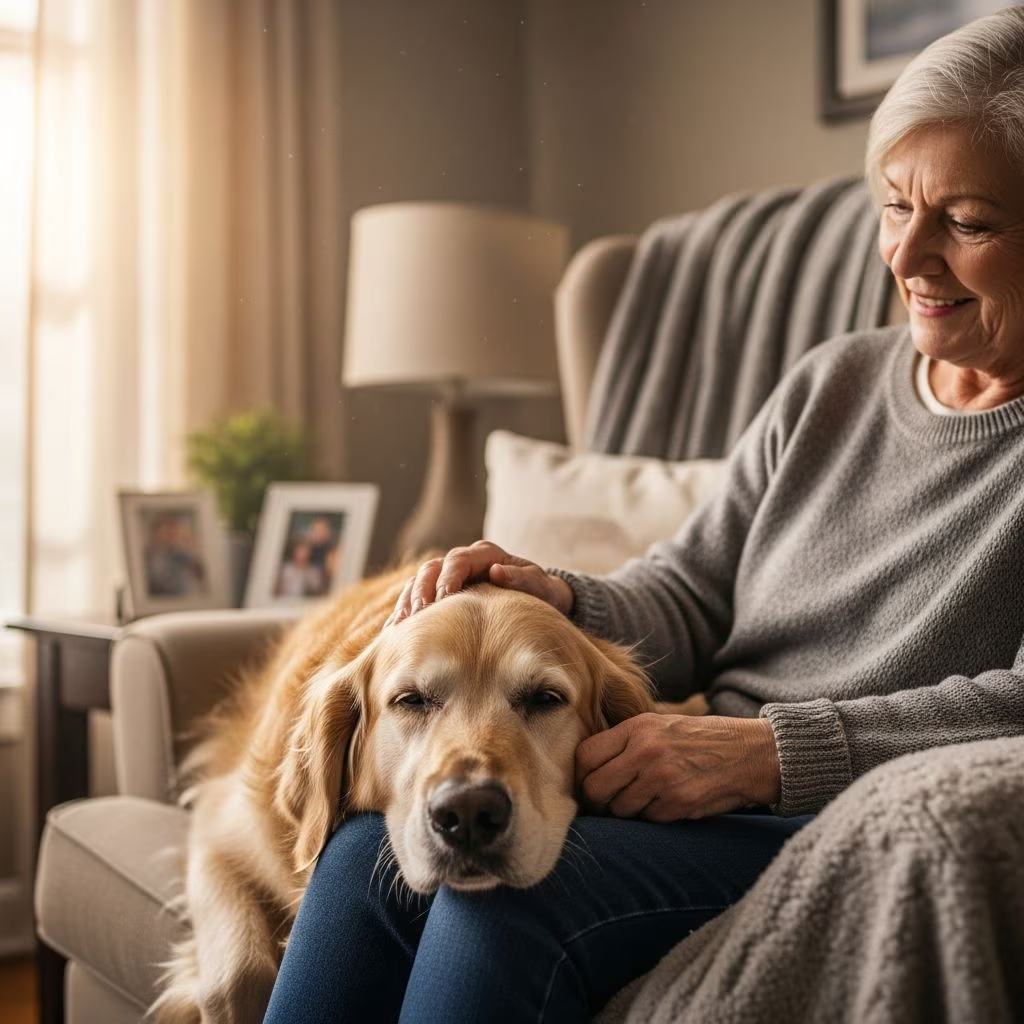
Senior dogs, typically those aged 7 years and older depending on breed size, enter a phase where age-related changes become more pronounced. Providing attentive care helps them maintain quality of life, managing common health issues like arthritis, dental disease, and cognitive decline while adjusting diet, exercise, and home environment for comfort.
Understanding the Aging Process in Dogs
Dogs age at different rates based on size: small breeds may live 12-15 years, while large breeds often reach seniority around 5-7 years. Signs of aging include graying fur, reduced energy, stiffness, increased sleep, and subtle behavioral shifts like confusion or anxiety. Regular veterinary check-ups are crucial to monitor these changes early.
The Dog Aging Project, a large-scale study, highlights how genetics, environment, and lifestyle influence longevity, emphasizing preventive care to extend healthy years. Older dogs face higher risks of chronic conditions, but with proper management, many enjoy vibrant golden years.
Common Health Issues in Senior Dogs
Senior dogs are prone to several age-related health problems that require vigilant monitoring:
- Arthritis and Mobility Issues: Joint stiffness leads to limping or reluctance to jump. Anti-inflammatory diets and supplements like glucosamine help.
- Dental Disease: Plaque buildup causes pain and infection; 80% of dogs over 3 have some dental issues, worsening with age.
- Vision and Hearing Loss: Cataracts cloud eyes, while hearing fades gradually, affecting responsiveness.
- Organ Dysfunction: Kidney disease, heart conditions, and diabetes become common, often detected via bloodwork.
- Cognitive Dysfunction Syndrome (CDS): Similar to dementia, causing disorientation, altered sleep, and house soiling.
Early detection through biannual vet visits can mitigate these; for instance, the ASPCA notes senior dogs benefit from structured care matching their lower energy needs.
Nutrition and Diet for Senior Dogs
Adjusting diet supports aging bodies: senior formulas have lower calories to prevent obesity, higher fiber for digestion, and joint-supporting nutrients. Feed smaller, frequent meals to aid metabolism.
| Nutrient | Benefit | Sources |
|---|---|---|
| Omega-3 Fatty Acids | Reduces inflammation, supports skin/coat | Fish oil, senior kibble |
| Antioxidants | Combats cognitive decline | Blueberries, vitamins E/C | Glucosamine/Chondroitin | Joint health | Supplements, green-lipped mussel |
| High-Quality Protein | Maintains muscle mass | Chicken, fish-based formulas |
Consult vets for weight management; obesity exacerbates arthritis. Hydration is key—wet food or fountains encourage drinking to prevent kidney strain.
Exercise and Physical Activity
Senior dogs need gentle exercise to stay limber without overexertion. Aim for 20-30 minutes daily of low-impact activities:
- Short, frequent walks on soft surfaces.
- Swimming or hydrotherapy for joint relief.
- Indoor games like scent work or puzzle toys for mental stimulation.
Avoid high jumps or rough play. Physical therapy or acupuncture can aid mobility, as recommended by experts for age-related decline. Structured routines combat isolation, mirroring benefits for older adults adopting seniors.
Mental Stimulation and Cognitive Health
CDS affects up to 28% of dogs over 11, with symptoms like pacing or forgetting commands. Counter with:
- Puzzle feeders and treat-dispensing toys.
- Training refreshers using positive reinforcement.
- Scent games and nose work to engage senses.
- Socialization via calm playdates.
Supplements like SAM-e or prescription diets with medium-chain triglycerides support brain health. Consistency in routines reduces anxiety.
Home Environment Modifications
Adapt your home for safety and comfort:
- Ramps and Steps: Orthopedic ramps for beds/cars ease joint stress.
- Non-Slip Flooring: Yoga mats or rugs prevent slips.
- Comfortable Bedding: Thick, supportive beds for achy joints.
- Accessible Food/Water: Elevated bowls reduce neck strain.
- Climate Control: Keep warm in winter, cool in summer.
These changes, per rescue experts, enhance quality of life and match senior dogs’ calmer lifestyles.
Grooming and Hygiene
Regular grooming prevents issues: brush weekly to distribute oils and check skin. Trim nails monthly, clean ears to avoid infections, and maintain dental hygiene with brushes or water additives. Baths every 4-6 weeks with senior-safe shampoos soothe dry skin.
Veterinary Care and Regular Check-Ups
Schedule vet visits every 6 months for bloodwork, urinalysis, and screenings. Discuss vaccinations, parasite prevention, and pain management. Pet insurance or savings funds offset costs, as senior care can rise—many nonprofits assist. End-of-life planning includes recognizing pain signs like whining or withdrawal.
Emotional Well-Being and Companionship
Senior dogs crave routine and affection, combating loneliness akin to human elders. More-than-human kinship fosters joy; studies show pets reduce stress and encourage activity. Provide calm companionship, avoiding isolation. Adoption stats reveal seniors are overlooked (only 25% adopted vs. 60% younger dogs), yet they settle quickly.
Recognizing When It’s Time
Quality of life assessments guide end-of-life decisions: evaluate eating, mobility, joy, and pain. Tools like the HHHHHMM scale (Hurt, Hunger, Hydration, Hygiene, Happiness, Mobility, More good days than bad) help. Hospice care or euthanasia ensures dignity.
Frequently Asked Questions (FAQs)
What age is a senior dog?
Generally 7+ years, earlier for large breeds (5-6 years), later for small ones (9-10 years).
How often should senior dogs see the vet?
Every 6 months for comprehensive exams and diagnostics.
Can senior dogs learn new tricks?
Yes, mental stimulation prevents decline; short sessions work best.
What diet is best for seniors?
Lower calorie, joint-supportive formulas tailored by vet.
Do senior dogs need less exercise?
Gentler, consistent activity maintains health without strain.
Benefits of Adopting a Senior Dog
Senior dogs offer companionship with less training needed, ideal for calmer lifestyles. They reduce owner loneliness, promote routine, and provide purpose, as seen in rescues placing 85-90% with 50+ adopters.
References
- Older Dogs and Older Adults Can Make a Great Match — AARP. 2024. https://www.aarp.org/family-relationships/senior-dogs-older-adults/
- “We Make Them Our Kin”: Australian Older Adults’ Playful Kinship — SAGE Journals. 2024. https://journals.sagepub.com/doi/10.1177/20563051241306540
- Everything You Need to Know to Care For Your Senior Dog — Kinship. 2024. https://www.kinship.com/dog-health/senior-dog-care
- How to Care For Your Older Dog — Kinship. 2024. https://www.kinship.com/dog-health/senior-health
- More-than-human kinship against proximal loneliness — PMC/NIH. 2022-02-14. https://pmc.ncbi.nlm.nih.gov/articles/PMC8863920/
- The Dog Aging Project: A Huge Study on Aging in Dogs Needs You! — Kinship. 2024. https://www.kinship.com/dog-health/the-dog-aging-project



