

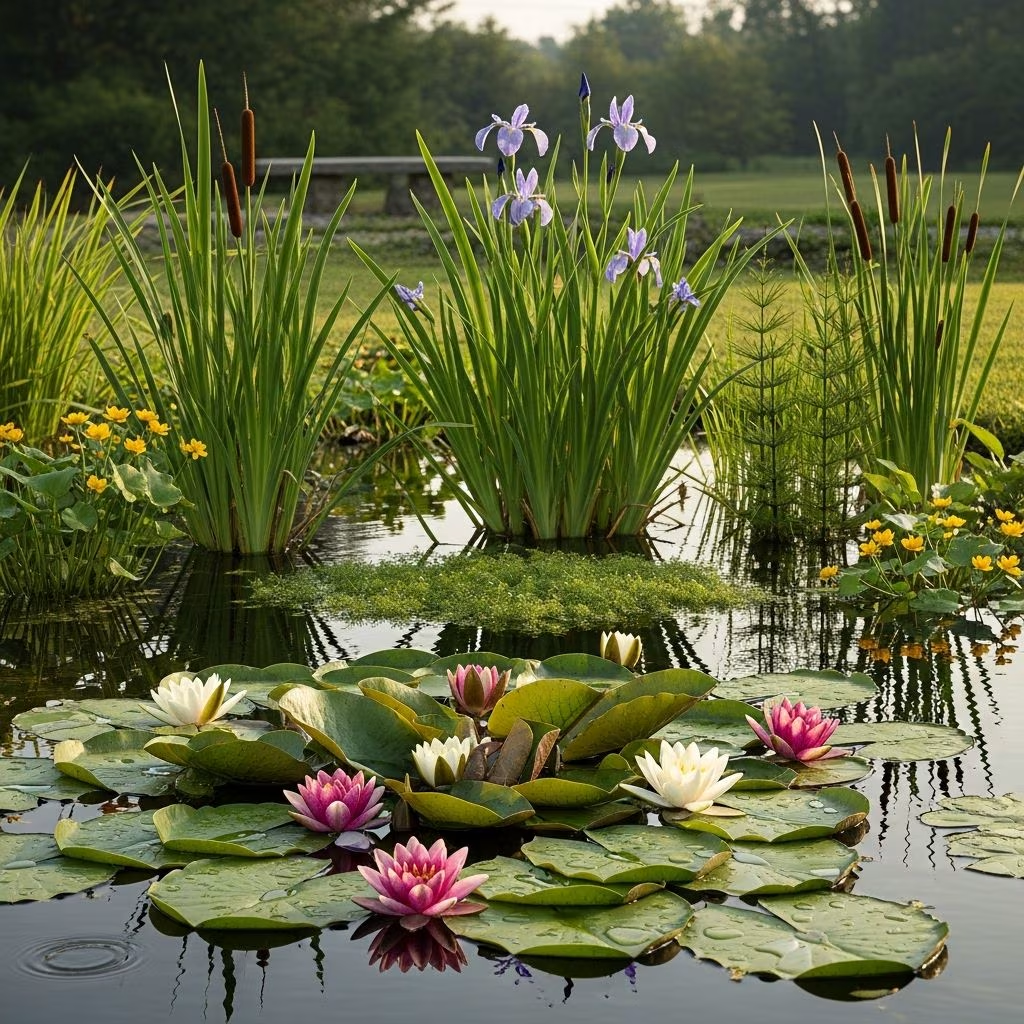
Your Practical Guide to Caring for Pond Plants
Whether you’re a seasoned water gardener or just beginning your aquatic journey, maintaining healthy pond plants is essential for creating a vibrant and balanced water environment. Pond plants do far more than beautify your outdoor space—they actively improve water quality, produce oxygen, provide shade, and create a thriving habitat for aquatic life. With proper knowledge and consistent care, your pond can become a stunning focal point in your landscape while supporting a healthy ecosystem.
This comprehensive guide walks you through everything you need to know about pond plants, from understanding the different types to implementing effective maintenance routines and troubleshooting common problems.
Understanding the Four Types of Pond Plants
Pond plants are generally divided into four distinct groups based on their planting depth and growing conditions. Understanding these categories helps you select the right plants for your pond and maintain a balanced aquatic ecosystem. Each type serves a specific purpose in supporting water quality and pond health.
Zone 1: Bog Plants (Saturated Soil)
Bog plants thrive in wet soil while keeping their leaves and stems relatively dry. These plants grow best around the edges of ponds, where they can access moisture without becoming waterlogged. Bog plants are particularly valuable for filtering excess nutrients and pollutants from your pond system. Popular bog plant options include marsh marigolds with their distinctive kidney-shaped leaves and bright yellow flowers, and marsh ferns that prefer full to partial sun. These edge plants help prevent string algae overgrowth and reduce bacterial blooms, contributing significantly to overall pond health.
Zone 2: Marginal Plants (Shallow Water)
Marginal plants are planted in shallow water around the pond’s perimeter, typically in water depths of 6 to 12 inches. These plants provide natural filtration, create visual interest, and help your pond blend seamlessly with existing landscaping. Hardy species like water iris, sweet grass, and water celery are excellent choices that can withstand being occasionally disturbed. Marginal plants offer shelter for aquatic life while contributing to the aesthetic appeal of your water garden.
Zone 3: Floating Plants (Water Surface)
Floating plants rest on the water’s surface without being anchored to the substrate, making them incredibly versatile additions to any pond. Popular floating plant varieties include water lettuce, water hawthorn, and hyacinth. These plants provide immediate shade, help reduce algae growth by competing for nutrients, and create resting spots for aquatic creatures. However, some floating plants can spread rapidly and become invasive in certain regions, so it’s important to check local guidelines before introducing them to your pond.
Zone 4: Deep Water and Oxygenating Plants (Over 40 Centimeters)
Deep water plants survive in conditions where other plants would struggle—colder water, reduced sunlight, and higher water pressure. These specialized plants have adapted through increased chlorophyll production or protective slime coats. Water lotus and water hawthorn are excellent deep water options that root far below the surface, typically in over 16 inches of water. Their leaves naturally float toward the surface while the roots anchor deep in the substrate. Deep water plants excel at controlling erosion, oxygenating water, removing toxins, and providing valuable shade for pond inhabitants while adapting easily to changing water levels.
How to Care for Your Pond Plants
Weekly Maintenance Tasks
Most pond plant maintenance occurs on a weekly basis and involves straightforward but essential tasks. Begin by removing debris and dead plant matter that accumulates on the water surface and around plant bases. This simple step prevents decomposition that can degrade water quality. Trim any overgrowth to maintain tidiness, approaching it much like weeding flower beds in a traditional garden.
Several pond plants grow rapidly and can easily overtake other vegetation if left unchecked. These aggressive growers include anacharis, hornwort, frogbit, water lettuce, and red ludwigia. Regular pruning of these species is vital to prevent them from monopolizing your pond space and crowding out other plants. By staying consistent with weekly maintenance, you prevent small problems from becoming major issues.
Seasonal Maintenance Guide
Spring Care
Spring represents an ideal time to rejuvenate your pond garden, much like preparing a vegetable garden for the growing season. This is the perfect opportunity to introduce new plant species or divide plants that have outgrown their current spaces. Perform extra cleanup to remove accumulated debris and dead foliage from the previous season. Spring is also the ideal time to begin fertilizing, as plants enter their active growing phase. Use aquatic-specific fertilizers such as slow-release tabs or liquids, but avoid over-fertilizing as this can promote problematic algae blooms. A measured approach ensures your plants receive necessary nutrients without destabilizing your pond’s delicate chemistry.
Summer Maintenance
Long, sunny summer days provide abundant light for vigorous plant growth. You’ll likely notice that your plants require more frequent trimming and thinning during this season. Maintaining regular pruning prevents your pond from becoming overgrown and helps maintain the healthy balance your pond ecosystem needs. Continue fertilizing as needed, but monitor application closely. Pay special attention to water levels during hot summer months, as evaporation accelerates. Regular monitoring and adjustment of water levels prevents stress on your plants and maintains optimal conditions for all pond inhabitants. Adding 40-60% plant coverage helps increase oxygen production, absorb excess nutrients, and provide essential shade that reduces water temperature fluctuations.
Fall and Winter Preparation
As temperatures cool, adjust your maintenance routine accordingly. Remove excess plant material and prepare plants for dormancy. For tender perennials or tropical plants, consider removal or protection depending on your climate zone. Clean pond filters thoroughly and prepare equipment for seasonal slowdown. Reduce fertilization as plants naturally slow their growth cycles.
Best Practices for Healthy Pond Plants
Successful pond plant care depends on monitoring and managing multiple environmental factors simultaneously. By implementing these proven strategies, you’ll create optimal conditions for thriving plants and a balanced aquatic ecosystem.
Essential Care Practices
- Monitor Growth: Regularly observe your plants for signs of healthy development or stress. Watch for new growth, yellowing leaves, or unusual discoloration that might indicate nutrient deficiencies or water quality issues.
- Prune Regularly: Consistent trimming prevents aggressive species from dominating your pond and maintains visual appeal. Remove dead leaves and stems promptly to prevent decay.
- Fertilize Your Plants: Apply aquatic-specific fertilizers during growing seasons (spring and summer), following product instructions carefully to avoid excess nutrient accumulation.
- Control Invasive Plants: Be vigilant about removing invasive species before they establish dominance. Check local guidelines to ensure any plants you introduce won’t become problematic if they spread.
- Track Water Quality: Regular water testing reveals nutrient levels, pH balance, and other critical parameters. Use a quality pond master test kit to monitor these factors monthly.
Strategic Plant Selection and Maintenance
Use Native Plants Wherever Possible: Native aquatic plants are naturally adapted to your local climate and growing conditions, making them easier to maintain. They also pose no risk of becoming invasive if they spread beyond their intended area, unlike exotic species that might damage local ecosystems.
Maintain Consistency: Most pond problems arise when owners fall behind on maintenance schedules. Establishing a regular routine and sticking to it prevents minor issues from escalating into serious problems that require extensive intervention.
Don’t Neglect Pond Filters: Clean filters at least monthly to maintain water clarity and health. In dirty ponds or those with heavy plant loads, weekly filter cleaning may be necessary. Proper filter maintenance prevents water quality degradation that stresses both plants and animals.
Water Quality Management
Maintaining stable water quality is fundamental to plant health. Pond plants improve water quality by absorbing excess nutrients like nitrates and phosphates, which helps prevent algae growth. However, plants alone cannot manage all water quality parameters. Test your water regularly for:
- pH levels
- Ammonia and nitrite concentrations
- Phosphate levels
- Dissolved oxygen
- Water temperature
Address any imbalances promptly through water changes, filter cleaning, or plant adjustments.
Common Pond Plant Problems and Solutions
Algae Blooms
Algae blooms can occur in any pond, particularly during spring and fall when warm days and cool nights create perfect conditions for algae proliferation. A well-balanced selection of diverse pond plants helps prevent algae blooms by competing with algae for available nutrients. When algae becomes problematic, maintain your plant population, reduce fertilizer application, and increase water circulation. Consider UV clarifiers or algae eliminators if blooms persist, but avoid overtreatment with chemicals that might harm your plants and animals.
Plant Overcrowding
Aggressive-growing species like anacharis, hornwort, and water lettuce can overtake your pond if not managed carefully. Prevent this by maintaining strict pruning schedules and removing excess plant matter weekly. If overcrowding has already occurred, remove the excess biomass and establish a regular maintenance routine going forward.
Nutrient Deficiencies
Plants showing yellowing leaves or stunted growth may indicate nutrient deficiencies. Address this by applying aquatic-specific fertilizers during growing seasons. Avoid over-fertilizing, which encourages algae blooms instead of plant growth. Follow product instructions precisely for best results.
Water Quality Decline
Poor water quality manifests through murky water, foul odors, or fish distress. Maintain water quality by cleaning filters regularly, performing partial water changes as needed, and ensuring adequate plant coverage. Add water conditioner when topping off with tap water to remove chlorine and heavy metals.
Recommended Products for Pond Plant Care
Investing in quality equipment ensures successful long-term plant care. Essential items include:
- Submersible flat box filters for efficient water circulation
- Pressurized pond filters for larger systems
- Pond master test kits for comprehensive water quality monitoring
- Aquatic-specific fertilizers (slow-release tabs or liquids)
- Water conditioner for dechlorination
- Aquatic plant food tablets for rooted species
- UV clarifiers for persistent algae issues
Frequently Asked Questions
Q: How often should I fertilize my pond plants?
A: Fertilize during active growing seasons (spring and summer) using aquatic-specific products. Follow package instructions carefully, as over-fertilization can trigger algae blooms. Most plants obtain sufficient nutrients from the pond environment, so use fertilizer judiciously.
Q: Can invasive plants damage my pond ecosystem?
A: Yes, invasive plants can spread rapidly and overtake native species, disrupting the ecological balance. Before introducing any plant species, check local guidelines. Stick with native plants whenever possible to avoid problems if they spread.
Q: What should I do about algae blooms?
A: Maintain a diverse plant population, reduce excess nutrients, increase water circulation, and clean filters regularly. These practices prevent most algae problems. If blooms persist, consider UV clarifiers or algae eliminators, but avoid excessive chemical treatment.
Q: How much plant coverage should my pond have?
A: Ideally, pond plants should cover 40-60% of your pond’s surface area. This coverage provides shade, oxygenation, and nutrient absorption without overwhelming the pond or blocking water circulation.
Q: Do I need to remove plants in winter?
A: This depends on your climate zone and plant varieties. Hardy perennials can remain year-round, while tender tropical plants may need removal or protection in cold climates. Consult your USDA planting zone for specific guidance.
Q: How often should I clean pond filters?
A: Clean filters at least monthly during growing seasons to maintain water clarity. Ponds with heavy plant loads or visible debris may require weekly cleaning. Proper filter maintenance is essential for plant and animal health.
Conclusion
Caring for pond plants successfully requires understanding plant types, implementing consistent maintenance routines, and monitoring water quality parameters. By selecting appropriate plants for each depth zone, maintaining regular pruning schedules, and addressing problems promptly, you’ll create a thriving aquatic garden that enhances your landscape while supporting a healthy ecosystem. Whether you’re starting your first pond or improving an existing one, the practices outlined in this guide provide the foundation for long-term success. With dedication to these principles, your pond will become a beautiful, self-sustaining water garden that brings years of enjoyment.
References
- Your Practical Guide To Caring for Pond Plants — Chewy. 2024. https://www.chewy.com/education/fish/pond-fish/caring-for-pond-plants
- 15 Pond Plants To Beautify Your Outdoor Fish Pond — Chewy. 2024. https://www.chewy.com/education/fish/pond-fish/pond-plants-for-outdoor-fish-pond
- How To Build a Pond for Turtles — Chewy. 2024. https://www.chewy.com/education/reptile-and-amphibian/turtle-and-tortoise/pond-for-turtles
- Understanding Hot Weather Issues in Fish Ponds — Chewy. 2024. https://www.chewy.com/education/fish/pond-fish/hot-weather-issues-in-fish-ponds
- How to add aquatic plants to your pond — Gardening Australia. 2024. https://www.youtube.com/watch?v=5bbmy7IPJQ4
- Koi Fish Care Sheet — Chewy. 2024. https://www.chewy.com/education/fish/pond-fish/koi-fish-care-sheet



