

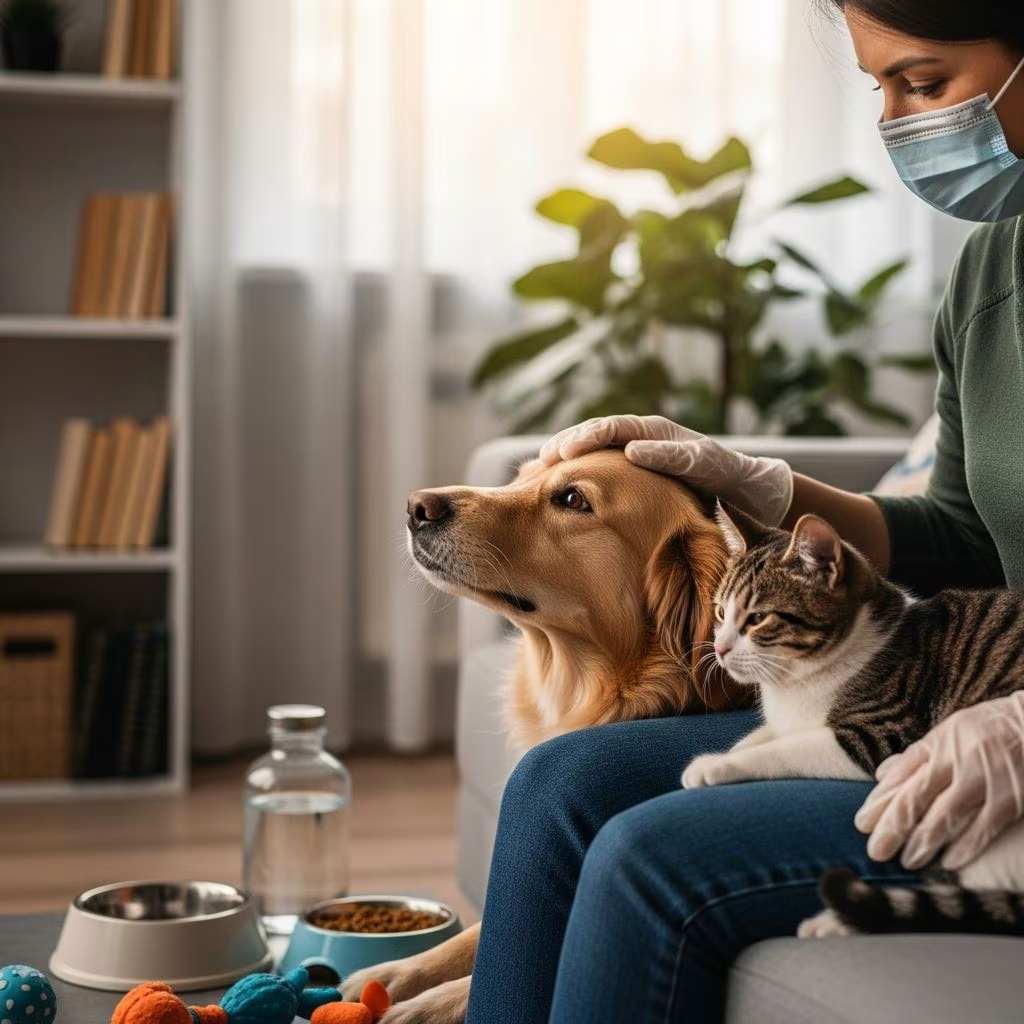
Caring for Your Pets if You Have COVID-19
If you have been diagnosed with COVID-19, public health officials recommend that you restrict contact with pets and other animals as a precaution. While there is currently no evidence that pets can transmit COVID-19 to humans or contract the virus themselves, taking preventive measures can help reduce the risk of environmental contamination and ensure the safety and wellbeing of both you and your furry companions. Understanding how to properly care for your pets during this time is essential for maintaining their health while you recover from illness.
Understanding COVID-19 and Pets
One of the most important things to understand about COVID-19 and pets is that SARS-CoV-2, the virus that causes COVID-19, is primarily a human virus. Scientific evidence shows there are no reports of pets being a primary source of infection or facilitating animal-to-human transmission. The largest known transmission risk remains between people rather than from pets to humans. However, pets’ fur can potentially become contaminated with coronavirus particles if an infected person coughs or sneezes on them, which is why isolation measures are recommended as a precaution.
According to expert organizations, there is no evidence that pets in a home are a source of infection to other animals or to humans. This reassuring information should help alleviate concerns pet owners may have about their animals becoming ill or spreading disease. Nevertheless, following recommended guidelines will further minimize any potential risks and provide peace of mind during your recovery period.
Essential Supplies to Stock Before You Get Sick
Preparation is key when managing illness at home. Before you become sick with COVID-19, consider stocking up on essential pet supplies to minimize the need for trips outside your home during your illness. Many of these items can be conveniently ordered online, allowing you to practice proper physical distancing while ensuring your pets remain well-cared for. Stock the following supplies:
- Pet food (enough for at least two weeks)
- Pet medications, including flea and heartworm preventives
- Cleaning supplies in case your pet has accidents indoors
- Pet toys for enrichment and mental stimulation
- Potty pads or pet turf for dogs to eliminate (if you lack access to a private yard)
- Cat litter and litter box liners
- Contact information for a dog walker or pet sitting service
Having these supplies readily available ensures you won’t need to leave your home or expose others to potential infection during your illness. This proactive approach demonstrates responsible pet ownership and helps you maintain your pet’s comfort and routine despite your health challenges.
Three Key Principles for Pet Safety During COVID-19
Remember these three fundamental guidelines when managing pet care while infected with COVID-19:
- Keep infected people away from pets: If you are sick with COVID-19, minimize direct contact with your animals to reduce transmission risk.
- Keep pets exposed to COVID-19 away from unexposed people and animals: If your pet has been in contact with you while sick, limit their interaction with others until you have recovered.
- Practice good hygiene and proper hand-washing: Thorough hand hygiene is one of the most effective ways to prevent viral transmission.
How to Care for Your Pets When You Have COVID-19
The most effective way to care for your pets while you are sick with COVID-19 is to have another member of your household care for them if possible. Just as you would quarantine yourself from other human members of your home while sick, you should also quarantine yourself from your pets. Allow a healthy family member to handle your pet’s meals, walks, playtime, and snuggle time. This arrangement protects your pet from potential exposure and helps you focus on recovering while minimizing the risk of transmitting the virus through contact.
Managing Pet Routines
When a healthy household member cares for your pets, they should maintain the animal’s normal routine as much as possible. Regular feeding schedules, walking times, and play sessions help keep your pet calm and mentally stimulated during this uncertain time. Consistency provides comfort to animals and can help prevent behavioral problems that sometimes develop during periods of change or stress.
Specific Guidelines for Close Contact
If you must care for your own pets due to living alone or other circumstances, follow these guidelines to minimize transmission risk:
- Wash your hands thoroughly before and after handling your pets
- Wash your hands before handling your pets’ food and water bowls
- Limit close contact with your pets, such as snuggling and kissing
- Cough or sneeze into your elbow or a tissue and dispose of tissues hygienically where pets cannot access them
- Wash your hands after sneezing or coughing to prevent contamination
- Do not share food or sleep with your pet in your bed
- Wear a mask, if possible, to decrease droplet spread
- Clean and disinfect frequently touched surfaces regularly
These precautions create multiple layers of protection against potential viral transmission. Each measure individually contributes to reducing risk, and together they create a comprehensive approach to safe pet care during illness.
Pet-Specific Care Recommendations
For Dogs
When walking dogs while you have COVID-19, keep them on a leash and maintain at least 6 feet (2 meters) of distance from other people and animals. Avoid dog parks, trails, and other areas where your dog might interact with other animals or their owners. Choose quiet routes and specific times when foot traffic is minimal. This precaution not only protects others but also ensures your dog doesn’t become a vector for environmental contamination.
For Cats
Keep your cat indoors if possible to prevent them from interacting with other animals or people. Indoor cats should remain inside during your illness period even if they normally have outdoor access. This containment reduces the possibility of your cat contacting other animals or people who might not be aware of your COVID-19 status.
Important Information About Pet Bathing
Many pet owners wonder whether they should bathe their pets more frequently during COVID-19. There is currently no evidence to support additional bathing of pets as a result of COVID-19. When you do bathe your pet, always use a mild shampoo specifically formulated for pets and plenty of water. Using harsh soaps, human shampoos, or disinfectants like Clorox wipes on pets is harmful—these products can be skin irritants and toxic to animals. Maintain normal grooming practices and avoid over-bathing, which can strip natural oils from your pet’s skin and coat.
What to Do if Your Pet Becomes Ill
If you are sick with COVID-19 and your pet develops signs of illness such as coughing, fever, or chills, contact your veterinary clinic for advice and treatment if needed. Always inform your veterinarian that you are sick with COVID-19 when reporting your pet’s symptoms. This allows the veterinary team to take appropriate precautions when your pet arrives for examination and treatment.
Boarding, Pet Sitting, and Veterinary Care
Until more information about COVID-19 becomes available, it is best to avoid boarding or rehoming your pet if you are sick with COVID-19. If you are hospitalized and your pets must be cared for by a boarding kennel, day care, dog walker, or pet sitter, inform them that you are ill. This communication allows caregivers to take necessary precautions and limit close contact with your pets to reduce transmission risk.
If your pet requires veterinary care and you have current or recent signs of COVID-19, alert your veterinary team before taking your pet to the clinic. This advance notice enables the veterinary staff to implement appropriate safety protocols and prepare for your arrival. Many veterinary clinics offer alternative appointment options such as text messaging, photo consultations, and virtual visits that may reduce in-person contact while still providing quality care for your pet.
Pet Sitting Guidelines During COVID-19
Pet sitters should follow specific protocols when visiting homes with COVID-19-positive occupants. When entering client homes to care for pets, limit contact with potentially contaminated objects, as the coronavirus can remain infectious on surfaces for several days. Avoid kissing pets on the head or allowing them to lick your face, and maintain a 6-foot distance from other people when walking dogs.
If pet sitters will be staying in the home, they should put clean sheets on beds and thoroughly sanitize parts of the house they will use, especially the kitchen and bathroom, at both the beginning and end of their stay. Pet sitters should also develop backup plans in case they develop COVID-19 symptoms, ensuring that clients can quickly find alternative care providers for their pets.
Frequently Asked Questions
Q: Can my pet catch COVID-19 from me?
A: There is no evidence that pets can contract COVID-19 or become ill from the virus. While pets’ fur can potentially become contaminated if you cough or sneeze on them, they cannot develop the disease themselves. However, restriction of contact is still recommended as a precaution.
Q: Can my pet spread COVID-19 to other people?
A: There are no reports of pets being a primary source of infection or transmitting COVID-19 to humans. The largest known transmission risk is between people rather than from animals. However, a pet’s coat could potentially become contaminated with virus particles, which is why separation from other people and animals is recommended.
Q: Should I bathe my pet more often if I have COVID-19?
A: No, there is no evidence to support additional bathing of pets as a result of COVID-19. Use only mild, pet-specific shampoos and avoid harsh soaps or disinfectants, which can harm your pet’s skin.
Q: What should I do if my pet shows COVID-19 symptoms?
A: If your pet shows symptoms such as coughing, fever, or chills, contact your veterinary clinic for advice and treatment. Inform your veterinarian that you have COVID-19 so they can take appropriate precautions.
Q: Can I use disinfectants on my pet?
A: No, disinfectants and Clorox wipes should never be used on pets as they are skin irritants and toxic to animals. Maintain normal grooming practices with pet-appropriate products only.
Q: Is it safe to use a pet sitter if I have COVID-19?
A: Yes, but you must inform the pet sitter that you are ill so they can take appropriate precautions and limit close contact with your pets. Ensure they understand safety protocols for visiting your home.
Summary of Key Takeaways
Managing pet care while you have COVID-19 requires careful planning and adherence to specific guidelines. By understanding that COVID-19 is primarily a human virus with no evidence of pet-to-human transmission, you can approach pet care with informed confidence. Stock essential supplies before becoming ill, designate a healthy household member to handle primary pet care duties, maintain strict hand hygiene, and follow contact restrictions with your animals. If your pet requires veterinary care or shows signs of illness, communicate your COVID-19 status to your veterinary team. By following these guidelines, you protect your pets while supporting your own recovery and preventing transmission to other people and animals in your community.
References
- Caring for Your Pets if You Have COVID-19 — VCA Animal Hospitals. 2024. https://vcahospitals.com/know-your-pet/caring-for-your-pets-if-you-have-covid-19
- General (All Pets) – VCA Animal Hospitals COVID-19 FAQ — VCA Animal Hospitals. 2024. https://vcahospitals.com/-/media/2/vca/documents/corporate/vc-3381-covid-19-faq.pdf
- Tips for Pet Sitters During the COVID-19 Pandemic — VCA Animal Hospitals. 2024. https://vcahospitals.com/know-your-pet/tips-for-pet-sitters-during-the-covid-19-pandemic



