

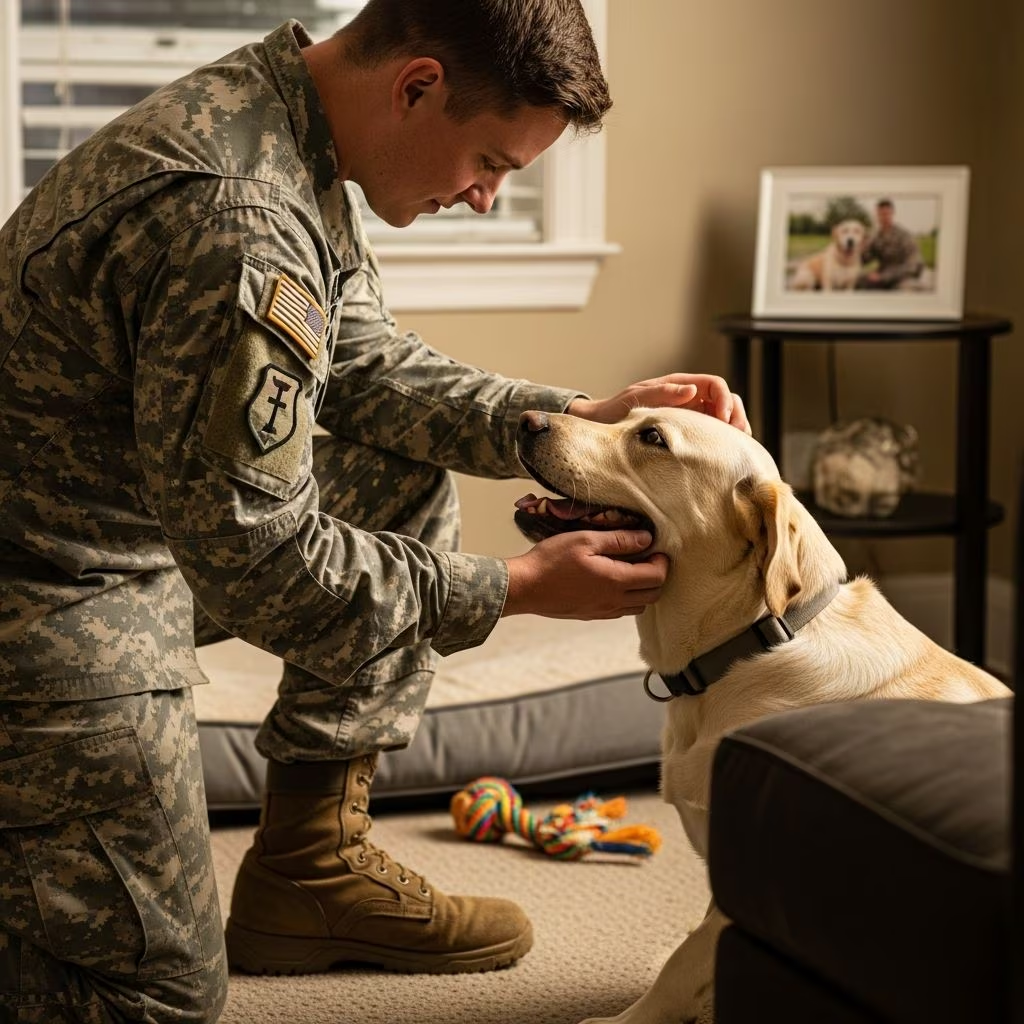
Military service often involves frequent relocations, deployments, and unpredictable schedules, making pet ownership a unique challenge for service members and their families. Cats, as low-maintenance companions, provide emotional support but require thoughtful planning to thrive amid these changes. This article outlines key strategies for ensuring your pet’s health and happiness, from pre-deployment preparations to leveraging support organizations and adhering to base regulations.
Understanding the Challenges of Military Pet Ownership
Service members face unique hurdles with pets, including Permanent Change of Station (PCS) moves, temporary duty assignments, and long deployments that can last months or years. For cat owners, considerations include airline pet policies, quarantine rules in new locations, and finding reliable caregivers. Single service members or dual-military couples must plan for scenarios where no family is available at home. Emotional bonds with pets heighten stress when separation is inevitable, but proactive planning mitigates risks.
Cats’ independence makes them adaptable, yet they need consistent veterinary care, nutrition, and a stable environment. Frequent moves can disrupt routines, leading to stress-related issues like urinary problems or overgrooming. Military families report that pets boost morale, but poor planning can result in rehoming, which is heartbreaking and avoidable.
Pre-Deployment and PCS Planning for Your Cat
Start planning months in advance. Create a detailed pet care packet including vaccination records, medical history, feeding instructions, and behavior notes. Update all shots, microchip your cat, and obtain a health certificate required for travel.
- Assess Family Capacity: If spouses or children remain, assign clear “pet duties” like daily feeding, litter box cleaning, and vet visits. Reassign responsibilities if the primary caregiver deploys.
- Backup Caregivers: For singles, identify trusted friends, family, or fosters. Draft a written agreement covering expenses, liability, and reclaim terms.
- Travel Preparations: Research airline restrictions; many allow cats in cabins or cargo with crates. For international PCS, check import laws—some countries require 30-day quarantines.
A table of essential pre-move checklist:
| Task | Timeline | Details |
|---|---|---|
| Vet Checkup & Vaccinations | 1-2 Months Before | Rabies, FVRCP, microchip, health cert |
| Caregiver Agreement | 1 Month Before | Legal doc with backups, expenses |
| Supply Kit | 2 Weeks Before | Food, meds, toys, records |
| Acclimation to Crate | Ongoing | Reduce travel stress |
Pet-Friendly Resources for Military Families
Numerous nonprofits specialize in supporting military pet owners, offering fostering, boarding, and relocation aid. These organizations understand service demands and prioritize seamless transitions.
- Dogs on Deployment: Matches pets with vetted fosters during deployments/PCS. Covers most costs; promotes lifelong ownership.
- Guardian Angels for Soldier’s Pets: Provides fostering, emergency aid, and transport.
- Pets for Patriots: Pairs shelter pets with veterans; offers support services.
- PACT for Animals & Operation Military Pets (SPCA): Boarding and crisis intervention.
Base resources include veterinary clinics for low-cost care and registration. Contact your installation’s clinic early—many require pets to register upon arrival.
Veterinary Care During Deployments and Service
Maintaining cat health is critical. Military working animal protocols offer insights applicable to family pets: regular exams every 6 months, disease prevention, and deployability assessments. For personal cats, ensure caregivers know emergency vet contacts.
During deployment, schedule virtual vet consults if possible. Upon return, quarantine if traveling from high-risk areas to prevent zoonotic diseases. Military Animal Care Specialists provide hands-on training in nutrition and basic care, emphasizing preventive medicine.
- Annual dental/physical exams to confirm fitness.
- Prophylactic treatments for parasites, vaccines.
- Host nation or allied vet coordination for overseas.
Base Housing Rules and Responsible Ownership
Bases enforce strict pet policies to ensure safety and hygiene. Cats are typically allowed, but registration at the vet clinic is mandatory.
- Vaccinations: Rabies tags required on collars; annual preventives.
- Containment: No roaming; indoor cats preferred. Leashes/harnesses for outdoor time.
- Breed/Number Limits: Often 2 pets max; no aggressive breeds (cats exempt). Notify for visiting pets.
- Waste & Nuisance: Prompt cleanup; no excessive noise.
Violations can lead to fines or pet removal. Dog parks and off-base options exist, but cats benefit from secure enclosures.
Military Working Cats and Pets: Lessons Learned
While less common than dogs, cats serve in pest control on bases, highlighting adaptable care models. Broader military vet services ensure welfare during ops: shelter, nutrition, handler oversight. Family pet owners can adopt similar rigor—daily health checks, climate-appropriate housing.
Troop morale benefits from healthy pets; animal care specialists train in grooming, nutrition, supporting mission readiness.
Emotional Well-Being for Cats and Families
Deployments cause separation anxiety in cats, manifesting as appetite loss or hiding. Use pheromone diffusers, familiar bedding with your scent. Families should prioritize mental health—pets reduce PTSD risk in vets. Reintegration tips: gradual reintroduction post-deployment.
Frequently Asked Questions (FAQs)
What should I do if I’m single and deploying with a cat?
Secure a foster via Dogs on Deployment or family with a signed agreement covering all care aspects.
Are cats allowed in military housing?
Yes, typically up to 2; must register at base vet clinic, keep indoors, vaccinate.
How do I prepare my cat for PCS overseas?
Health cert within 10 days, microchip, crate train; check destination quarantine rules.
What nonprofits help with pet fostering?
Dogs on Deployment, Guardian Angels, Pets for Patriots.
What’s required for base pet registration?
Rabies vaccine tag, spay/neuter proof, annual exam.
This guide empowers military cat owners to navigate service life responsibly. With planning and resources, pets remain cherished family members despite deployments.
References
- What to do with your pet when preparing for a PCS or deployment — Human Performance Resources by CHAMP. Accessed 2026. https://www.hprc-online.org/total-force-fitness/navigating-deployment/what-do-your-pet-when-preparing-pcs-or-deployment
- Animal Health Military Jobs — The VET Recruiter. Accessed 2026. https://thevetrecruiter.com/animal-health-jobs/animal-health-military-jobs/
- NATO STANDARD AMedP-8.4 — NATO. 2025. https://www.coemed.org/files/stanags/03_AMEDP/AMedP-8.4_EDB_V1_E_2538.pdf
- The Responsibilities of Pet Ownership on Base — Altus Air Force Base. 2019-10-15. https://www.altus.af.mil/News/Article/1636486/the-responsibilities-of-pet-ownership-on-base/
- Animal Care Specialist — U.S. Army. Accessed 2026. https://www.goarmy.com/careers-and-jobs/science-medicine/general-care/68t-animal-care-specialist
- Military Pet Owners — Dogs on Deployment. Accessed 2026. https://www.dogsondeployment.org/page/military-pet-owners



