

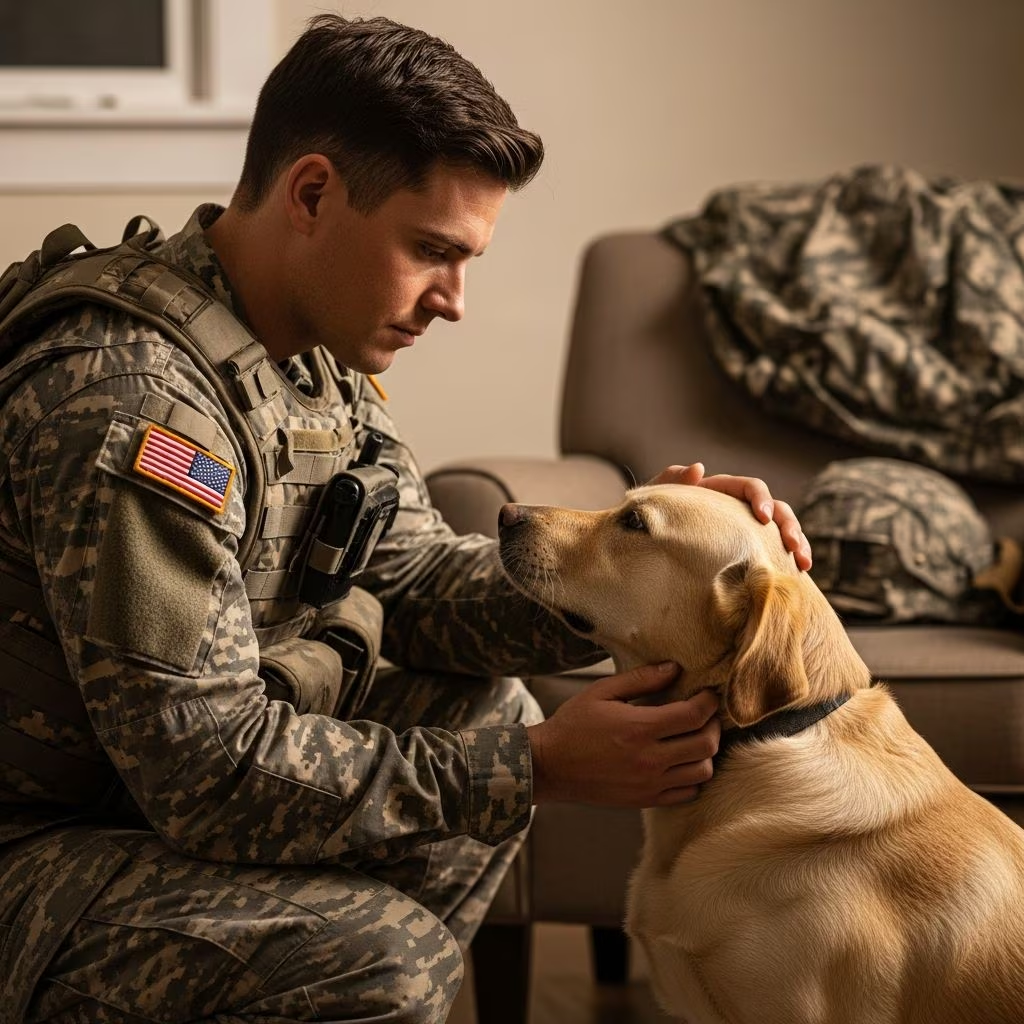
Military service members often consider their cats and dogs as cherished family members, yet the demands of deployments, permanent change of station (PCS) moves, and frequent relocations pose significant challenges to pet care. Proper planning ensures pets remain safe, healthy, and reunited with their owners. This guide covers preparation strategies, available resources, health maintenance, base living rules, and legal protections for military pet owners.
Challenges of Pet Ownership in the Military
Military life introduces unique hurdles for pet owners. Frequent deployments can separate service members from their pets for months, while PCS orders require transporting animals across states or countries, often involving quarantines or airline restrictions. Single service members or those without nearby family may struggle to find reliable caregivers. Financial strains from vet bills, pet food, and travel add pressure, especially during extended training or block leave.
Cats, in particular, are sensitive to stress from moves, potentially leading to health issues like urinary problems or appetite loss. Dogs require daily exercise, which family members must provide during absences. Base housing imposes breed restrictions, leash laws, and vaccination mandates, complicating pet-friendly living.
- Frequent relocations: Pets face upheaval every 2-3 years on average.
- Deployment durations: Up to 12 months, requiring temporary fostering.
- Financial costs: Vet care, boarding, and travel can exceed $1,000 per PCS.
- Emotional toll: Separation anxiety affects both pets and owners.
Planning for Deployments and PCS Moves
Advance planning is crucial. Start by creating a pet care binder with medical records, vaccination history, feeding instructions, and behavior notes. Update microchips and ID tags with current contact info.
Before Deployment or PCS
Make a Plan: Identify primary and backup caregivers—family, friends, or foster programs. For singles, secure written agreements outlining responsibilities, expenses, and contingencies like owner injury or pet death.
Assign Pet Duty: In families, reassign tasks like walking dogs or cleaning litter boxes. Dogs need daily exercise; cats require quiet routines to avoid stress.
Health Preparations: Schedule vet check-ups 1-2 months prior. Ensure rabies, core vaccines (FVRCP for cats, DHPP for dogs), flea/tick preventives, and heartworm meds are current. Spay/neuter to prevent litters. Provide caregivers with vet contacts and emergency funds.
Transportation Options for PCS
| Method | Pros | Cons | Best For |
|---|---|---|---|
| Airline Cargo | Fast for long distances | Stressful, strict breed/weight rules (no brachycephalic cats like Persians) | Large dogs |
| Pet-Friendly Airlines (Cabin) | Owner accompaniment | Size limits (<20 lbs), fees $125+ | Small cats/dogs |
| Ground Transport (Drive/Foster) | Less stress | Time-consuming, fuel costs | Regional moves |
| Pet Relocation Services | Professional handling | Expensive ($1,000-$5,000) | International PCS |
Check DoD pet travel policies; some bases offer reimbursement for PCS pet transport.
Pet-Friendly Resources and Organizations
Numerous nonprofits support military pet owners, offering fostering, boarding, and adoption aid at no or low cost.
- Dogs on Deployment: Fosters pets during deployments/PCS; covers vetting fees. Over 5,000 fosters nationwide.
- Guardian Angels for Soldier’s Pets: Free fostering for all branches; matches pets with volunteers.
- Pets for Patriots: Pairs shelter pets with veterans; provides training support.
- PACT for Animals: Temporary fostering and transport aid.
- Operation Military Pets (SPCA): Emergency boarding and supplies.
- American Humane Society: Foster networks and care agreements.
Base resources include vet clinics for low-cost care and pet parks. Contact your installation’s Veterinary Treatment Facility early.
Health and Veterinary Care During Service
Maintain preventive care to avoid crises. Military working animals receive specialized vet support, but personal pets rely on base clinics or civilian vets.
- Routine Check-Ups: Annual exams detect issues early.
- Vaccinations: Rabies tags mandatory on base.
- Preventives: Monthly flea/heartworm for all climates.
- Emergency Prep: Pet insurance or savings fund; know 24/7 clinics.
Cats in military housing benefit from vertical spaces to reduce stress. Dogs need obedience training for base compliance—no roaming allowed, electric fences banned.
Base Housing Pet Policies
Each installation has rules enforced by housing offices. Common across bases:
- Allowed Pets: Cats, dogs (most breeds), fish, birds, hamsters, gerbils. Exotic/restricted breeds (e.g., Rottweilers, Pit Bulls) often prohibited.
- Registration: Mandatory at base vet clinic within 30 days of arrival.
- Vaccinations: Proof required; rabies tags on collars.
- Leash Laws: Pets confined to yards/leashed off; no free-roaming.
- Fees: Pet deposits ($100-$300) plus monthly rents ($20-$50/dog).
- Visiting Pets: Notify management; max 30 days.
Off-base, check city ordinances (e.g., Altus limits certain breeds).
Legal Rights and Considerations
The Military Family Leave Act and SCRA protect pet ownership indirectly via housing rights. Landlords cannot evict for deployments if pets were allowed pre-deployment. Written pet profiles aid disputes.
Spay/neuter prevents legal issues from litters. Microchipping links pets to owners permanently.
Financial Aspects of Military Pet Ownership
Budget for:
- Annual Vet: $200-$500.
- Food/Supplies: $500-$1,200/year.
- PCS Travel: $200-$2,000.
- Boarding/Foster: $20-$50/day.
Tricare for pets? No, but base vets offer discounts. Nonprofits cover emergencies.
Frequently Asked Questions (FAQs)
What if I can’t find a foster for deployment?
Contact Dogs on Deployment or base family services immediately; they prioritize urgent cases.
Are there pet reimbursements for PCS?
Some commands reimburse up to $200 for CONUS moves; check with transportation office.
Can cats fly in-cabin internationally?
Often no due to cargo mandates and quarantines (e.g., Hawaii 120 days); use pros.
What breeds are banned on bases?
Commonly Pit Bulls, Rottweilers, Akitas—varies by housing contractor.
How to prepare cats for stress of moves?
Use Feliway diffusers, familiar bedding, and gradual crate training.
Conclusion: Responsible Pet Ownership Serves All
With preparation, military pet owners can balance duty and companionship. Leverage resources, plan ahead, and prioritize health—your pet’s loyalty deserves it.
References
- What to do with your pet when preparing for a PCS or deployment — Human Performance Resource Center. Accessed 2026. https://www.hprc-online.org/total-force-fitness/navigating-deployment/what-do-your-pet-when-preparing-pcs-or-deployment
- Pets of Military Personnel — American Humane Society. Accessed 2026. https://www.americanhumane.org/public-education/fostering-military-pets/
- Responsible Pet Ownership: Considerations for Military Life — Wescoat Village. 2023-06-13. https://www.wescoatvillage.com/blog/2023/6/13/responsible-pet-ownership-considerations-for-military-life
- Animal Health Military Jobs — The VET Recruiter. Accessed 2026. https://thevetrecruiter.com/animal-health-jobs/animal-health-military-jobs/
- The Responsibilities of Pet Ownership on Base — Altus Air Force Base. Accessed 2026. https://www.altus.af.mil/News/Article/1636486/the-responsibilities-of-pet-ownership-on-base/
- Animal Care Specialist — U.S. Army. Accessed 2026. https://www.goarmy.com/careers-and-jobs/science-medicine/general-care/68t-animal-care-specialist
- Military Pet Owners — Dogs on Deployment. Accessed 2026. https://www.dogsondeployment.org/page/military-pet-owners



