

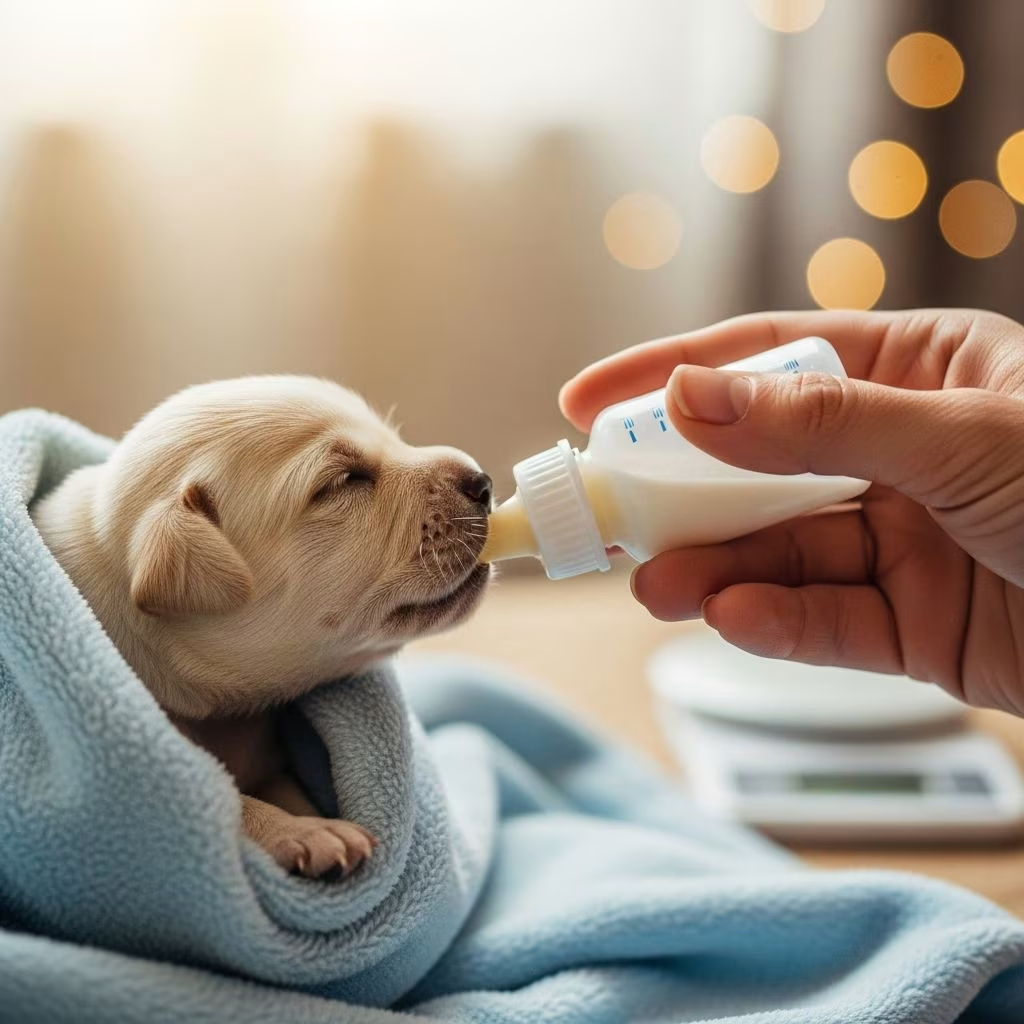
Raising orphaned newborn puppies can be an incredibly rewarding experience, but it also represents a serious responsibility that demands significant time, effort, and financial investment. These vulnerable young animals require meticulous attention to detail and immediate response to any health concerns that may arise. If you lack experience with newborn puppies, it is strongly recommended that you have a veterinarian examine the pups before you begin. While your dedication and best efforts are essential, it is important to understand that not all puppies may survive despite your care. However, providing orphaned puppies with proper nutrition, warmth, medical attention, and socialization gives them the best possible chance to grow into healthy, well-adjusted dogs.
Setting Up the Perfect Environment for Newborn Puppies
Creating an appropriate living space is fundamental to the survival and development of orphaned puppies. If these puppies were being raised by their mother, she would naturally select an environment that is soft, warm, and protected from direct sunlight. In the absence of maternal care, you must replicate these conditions precisely.
Choosing the Right Bedding
During the first week of life, use clean packing paper or newspaper layered over a flat towel as bedding material. This combination is critical because newborn puppies can become dangerously entangled in soft cloth and may suffocate if they cannot breathe freely. Once puppies demonstrate the ability to lift their heads and move around independently (typically after the first week), you can transition to towels, sheets, or blankets. As the puppies begin crawling and walking, they will use the cloth for traction, which aids in their physical development and prevents slipping.
Maintaining Optimal Temperature Control
Temperature regulation is one of the most critical aspects of newborn puppy care. During the first four to five days of life, puppies must be kept in an environment between 85 and 90 degrees Fahrenheit. A normal rectal temperature for newborn puppies ranges from 95 to 99 degrees Fahrenheit during the first week, and 97 to 100 degrees Fahrenheit during the second week. Gradually reduce the environmental temperature to 80 degrees Fahrenheit by the seventh to tenth day, and further decrease it to 70 to 75 degrees Fahrenheit by the end of the fourth week. This gradual temperature reduction allows puppies to acclimate without shock to their systems.
When managing warmth, provide heat or cooling gradually and monitor puppies closely for signs of overheating or chilling. If you have a large litter, the puppies will naturally huddle together for warmth, reducing their dependence on external heat sources. However, never allow puppies to overheat, as newborns cannot move away from excessive heat on their own and may suffer serious consequences.
Bottle-Feeding and Proper Nutrition
Providing complete nutrition to orphaned puppies requires using a high-quality commercial puppy milk replacer formula. The most commonly recommended option is Esbilac, which can be purchased through veterinarians or pet supply retailers. These commercial formulas are specifically formulated to match the nutritional composition of mother’s milk.
Preparing and Serving Milk Replacer
Follow the feeding directions provided on the milk replacer label carefully. The formula should be warmed to approximately the puppy’s body temperature, which is about 100 degrees Fahrenheit. Once a can is opened or powder is reconstituted, any unused formula must be kept refrigerated and discarded after 24 hours to prevent bacterial contamination. When puppies reach 3 to 4 weeks of age, you can begin serving milk replacer at room temperature.
Bottle-Feeding Technique
Proper bottle-feeding technique is essential to prevent aspiration and ensure adequate nutrition. Gently open the puppy’s mouth with one finger and place the tip of the nipple on their tongue. If a puppy initially refuses to eat, try gently stroking them to stimulate their natural sucking reflex. Tilt the bottle slightly upward to prevent the puppy from inhaling excessive air. Never force a puppy to nurse or allow them to nurse too rapidly, as this can lead to dangerous complications.
After each feeding session, the puppy must be burped to release swallowed air. Hold the puppy against your shoulder and gently pat their back, similar to burping a human infant. This step is crucial for preventing digestive discomfort and potential regurgitation.
Tube-Feeding as an Alternative Method
Tube-feeding may become necessary if a puppy refuses to nurse adequately using the bottle-feeding method. This technique requires professional guidance from your veterinarian, as improper technique can result in life-threatening aspiration pneumonia if formula accidentally enters the lungs. Work closely with your veterinary professional to learn the correct procedure and ensure you can safely perform tube-feeding before attempting it independently.
Essential Medical Care and Disease Prevention
Orphaned puppies are extremely vulnerable to disease and require comprehensive preventive measures and medical monitoring. Implement disease prevention protocols around the clock to protect these young animals from infection.
Creating a Sanitary Environment
Establish a bleach bath as a foot-washing station before entering the area where puppies are housed. This simple but effective measure can be created using a cat litter tray with an old towel placed in the bottom and filled with diluted bleach solution. This prevents disease transmission from contaminated footwear or clothing into the puppy care area.
Stimulation for Elimination
During the first two weeks of life, mother dogs naturally stimulate their puppies to encourage urination and defecation. In the absence of maternal care, you must provide this stimulation manually. Gently massage each puppy’s genital area with a moist cloth to encourage bladder and bowel action after each feeding. After two weeks of age, puppies should begin urinating and defecating independently. Monitor them carefully during this transition to ensure they are eliminating properly.
Nail Trimming
Orphaned puppies require frequent nail trims as their nails grow rapidly. If you have never trimmed dog nails, ask an experienced person to demonstrate the proper technique for safety. Standard human nail clippers work effectively on small puppies and can be used for this important grooming task.
Hydration and Diarrhea Management
Ensure puppies receive adequate fluid intake, as newborn puppies are highly prone to dehydration. This can be accomplished by diluting formula with extra water or providing clean, warm water via bottle or syringe between feedings. If diarrhea develops, increase fluid intake immediately. However, if diarrhea becomes severe, persists for more than three or four feedings, contains blood, or shows obvious signs of parasites, contact your veterinarian immediately and bring a fecal sample for analysis.
Visitor Restrictions and Gentle Handling
Limit the number of visitors and people who handle puppies until they are several weeks old. This precaution minimizes exposure to external pathogens and reduces stress on developing animals. Ensure that anyone who does handle the puppies does so gently and with proper hand hygiene.
Veterinary Care and Health Monitoring
Professional veterinary care is essential throughout the orphaned puppy rearing process. Your veterinarian should examine the puppies before you begin caring for them and establish a regular monitoring schedule.
Vaccinations and Deworming
Work with your veterinarian to establish an appropriate vaccination and deworming schedule. These preventive measures are critical for protecting puppies from serious infectious diseases and parasitic infections that could be fatal in young animals.
Spay and Neuter Surgery
Discuss spay and neuter procedures with your veterinarian, as this surgery should ideally be performed before puppies leave your care. Spaying or neutering can be safely performed as early as 8 weeks of age, provided the puppies weigh at least 2 pounds. Your veterinarian may want to evaluate each puppy individually and establish medical records for the puppies’ future human families.
Weaning Puppies to Solid Food
The transition from liquid nutrition to solid food is an important developmental milestone that should begin around the third week of life.
Introducing Water
During the third week, begin offering puppies a water dish. Choose a bowl that is not too large, as puppies may attempt to climb into it rather than drink from it. A shallow, stable dish prevents tipping and keeps water accessible and clean.
Introducing Gruel
After introducing water, introduce puppies to gruel, which serves as a transitional food between liquid formula and dry kibble. Prepare gruel by blending high-quality dry puppy food with commercial milk replacer. Start with a consistency that is warmed but not too thick. Place the mixture in a shallow pan where puppies can lap it up easily. As puppies become more skilled at eating gruel, you can gradually thicken the mixture to a consistency closer to regular dog food.
Feeding Schedule and Progression
Feed gruel four times daily during the weaning phase. By 6 weeks of age, most puppies can transition to a diet of regular dry puppy food moistened with a small amount of water or milk replacer. Continue providing a constant supply of fresh, clean water throughout the day. This gradual progression allows puppies’ digestive systems to adapt to solid food without digestive upset.
Socialization of Orphaned Puppies
As a foster parent or caregiver to orphaned puppies, you face the important challenge of safely socializing these animals to other dogs and the broader world. Mother dogs naturally teach their puppies social skills and appropriate behavior through interaction and example. In the absence of maternal socialization, you must assume this responsibility.
Controlled Canine Introductions
Once puppies have received appropriate vaccinations and have started developing immunity, invite fully vaccinated dog guests to visit your puppies. These controlled interactions expose puppies to appropriate canine behavior, communication, and play, helping them develop into well-adjusted adult dogs that can interact positively with other animals.
Environmental Exposure
Safely expose puppies to various environments, sounds, people, and experiences appropriate to their age and developmental stage. This exposure helps prevent fear and anxiety in adulthood and promotes confidence and adaptability. However, ensure that all exposures are controlled and safe, protecting puppies from dangerous situations or overwhelming experiences.
Essential Supplies for Orphaned Puppy Care
Before beginning to care for orphaned puppies, gather all necessary supplies and equipment. If you are working with an animal rescue organization, they may be able to provide some or all of these items:
- Puppy-specific food and commercial milk replacer formula
- Bottles, nipples, plates, and bowls appropriate for small puppies
- Heat source (heat lamp, heating pad, or heat tape)
- Safe, enclosed space for housing puppies
- Puppy pads and appropriate bedding materials
- Baby scale for monitoring weight gain
- Thermometer for monitoring temperature and puppy health
- Toys suitable for young puppies
- Cleaning supplies and disinfectants
Frequently Asked Questions About Orphaned Puppy Care
Q: What should I do if an orphaned puppy refuses to eat?
A: If a puppy refuses to nurse from a bottle, try gently stroking them to stimulate their sucking reflex. If the puppy continues to refuse bottle-feeding, consult your veterinarian about tube-feeding as an alternative method. Refusal to eat can indicate illness or other serious problems requiring immediate veterinary attention.
Q: How often should I feed newborn puppies?
A: Newborn puppies require frequent feedings, typically every 2-4 hours, depending on their age and individual needs. Your veterinarian can recommend a specific feeding schedule based on the puppies’ age and development.
Q: What is the best housing setup for orphaned puppies?
A: An open dog crate with the top removed, a large wire crate, or a kiddie pool works well for housing young puppies. Ensure that puppies cannot get their extremities stuck in any openings. Giant stuffed animals can provide comfort to young orphaned puppies.
Q: When can orphaned puppies be spayed or neutered?
A: Spaying or neutering can be performed as early as 8 weeks of age, provided the puppies weigh at least 2 pounds. Discuss the optimal timing with your veterinarian.
Q: How do I know if a puppy has diarrhea that requires veterinary care?
A: Contact your veterinarian if diarrhea is severe, lasts more than three or four feedings, contains blood, or shows obvious signs of parasites. Bring a fecal sample to the appointment for analysis.
References
- Caring for Orphaned Newborn Puppies: Feeding, Socializing, and More — Best Friends Animal Society. https://bestfriends.org/pet-care-resources/caring-orphaned-newborn-puppies-feeding-socializing-and-more
- Neonatal Care for Orphaned Puppies — We Save Pets. https://www.wesavepets.com/info/file?file=s982m2306.pdf
- Puppy Care 101 — Best Friends Animal Society. https://bestfriends.org/network/resources-tools/puppy-care-101



