

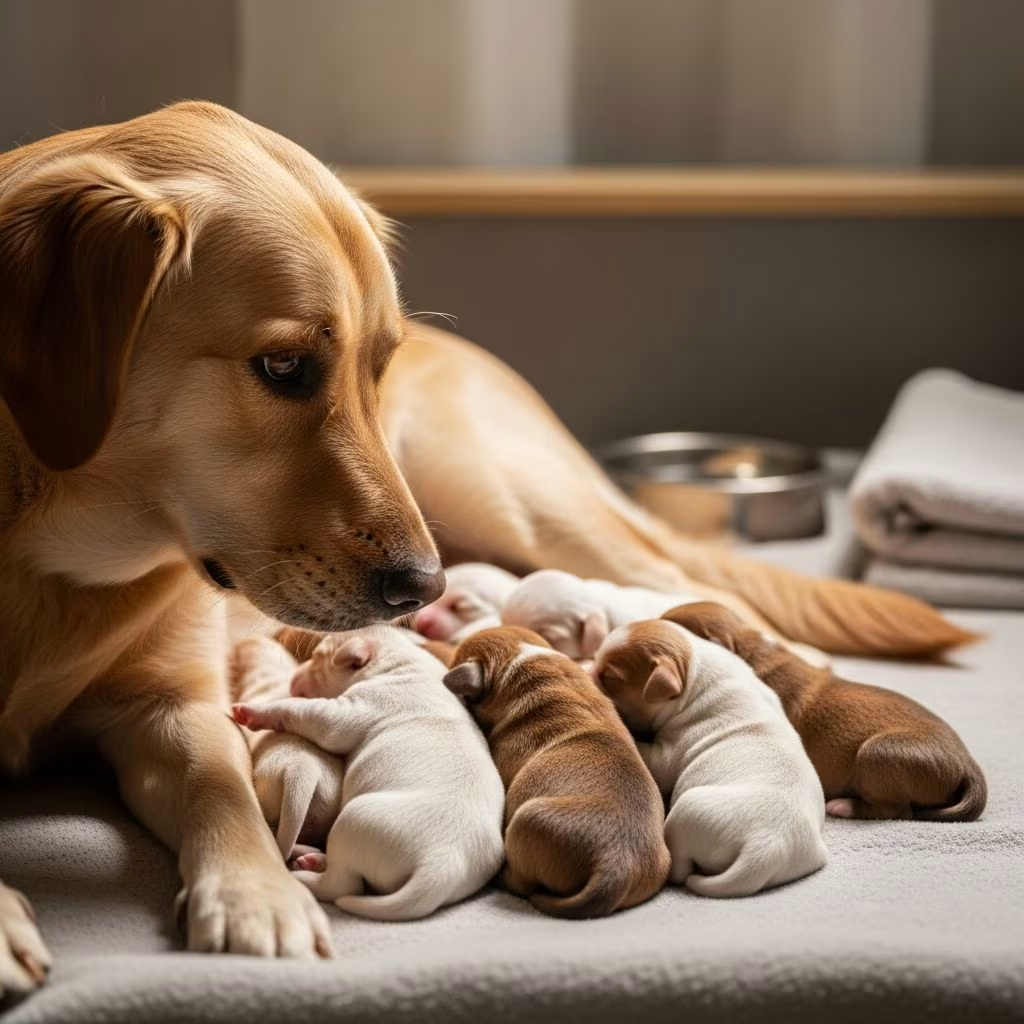
Newborn puppies require meticulous attention during their first weeks to support rapid growth and development. From maintaining ideal warmth to establishing feeding routines, caregivers must replicate the mother’s natural role for optimal health outcomes.
Creating the Perfect Whelping Environment
The whelping area serves as the puppies’ safe haven, protecting them from drafts and providing a comfortable space for bonding with the dam. Select a quiet, low-traffic room to minimize disturbances, using a sturdy box with sides high enough to contain active puppies but low enough for the mother to enter easily.
Line the base with multiple layers of clean, absorbent materials like newspapers or puppy pads for the initial days, transitioning to towels once they gain mobility to prevent slipping. Maintain hygiene by daily spot-cleaning and full bedding changes to curb bacterial growth.
Temperature control is paramount since newborns cannot thermoregulate. Aim for 85-90°F (29-32°C) in the first week, gradually lowering to 80°F by day 10 and 70-75°F by week four. Use a heat lamp or pad positioned safely away from direct contact, monitoring with a thermometer to avoid overheating. Puppies in large litters benefit from huddling, reducing supplemental heat needs.
Nutrition Essentials for Tiny Newcomers
Colostrum, the dam’s first milk, delivers critical antibodies for immunity within the initial 24 hours post-birth. Encourage nursing every 2 hours around the clock in week one, reducing to 6-8 feeds daily thereafter. Monitor for weak or rejected puppies, supplementing if the mother neglects them.
For orphans or inadequate milk production, consult a veterinarian immediately for puppy-specific milk replacer. Never use cow’s milk, as it causes digestive upset and dehydration. Warm formula to 100°F (body temperature), feeding in a facedown position to mimic natural nursing and prevent aspiration.
- Bottle-feed gently: Place nipple on tongue, tilt to avoid air, and burp midway by patting the back.
- Frequency: Every 2-3 hours initially, 20-30ml per feed scaling with weight.
- Tube-feeding: Vet-supervised for refusals, risking pneumonia if mishandled.
Track weight daily; puppies should double birth weight by day 10. Introduce semi-solid gruel around week 3-4, fully weaning by 8 weeks on high-protein puppy food soaked to porridge consistency.
Stimulating Natural Elimination Processes
Puppies depend on maternal licking for urination and defecation until 3-4 weeks. Without it, gently rub genital and anal areas with a warm, damp cloth post-feeding, mimicking the tongue’s motion for 1-2 minutes until elimination occurs.
Perform this after every meal, disposing of waste promptly to maintain cleanliness. By week 4, puppies signal needs and attempt independent toileting, marking the start of house training. Use positive reinforcement for outdoor successes, combined with crate training from week 8.
Health Monitoring and Common Challenges
Conduct thorough daily inspections: Check umbilical cords for drying (should fall off by day 3), limbs for straightness, and gums for pinkness. Weigh consistently; failure to gain or weight loss signals issues like dehydration or infection.
| Sign | Possible Issue | Action |
|---|---|---|
| Constant crying, lethargy | Hypothermia or hunger | Warm gradually, feed, vet if persists |
| Soft belly, dry gums | Dehydration | Electrolyte fluids, urgent vet care |
| Discharge from eyes/nose | Infection/sepsis | Isolate, antibiotics from vet |
| Chilled, weak suckle | Low temperature | Gradual rewarming, no feed until stable |
Vigilance prevents fatalities; low body temperature exacerbates all conditions, impairing digestion and immunity. Schedule a vet exam within 48 hours of birth for dewclaw checks and deworming advice.
Handling and Early Socialization
Limit handling to 5-10 minutes daily in weeks 1-2 to avoid stress and pathogen exposure. Wash hands thoroughly, supporting the head and body gently. From week 3, as senses awaken—eyes open around day 14—increase tactile stimulation to build confidence.
Weeks 3-8 form the socialization window: Expose to mild household sounds, gentle petting, and litter interactions for bite inhibition learning. Enroll in puppy classes post-week 8 for structured play.
- Daily weigh-ins and health logs.
- Supervised play with safe toys from week 4.
- Mother’s presence teaches boundaries.
Weekly Development Milestones
Understanding growth stages aids proactive care:
- Weeks 1-3: Sleep-dominant, senses dormant. Focus: Warmth, feeding, stimulation.
- Weeks 3-4: Eyes/ears open, crawling begins. Introduce gruel, gentle handling.
- Weeks 4-8: Walking, weaning, play. Start potty/crate training.
- Weeks 8+: Vaccinations, new homes. Continue socialization.
By week 8, puppies are ready for adoption, fully weaned and socialized.
Frequently Asked Questions
How often should newborn puppies eat?
Every 2 hours in week 1, decreasing gradually. Night feeds essential.
What if a puppy won’t nurse?
Check for cleft palate; supplement with vet-approved replacer or tube-feed under guidance.
Ideal whelping box temperature?
85-90°F first week, reduce weekly to room temperature by month 1.
When do puppies open their eyes?
Around 10-14 days; ears follow shortly after.
Signs of healthy puppies?
Steady weight gain, pink gums, firm bellies, active suckling.
Transitioning to Independence
As puppies mature, expand their space to encourage exploration while supervising. Provide chew toys for teething relief around week 6. Vaccinate at 6-8 weeks, followed by boosters. Nutrition shifts to complete puppy kibble, supporting bone and muscle development.
Partner with ethical breeders or rescues for litters from health-tested parents, minimizing hereditary risks. Consistent care yields robust, well-adjusted adults.
References
- Comprehensive Guide: How to Care for Newborn Puppies — Pets4Homes. 2023. https://www.pets4homes.co.uk/pet-advice/tips-on-how-to-care-for-newborn-puppies.html
- Raising Newborn Puppies — American Kennel Club. 2024-02-15. https://www.akc.org/expert-advice/dog-breeding/raising-newborn-puppies/
- Caring for Orphaned Newborn Puppies — Best Friends Animal Society. 2025-01-10. https://bestfriends.org/pet-care-resources/caring-orphaned-newborn-puppies-feeding-socializing-and-more
- New Puppy Care: 0-7 Weeks — PetMD. 2024-11-20. https://www.petmd.com/dog/care/new-puppy-care-0-7-weeks
- Puppy Stages: A Week-by-Week Guide — Care.com. 2023-05-12. https://www.care.com/c/puppy-care-stages-newborn-to-48-weeks/



