
Caring For Miniature Pet Pigs: The Complete Care Guide
Comprehensive guide to housing, feeding, health, and training your miniature pet pig for a happy, healthy life.
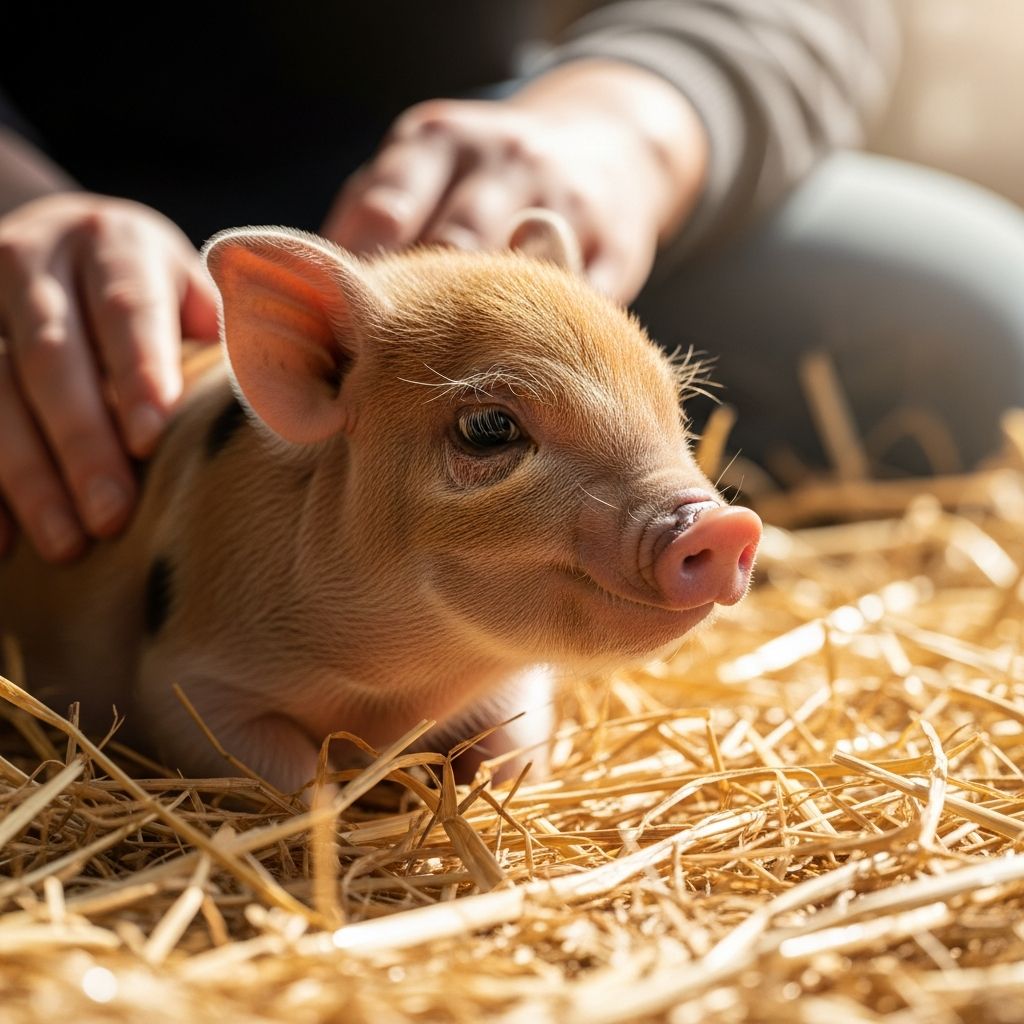
Miniature pet pigs, often called potbelly or teacup pigs, make affectionate and intelligent companions when provided with appropriate care. These animals require specific attention to diet, living spaces, health routines, and behavioral training to thrive, potentially living up to 15 years or more.
Understanding the Needs of Mini Pigs
Miniature pigs are highly social creatures with natural instincts for rooting, foraging, and exploring. Unlike dogs or cats, they demand ample space for movement and environmental enrichment to prevent boredom and obesity. Owners must commit to daily exercise, precise feeding, and regular veterinary oversight to support their physical and mental health.
Creating the Ideal Living Environment
A suitable habitat balances indoor comfort with outdoor access. Indoors, pigs prefer temperatures between 60–75°F (15–24°C) and humidity levels of 55%-70%, mimicking their natural preferences. Provide a draft-free area with deep bedding like straw, hay, or blankets for nesting and rooting.
- Use puppy pens or fenced non-carpeted rooms initially to aid litter training.
- Include rooting boxes filled with smooth stones or soil for foraging simulation.
- Ensure 12-hour light-dark cycles to regulate sleep patterns.
Outdoors, designate at least 8×15 feet per pig with a sheltered house (minimum 6 sq ft), concrete or paver surfaces for hoof wear, and a wading pool for cooling. Fencing must be sturdy (4–5 ft high) to contain their strong rooting behavior. Rotate areas to prevent soil over-digging and provide heat lamps or blankets in winter.
Nutrition and Feeding Strategies
Pet pigs need specialized diets to avoid obesity, a common issue. Feed complete, low-calorie pelleted rations formulated for mini pigs twice daily, measured by weight rather than volume. Avoid table scraps, which disrupt nutrition balance.
| Age Group | Daily Feed Amount | Treats Allowed |
|---|---|---|
| Piglets (under 6 months) | 1–2% body weight | Small veggies like celery |
| Adults | 1.5–2% body weight | Grass hay, unsalted popcorn |
| Obese Pigs | 1% body weight | Low-cal fruits (e.g., watermelon pieces) |
Always provide unlimited fresh water via heavy, spill-proof bowls or automatic waterers. Separate food and water from bedding to maintain hygiene. Supplements like grass hay aid fiber intake and hunger control. Monitor body condition weekly: ribs should be palpable without excess fat.
Health Maintenance and Veterinary Care
Establish a vet experienced in pigs before adoption. Routine care includes spaying/neutering by 2–3 months to curb aggression and reproductive cancers, annual vaccinations (rabies, erysipelas, PCV2), and deworming every 6 months. Pigs hide illness as prey animals, so watch for lethargy, appetite loss, or lameness.
- Dental and Tusk Care: Trim tusks every 6–24 months (faster in intact males); annual dental checks prevent overgrowth.
- Parasite Control: Monthly preventives for internal/external parasites.
- Obesity Prevention: Weigh regularly; promote exercise.
Bloodwork annually screens for diabetes, common in overweight pigs. Lifespan averages 12–15 years with diligent care.
Grooming and Physical Maintenance
Mini pigs produce skin oils, leading to dry skin; apply lotion daily or every other day. Bathe monthly with mild shampoo, hoof trimming 3–4 times yearly (or via walks on concrete), and nail filing from young age to prevent joint issues.
Handle feet daily during piggyback rides or pets to build tolerance. Tusk trimming requires sedation for safety.
Behavior, Socialization, and Training
Pigs are smarter than dogs, learning commands via positive reinforcement (treats, praise). Socialize early to reduce fear aggression.
Housetraining Methods
Pigs naturally use one latrine spot. For indoors:
- Use large, shallow litter pans (e.g., kiddie pools) with pelleted litter, placed away from food/sleep areas.
- Schedule potty breaks; reward success.
- Transition older pigs outdoors.
Harness and Exercise Training
Fit pig-specific harnesses; introduce during meals. Daily 1-hour walks on varied surfaces wear hooves and burn calories. Provide rooting mats with hidden treats for mental stimulation.
Crate and Handling Training
Feed in carriers for vet trips. Hold by supporting chest and rump, never legs. Teach side-lying for exams with belly rubs.
Address dominance via neutering and leadership consistency. Multiple pigs need monitored introductions to avoid fights.
Exercise and Enrichment Essentials
Minimum 2 hours daily activity prevents destructive rooting. Indoor toys: balls, puzzle feeders. Outdoor: digging pits, agility courses. Obesity risks rise without routine; walks double as bonding.
Common Challenges and Solutions
| Issue | Symptoms | Solution |
|---|---|---|
| Obesity | Visible fat rolls, reluctance to move | Reduce calories, increase exercise |
| Dry Skin | Flaking, itching | Daily lotion, omega supplements |
| Aggression | Nipping, charging | Spay/neuter, training consistency |
| Hoof Overgrowth | Lameness, joint pain | Regular trims, concrete walks |
FAQs on Mini Pig Ownership
Do mini pigs stay small?
No, most reach 100–200 lbs; ‘teacup’ is a misnomer. Genetics and diet influence size.
Can mini pigs live indoors full-time?
Yes, with ample space, rooting toys, and outdoor time; they adapt well but need exercise.
What vaccines do they need?
Rabies, erysipelas, PCV2 annually post-first year.
How often should I trim hooves?
3–4 times yearly, or more if not walking on abrasive surfaces.
Are mini pigs good with kids/other pets?
Yes, if socialized; supervise to prevent rooting accidents.
Long-Term Commitment
Adopting a mini pig means 15+ years of dedication. Budget for vet bills ($500–2000/year), premium feed, and enclosures. Rescue groups emphasize research pre-adoption to curb surrenders.
References
- Pigs as pets – what to know before adopting a mini pig — BC SPCA. 2023. https://spca.bc.ca/news/mini-pigs/
- HOW TO CARE FOR MINI PIGS!!! — YouTube (Video Transcript). 2019-10-01. https://www.youtube.com/watch?v=0Qn6tb7eu6I
- Basic Miniature Pig Care — Pets On The Shore Veterinary Hospital. 2022. https://petsontheshorevh.com/storage/app/media/Mini-Pig-Basic-Care-Client-Handout-1.pdf
- Care for Your New Mini Pig: Tips and FAQs — Squeals on Wheels. 2024. https://www.squealsonwheels.us/pig-care-faq
- Housing and Environment for Your Mini-Pig — VCA Animal Hospitals. 2023-05-15. https://vcahospitals.com/know-your-pet/housing-and-environment-for-your-mini-pig
- Caring For Your Mini Pig — American Mini Pig Association. 2024. https://americanminipigassociation.com/mini-pig-education/caring-for-your-mini-pig/
- Management of Miniature Pet Pigs — Merck Veterinary Manual. 2023-11-01. https://www.merckvetmanual.com/exotic-and-laboratory-animals/miniature-pet-pigs/management-of-miniature-pet-pigs
Similar Articles








Read full bio of medha deb


