

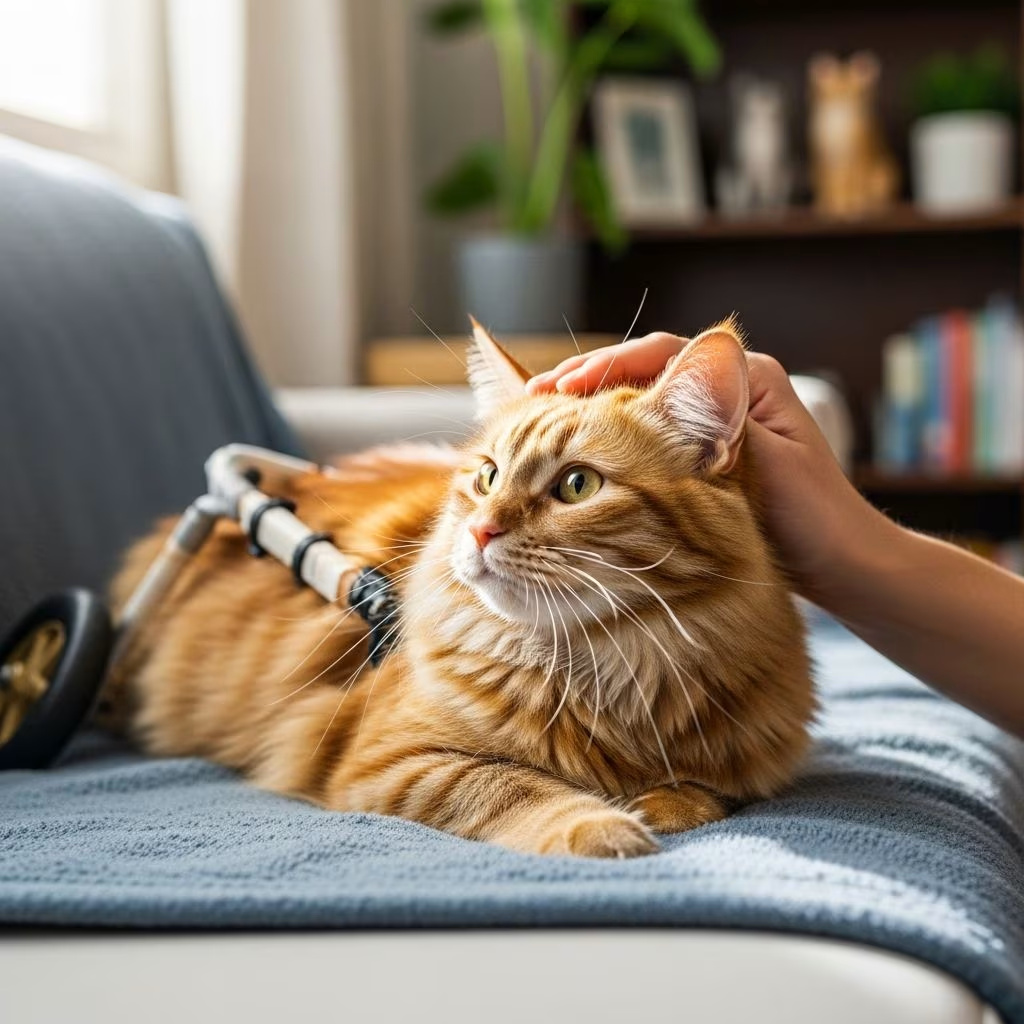
Providing a nurturing environment for cats with disabilities transforms challenges into opportunities for deep companionship. These resilient felines often adapt remarkably well, relying on heightened senses and instincts to navigate life fully when supported properly. This comprehensive guide explores essential strategies for daily care, home adaptations, and emotional well-being to help your cat flourish.
Understanding Common Feline Disabilities
Cats may face various conditions affecting mobility, vision, hearing, or overall function. Mobility impairments, such as paralysis from injury or cerebellar hypoplasia, limit movement and require physical aids. Blindness, often congenital or age-related, shifts reliance to smell and hearing. Deafness, typically genetic in white cats, demands visual cues for interaction. Chronic issues like arthritis add pain management needs. Recognizing the specific disability guides tailored care.
Preparing Financially for Long-Term Care
Commitment to a disabled cat involves budgeting for ongoing expenses. Frequent veterinary visits for monitoring and pain relief can add up, alongside specialized diets for joint health or incontinence. Equipment like custom wheelchairs ($50–$500), low-entry litter boxes ($30–$100), and hygiene supplies ($50–$200) represent one-time investments that pay off in quality of life.
| Item | Cost Range | Purpose |
|---|---|---|
| Wheelchairs & Ramps | $50–$500 | Mobility support |
| Modified Litter Boxes | $30–$100 | Easy access |
| Hygiene & Grooming Kits | $50–$200 | Incontinence management |
| Elevated Bowls | $20–$50 | Comfortable feeding |
Insurance or savings funds mitigate surprises, ensuring sustainable care without compromise.
Transforming Your Home into an Accessible Sanctuary
Simple modifications make everyday tasks feasible and safe. Prioritize clear pathways by removing clutter and securing rugs with non-slip mats for traction on slick floors. Install baby gates to block stairs until your cat masters navigation. Ramps and pet steps grant access to furniture, couches, or beds, leveraging strong front limbs in paralyzed cats.
- Elevate food and water stations: Raise bowls 4–6 inches to reduce neck strain, placing multiples around the home for convenience.
- Choose senior-friendly litter solutions: Opt for oversized, low-sided boxes or add ramps for entry.
- Enhance climbing options: Carpeted posts and stable trees support balance without jumping risks; pad bases for falls.
- Harness for support: Secure harnesses aid lifting and outdoor exploration safely.
Maintain consistency—avoid rearranging furniture to preserve mental maps, especially for visually impaired cats. Indoor-only living prevents accidents, with catios offering secure fresh air.
Hygiene and Grooming Routines for Mobility-Challenged Cats
Reduced mobility hinders self-grooming, risking skin issues or infections. Daily checks involve gentle wiping with pet-safe cloths and shallow baths every few days using feline-specific products—never human shampoos. Clean bedding and floors diligently to avert urinary tract problems from dragging.
For incontinence, diapers provide dignity, changed frequently. Massage during grooming stimulates circulation and bonds you closer. Keep nails trimmed to prevent snags, and brush regularly to distribute oils.
Therapy, Exercise, and Mental Stimulation
Prevent atrophy and boredom with daily routines. Passive range-of-motion exercises gently flex limbs without forcing limits, paired with massages to ease stiffness. Wheelchairs or blanket slings enable walking, building confidence.
Enrichment toys, puzzles, and play sessions combat depression. For all disabilities, interactive time fosters joy—deaf cats love visual chases, blind ones scent-based games. Climbing posts for paralyzed cats utilize upper body strength.
Sensory Adaptations for Blind Cats
Blind cats excel using whiskers, hearing, and smell. Consistency is key: fixed positions for bowls, boxes, and beds create reliable navigation.
- Announce approach with voice or foot stomps to avoid startles.
- Use textured mats under essentials for tactile cues.
- Bell collars on housemates signal positions.
- Scent markers (e.g., lavender on stairs) denote changes.
- Safe rooms initially limit exploration, expanding gradually.
Toys with noise or aroma engage fully; moving homes requires phased introduction with familiar scents.
Communication Strategies for Deaf Cats
Deaf cats thrive on visual and vibrational signals. Approach from front views, using claps or stomps for alerts.
- Gentle touches and brushes provide comfort over sound.
- Visual toys and laser pointers spark play.
- Hand signals for routines build understanding.
- Indoor living with catio access ensures safety.
They remain affectionate, enjoying the same lap time as hearing peers.
Addressing Mobility Limitations and Pain Management
For paralysis or arthritis, wheelchairs restore independence. Vets may prescribe meds, supplements, or acupuncture for relief. Elevated feeding minimizes spinal stress, and soft bedding cushions joints. Never declaw—claws aid balance.
Emotional Commitment and Adoption Considerations
Beyond logistics, emotional investment deepens the bond. Shelters detail histories, prognosis (stable vs. progressive), and needs upfront. Cats with disabilities offer unwavering love, adapting with support for full lives.
Frequently Asked Questions (FAQs)
Can disabled cats live long, happy lives?
Yes, with adaptations, many exceed average lifespans, enjoying play and affection.
Are special diets necessary?
Often, for joint health or digestion; consult vets for prescriptions.
How do I introduce a disabled cat to my home?
Start in a safe room with essentials, supervise expansion.
Is outdoor access safe?
Prefer indoors or enclosed catios to avoid hazards.
What if my cat’s condition worsens?
Regular vet checkups track progress; therapies adjust accordingly.
References
- How To Care For Disabled Cats or Cats With Special Needs — Litter-Robot. 2023. https://www.litter-robot.com/blog/cats-with-special-needs/
- Caring for Cats With Disabilities — Paws for Compassion. 2023. https://pawsforcompassion.org/animal-wellbeing/cat-with-disabilities/
- CARING FOR A DISABLED CAT OR DOG — Country Veterinary Clinic. 2023. https://www.countryvet.net/blog/caring-for-a-disabled-cat-or-dog.html
- Adopting & Caring for a Deaf, Blind or Special Needs Cat — Purina. 2023. https://www.purina.com/articles/cat/getting-a-cat/adopting-special-needs-cats
- Disabled cats | Caring for special needs — Cats Protection. 2023. https://www.cats.org.uk/help-and-advice/health/disabled-cats
- Real Life Stories of Caring for Cats with Disabilities — Hill’s Pet Nutrition. 2023. https://www.hillspet.com/cat-care/healthcare/caring-for-cats-with-disabilities



