

Understanding Post-Operative Incision Care for Dogs
After your dog undergoes surgical procedures, proper incision care is critical to ensure successful healing and prevent complications. Whether your pet has undergone a minor procedure or major surgery, understanding how to care for the surgical incision during the recovery period is essential for pet owners. The post-operative phase requires careful attention to detail, consistent monitoring, and adherence to veterinary instructions to promote optimal wound healing and minimize the risk of infection or other complications.
General Guidelines for All Surgical Incisions
The general instructions for incision care remain consistent regardless of the type of surgical procedure performed. All fresh surgical incisions require a clean, dry environment to heal properly. Your veterinarian will provide specific discharge instructions tailored to your dog’s individual needs, but several universal care principles apply to all surgical wounds.
Activity Restriction and Exercise Management
One of the most important aspects of post-operative care involves significantly limiting your dog’s physical activity. Under no circumstances should a dog with a fresh surgical incision be allowed to run off-leash during the recovery period. Excessive activity can place strain on the incision, potentially causing the sutures to break apart or the wound to bleed, which delays healing and increases infection risk.
You should restrict your dog’s activity for 7 to 14 days to allow the incision to begin the healing process. When you do take your dog outdoors, keep him on a short leash and maintain brief walks. During this critical recovery period, do not allow your dog to jump, play with other dogs, or engage in any strenuous activity that could cause excessive stretching of the surgical incision. Your veterinarian may recommend cage rest or confinement in a small room to minimize unnecessary movement and stress on the incision site.
Preventing Interference With the Incision
Do not allow your dog to lick or scratch at the incision, as he may pull out the sutures and could introduce harmful bacteria into the wound, leading to serious infection. If your dog persists in licking or chewing at the incision, he may need to wear an Elizabethan collar, commonly known as a cone, to prevent this destructive behavior. Many dogs find these collars strange initially and will attempt to remove them, but most dogs quickly settle down and tolerate wearing the collar within a short time. Depending on the incision location, a surgical recovery garment that covers the incision may be worn as an alternative. Your veterinarian can advise you on the most suitable option for your dog’s specific situation.
Bathing and Moisture Prevention
Do not bathe your dog or allow the incision to get wet. Never apply any cream, ointment, disinfectant, or other substance to the incision unless specifically instructed to do so by your veterinarian. NEVER clean the incision with hydrogen peroxide or alcohol, as these products will damage the healing cells and delay the recovery process. Surgical incisions are sensitive and require a sterile, dry environment to heal properly, making moisture prevention essential for successful wound healing.
What Should the Incision Look Like?
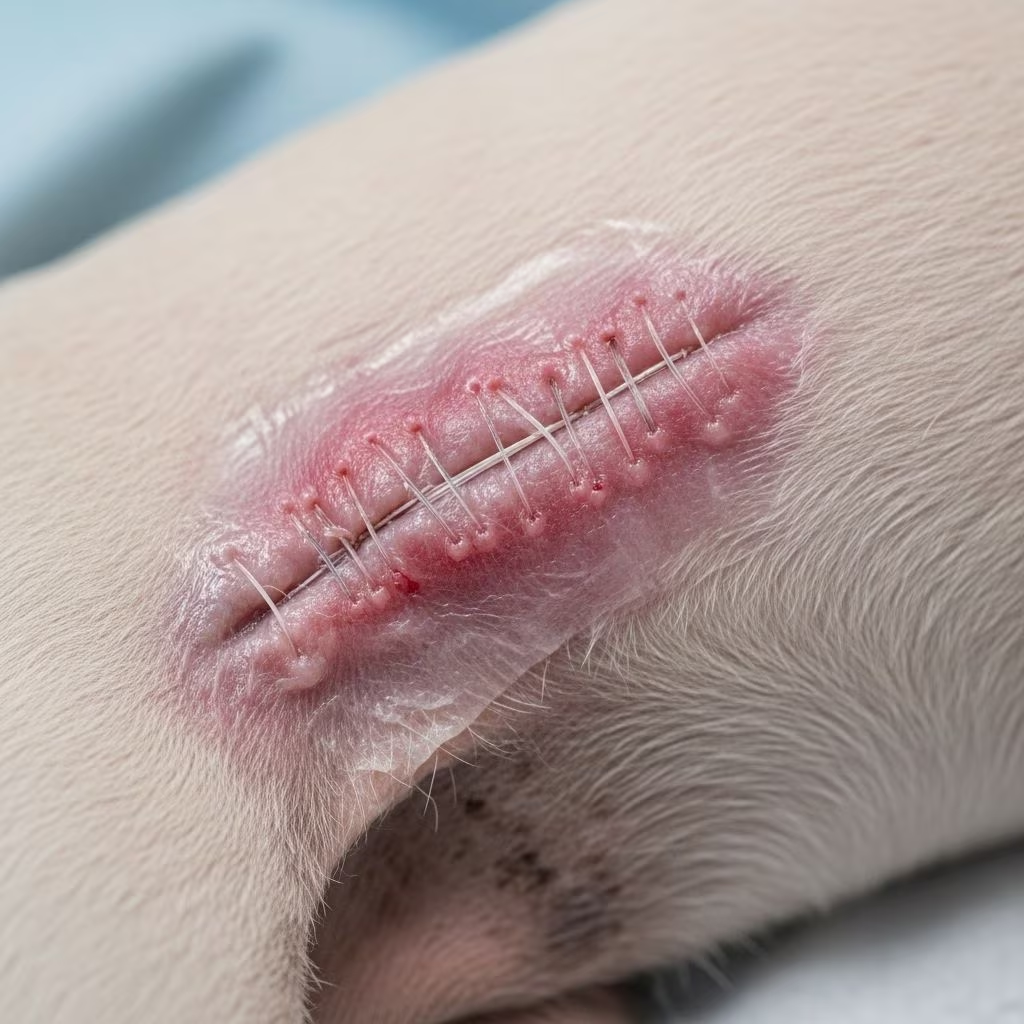
Understanding what constitutes normal healing appearance is vital for detecting complications early. The incision should be clean and the edges should touch each other closely. The skin should be a normal color or slightly reddish pink. It is not unusual for the incision to be slightly redder during the first few days while healing begins, as this indicates the body’s natural inflammatory response to injury.
In pale-skinned dogs, bruising is often seen around the surgical site. This bruising may not appear until several days after the operation and can sometimes appear much larger than the incision due to blood seepage under the skin edges. In some cases, a small amount of blood may seep intermittently from a fresh incision in the first 24 hours, especially if your dog is active. This minimal bleeding is typically normal and should not cause significant concern if it occurs only in the immediate post-operative period.
Daily Incision Inspection
If the incision is not bandaged, you should inspect it at least twice daily. Taking a picture of the incision on day one and each day thereafter can help you track the healing process and identify any subtle changes that might indicate problems. These photographs provide a useful reference for your veterinarian during check-up visits and help document the progression of healing over time.
Managing Surgical Drains
If a surgical drain was placed during the procedure, you may be instructed to clean the drain several times per day, depending on the amount of fluid being produced. Your veterinarian will provide specific instructions on drain care and will advise you when to return to the veterinary clinic to have the drain removed. Most drains are removed once the fluid production decreases to acceptable levels, typically within 7 to 14 days post-surgery.
Recognizing Complications and Warning Signs
While most surgical incisions heal without complications, it is essential to monitor your dog closely for any signs of problems. Contact your veterinarian immediately if you notice any of the following warning signs:
- Continuous dripping or seepage of blood or other fluids from the incision
- Intermittent blood seepage that continues for more than 24 hours
- Swelling, excessive redness of the skin, foul smells, or discharge
- Your dog has removed some or all sutures
- Signs of infection such as increased warmth, severe redness, or pus-like discharge
- The incision edges are separating or gaping open
- Your dog shows signs of pain, fever, or lethargy
These signs may indicate infection, delayed healing, or other complications requiring immediate veterinary attention. Early intervention can prevent serious problems and ensure your dog’s swift recovery.
Suture and Staple Removal Timeline
Understanding when sutures need to be removed is an important aspect of post-operative care. If your dog’s incision has sutures buried beneath the skin surface (absorbable sutures), they do not require removal as they will dissolve naturally over time. If your dog’s incision has non-dissolving sutures, staples, or stent sutures, they are usually removed 10 to 14 days after surgery, depending on the type of surgery performed and the healing progression.
Your veterinarian will inform you when to return to the clinic for suture or staple removal. It is important to keep this appointment, as removing sutures at the appropriate time helps prevent complications such as permanent scarring from the sutures or delayed wound healing. During the removal appointment, your veterinarian will assess the incision’s healing status and may provide additional instructions for continued care during the remaining recovery period.
Special Considerations for Tension-Relieving Sutures
If the surgical procedure involved tissue loss, such as removal of a large mass, repair of a large wound, or cutting away infected or dead tissue, the incision may be under significant tension. Excessive tension across an incision line may cause the wound to gape open and delay healing. To minimize tension across the incision line, your veterinarian may use a special tension-relieving suture pattern or a type of skin suture called a stent suture, which involves the addition of some tubing or a button to the skin layer. These specialized techniques help distribute tension more evenly across the incision and promote better healing outcomes.
Recovery Timeline and Activity Resumption
The recovery period varies depending on the type and extent of surgery performed. Understanding the expected timeline helps you plan appropriately and manage your dog’s recovery expectations.
Minor Procedures
In the case of a minor procedure involving a small incision, you should continue restricting exercise for a few days after sutures are removed. Most minor incisions heal within 10 to 14 days, after which your dog can gradually resume more normal activities under your supervision.
Major Surgery
If your dog underwent major surgery or has a large incision, a longer recovery period will be required and may involve keeping your dog housebound for several weeks. The extended recovery time allows internal tissues and deeper structures to heal properly before subjecting them to increased activity and stress. Your veterinarian will give you detailed instructions on how long to restrict your dog’s activities following surgery and will likely schedule follow-up appointments to monitor healing progress.
Gradual Activity Progression
Even after the initial restriction period ends, gradually increase your dog’s activity level rather than returning immediately to pre-surgery exercise levels. This gradual progression allows the incision site to continue strengthening and reduces the risk of complications from sudden increased activity. Monitor your dog’s behavior for any signs of discomfort or complications as activity levels increase.
Monitoring Healing Progress
Keeping a recovery journal can be incredibly helpful for tracking your dog’s healing progress. Document the appearance of the incision, any discharge or bleeding, your dog’s behavior and appetite, and any concerns you notice. This information proves valuable during veterinary check-ups and helps your veterinarian assess whether healing is progressing normally.
Attend all scheduled follow-up appointments, even if your pet seems to be doing well. These visits give the veterinary team a chance to catch any problems early and adjust care instructions if needed. Your veterinarian will check the incision, remove stitches or staples if necessary, and examine your pet to ensure healing is progressing appropriately.
Frequently Asked Questions About Surgical Incision Care
Q: How often should I check my dog’s incision?
A: If the incision is not bandaged, you should inspect it at least twice daily. Take photographs to track healing progress, and contact your veterinarian if you notice any signs of complications.
Q: Can I bathe my dog while the incision is healing?
A: No, do not bathe your dog or allow the incision to get wet for the duration of the prescribed recovery period. Keeping the incision dry is essential for proper healing and infection prevention.
Q: What should I do if my dog licks the incision?
A: If your dog licks or chews at the incision, use an Elizabethan collar (cone) or surgical recovery garment to prevent this behavior. Licking can introduce bacteria and cause the sutures to break, leading to serious complications.
Q: When will the sutures be removed?
A: Most non-dissolving sutures and staples are removed 10 to 14 days after surgery. Your veterinarian will schedule this appointment and advise you of the specific timing based on your dog’s surgery type and healing progress.
Q: Is it normal for the incision to be red?
A: Slight redness during the first few days is normal as the body’s healing response begins. However, excessive redness, swelling, foul smell, or discharge may indicate infection and warrants immediate veterinary attention.
Q: How long should I restrict my dog’s activity?
A: Activity should be restricted for 7 to 14 days initially, with longer restrictions for major surgery. Your veterinarian will provide specific recommendations based on your dog’s individual case and will advise when activity can be gradually increased.
Q: Can I apply anything to the incision to help it heal?
A: Never apply any substances to the incision without veterinary approval. Do not use hydrogen peroxide, alcohol, or other products unless specifically instructed by your veterinarian, as these can damage healing tissue and delay recovery.
References
- Care of Surgical Incisions in Dogs — VCA Animal Hospitals. 2025. https://vcahospitals.com/know-your-pet/care-of-surgical-incisions-in-dogs
- How to Check Your Pet’s Stitches After Surgery — PetMD. 2025. https://www.petmd.com/dog/general-health/how-to-check-pet-stitches-after-surgery
- Wound Care: Tips for Keeping Your Pet’s Incision Clean — Animal Medical Center AV. 2025. https://www.animalmedicalcenterav.com/the-blog/wound-care-tips-for-keeping-your-pets-incision-clean
- What to Put on Dog’s Surgery Incision (Vet Guidelines) — PetsCare.com. 2025. https://www.petscare.com/news/faq/can-i-put-anything-on-my-dogs-surgery-incision
- Care of Surgical Incisions in Dogs — North Park Veterinary Hospital. 2025. https://bramptonveterinarian.com/care-of-surgical-incisions-in-dogs/
- Spay/Neuter Post-Surgical Care and Recovery Instructions — Animal Humane Society. 2025. https://www.animalhumanesociety.org/resource/spayneuter-post-surgical-care-and-recovery-instructions



