

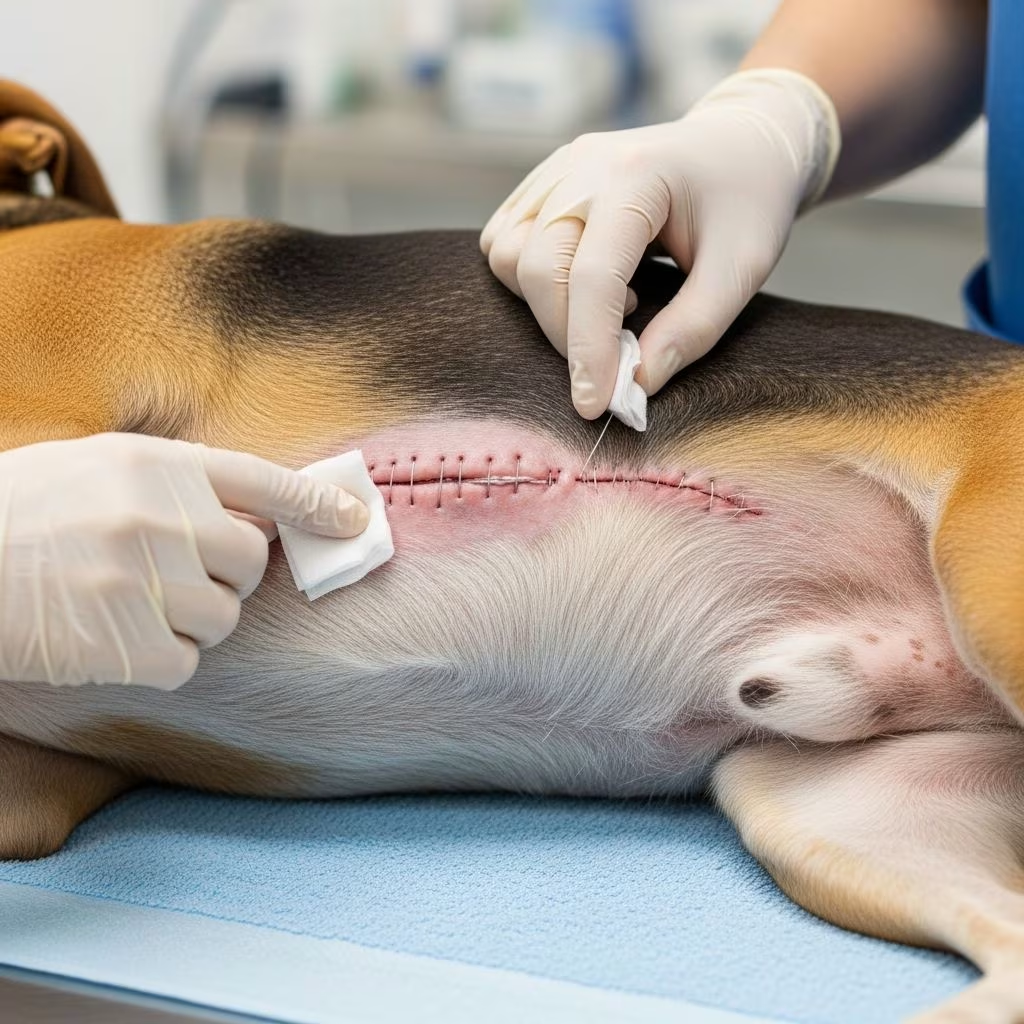
Care of Surgical Incisions in Dogs
After your dog undergoes surgery, proper incision care is critical to ensure successful healing and prevent complications. Surgical incisions require vigilant monitoring and specific care protocols to promote tissue repair, minimize infection risk, and support your pet’s overall recovery. This comprehensive guide covers everything you need to know about managing your dog’s surgical wounds at home.
Understanding the Healing Process
Surgical incisions follow a natural healing progression that typically begins immediately after surgery. Most surgical incisions start to seal within the first 48 to 72 hours, but complete healing takes considerably longer. Understanding this timeline helps you recognize normal healing versus potential complications. The healing process involves multiple stages, including inflammation, tissue formation, and remodeling, which can take weeks to complete depending on the surgical site and your dog’s overall health.
During the initial healing phase, it’s essential to maintain the incision site in optimal conditions. Your veterinarian will provide specific instructions based on the type of surgery performed, the closure method used (stitches, staples, or surgical glue), and your individual dog’s needs. Following these post-operative instructions precisely is one of the most important factors in preventing complications.
Daily Incision Inspection and Monitoring
Regular inspection of the surgical site is fundamental to identifying problems early. You should examine your dog’s incision at least twice daily, noting any changes in appearance, discharge, or your dog’s behavior around the wound.
What to Look For During Daily Inspections:
- Swelling or enlargement of the incision area
- Redness or discoloration of the skin surrounding the incision
- Discharge, pus, or unusual drainage from the wound
- Separation of the incision edges (dehiscence)
- Scabs or crust formation that appears abnormal
- Unusual odor emanating from the incision site
- Excessive licking, chewing, or scratching at the wound
- Changes in your dog’s behavior, such as reluctance to move or signs of pain
Many veterinarians recommend keeping a recovery journal or taking daily photos of the incision to document healing progress. This photographic record can be invaluable when communicating with your veterinary team about any concerns. If you notice any abnormalities or are uncertain whether healing is progressing normally, contact your veterinarian immediately rather than waiting for a scheduled appointment.
Keeping the Incision Clean and Dry
Maintaining a clean, dry incision site is critical for preventing bacterial contamination and supporting proper wound healing. However, improper cleaning can actually delay healing or cause irritation, so it’s important to follow your veterinarian’s specific instructions.
Proper Cleaning Guidelines:
- Do not apply ointments, hydrogen peroxide, or alcohol to the incision unless specifically instructed by your veterinarian
- Avoid using over-the-counter antibiotic ointments or wound products
- Do not submerge the incision in water or bathe your dog during the recovery period
- If the incision becomes soiled, gently clean it with warm tap water and pat dry with a clean cloth
- Use clean, dry towels or sheets to cover the incision when going outdoors
- Remove any bandages according to your veterinarian’s schedule
- Change bandages frequently if drainage is occurring
Your veterinarian may recommend specific cleansing solutions such as chlorhexidine for certain surgical sites. The incision needs adequate air circulation and oxygen exposure to heal properly, which is why many veterinarians advise against covering the wound with bandages or ointments unless necessary. Keep the surrounding area free of dirt, debris, and other contaminants that could introduce bacteria into the wound.
Preventing Licking and Chewing
One of the biggest challenges during post-operative recovery is preventing dogs from disturbing their incisions through licking or chewing. Dogs instinctively lick wounds, but this behavior can introduce bacteria, remove sutures, and significantly delay healing. Protecting the incision from your dog’s attention is essential.
Protective Measures:
- Use an Elizabethan collar (cone) as the most effective barrier
- Try soft cones or inflatable collars if your dog struggles with traditional hard cones
- Consider surgical suits or medical pet shirts designed for post-operative protection
- Monitor your dog while wearing any protective gear to ensure it fits properly
- Keep the collar on during unsupervised periods and at night
- Don’t remove the collar prematurely, even if your dog seems uncomfortable
While many dog owners feel sympathetic about their pet wearing a cone, premature removal significantly increases the risk of complications. Most dogs adjust to wearing protective gear within a few hours. If your dog continues struggling with one type of protection, discuss alternative options with your veterinarian rather than leaving the incision unprotected.
Activity Restriction and Exercise Management
Restricting your dog’s physical activity is crucial for preventing incision complications. Excessive movement, jumping, running, or rough play can cause the incision to reopen, lead to internal bleeding, or cause other serious complications. Activity restriction typically lasts 10 to 14 days, though your veterinarian may recommend longer periods for certain surgical procedures.
Activity Guidelines During Recovery:
- Confine your dog to a small, quiet space with minimal stimulation
- Restrict activity to short, supervised leash walks solely for bathroom breaks
- Prevent jumping on furniture or playing with other pets
- Avoid strenuous activities or rough play of any kind
- Use a stroller or carrier for longer outings rather than allowing your dog to walk
- Separate your dog from other animals that might encourage active play
- Keep children calm and remind them not to roughhouse with the recovering pet
Providing a calm, controlled environment helps your dog’s body focus energy on healing rather than activity. A confined room with comfortable bedding, access to water and food, and a calm atmosphere is ideal for post-operative recovery. The temporary lifestyle changes, though challenging for active dogs, significantly improve healing outcomes and reduce the risk of serious complications.
Environmental Considerations
Your dog’s recovery environment significantly impacts healing success. Keeping your recovering pet in appropriate conditions reduces infection risk and supports optimal tissue repair.
Environmental Care Tips:
- Keep your dog indoors where conditions remain clean and controlled
- Maintain a warm, dry living space
- Avoid taking your dog to public parks, dog parks, or boarding facilities
- Prevent contact with dirty or contaminated surfaces
- If outdoor time is necessary, limit it to your yard and keep the incision covered
- Avoid environments where other dogs frequent, which could introduce bacteria
- Maintain cleanliness of bedding and living areas
Exposure to dirt, bacteria, or other animals during the critical healing period significantly increases infection risk. Keeping your dog in a clean, controlled environment minimizes these risks considerably.
Medication Management
Your veterinarian will likely prescribe medications to support healing and prevent complications. Adhering to the medication schedule exactly as prescribed is essential for optimal recovery.
Medication Guidelines:
- Administer all prescribed antibiotics exactly as directed, even if your dog appears to be healing well
- Complete the full course of any prescribed medications
- Give pain relief medications as prescribed to keep your dog comfortable
- Follow dosing schedules precisely
- Give medications with food if recommended to prevent stomach upset
- Inform your veterinarian of any side effects or concerns
- Don’t skip doses or stop medications early
Antibiotics help prevent bacterial infection, while pain management allows your dog to rest comfortably without excessive movement. Some dogs may also benefit from anti-inflammatory medications or vitamins and supplements to support healing. Take these medications exactly as directed to maximize their effectiveness.
Recognizing Infection Signs
Despite proper care, infections can occasionally develop. Recognizing the signs of infection early allows for prompt veterinary intervention and prevents serious complications.
Signs of Incision Infection:
- Increased redness or swelling around the incision
- Discharge that is yellow, green, or foul-smelling
- Warm sensation around the incision site
- Separation of incision edges
- Scabs that don’t form properly or continuously break down
- Your dog showing increased pain or reluctance to move
- Fever or signs of illness
- Excessive licking or chewing, potentially indicating pain or infection
If you observe any of these signs, contact your veterinarian immediately. Early treatment of infections is much more successful than waiting for conditions to worsen. Your veterinarian may need to prescribe additional antibiotics, perform wound debridement to remove infected tissue, or in severe cases, recommend hospitalization for intravenous antibiotics and intensive monitoring.
Post-Operative Complications
While most surgical incisions heal without problems, some complications can arise. Understanding potential complications helps you recognize when veterinary attention is needed.
Common Complications:
- Dehiscence: Separation of the incision edges due to excessive activity or suture failure
- Seroma: Fluid accumulation under the skin near the incision
- Hematoma: Blood collection under the skin that may require drainage
- Infection: Bacterial contamination requiring antibiotic therapy or debridement
- Self-trauma: Damage from excessive licking or chewing
Serious complications may require wound debridement, in which infected or damaged tissue is carefully removed to allow healing to restart. In severe cases where infection spreads, your dog may require hospitalization for intravenous antibiotics and intensive monitoring. These complications are much more common when post-operative instructions aren’t followed carefully, making your role in home care absolutely critical.
Follow-Up Veterinary Appointments
Regular follow-up appointments are essential even if your dog appears to be healing well. These visits allow your veterinarian to assess healing progress and catch problems early.
Typical Follow-Up Schedule:
- First check-up usually occurs 7 to 10 days post-surgery
- Second appointment approximately 14 days after surgery for suture or staple removal
- Additional appointments as recommended for your specific surgery
During these appointments, your veterinarian will examine the incision, remove sutures or staples if appropriate, assess healing progress, and adjust care instructions if needed. Don’t skip these appointments even if everything appears to be progressing normally. Your veterinarian can identify subtle problems you might miss and provide reassurance or adjustments to care as needed.
Nutrition and Recovery Support
Proper nutrition supports optimal wound healing. Your dog’s body requires adequate nutrients to repair tissue and mount an appropriate immune response.
Nutritional Considerations:
- Maintain regular feeding schedules to support energy and healing
- Provide high-quality, balanced nutrition during recovery
- Ensure adequate protein intake for tissue repair
- Offer fresh water at all times
- Avoid significant dietary changes during recovery unless recommended by your veterinarian
- Consider veterinary-recommended supplements if appropriate
Some dogs may have reduced appetite after surgery due to pain or anesthesia effects. Offering smaller, more frequent meals and warming food slightly can sometimes encourage eating. If your dog won’t eat or shows persistent appetite changes, notify your veterinarian.
Frequently Asked Questions
Q: How long does it take for a dog’s surgical incision to heal?
A: Most surgical incisions begin to seal within 48 to 72 hours, but complete healing typically takes 10 to 14 days for the outer layer and several weeks for complete tissue remodeling. Your veterinarian will provide a specific timeline based on the type of surgery.
Q: Can I bathe my dog during the recovery period?
A: No, you should not bathe your dog or allow the incision to get wet unless specifically instructed by your veterinarian. Getting the incision wet can delay healing and increase infection risk. Most veterinarians recommend avoiding baths for at least 10 to 14 days post-surgery.
Q: What should I do if my dog’s incision opens up?
A: If the incision opens or separates, contact your veterinarian immediately. Don’t attempt to treat it at home. Your dog may need sutures replaced or additional treatment to prevent infection and support proper healing.
Q: Is it normal for the incision to have some swelling?
A: Minor swelling is normal immediately after surgery, but it should gradually decrease over several days. Increasing swelling, especially if accompanied by redness or discharge, may indicate infection and requires veterinary attention.
Q: How often should I check my dog’s incision?
A: You should inspect the incision at least twice daily throughout the recovery period. More frequent checks, such as morning and evening, help you identify problems early and ensure consistent monitoring.
Q: What’s the best alternative to an Elizabethan collar?
A: If your dog struggles with a traditional cone, discuss alternatives with your veterinarian, such as soft cones, inflatable collars, donut-style collars, or surgical suits. However, ensure any alternative is effective at preventing your dog from accessing the incision.
Q: Should I apply any ointment or cream to the incision?
A: Unless your veterinarian specifically instructs you to apply a medication, do not apply ointments, creams, or over-the-counter products to the incision. These can interfere with proper healing or introduce contaminants.
Q: What signs indicate my dog’s incision might be infected?
A: Contact your veterinarian if you notice increased redness, swelling, foul-smelling discharge, the incision opening up, excessive pain, fever, or if your dog seems sick. Early treatment of infections prevents serious complications.
References
- Signs and Preventive Tips for Dog Incision Infection — Metro Vet Clinic. 2024. https://metrovetclinic.com/resources/dog-incision-infection/
- Wound Care: Tips for Keeping Your Pet’s Incision Clean — Animal Medical Center AV. 2024. https://www.animalmedicalcenterav.com/the-blog/wound-care-tips-for-keeping-your-pets-incision-clean
- 10 Tips on How to Take Care of Your Dog’s Stitches — TPLO Info. 2024. https://tploinfo.com/blog/how-to-take-care-dogs-stitches/
- After Surgery Instructions — ASPCA Spay/Neuter Alliance. 2024. https://www.aspca.org/aspca-spay-neuter-alliance/after-surgery-instructions
- Dog Wound Care Guide — Veterinary Specialty Hospital – North County. 2024. https://www.vshnorthcounty.com/blog/dog-wound-care-guide
- Help Your Dog Recover From a Surgical Wound Fast — Ortho Vet Referral Services. 2024. https://www.ovrs.com/blog/dog-recover-from-a-surgical-wound-fast/
- Post-Surgery Pet Care Guide – Tips for Safe Recovery — Haw Creek Animal Hospital. 2024. https://www.hawcreekanimalhospital.com/how-to-care-for-your-pet-after-surgery/



