

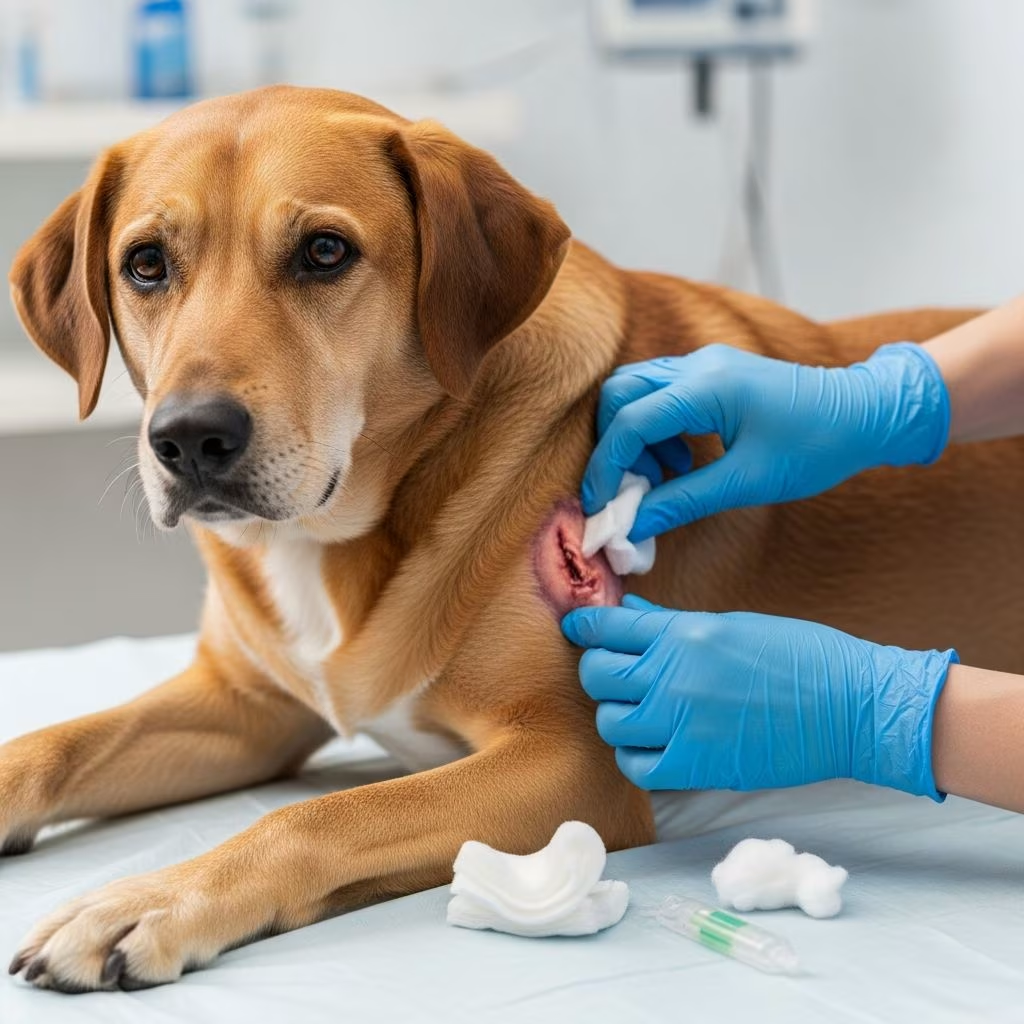
Understanding Open Wounds in Dogs
Open wounds in dogs require careful attention and proper management to ensure optimal healing and prevent infection. Whether your dog has suffered a puncture wound, laceration, or abrasion, understanding how to care for the injury at home and when to seek professional veterinary care is essential for your pet’s recovery. This comprehensive guide covers everything you need to know about managing open wounds in your dog, from initial bleeding control to long-term wound care and healing.
What Should I Do If My Dog’s Wound Is Bleeding?
When your dog sustains a bleeding wound, your immediate action can significantly impact the healing process and prevent complications. The first step is to stop the bleeding using appropriate first aid techniques.
Apply direct pressure to the wound using an absorbent dressing, such as dry gauze. This should be followed by a layer of bandage material or a clean, dry cloth. These protective layers will shield the wound during transport to the veterinary clinic and prevent further contamination of the injury. The pressure helps encourage blood clotting and minimizes ongoing blood loss.
When possible, elevate the affected area above the level of the heart. This position helps reduce the flow of blood to the bleeding area and can help stop hemorrhaging more quickly. If the wound is on a limb, carefully lift the leg and maintain this elevated position while applying pressure.
It is critical to avoid applying ointments, creams, disinfectants, or any other chemicals to the wound unless directed by your veterinarian. These substances can interfere with the natural healing process and may cause additional complications. Many common household products can actually delay wound healing or cause adverse reactions in dogs.
Why Are Some Wounds Left Open to Heal?
Not all wounds are closed surgically. Your veterinarian may recommend leaving certain wounds open to heal naturally, a process called healing by second intention. Understanding the reasons behind this decision helps you better care for your pet during recovery.
Some wound locations make surgical closure impractical or impossible. Wounds on the face, high on the leg, or in areas with significant skin loss may not be suitable for stitching or bandaging. In these situations, allowing the wound to heal naturally is often the best approach.
Puncture wounds and trauma injuries can force bacteria deep into the tissues beneath the skin. Contaminated wounds that are more than a few hours old should never be closed without surgical debridement—the removal of all contaminated or dead tissue. Closing a contaminated wound prematurely can trap bacteria inside, leading to serious infections and abscess formation.
In many cases, closing the wound may result in more permanent damage than treating it medically and allowing it to heal openly. Your veterinarian will evaluate each wound individually to determine the best treatment approach for your specific pet.
How Will My Dog’s Wound Be Treated?
Professional veterinary treatment depends on the wound’s severity, location, and degree of contamination. Your veterinarian will examine the injury and develop an appropriate treatment plan tailored to your dog’s needs.
For abscess wounds, your veterinarian may lance and clean the area under heavy sedation or anesthesia. After cleaning, a latex drain will be placed to prevent the wound from closing too quickly. This allows proper drainage and prevents further build-up of infection. The drain enables fluid and infected material to exit the wound, reducing pressure and promoting healing.
Whenever possible, veterinarians prefer to close and suture wounds to speed the healing process. However, if gross contamination or deep infection is present, the wound will be left open for topical treatment and to ensure proper drainage. Your veterinarian may need to anesthetize your dog to remove foreign material and dead tissue from the wound safely and thoroughly.
If the wound cannot be surgically closed, your veterinarian may apply a protective bandage to shield the area from further contamination and environmental exposure. Your dog will also receive oral or injectable antibiotics to prevent or treat infection. The specific treatment regimen will be detailed in your discharge instructions.
How Should I Care for My Dog’s Open Wound?
Your veterinarian will provide specific care instructions tailored to your dog’s wound. However, several general guidelines apply to most open wound situations:
Cleaning the Wound
Gently clean the wound and surrounding area regularly to remove any debris. This helps keep the wound edges clean, reduces the potential for re-infection, and allows new healthy tissue to develop. Use only the cleaning solutions recommended by your veterinarian, and follow the prescribed cleaning schedule.
Administering Medications
Administer all medications exactly as prescribed by your veterinarian. Your veterinarian may prescribe antibiotics or antibiotic cream to apply directly to the wound. Never discontinue antibiotics unless instructed to do so by your veterinarian, even if the wound appears to be healing well. Completing the full course of antibiotics is essential for preventing secondary infections.
Preventing Licking and Chewing
Do not allow your dog to lick or chew the open wound. Many dogs will require a protective collar, known as an Elizabethan collar or e-collar, to prevent them from injuring the site. Other protective options, depending on the wound location, include covering the wound with a bandage, a stockinette, a dog coat, or a t-shirt. These barriers prevent bacterial contamination and prevent your dog from causing additional trauma to the healing wound.
Bandage Changes
If the wound is bandaged, daily bandage changes may be required as demonstrated by your veterinarian. Your veterinarian will show you the proper technique for changing bandages safely and keeping the wound clean during the process.
What Should I Clean the Wound With?
Using the correct cleansing solution is crucial for promoting proper wound healing without causing additional damage or delaying recovery.
Warm tap water is recommended for cleaning most wounds. This simple solution is effective and gentle on healing tissue. Alternatively, warm saline solution may be used. You can prepare saline at home by adding approximately one level teaspoon (5 mL) of salt or Epsom salt to two cups (500 mL) of water.
In some cases, your veterinarian may recommend using a dilute cleansing solution of chlorhexidine, a surgical soap, or an iodine solution to help remove debris and reduce bacterial contamination. Always follow your veterinarian’s specific recommendations for cleaning solutions.
Important: Do not use soaps, shampoos, rubbing alcohol, hydrogen peroxide, herbal preparations, tea tree oil, or any other product to clean an open wound unless instructed to do so by your veterinarian. Some of these products are toxic if absorbed or ingested by your dog, while others can significantly delay healing. Common household cleaners and remedies may seem helpful but can actually harm your dog’s recovery.
How Do I Prevent the Wound From Closing Too Early?
For wounds that need to heal by second intention, preventing premature closure is important to ensure proper drainage and complete healing from the inside out.
When cleaning the wound, gently massage the surrounding skin to open the wound and promote drainage. You may observe some discharge or bleeding when performing this massage. This is normal and expected. Make note of the discharge characteristics—observe whether the discharge is thick or colored (which may indicate infection) or a clear, thin fluid (which indicates normal drainage).
Remove any discharge or allow it to drain away naturally. If the discharge continues to be bloody, green, or yellow for several consecutive days, contact your veterinarian for instructions. These colored discharges may indicate infection or complications requiring professional attention.
Is Pain Medication Required?
Your veterinarian may prescribe medications to relieve pain and discomfort associated with the wound. Pain management is an important part of the healing process, as excessive pain can prevent your dog from resting properly and slow recovery.
Once a wound has begun to heal, it is typically less painful. Non-steroidal anti-inflammatory drugs (NSAIDs) such as meloxicam (Metacam®), deracoxib (Deramaxx®), or carprofen (Rimadyl®) are commonly prescribed for post-wound pain management. These medications help reduce inflammation and provide comfort during the healing period. Always administer pain medications exactly as prescribed and watch for any adverse reactions.
Frequently Asked Questions About Open Wound Care in Dogs
Q: How often should I clean my dog’s open wound?
A: Your veterinarian will provide specific instructions on cleaning frequency. Generally, wounds may need cleaning once or twice daily, but the exact schedule depends on the wound type, size, and drainage characteristics. Always follow your veterinarian’s recommendations.
Q: Can I use hydrogen peroxide to clean my dog’s wound?
A: No. Unless specifically directed by your veterinarian, hydrogen peroxide should not be used on open wounds. It can damage healthy tissue and delay healing. Stick to warm water or saline solutions as recommended.
Q: What are signs that my dog’s wound is infected?
A: Signs of infection include excessive redness, swelling, pus, foul odor, warmth around the wound, fever, or lethargy. If you notice any of these signs, contact your veterinarian immediately.
Q: How long does it take for a dog’s open wound to heal?
A: Healing time varies depending on wound size, depth, location, and your dog’s overall health. Small wounds may heal in 2-4 weeks, while larger wounds may take several weeks to months. Your veterinarian can provide a timeline specific to your dog’s injury.
Q: Should I restrict my dog’s activity while the wound heals?
A: Yes. Excessive activity can prevent proper healing and cause wound reopening or increased bleeding. Your veterinarian will recommend appropriate activity restrictions, typically involving short leashed walks and cage rest.
Q: Can I give my dog over-the-counter pain medication?
A: Never give over-the-counter medications without consulting your veterinarian. Some human pain medications can be toxic to dogs. Always use only medications prescribed by your veterinarian.
When to Seek Immediate Veterinary Care
Certain wound situations require immediate professional attention. Do not attempt home care for:
- Wounds with uncontrolled or heavy bleeding that does not stop after 10-15 minutes of pressure
- Deep wounds showing muscle, tendon, or bone
- Wounds in sensitive areas such as near the eyes, mouth, or ears
- Puncture wounds, especially from animal bites or unknown objects
- Wounds with signs of infection, such as pus, foul odor, or excessive swelling
- Large lacerations or wounds with jagged edges
- Wounds on the face, genitals, or other sensitive locations
Wound Healing Expectations and Recovery Timeline
Understanding the typical wound healing process helps you recognize whether your dog’s recovery is progressing normally. The healing process occurs in stages. Initially, bleeding stops and inflammation occurs as the body’s natural response to injury. Over the following days and weeks, new tissue forms and the wound gradually closes or epithelializes. During this entire process, proper care and monitoring are essential to prevent complications.
Keep follow-up appointments with your veterinarian as scheduled. Your veterinarian needs to monitor healing progress, remove sutures if applicable, and ensure everything is progressing normally. These visits allow early detection of any complications such as infection or improper healing.
References
- Care of Open Wounds in Dogs — VCA Animal Hospitals. 2025. https://vcahospitals.com/know-your-pet/care-of-open-wounds-in-dogs
- Bite Wounds in Dogs — VCA Animal Hospitals. 2025. https://vcahospitals.com/know-your-pet/bite-wounds-in-dogs
- Care of Surgical Incisions in Dogs — VCA Animal Hospitals. 2025. https://vcahospitals.com/know-your-pet/care-of-surgical-incisions-in-dogs
- Dog Wound Care: How To Treat Cuts & Scrapes — Pumpkin Pet Insurance. 2024. https://www.pumpkin.care/post/dog-wound-care
- Wound Care Dos and Don’ts — VCA Animal Hospitals. 2025. https://vcahospitals.com/shop/home/articles/wound-care-dos-and-don-ts



