

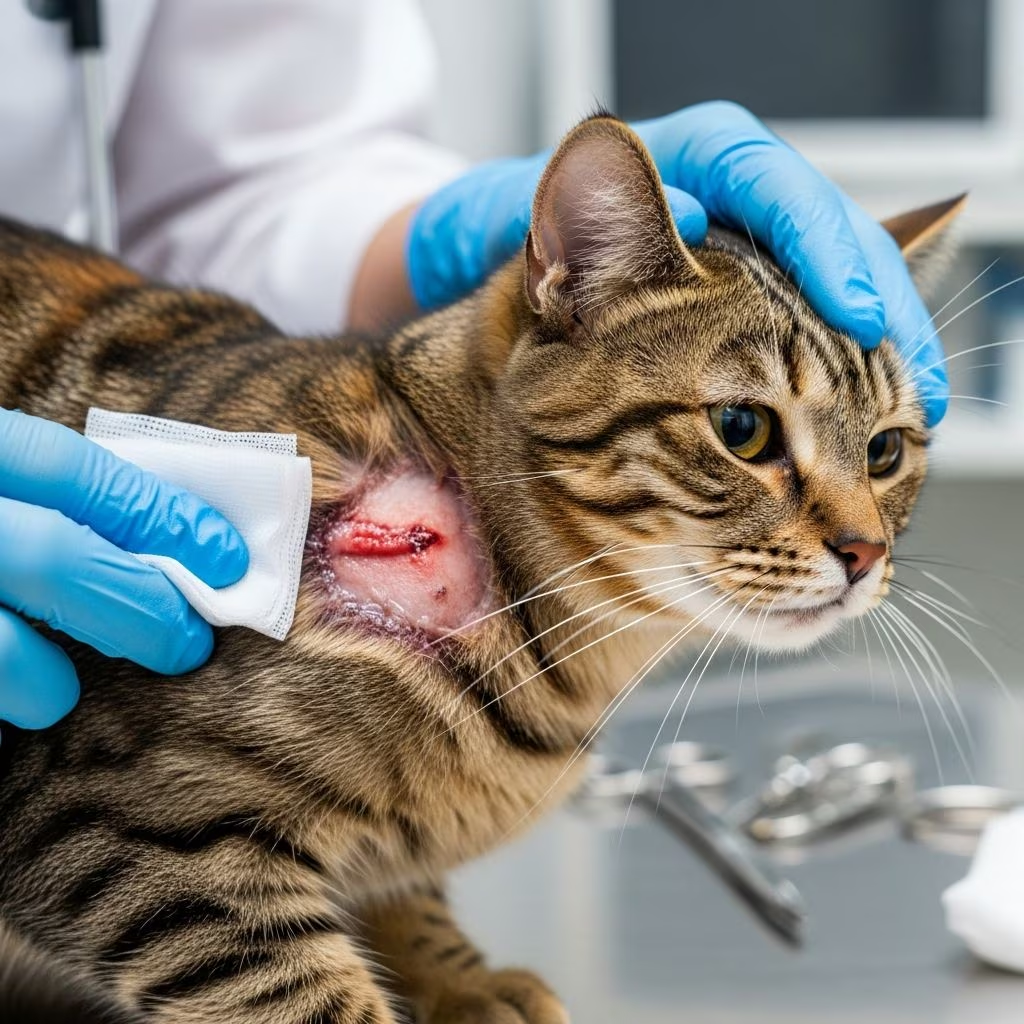
Understanding Open Wounds in Cats
Open wounds in cats require prompt and appropriate care to prevent infection, promote healing, and ensure your feline companion recovers properly. Whether your cat has sustained a minor laceration or a more serious traumatic injury, understanding the proper treatment protocol is essential for successful healing. Cats are naturally curious and active animals, which can occasionally lead to injuries that require immediate attention and ongoing care.
The approach to treating your cat’s open wound depends on several factors, including the location of the wound, the amount of contamination, the age of the injury, and whether there has been significant tissue damage. Some wounds can be closed surgically to speed healing, while others must be left open to heal naturally. Your veterinarian will determine the best course of action based on a thorough examination of your cat’s specific injury.
Managing Bleeding from Your Cat’s Wound
The first step in treating any open wound is to control bleeding. If your cat has a bleeding wound, your immediate priority should be to stop the hemorrhage and prevent further blood loss.
To manage bleeding effectively, follow these steps:
- Apply direct pressure to the wound using absorbent dressing, such as dry gauze
- Follow the gauze with a layer of bandage material or a clean, dry cloth
- If possible, elevate the affected area above the level of the heart to reduce blood flow to the injury
- Maintain pressure for approximately 10-15 minutes to allow a blood clot to form
- Do not remove the initial layer of gauze, as this may disturb the clot that is forming
If bleeding does not stop after 15 minutes of direct pressure, or if the wound appears very deep or severe, transport your cat to an emergency veterinary clinic immediately. These protective layers will also help prevent further contamination of the wound during transport to your veterinarian’s office.
Initial Wound Assessment and When to Seek Veterinary Care
After managing the bleeding, assess the severity of the wound to determine whether immediate veterinary care is necessary. Fresh wounds that appear minor may be manageable with home care, but more serious injuries require professional evaluation and treatment.
Contact your veterinarian immediately if your cat’s wound exhibits any of the following characteristics:
- Deep lacerations that gape open or show underlying tissue
- Wounds on the face, head, or joints
- Animal bite wounds, which carry high infection risk
- Wounds with embedded foreign objects or debris
- Signs of excessive bleeding that cannot be controlled with pressure
- Wounds contaminated with dirt, rust, or other hazardous materials
- Any wound that appears infected or shows signs of swelling and heat
Cleaning Your Cat’s Wound
Proper wound cleaning is essential to remove debris, reduce infection risk, and promote healthy tissue development. Gently cleaning the wound and surrounding area helps keep the wound edges clean and allows new healthy tissue to develop.
Recommended Cleaning Solutions
The type of solution you use to clean your cat’s wound is important. Your veterinarian may recommend one of the following options:
- Warm tap water – This is the most commonly recommended option for cleaning most wounds
- Warm saline solution – You can make this by adding approximately one level teaspoon (5 mL) of salt or Epsom salt to two cups (500 mL) of water
- Dilute chlorhexidine solution – A surgical soap recommended in some cases by your veterinarian
- Dilute iodine solution – Another antiseptic option your veterinarian may suggest
Solutions to Avoid
Many common household products should never be used on open cat wounds, as they can damage tissues and delay healing. Do not use:
- Soaps or shampoos
- Rubbing alcohol
- Hydrogen peroxide
- Herbal preparations
- Tea tree oil
- Ointments, creams, or disinfectants (unless specifically directed by your veterinarian)
These products can be toxic if ingested during self-grooming and may interfere with the natural healing process. Always consult your veterinarian before applying any substance to your cat’s wound.
Professional Wound Treatment Options
When you bring your cat to the veterinarian, the treatment approach will depend on the wound’s characteristics and severity. Your veterinarian may pursue one of several treatment strategies.
Surgical Closure
Whenever possible, your veterinarian will close and suture the wound to speed healing. Surgical closure is the preferred approach for fresh, clean wounds with minimal contamination. The sutures hold the wound edges together, allowing faster healing by primary intention and reducing scarring.
Open Wound Treatment
In some cases, leaving the wound open to heal is the best approach. Your veterinarian may recommend healing by second intention if:
- The wound location or amount of skin loss prevents surgical closure or bandaging, such as wounds on the face or high on the leg
- Puncture wounds or trauma have forced bacteria deep into the tissues
- The wound is contaminated and more than a few hours old, requiring surgical debridement first
- Closing the wound would result in more permanent damage than medical treatment
For open wounds, your veterinarian may anesthetize your cat to remove foreign material and dead tissue from the wound, a process called debridement. Your veterinarian may apply a protective bandage if possible and will likely prescribe oral or injectable antibiotics to prevent infection.
Abscess Treatment
When abscesses form, your veterinarian may lance and clean the area under heavy sedation or anesthesia. A latex drain will be placed to prevent the wound from closing too quickly, allowing proper drainage and preventing further buildup of infection.
Home Care for Open Wounds
After your veterinarian has treated your cat’s wound, your role in home care becomes critical to successful healing. Follow these essential steps to promote recovery.
Medication Administration
Administer all medications exactly as prescribed by your veterinarian. Your cat may receive oral or injectable antibiotics, topical antibiotic cream, or pain medication.
- Do not discontinue antibiotics for any reason unless instructed by your veterinarian
- Complete the full course of antibiotics even if the wound appears to be healing well
- Apply topical medications only as directed
- Administer pain medication to keep your cat comfortable during the healing process
Preventing Self-Trauma
One of the greatest challenges in home wound care is preventing your cat from licking or chewing the open wound. Cats naturally want to groom themselves, but excessive licking can damage healing tissue and introduce bacteria.
To prevent self-trauma, consider these options:
- Elizabethan collar (e-collar) – The most common and effective method for preventing licking
- Bandaging – If the wound location permits, covering the wound protects it from licking
- Stockinette – A tube-like fabric that can cover the affected area
- Cat coat – Specialized protective clothing for cats
- T-shirt – A child’s oversized t-shirt can protect wounds on the body
Bandage Management
If your cat’s wound requires bandaging, daily bandage changes may be necessary. Your veterinarian will demonstrate the proper technique for changing bandages. When changing bandages:
- Gently remove the old bandage
- Carefully clean the wound and surrounding area
- Apply fresh bandaging using the technique shown by your veterinarian
- Change bandages daily or as recommended by your veterinarian
- Monitor for signs of bandage slipping or soiling
Promoting Drainage and Preventing Early Closure
For wounds left open to heal, preventing premature closure is important to allow proper drainage and prevent infection. When cleaning the wound, gently massage the surrounding skin to open the wound and promote drainage. You may see some discharge or bleeding during this process, which is normal.
Monitoring Discharge
Pay close attention to the type and color of discharge from your cat’s wound:
- Clear, thin fluid – Normal drainage indicating healthy healing
- Thick or colored discharge – May indicate infection
- Bloody discharge lasting several days – Contact your veterinarian
- Green or yellow discharge – Sign of bacterial infection requiring veterinary attention
Remove any discharge carefully or allow it to drain away naturally. If you notice persistent bloody, green, or yellow discharge over several consecutive days, contact your veterinarian immediately for further instructions.
Additional Wound Care Considerations
Pain Management
Pain medication may be prescribed for your cat’s comfort and to support the healing process. Cats in pain may be reluctant to eat, drink, or move, which can slow recovery. Following your veterinarian’s pain management recommendations helps ensure your cat remains comfortable during healing.
Preventing Topical Product Damage
No topical treatments should be used unless specifically directed by your veterinarian. Many seemingly harmless chemicals can damage tissues and significantly delay healing. Always ask your veterinarian before applying any product to your cat’s wound.
Activity Restriction
During the healing process, restrict your cat’s activity to prevent re-injury. Limit jumping, running, and rough play until your veterinarian clears your cat for normal activity.
Advanced Wound Treatment Options
For more complex wounds, your veterinarian may recommend advanced treatment techniques. Negative pressure wound therapy (NPWT) has shown promise in veterinary medicine for accelerating open wound healing and improving outcomes in cats with challenging wounds. This technology applies controlled negative pressure to the wound bed, promoting blood flow, reducing infection, and accelerating tissue formation. While not yet universally available, NPWT represents an emerging option for difficult-to-heal wounds in cats.
Frequently Asked Questions About Cat Wound Care
Q: How long does it take for a cat’s open wound to heal?
A: The healing timeline depends on the wound’s size, depth, location, and whether it was surgically closed or left open. Small closed wounds may heal in 7-14 days, while larger open wounds may require several weeks or months.
Q: Can I use over-the-counter antibacterial ointments on my cat’s wound?
A: No, unless specifically recommended by your veterinarian. Many over-the-counter products can damage tissue or be toxic if ingested during grooming. Only use products your veterinarian has approved.
Q: What should I do if my cat’s wound shows signs of infection?
A: Contact your veterinarian immediately. Signs of infection include redness, swelling, warmth, foul odor, or colored discharge (green or yellow). Early treatment prevents complications and promotes faster healing.
Q: How often should I clean my cat’s open wound?
A: Follow your veterinarian’s specific instructions, as cleaning frequency depends on the wound type and treatment plan. Daily cleaning is common, but some wounds may require more frequent attention.
Q: Can my cat go outside during wound healing?
A: No, keep your cat indoors during healing to prevent wound contamination, re-injury, and exposure to bacteria. Outdoor environments increase infection risk significantly.
Q: Why is my cat’s wound not healing properly?
A: Poor healing can result from infection, inadequate nutrition, excessive licking, or underlying health conditions. Contact your veterinarian if you notice delayed healing, increasing swelling, or discharge changes.
Q: Should I change my cat’s diet during wound healing?
A: Adequate nutrition supports healing. Ensure your cat receives a balanced diet with sufficient protein. Discuss dietary modifications with your veterinarian if your cat has reduced appetite during recovery.
References
- Care of Open Wounds in Cats — VCA Animal Hospitals. Accessed 2025-11-28. https://vcahospitals.com/know-your-pet/care-of-open-wounds-in-cats
- Filling the vacuum: Role of negative pressure wound therapy in small animal practice — PubMed Central/National Center for Biotechnology Information. 2021. https://pmc.ncbi.nlm.nih.gov/articles/PMC8392764/
- Cat Wound Care 101: The Complete Guide — PetVet Care Centers. 2022-05-15. https://www.petvetcarecenters.com/site/blog/2022/05/15/cat-wound-care-101-complete-guide
- Wound Management — Merck Veterinary Manual. Accessed 2025-11-28. https://www.merckvetmanual.com/special-pet-topics/emergencies/wound-management



