

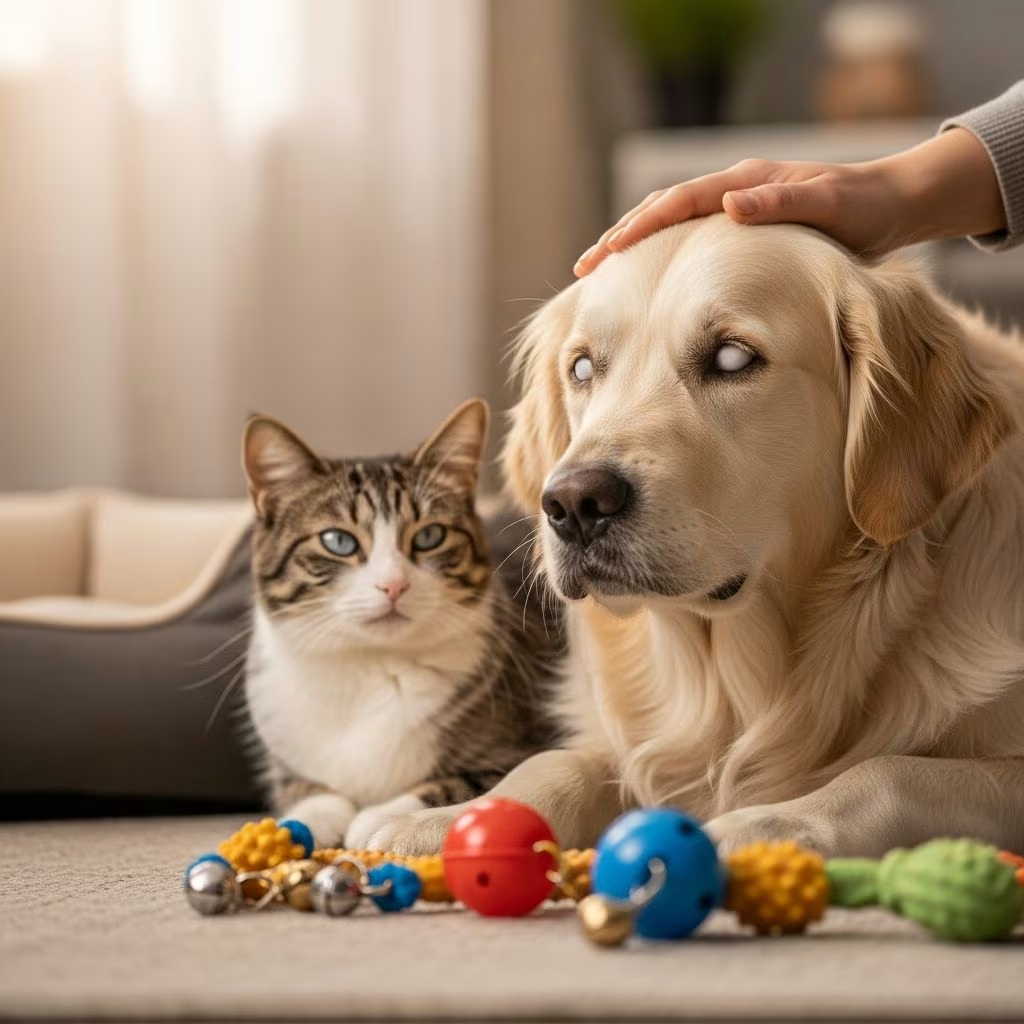
Tips to Care for a Blind Dog or Blind Cat
Adopting a blind dog or cat, or watching a beloved pet lose their vision, can feel overwhelming. However, blindness doesn’t have to limit your pet’s quality of life. With patience, commitment, and practical adaptations, blind dogs and cats can live happy, confident, and well-adjusted lives. Whether you’re considering adopting a blind pet or already living with one, this comprehensive guide provides essential information and actionable strategies to help your furry companion thrive.
Understanding Your Blind Pet’s Needs
The most important thing to understand about blind dogs and cats is that they don’t see themselves as disabled. Like their sighted counterparts, blind pets require time, patience, and energy devoted to training and socialization to become well-adjusted and well-mannered family members. Experience with blindness isn’t necessary to successfully care for a blind pet—what matters most is your love and commitment.
Developing a trusting relationship with your blind pet is the foundation for their success. Through positive interactions, consistent routines, and gentle encouragement, you’ll help build your pet’s confidence and help them navigate their world safely and happily.
Creating a Safe Home Environment
Learning the Layout
When you first bring a blind dog or cat home, your primary goal should be helping them learn the layout of their new space. Start by walking your dog through each room on a leash, offering treats and praise throughout the journey. For cats, begin by establishing a main “safe room” containing food, water, bedding, and a litter box. Spend time in this room with your cat, playing and offering special treats.
To encourage exploration and boost confidence, scatter kibble throughout the house or yard. Your blind pet will use their nose to search for food, naturally mapping out the space while engaging in rewarding activity. This scent-based navigation becomes an invaluable tool as your pet gains independence.
Establishing a Home Base
Set up a designated “home base” or safe room that contains all essential items your pet needs: their bed or crate, food and water bowls, and for cats, a litter box. This central location becomes your pet’s anchor point and sanctuary. Once your pet becomes familiar with this space, gradually extend their access to other areas of your home.
Furniture and Layout Consistency
After your blind pet has learned your home’s layout, maintain consistency. Avoid rearranging furniture, as this creates confusion and safety hazards. Don’t leave boxes, toys, or other objects in walking paths. Use carpet runners to guide your dog through safe areas and help them navigate with confidence.
Identifying and Eliminating Hazards
Get down to your pet’s eye level and carefully inspect your home for potential dangers. Stairs are a significant obstacle—use baby gates to block stairways until your dog can navigate them safely. Cover sharp corners on furniture with soft packing material or bubble wrap to prevent injuries from bumps.
Additional hazards to address include:
– Low-hanging branches or obstacles outdoors- Open doorways leading to dangerous areas- Pools or bodies of water- Steep drops or uneven surfaces- Electrical cords and cables- Small objects that could cause choking
Using Sensory Cues for Navigation
Scent Markers
Scent is one of your blind pet’s most powerful navigation tools. Use scented oils or perfumes to mark different areas of your home. Choose specific scents to indicate safe zones and different scents for areas to avoid. For example, vanilla might mark a safe hallway, while citrus indicates the stairway entrance. Mark different rooms with distinct scents so your pet can recognize which space they’re in through smell alone.
Sound Signals
Sound provides valuable orientation information for blind pets. Attach a small bell to your shoe, pant leg, or the collars of other pets in your household. Speak to your dog when entering or leaving a room, and always announce your presence before touching your pet, especially if they’re sleeping. Avoid startling your pet with sudden touch or movement.
A radio or television playing softly near your pet’s bed or favorite resting place provides comfort and may help prevent excess barking. The consistent background noise helps your pet feel less alone and more secure.
Texture Markers
Place a rug under your blind dog’s water bowl to create a texture change that helps them locate it. Different floor textures throughout your home can also help your pet understand transitions between rooms and identify important locations.
Adapting Your Blind Pet’s Daily Routine
Feeding and Water
Always feed your blind dog in the same location and use consistent feeding times. This routine helps your pet know what to expect and reduces anxiety. Place a rug under the water bowl so your dog can locate it by feel and sound as the bowl sits on the different texture.
Outdoor Safety and Exercise
Blind dogs still need regular exercise and socialization. Always keep your dog on a leash when walking outdoors. Use a harness rather than a collar to reduce stress on the neck and eyes. Consider using dog goggles when you’re outdoors, especially in areas with low branches that could scratch your pet’s face.
Allow your dog off-leash only in completely enclosed areas where you can ensure their safety. GPS tracker collars are valuable tools, particularly when traveling or in unfamiliar environments. Vary your walking routes to expose your dog to different environments, sounds, and scents—this socialization is just as important for blind dogs as for sighted ones.
Identification and Microchipping
Microchip your blind dog and have them wear an ID tag clearly marked “blind dog.” This identification is crucial if your pet ever escapes or becomes lost, alerting anyone who finds them to your pet’s special needs.
Training and Behavior Management
Building Confidence Through Positive Reinforcement
Train your blind dog using the same positive reinforcement methods you’d use with a sighted dog. Be patient and understanding—some dogs adapt quickly to blindness while others need more time. Encouragement, reassurance, and rewards are essential throughout the adjustment period.
Crate Training
Train your blind dog to be comfortable in a crate. This tool is valuable for behavior management, training, and providing a safe space when you can’t actively supervise. Make the crate positive and welcoming with treats and praise.
Socialization
Blind dogs need the same socialization as sighted dogs. Take your dog for walks in a variety of environments: parks, city streets, and the countryside. Gradual exposure to different situations, sounds, and surfaces helps build your dog’s confidence and adaptability.
Caring for Blind Cats
Creating a Cat-Specific Safe Space
For blind cats, start by establishing a main room or “safe room” containing food, water, bedding, and a litter box. Spend quality time in this room with your cat, playing, petting, and providing special treats. A radio playing on low volume provides comfort and security.
Gradual Environmental Expansion
Once your cat becomes comfortable in their main room, gradually extend their access to other areas of your home. Supervise these explorations carefully until your cat demonstrates confidence. Use treats to lure your cat into new spaces at their own pace.
Managing Multiple Floors
If you live in a multi-story home, temporarily block off stairs with baby gates until your cat develops sufficient confidence and familiarity with their surroundings to navigate safely.
Frequently Asked Questions
Q: How can I help my blind dog adjust to their vision loss?
A: Use encouragement, reassurance, and rewards to build confidence. Maintain a consistent home layout, use scent and sound markers, establish a safe home base, and be patient. Some dogs adapt quickly while others need more time. Regular positive interactions and training help tremendously.
Q: Is experience with blindness necessary to care for a blind dog?
A: No. Experience isn’t necessary. Love, commitment, time, and patience are the most important factors. With proper guidance and practical adaptations, anyone can successfully care for a blind pet.
Q: How long does it take a blind dog to learn their home?
A: Adjustment time varies by individual dog. Start by walking them through each room on a leash with treats and praise. Most dogs begin feeling comfortable within weeks, though complete confidence may take longer. Be sensitive to your individual pet’s pace.
Q: Can blind dogs go outside?
A: Yes, blind dogs can enjoy outdoor time and exercise. Always keep them on a leash using a harness rather than a collar. Consider dog goggles for eye protection, use a GPS tracker collar when traveling, and maintain consistent walking routes as your dog gains confidence.
Q: What should I do if my blind dog is startled?
A: Speak to your dog before approaching to touch them, especially if they’re sleeping. Announce your presence when entering or leaving a room. Attach a small bell to your clothing so your dog hears you coming. Consistent communication prevents startling and builds trust.
Q: How do I keep a blind cat from getting lost in my home?
A: Start with a designated safe room containing all essentials. Use consistent scent markers and maintain a stable layout. Gradually expand your cat’s environment while supervising. Block off stairs temporarily, and supervise outdoor access carefully if permitted.
Q: Are there special items I need for a blind dog?
A: Consider a GPS tracker collar, dog goggles, a secure harness, baby gates for stairs, microchip identification with “blind dog” notation, and scented oils for navigation markers. These tools enhance safety and independence, though the most important element is your patience and commitment.
Q: Can blind dogs play with other pets?
A: Yes, with proper supervision. Attach bells to other pets’ collars so your blind dog knows they’re nearby. Introduce them gradually in safe spaces, and supervise interactions carefully until your blind dog feels comfortable with their housemates.
Key Takeaways for Success
Caring for a blind dog or cat requires dedication but is entirely manageable and rewarding. Remember these essential principles:
– Love and commitment matter more than experience- Consistency in home layout and routines builds confidence- Scent, sound, and texture cues replace visual information- Positive reinforcement training works just as well for blind pets- Regular socialization and exercise remain important- Each pet adapts at their own pace—patience is essential- Proper identification and safety measures protect your pet- Your blind pet doesn’t see themselves as disabled
With these strategies and your unwavering support, your blind dog or cat will thrive, enjoying a happy, fulfilling life as a valued family member.
References
- Tips to Care for a Blind Dog or Blind Cat — Best Friends Animal Society. 2025. https://bestfriends.org/pet-care-resources/tips-care-blind-dog-or-blind-cat
- Free Pet Care Resources: Health, Training & Rescue Guides — Best Friends Animal Society. 2025. https://bestfriends.org/pet-care-resources



