

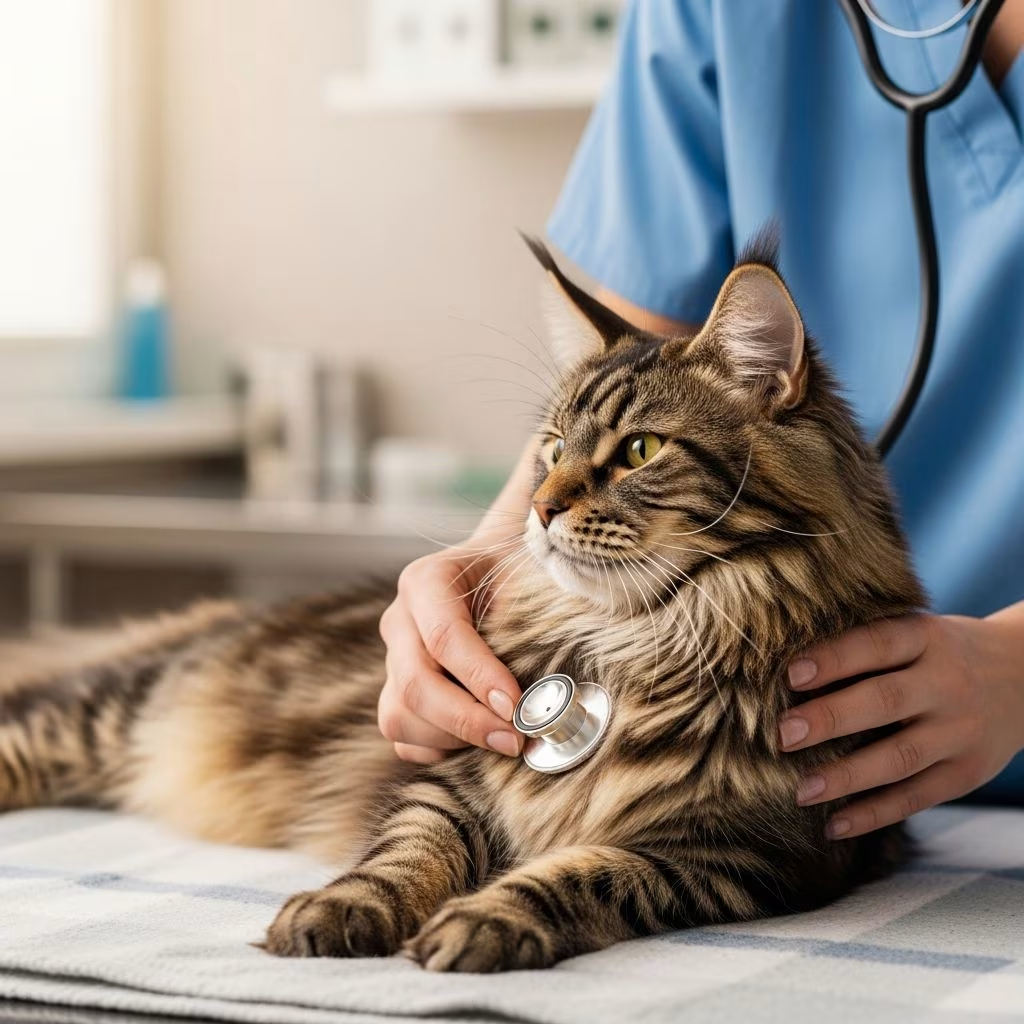
Understanding Cardiomyopathy in Cats
Cardiomyopathy is a disease of the heart muscle that affects cats of all ages, though it is more common in middle-aged and older felines. This condition involves the thickening, enlargement, or stiffening of the heart muscle, which impairs the heart’s ability to pump blood effectively throughout the body. Cardiomyopathy represents one of the most significant cardiac concerns in veterinary medicine, affecting a substantial portion of the feline population. Understanding this condition is essential for cat owners to recognize early warning signs and seek appropriate veterinary care.
The heart functions as a muscular pump, and when the heart muscle becomes diseased, its efficiency diminishes significantly. This can lead to various complications, including congestive heart failure, arrhythmias, and blood clot formation. Early detection and proper management can help extend your cat’s lifespan and improve their quality of life.
Types of Feline Cardiomyopathy
Cardiomyopathy in cats is classified into three primary types, each with distinct characteristics and underlying causes. Recognizing which type your cat has developed is crucial for determining the appropriate treatment approach.
Hypertrophic Cardiomyopathy (HCM)
Hypertrophic cardiomyopathy is the most common form of heart disease in cats, with as many as 1 in 7 cats developing this condition at some point in their lives. In HCM, the walls of the left ventricle become thickened and enlarged, reducing the size of the inner chamber. This muscular thickening prevents the left ventricle from filling properly and decreases its pumping efficiency. The narrowed chamber restricts blood flow, resulting in less oxygen-rich blood reaching the body and forcing the heart to beat faster than normal, which increases oxygen demand and can cause the death of heart muscle cells.
HCM is often related to a genetic predisposition, particularly in certain cat breeds that carry a mutation in the A31P gene involved in maintaining healthy heart muscles. Cats inheriting two abnormal copies of this gene experience death of heart muscle cells and scar tissue formation in the left ventricle wall, severely impairing heart function.
Dilated Cardiomyopathy (DCM)
Dilated cardiomyopathy is characterized by enlargement of the heart chambers without the thickening seen in HCM. DCM is usually caused by a dietary deficiency of taurine, an essential amino acid. Fortunately, because commercial cat foods are now supplemented with taurine, DCM in cats is rare. Most cases are diagnosed in cats fed imbalanced, home-prepared diets or dog food. Treatment for DCM includes taurine supplementation, pimobendan, and ACE inhibitors.
Restrictive Cardiomyopathy
Restrictive cardiomyopathy occurs when the heart muscle becomes stiff, preventing the ventricles from filling with adequate blood volume. This type is often idiopathic, meaning the cause is unknown, though it can also be genetic or occur secondary to another disease such as hypertrophic cardiomyopathy or degenerative valve disease.
Causes of Cardiomyopathy in Cats
Several factors can contribute to the development of cardiomyopathy in feline patients. Identifying the underlying cause is essential because some types of cardiomyopathy may be reversible or manageable with targeted treatment.
Genetic Predisposition
Hereditary factors play a significant role in HCM development, particularly in certain breeds such as Maine Coons, Ragdolls, and British Shorthairs. Cats inheriting genetic mutations affecting heart muscle proteins are at increased risk of developing HCM throughout their lifetime.
Hyperthyroidism
In older cats, thyroid disease, or hyperthyroidism, commonly causes cardiomyopathy. Notably, hyperthyroidism is the most treatable cause of cardiomyopathy, and complete resolution of heart disease is possible if diagnosed and treated early.
Dietary Deficiencies
Taurine deficiency directly causes dilated cardiomyopathy in cats. While rare today due to taurine supplementation in commercial cat foods, this remains a concern for cats consuming unbalanced homemade diets or inappropriate foods like dog food.
Other Contributing Factors
Restrictive cardiomyopathy may develop secondary to other conditions or may be idiopathic. Additional factors that can influence heart disease development include age, overall health status, and concurrent medical conditions.
Symptoms and Clinical Signs
Many cats with cardiomyopathy display no symptoms initially, with some living normal lifespans without showing signs of disease. However, when symptoms develop, they can include various serious manifestations:
Common symptoms of cardiomyopathy include:
- Rapid or difficult breathing
- Lethargy and decreased activity levels
- Loss of appetite or reduced food intake
- Weight loss
- Weakness or exercise intolerance
- Arrhythmias (abnormal heart rhythms)
- Blood clots causing pain, vocalization, trouble walking, cold rear limbs, vomiting, and breathing difficulty
- Fluid in the lungs causing crackles and wheezes when breathing
- Sudden paralysis of the hind limbs due to blood clots
Cats that appear sick, stop eating, or show any concerning symptoms should receive immediate veterinary attention. Some cats may develop congestive heart failure with fluid accumulation in the lung tissue (pulmonary edema), requiring urgent medical intervention.
Diagnosis of Cardiomyopathy
Accurate diagnosis is paramount to effective treatment and management of feline heart disease. Veterinarians employ several diagnostic tools to identify and assess cardiomyopathy severity.
Diagnostic Methods
Physical Examination: Your veterinarian will perform a thorough physical examination, listening to your cat’s heart and lungs with a stethoscope to detect abnormal sounds or irregular rhythms.
Echocardiography: Ultrasound imaging of the heart provides detailed information about chamber size, wall thickness, and overall heart function. This is the gold standard for diagnosing cardiomyopathy and determining disease severity.
Electrocardiography (ECG): This test records the heart’s electrical activity and can reveal arrhythmias or other abnormalities.
Radiography (X-rays): Chest X-rays help identify signs of congestive heart failure, including fluid accumulation in the lungs or around the heart.
Blood Pressure Measurement: Elevated blood pressure can contribute to or complicate heart disease.
Laboratory Tests: Blood work may be performed to assess kidney function, thyroid status, and other factors relevant to treatment planning.
Treatment Options for Cardiomyopathy
Treatment approaches vary significantly depending on the type of cardiomyopathy, disease severity, and underlying causes. In cases where an underlying cause is identified, treating that cause may result in improvement or reversal of heart disease. For example, treating hyperthyroidism early can lead to complete resolution of cardiomyopathy.
Management of Asymptomatic Disease
For cats with early-stage or asymptomatic cardiomyopathy, regular monitoring may be sufficient without immediate medication. Your veterinarian will evaluate many factors affecting your cat before making treatment recommendations. However, some cats may benefit from early intervention depending on echocardiographic findings, left ventricular obstruction presence, other health conditions, temperament, and cost considerations.
Medications for Heart Disease
Various medications help manage feline cardiomyopathy and its complications. The most commonly prescribed medications include:
Beta-Blockers: Atenolol is a frequently used beta-blocker in asymptomatic cats with HCM. Beta-blockers help slow heart rate in cats with tachycardia (overly fast heart rates), correct abnormal heart rhythms, and improve valve function between heart chambers. They also decrease blood pressure in cats with hypertension. However, beta-blockers should not be used routinely in all cats with HCM.
Calcium Channel Blockers: Diltiazem is commonly prescribed to prevent some fluid buildup and reduce the thickness of the left ventricular wall in some cats. Along with atenolol, diltiazem is among the most commonly used drugs in asymptomatic cats with HCM.
ACE Inhibitors: Medications such as benazepril help control congestive heart failure and may be used in certain cases. However, clinical evidence indicates early use of ACE inhibitors in asymptomatic HCM cats is not warranted.
Anticoagulants: Clopidogrel is a medication that helps prevent blood clots and is the only drug shown to decrease the incidence of systemic thromboembolism in cats. Cats with severe left atrial enlargement often take clopidogrel to reduce clotting risk. Low-dose aspirin may also be used, though cats on blood thinners should stay indoors to reduce injury risk.
Diuretics: Medications such as furosemide or spironolactone reduce fluid accumulating in lung tissue when congestive heart failure is present. These medications help alleviate breathing difficulties and improve overall comfort.
Pimobendan: This medication increases the function of the left atrium and left ventricle during the pumping phase, when the heart pushes blood from the left ventricle to the body. It is particularly useful in treating dilated cardiomyopathy.
Nitroglycerin Ointment: Applied inside the ears, nitroglycerin can treat severe fluid buildup when administered with furosemide and improves blood flow by relaxing ventricles and arteries to accommodate more blood.
Sirolimus (Felycin-CA1®): This new, conditionally approved medication reduces ventricular hypertrophy occurring in HCM and may be used before cats develop disease signs, based on echocardiogram results.
Procedural Interventions
Some cats require additional interventions beyond medication management. Routine pleurocentesis removes excess fluid from the lungs, providing relief from breathing difficulties. Thoracocentesis or chest tap uses a catheter or needle to remove fluid collected around the lungs, while similar procedures drain excess fluid from the abdomen. Cats with severe, acute HCM and heart failure may need oxygen therapy in hospital settings. In cases of respiratory failure, cats may require anesthesia, intubation, and mechanical breathing assistance.
Supportive Care
Anxious cats benefit from sedatives such as acepromazine, which help keep them calm as stress can cause breathing difficulties and increase heart failure risk. Additionally, cats with thromboembolic disease may receive pain control, anti-clotting medications, and physical therapy during acute crises.
Living with Cardiomyopathy
With careful disease management, many cats can live symptom-free for years. Regular monitoring through scheduled veterinary examinations and echocardiography helps detect disease progression warranting medication adjustments. Keeping cats with heart disease indoors reduces stress and injury risk, particularly those on blood thinning medications. Environmental modifications, such as providing easy access to food, water, and litter boxes on the same floor, can minimize exertion for cats with advanced disease.
Frequently Asked Questions
Q: Can cardiomyopathy in cats be cured?
A: Unfortunately, HCM in cats has no cure. However, the underlying cause may be treatable in some cases. Hyperthyroidism, for example, can be treated successfully, potentially resolving associated cardiomyopathy. Cats with asymptomatic disease may live normal lifespans with monitoring, though the disease usually worsens over time.
Q: How common is cardiomyopathy in cats?
A: Hypertrophic cardiomyopathy is the most common heart disease in cats, with as many as 1 in 7 cats developing HCM at some point in their lives. Most affected cats show no symptoms initially.
Q: What should I do if my cat is diagnosed with cardiomyopathy?
A: Work closely with your veterinarian to develop an appropriate treatment plan based on disease type and severity. Regular monitoring through physical examinations and echocardiography is essential. Administer prescribed medications consistently and watch for warning signs such as increased breathing difficulty, decreased appetite, or lethargy.
Q: Are certain cat breeds predisposed to cardiomyopathy?
A: Yes, certain breeds including Maine Coons, Ragdolls, and British Shorthairs carry genetic predispositions to hypertrophic cardiomyopathy due to mutations in genes affecting heart muscle function.
Q: What is the prognosis for cats with cardiomyopathy?
A: Prognosis varies depending on disease type, severity, and response to treatment. Asymptomatic cats may live years without developing clinical signs. Cats with congestive heart failure require more intensive management but may live extended periods with appropriate care.
Q: Can diet affect cardiomyopathy in cats?
A: Yes, dietary taurine deficiency causes dilated cardiomyopathy. Feeding only high-quality commercial cat food supplemented with taurine prevents this form of heart disease. Avoid feeding cats dog food or unbalanced homemade diets.
References
- Cardiology: Feline Hypertrophic Cardiomyopathy — North Carolina State University College of Veterinary Medicine. 2024. https://hospital.cvm.ncsu.edu/services/small-animals/cardiology/cardiology-feline-hypertrophic-cardiomyopathy/
- Feline Hypertrophic Cardiomyopathy (HCM) in Cats — PetMD. 2024. https://www.petmd.com/cat/conditions/cardiovascular/feline-hypertrophic-cardiomyopathy-hcm-cats
- Cardiomyopathy in Cats — VCA Animal Hospitals. 2024. https://vcahospitals.com/know-your-pet/cardiomyopathy-in-cats
- Feline Cardiomyopathy — Cat Clinic of Roswell. 2024. https://www.catclinicofroswell.com/feline-cardiomyopathy/
- Caring for Cats with Cardiomyopathies — DVM360. 2024. https://www.dvm360.com/view/caring-cats-with-cardiomyopathies
- Hypertrophic Cardiomyopathy in Dogs and Cats — Merck Veterinary Manual. 2024. https://www.merckvetmanual.com/circulatory-system/cardiomyopathy-in-dogs-and-cats/hypertrophic-cardiomyopathy-in-dogs-and-cats
- Hypertrophic Cardiomyopathy — Cornell University College of Veterinary Medicine Feline Health Center. 2024. https://www.vet.cornell.edu/departments-centers-and-institutes/cornell-feline-health-center/health-information/feline-health-topics/hypertrophic-cardiomyopathy



