

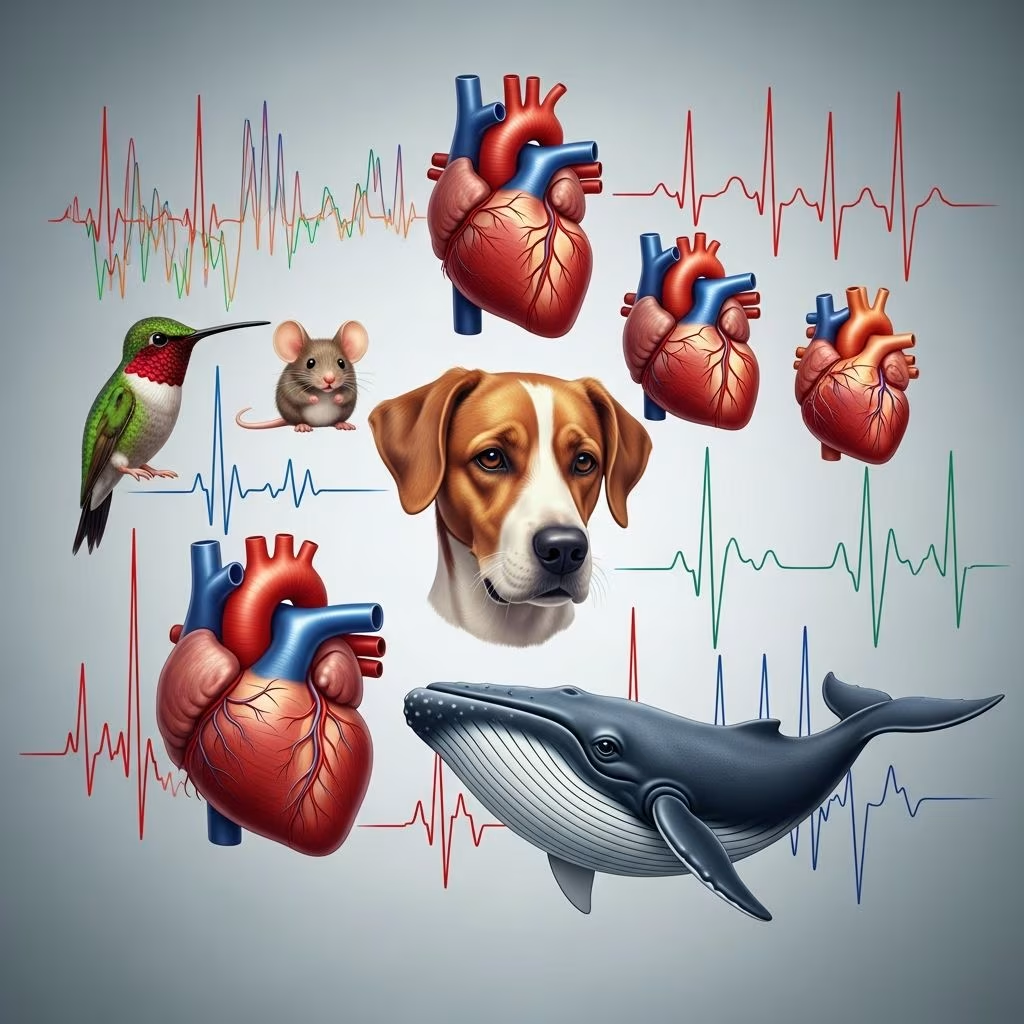
Understanding the normal cardiovascular rhythm of different animal species is essential for veterinary professionals, animal caretakers, and pet owners. The resting heart rate, measured in beats per minute (bpm), serves as a fundamental indicator of an animal’s cardiovascular health and metabolic function. Unlike humans, whose resting heart rate typically ranges from 60 to 100 bpm, animals demonstrate remarkable variation in cardiac rhythm based on their evolutionary adaptations, body size, metabolic rate, and species-specific physiology. This comprehensive guide explores the normal resting heart rates across a diverse range of animal species and provides practical insights into understanding these vital measurements.
The Importance of Baseline Cardiac Measurements
Establishing normal baseline heart rates for different animal species is crucial for early detection of cardiovascular disease, metabolic disorders, and systemic illness. When veterinarians and animal caretakers understand what constitutes a normal resting pulse for a particular species, they can more readily identify abnormalities that may warrant further investigation. Heart rate elevation can indicate pain, fever, anxiety, dehydration, or underlying cardiac pathology. Conversely, bradycardia—an abnormally slow heart rate—may suggest athletic conditioning in certain species or potentially dangerous medical conditions in others.
The concept of a “resting” heart rate itself carries specific meaning in veterinary medicine. A truly resting animal should be calm, relaxed, and free from external stressors such as pain, fear, or environmental stimuli. Measurements taken in clinical settings often reflect elevated rates due to anxiety and sympathetic nervous system activation. Therefore, baseline measurements taken in the animal’s natural environment typically provide more accurate representations of true resting cardiac function.
Companion Animals: Dogs and Cats
Dogs demonstrate heart rates that vary considerably based on breed size and physical conditioning. Adult dogs typically maintain resting heart rates between 70 and 120 bpm, though this range encompasses substantial variation. Small breed dogs and puppies generally exhibit faster heart rates, with toy breeds and miniature dogs frequently maintaining rates between 100 and 140 bpm. Larger dog breeds and those in excellent physical condition often display slower resting rates, sometimes dropping to the lower end of the range or below. Athletic dogs with enhanced cardiovascular fitness may exhibit resting rates as low as 60 bpm.
Puppies less than one year of age demonstrate even faster cardiac rhythms, typically between 120 and 160 bpm. This elevated rate reflects their higher metabolic demands and ongoing physiological development. As dogs mature and their cardiovascular systems become more efficient, resting heart rates generally decrease.
Cats maintain resting heart rates substantially higher than their canine counterparts, typically ranging from 100 to 140 bpm. Some sources indicate cats may exhibit rates as high as 120 to 140 bpm under normal resting conditions. Feline cats are naturally more prone to anxiety in clinical settings, which can significantly elevate measured heart rates. The stress of veterinary examination, unfamiliar environments, and handling can cause pronounced sympathetic activation, making true resting rate measurements challenging in many clinical scenarios.
Equine Species: Horses and Foals
Horses represent a fascinating case study in cardiac adaptation, maintaining some of the lowest resting heart rates among domestic animals. Adult horses typically display resting heart rates between 28 and 40 bpm, reflecting their evolutionary development as large athletic animals with highly efficient cardiovascular systems. This remarkably slow rate, combined with a powerful and substantial heart volume, enables horses to maintain excellent aerobic capacity and endurance performance.
Young foals demonstrate substantially different cardiac physiology. Newborn and immature foals typically maintain resting heart rates between 80 and 100 bpm, reflecting their smaller body size, higher metabolic rate, and ongoing physiological maturation. As foals grow and develop, their resting heart rate gradually decreases, approaching adult ranges as they approach maturity.
The athletic conditioning of horses significantly influences their resting rates. Well-trained equine athletes often display resting rates at the lower end of the normal range or even below, demonstrating the powerful cardiovascular adaptations that result from consistent training and conditioning programs.
Livestock Species: Cattle, Sheep, and Goats
Resting heart rates in livestock species vary based on animal category and age, with significant differences between adults and juveniles. Cattle demonstrate adult resting heart rates typically between 40 and 80 bpm, though some sources cite ranges from 48 to 84 bpm for mature animals. Calves, being considerably smaller with higher metabolic demands, maintain substantially elevated rates between 100 and 140 bpm. The transition from calf to adult physiology involves progressive cardiovascular adaptation and a corresponding decrease in resting heart rate.
Sheep and goats, being smaller ruminants, maintain elevated heart rates compared to cattle. Sheep typically exhibit resting rates between 70 and 80 bpm, though some ranges extend to 60 to 120 bpm. Goats maintain similar rates, typically between 70 and 80 bpm, with some variation cited as 70 to 135 bpm depending on individual factors and measurement conditions.
Swine (pigs) maintain resting heart rates typically between 70 and 120 bpm, reflecting their moderately sized body frame and metabolic activity level. Like other species, individual variation exists based on age, conditioning, and temperament.
Exotic and Zoo Animals
Exotic animal species demonstrate remarkable diversity in cardiac physiology. Rabbits maintain exceptionally rapid heart rates, typically between 180 and 350 bpm, reflecting their status as small prey animals with elevated metabolic demands and constant physiological arousal. Guinea pigs display heart rates between 200 and 300 bpm, similarly reflecting their small body size and prey animal physiology.
Small rodents demonstrate progressively faster heart rates correlating with decreasing body size. Hamsters typically maintain rates between 300 and 600 bpm, rats between 250 and 400 bpm, and mice between 450 and 750 bpm. These extremely rapid rates reflect the exceptional metabolic demands of very small mammals with high surface-area-to-volume ratios.
Birds similarly demonstrate elevated heart rates compared to most mammals. Chicks maintain resting rates between 350 and 450 bpm, while adult chickens display rates between 250 and 300 bpm. Avian species possess fundamentally different cardiovascular physiology compared to mammals, with unique cardiac structures and metabolic characteristics.
Larger exotic animals follow patterns similar to domestic species of comparable size. Elephants maintain remarkably slow resting heart rates between 25 and 35 bpm, reflecting their massive body size and extremely efficient cardiovascular systems. Rhesus monkeys under anesthesia demonstrate heart rates between 160 and 330 bpm, though awake animals typically display different values.
Farm Animals: Alpacas and Related Species
Alpacas and llamas maintain resting heart rates between 60 and 90 bpm, reflecting their moderate body size and camelid-specific physiology. Crias (young alpacas and llamas) demonstrate elevated rates between 70 and 120 bpm, consistent with the pattern of accelerated cardiac rhythm in young animals.
Factors Influencing Resting Heart Rate Measurements
Numerous variables can substantially influence measured heart rate values. Understanding these factors is essential for accurate interpretation of cardiac measurements:
- Animal age: Younger animals consistently demonstrate faster resting heart rates than mature adults across all species. Juvenile animals have higher metabolic rates and less developed cardiovascular efficiency.
- Body size and breed: In dogs and other variable-sized species, smaller individuals typically display faster heart rates than larger counterparts.
- Physical conditioning: Athletic animals and those with excellent cardiovascular fitness often display lower resting rates than sedentary animals.
- Temperament and anxiety: Naturally calm animals typically exhibit lower measured rates than anxious or excitable individuals. Clinical settings often produce elevated measurements due to sympathetic nervous system activation.
- Environmental temperature: Ambient temperature influences heart rate, with elevated environmental temperatures potentially increasing cardiac output.
- Recent activity: Measurements must be taken after adequate rest periods, as recent exercise or excitement causes elevated rates that do not reflect true resting physiology.
- Pain and illness: Acute or chronic illness, pain, infection, or fever substantially elevates heart rate through sympathetic activation and increased metabolic demands.
Measurement Techniques and Best Practices
Accurate heart rate measurement requires proper technique and appropriate equipment. The most reliable methods vary somewhat by species. For dogs and cats, the most accessible technique involves palpating the femoral artery on the medial aspect of the hind limb or feeling the heartbeat directly over the chest wall at approximately the fifth rib on the left side. Counting heartbeats for 15 seconds and multiplying by four provides a rapid assessment of bpm.
Large animals such as horses and cattle may be assessed by palpating the facial artery or by auscultation using a stethoscope. Digital pulse assessment in horses can be performed on the digital arteries below the fetlock joint.
Small animals and exotic species may require specialized equipment such as portable ultrasound devices or electrocardiographic monitors for accurate measurement, particularly in species with extremely rapid heart rates.
Clinical Significance and Abnormalities
Deviations from established normal ranges warrant veterinary investigation. Tachycardia, an elevation above normal resting heart rate, may indicate pain, fever, anxiety, cardiac disease, anemia, dehydration, or systemic illness. Bradycardia, an abnormally slow rate, may represent athletic conditioning in some species but can also indicate serious conditions such as heart block, hypothyroidism, or increased intracranial pressure.
Serial monitoring of heart rate can provide valuable information about treatment response and disease progression. Baseline establishment during health allows for meaningful comparison during illness.
Frequently Asked Questions
- Q: Why do smaller animals have faster resting heart rates than larger animals?
- A: Smaller animals have higher surface-area-to-volume ratios and greater proportional metabolic demands, requiring increased cardiovascular output to maintain tissue perfusion and oxygenation.
- Q: Can stress affect measured heart rate values?
- A: Yes, significantly. Clinical settings often produce elevated measurements due to anxiety and sympathetic nervous system activation. True resting rates are best measured in familiar, calm environments.
- Q: Is a slow heart rate always abnormal?
- A: Not necessarily. Well-conditioned athletic animals often display resting rates at the lower end of normal or below. However, bradycardia accompanied by clinical signs warrants veterinary evaluation.
- Q: How frequently should resting heart rate be monitored in animals?
- A: Baseline measurements during routine health examinations provide valuable reference points. More frequent monitoring may be warranted in animals with cardiac disease or other relevant conditions.
Summary and Clinical Takeaways
Resting heart rate serves as a fundamental vital sign reflecting animal health and cardiovascular function. Normal rates vary dramatically across species, from elephants maintaining rates around 30 bpm to mice exceeding 600 bpm. Understanding species-specific and individual normal values enables veterinarians and animal caretakers to identify abnormalities, monitor disease progression, and assess treatment efficacy. Accurate measurement requires proper technique and recognition of factors that influence heart rate. When deviations from established norms occur, appropriate veterinary investigation can facilitate early detection and management of potential health concerns.
References
- Merck Veterinary Manual: Resting Heart Rates — Merck Sharp & Dohme Corp. 2024. https://www.merckvetmanual.com/reference-values-and-conversion-tables/reference-guides/resting-heart-rates
- Normal Vital Signs — California Veterinary Emergency Team. 2024-06. https://cvet.vetmed.ucdavis.edu/
- Normal Vital Parameters — McGee Equine Veterinary Clinic. https://www.mcgeeequine.com/normal-vital-parameters/
- Normal Physiological Values for Select Animals — Texas A&M University College of Veterinary Medicine & Biomedical Sciences. 2016. https://texashelp.tamu.edu/
- Normal Vital Signs in Dogs and Cats — Mount Pleasant Veterinary Clinics. 2024. https://www.mountpleasant.com.sg/
- What’s a Normal Dog Temperature, Heart and Breathing Rate? — American Red Cross. 2024. https://www.redcross.org/
- What are normal resting heart rates? — BIOPAC Systems Inc. 2024. https://www.biopac.com/knowledge-base/resting-heart-rates/



