

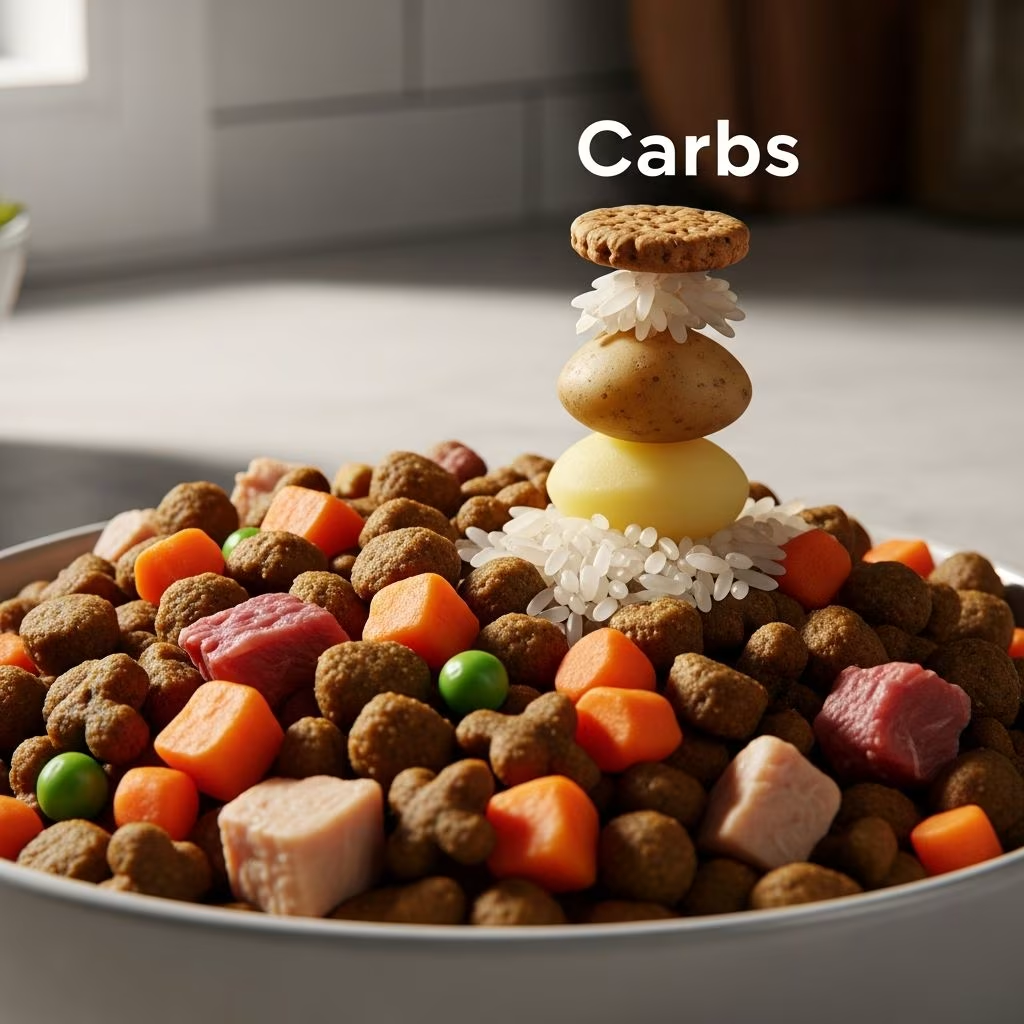
Carbohydrates form a significant part of many commercial dog foods, often comprising 30% to 60% of dry formulas, yet dogs have no strict dietary requirement for them. These plant-based nutrients primarily supply energy through glucose, support digestion via fiber, and aid in manufacturing affordable, shelf-stable kibble.
The Biological Role of Carbohydrates for Dogs
Dogs, as descendants of wolves, thrive on meat-heavy diets where proteins and fats dominate energy needs. At the cellular level, glucose from carbs fuels the brain and red blood cells, but dogs efficiently convert proteins and fats into glucose via gluconeogenesis, making carbs non-essential.
Despite this adaptability, carbs offer practical benefits. Digestible starches provide quick, sustained energy for active dogs, sparing proteins for muscle repair. Fiber from carb sources promotes gut health, regulates blood sugar, and helps manage weight by increasing satiety.
Why Carbs Dominate Commercial Dog Foods
Dry dog foods average 46% to 74% carbohydrates due to manufacturing economics. Carbs are abundant, inexpensive per calorie, durable for long shelf life, and crucial for kibble extrusion, where starches gelatinize under heat and pressure to bind ingredients.
This prevalence stems from post-1950s pet food industry shifts prioritizing cost over ancestral diets. High-carb formulas reduce reliance on pricier meats, but excessive levels (over 40-70% in some products) may exceed ancestral needs of 7-14%.
Ideal Carbohydrate Levels in Canine Diets
Optimal carb content varies by dog’s age, activity, and health. Active adults tolerate moderate levels (20-30%) for energy without excess. Sedentary, senior, or obese dogs benefit from lower amounts (under 20%) to prevent weight gain and insulin spikes.
Calculate carbs by subtracting protein, fat, moisture, crude fiber, and ash (typically 5-8%) from 100% of the food’s composition. Labels rarely list carbs directly, so savvy owners check guaranteed analysis.
| Dog Type | Recommended Carb Range (% DM) | Key Considerations |
|---|---|---|
| Active Adult | 20-30% | Sustained energy for play and exercise |
| Sedentary Adult | 10-20% | Weight control, reduced fat storage |
| Puppy | 25-35% | Growth support with high protein pairing |
| Senior | <15% | Joint health, diabetes prevention |
Top-Quality Carbohydrate Sources for Dogs
Choose digestible, nutrient-dense carbs over fillers. High-quality options deliver vitamins, minerals, fiber, and slow-release energy without glycemic crashes.
- Sweet Potatoes: Packed with fiber, vitamins A and C, low-fat, and highly digestible for steady energy.
- Quinoa: Gluten-free pseudo-grain with complete proteins, fiber, and essential amino acids.
- Barley: Whole grain rich in fiber and B vitamins; pearl barley digests easily, supporting gut motility.
- Brown Rice: Better than white rice, offers fiber and antioxidants; common in premium formulas.
- Peas and Carrots: Provide protein, beta-carotene, and low-calorie bulk for dental and vision health.
- Butternut Squash and Broccoli: Antioxidant-loaded veggies aiding immunity and low-cal digestion.
A 2024 study compared common sources: corn showed highest dry matter digestibility, followed by rice and barley, while mung beans lagged in protein uptake but excelled in fiber for weight management.
Carbs to Limit or Avoid
Not all carbs suit dogs equally. High-glycemic grains like corn, wheat, or white rice cause blood sugar spikes, potentially leading to energy crashes, obesity, or diabetes risk in prone breeds.
Grain-free diets often substitute with legumes (peas, lentils) or tubers (potatoes), but these can match or exceed grain carb levels and raise heart disease concerns in some cases. Prioritize whole, named sources over generic “grains” or by-products.
Digestibility Factors in Dog Food Carbs
Starch digestibility hinges on processing: extrusion cooking swells granules for 95%+ absorption in quality foods. Factors like granule size, amylose ratio, and co-ingredients affect efficiency.
Fiber types matter too—soluble fibers (e.g., in oats, psyllium) feed gut bacteria; insoluble (cellulose, beet pulp) bulk stools. Balanced fiber (2-5%) prevents constipation or diarrhea.
Health Impacts of Balanced vs. Excessive Carbs
- Positive: Energy for endurance, fiber for microbiota diversity, lower fat for calorie control, protein sparing amid meat shortages.
- Negative (Excess): Weight gain, insulin resistance, reduced nutrient density if displacing proteins/fats.
European guidelines affirm carbs’ role in moderate-fat, low-calorie diets for obesity-prone dogs, emphasizing cooked starches to avoid GI upset.
How to Select Low-to-Moderate Carb Dog Food
- Read labels: Seek meats first, whole carbs mid-list; calculate carbs via analysis.
- Aim for 25-40% protein, 10-20% fat, <30% carbs on dry matter basis.
- Prefer named veggies/grains over “grain products.”
- Test tolerance: Monitor stool, energy, weight post-switch.
- Consult vets for special needs (e.g., diabetic dogs need low-GI carbs).
Frequently Asked Questions
Do dogs really need carbohydrates?
No, but they provide efficient energy and fiber benefits when moderated.
Are grain-free foods lower in carbs?
Not necessarily—many use potato/legume starches equaling grain levels.
Can too many carbs make my dog obese?
Yes, excess converts to fat; pair with exercise and portion control.
What’s the best carb for digestion?
Barley or sweet potatoes for fiber balance.
How do I know carb percentage?
Subtract moisture + protein + fat + fiber + ash from 100%.
Conclusion
Carbohydrates enhance dog food palatability and economics but should complement, not overshadow, proteins and fats. Opt for quality sources at moderate levels for peak health.
References
- Do Dogs Need Carbs? | Dog Food Advisor — Dog Food Advisor. 2023. https://www.dogfoodadvisor.com/canine-nutrition/dog-food-carbohydrates/
- Nutritional value of common carbohydrate sources used in pet foods — PMC (NCBI). 2024-10-15. https://pmc.ncbi.nlm.nih.gov/articles/PMC11647412/
- About the Carbohydrates in Dog Food — Arnie’s Pet Foods. 2023. https://www.arniespetfoods.com/about-carbohydrates-in-dog-food
- Carbohydrates: Key to a Balanced Dog Food — PetMD. 2024. https://www.petmd.com/dog/nutrition/evr_dg_carbohydrates_key_to_balanced_dog_food
- Carbohydrates in dog and cat food — FEDIAF (European Pet Food Industry). 2024. https://europeanpetfood.org/pet-food-facts/fact-sheets/nutrition/carbohydrates-in-dog-and-cat-food/
- Role of carbohydrates in canine and feline nutrition — Oxford Academic (Animal Frontiers). 2024-07-01. https://academic.oup.com/af/article/14/3/28/7696637



