

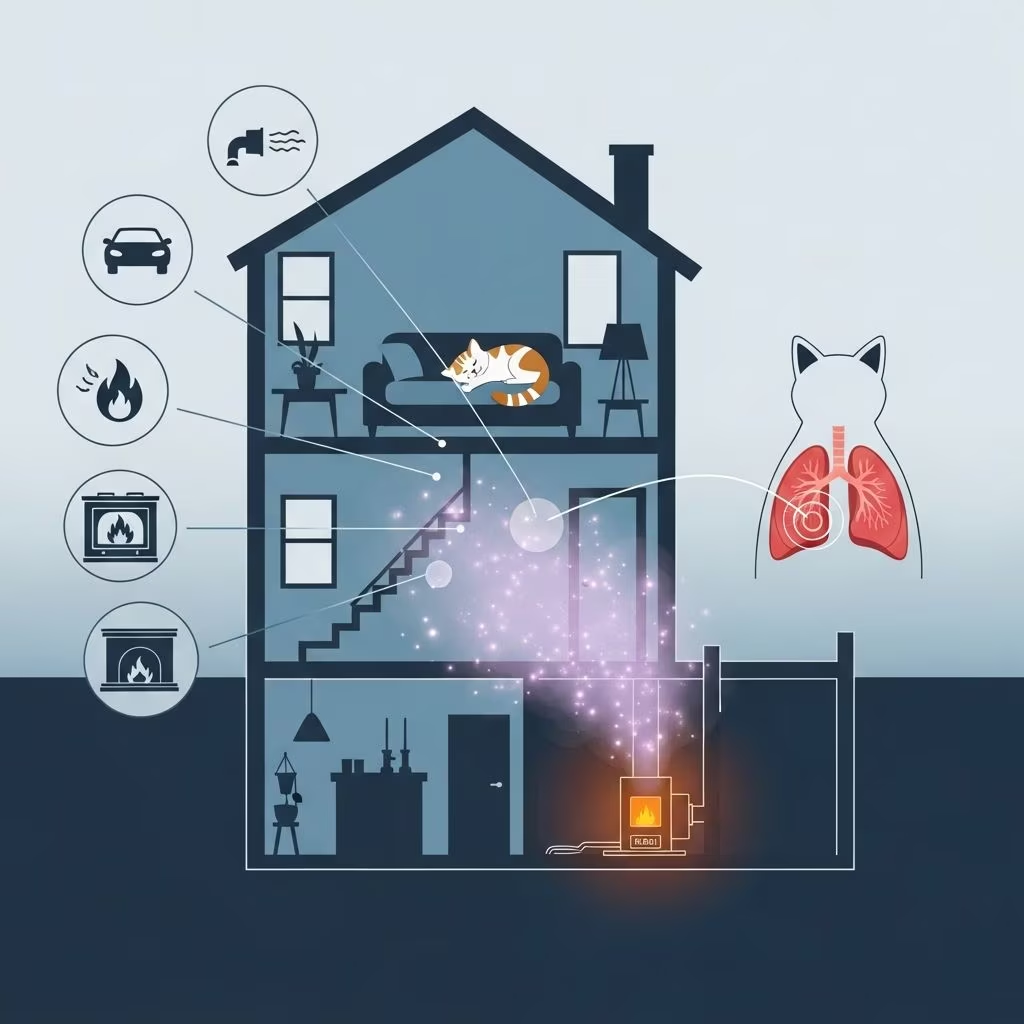
Carbon monoxide (CO) represents one of the most insidious threats to indoor cats, often going unnoticed until significant damage has occurred. Unlike many other household dangers that produce obvious warnings, carbon monoxide is invisible, odorless, and colorless, making it particularly dangerous for unsuspecting pet owners. When cats inhale this toxic gas, it binds to their hemoglobin—the protein in red blood cells responsible for carrying oxygen—forming a compound called carboxyhemoglobin that prevents oxygen delivery to vital organs and tissues. This biochemical disruption can lead to rapid deterioration of your cat’s condition and, in severe cases, fatal consequences.
The Mechanism Behind Feline Carbon Monoxide Exposure
Understanding how carbon monoxide affects cats begins with recognizing the physiological process of poisoning. When a cat breathes in carbon monoxide, the gas is rapidly absorbed through the lungs into the bloodstream. Unlike oxygen, which bonds temporarily with hemoglobin to be transported throughout the body, carbon monoxide has a much stronger affinity for hemoglobin molecules. This means that once CO binds to hemoglobin, oxygen cannot attach to those same sites, significantly reducing the amount of oxygen available to the brain, heart, and other critical organs. The severity of the poisoning depends on multiple factors including the concentration of carbon monoxide in the environment, the duration of exposure, ventilation levels, and the individual cat’s age, size, and overall health status.
Most cases of carbon monoxide toxicity in household pets result from human oversight rather than deliberate exposure. Common sources include faulty heating systems, improperly maintained furnaces, running vehicles in attached garages, and enclosed spaces where combustion appliances operate without adequate ventilation. Additionally, some cases have involved cats being transported in car trunks, an inhumane practice that creates a perfect environment for carbon monoxide accumulation.
Recognizing the Warning Signs
The symptoms of carbon monoxide poisoning in cats vary depending on the exposure level and duration. Early recognition is crucial for successful treatment, yet many early signs are subtle and easily mistaken for other conditions.
Initial Stage Indicators
- Excessive drowsiness or sleepiness
- Lethargy and general lack of energy
- Loss of appetite or reluctance to eat
- Nausea or vomiting
- Unsteadiness when walking or balance difficulties
- Dizziness or disorientation
Progressive Symptoms
- Increased respiratory rate or heavy panting
- Elevated heart rate (tachycardia)
- Difficulty breathing or labored respiration
- Weakness and muscle tremors
- Uncoordinated movements or loss of coordination
- Partial or complete hearing loss
- Visual impairment or blindness
Severe Presentations
- Seizures or convulsions
- Changes in mental status or consciousness
- Collapse or inability to stand
- Coma or unresponsiveness
- Respiratory failure
- Loss of life
One distinctive physical sign of carbon monoxide poisoning includes abnormally red or cherry-colored mucous membranes, particularly visible in the gums, lips, ears, and nose. However, this sign may not be apparent in all cases, and owners should not wait for this indicator before seeking help. Pregnant cats exposed to carbon monoxide may experience abortion or loss of pregnancy, especially during late gestation.
Immediate Response Protocol
If you suspect your cat has been exposed to carbon monoxide, immediate action is essential. The first and most critical step is to remove your cat from the source of the toxic gas and move it to an area with fresh air. If your cat is severely distressed or unconscious, do not delay—contact emergency veterinary services immediately while relocating your pet. Time is of the essence in carbon monoxide poisoning cases, and every minute counts toward preventing permanent organ damage or death.
While waiting for veterinary assistance, keep your cat calm and avoid unnecessary physical exertion. If your cat is not breathing or has no pulse, begin basic life support if you are trained to do so, though professional veterinary intervention should be your primary focus.
Diagnostic Process at the Veterinary Clinic
Upon arrival at the veterinary clinic, your veterinarian will conduct a comprehensive assessment to determine the extent of carbon monoxide exposure and its effects on your cat’s body. The diagnostic approach typically includes multiple components working together to establish a complete picture of your cat’s condition.
Physical Examination: Your veterinarian will begin by evaluating your cat’s respiratory rate, heart rate, and general physical condition. They will listen to the lungs with a stethoscope, assess mucous membrane color (checking for the characteristic reddish appearance), and evaluate capillary refill time to determine how effectively oxygen is being delivered to tissues.
Blood Work and Analysis: The definitive test for carbon monoxide poisoning is measuring carboxyhemoglobin levels in the blood. This test reveals exactly how much of the cat’s hemoglobin is bound to carbon monoxide rather than oxygen. Additional blood tests, including a complete blood count and biochemistry profile, help assess overall organ function and identify any secondary complications. Urinalysis may also be performed to evaluate kidney function.
Cardiac Assessment: An electrocardiogram (ECG) may be used to determine whether the heart has been damaged by oxygen deprivation. This is particularly important since the heart is one of the organs most sensitive to inadequate oxygen supply.
Imaging Studies: Chest X-rays or ultrasound may be recommended to examine the lungs and heart more closely, especially if fluid accumulation or other damage is suspected.
Emergency Treatment and Oxygen Therapy
The cornerstone of carbon monoxide poisoning treatment is oxygen therapy, which works to displace carbon monoxide from hemoglobin molecules and restore normal oxygen circulation. The administration of 100 percent pure oxygen is the most effective method for initiating rapid recovery, as it overwhelms the carbon monoxide bound to hemoglobin and allows it to be eliminated from the body.
Oxygen therapy may be delivered through various methods depending on your cat’s condition and tolerance, including oxygen masks, oxygen chambers, or nasal cannulas. Your veterinarian will select the most appropriate delivery method for your individual cat. In severe cases where a cat has suffered prolonged exposure or shows signs of respiratory failure, referral to a facility equipped with a hyperbaric oxygen chamber may be necessary. Hyperbaric oxygen therapy involves placing the cat in a pressurized chamber filled with pure oxygen, which further enhances oxygen delivery and carbon monoxide elimination.
Supporting Therapies and Medications
Beyond oxygen therapy, supportive care plays a vital role in recovery. Intravenous fluid therapy is typically administered to address the acidification of the blood that occurs with carbon monoxide poisoning. These fluids help restore proper blood pH balance, improve circulation to vital organs, and prevent shock. Maintaining adequate fluid balance ensures that the brain, heart, kidney, and liver continue receiving sufficient blood perfusion.
If your cat experiences seizures during the acute phase of poisoning, your veterinarian may administer anti-convulsant medications to control neurological symptoms. Additional supportive care might include medications to manage heart arrhythmias or antibiotics if secondary infections develop from smoke inhalation (in cases involving fire-related exposure).
The Recovery Journey
Recovery from carbon monoxide poisoning is not instantaneous and requires careful management during the weeks following initial treatment. Your veterinarian will provide specific recovery guidelines tailored to your cat’s condition and the severity of exposure.
Activity Restriction
For at least six weeks following carbon monoxide poisoning, your cat must have severely restricted activity. This means limiting physical exertion that could stress the heart and demand additional oxygen. Long playtime sessions, chasing games, and vigorous activities should be postponed until your veterinarian confirms that your cat has fully recovered. Instead, offer short, gentle play sessions and encourage quiet rest periods throughout the day.
Environmental Adjustments
Create a calm, stress-free environment for your recovering cat. Some cats benefit from having a quiet space where they can retreat and feel secure while their body heals from the toxic insult. This dedicated area should be comfortable, temperature-controlled, and away from household commotion. Ensure your cat has easy access to fresh water and appropriate litter facilities without needing to exert significant energy.
Monitoring for Complications
Watch carefully for any recurrence of symptoms during the recovery period. Nervous system abnormalities may emerge weeks after the initial poisoning, including behavioral changes, difficulty walking, coordination problems, or hearing/vision issues. These delayed neurological effects can result from damage to the nervous system during oxygen deprivation. Report any concerning changes to your veterinarian promptly, as early intervention may help manage these complications.
Additionally, maintain awareness of signs that might indicate incomplete recovery or new problems, such as persistent breathing difficulties, ongoing lethargy beyond what seems normal, or development of new symptoms.
Prevention Strategies for Cat Owners
The most effective approach to carbon monoxide poisoning is prevention. Install carbon monoxide detectors in your home, particularly near bedrooms and heating systems. Have your furnace and heating systems professionally inspected annually to ensure they operate safely and efficiently. Never run vehicles in attached garages, even briefly, as carbon monoxide can seep into living spaces. Ensure all combustion appliances, including furnaces, water heaters, and gas stoves, are properly vented to the outside. Never transport cats in vehicle trunks, as this creates a dangerous environment for carbon monoxide accumulation.
Long-Term Outlook
The prognosis for cats with carbon monoxide poisoning depends significantly on the severity and duration of exposure and how quickly treatment was initiated. Cats treated early for mild to moderate poisoning often make full recoveries without lasting complications. However, cats exposed to severe concentrations for extended periods may suffer permanent neurological damage affecting cognition, movement, or sensory function. Some cats may never fully regain their pre-poisoning activity levels or may experience ongoing health challenges.
Despite the serious nature of carbon monoxide poisoning, modern veterinary treatment protocols offer hope for recovery when intervention occurs promptly. Being aware of the signs, knowing how to respond, and taking preventive measures can significantly improve outcomes for your feline companion.
References
- Carbon Monoxide Poisoning in Cats — PetMD. Accessed 2026. https://www.petmd.com/cat/conditions/respiratory/c_ct_carbon_monoxide_toxicosis
- Carbon Monoxide – Cats — Lort Smith Melbourne Animal Hospital. 2012. https://lortsmith.com/need-help-now/cat/poisons-toxins/chemicals/carbon-monoxide/
- Carbon Monoxide Poisoning in Cats: Symptoms and Urgent Care — Vets Now. Accessed 2026. https://www.vets-now.com/pet-care-advice/carbon-monoxide-poisoning-cats/
- Carbon Monoxide – Poisoning in Pets — First Aid for Pets. Accessed 2026. https://firstaidforpets.net/carbon-monoxide-pets/
- Smoke Inhalation in Dogs and Cats: What To Do if Your Pet… — PetMD. Accessed 2026. https://www.petmd.com/emergency/smoke-inhalation-in-dogs-and-cats
- Poisons — Cornell University College of Veterinary Medicine. Accessed 2026. https://www.vet.cornell.edu/departments-centers-and-institutes/cornell-feline-health-center/health-information/feline-health-topics/poisons
- The Antidote to Carbon Monoxide Poisoning — ASPCApro. Accessed 2026. https://www.aspcapro.org/resource/antidote-carbon-monoxide-poisoning



