

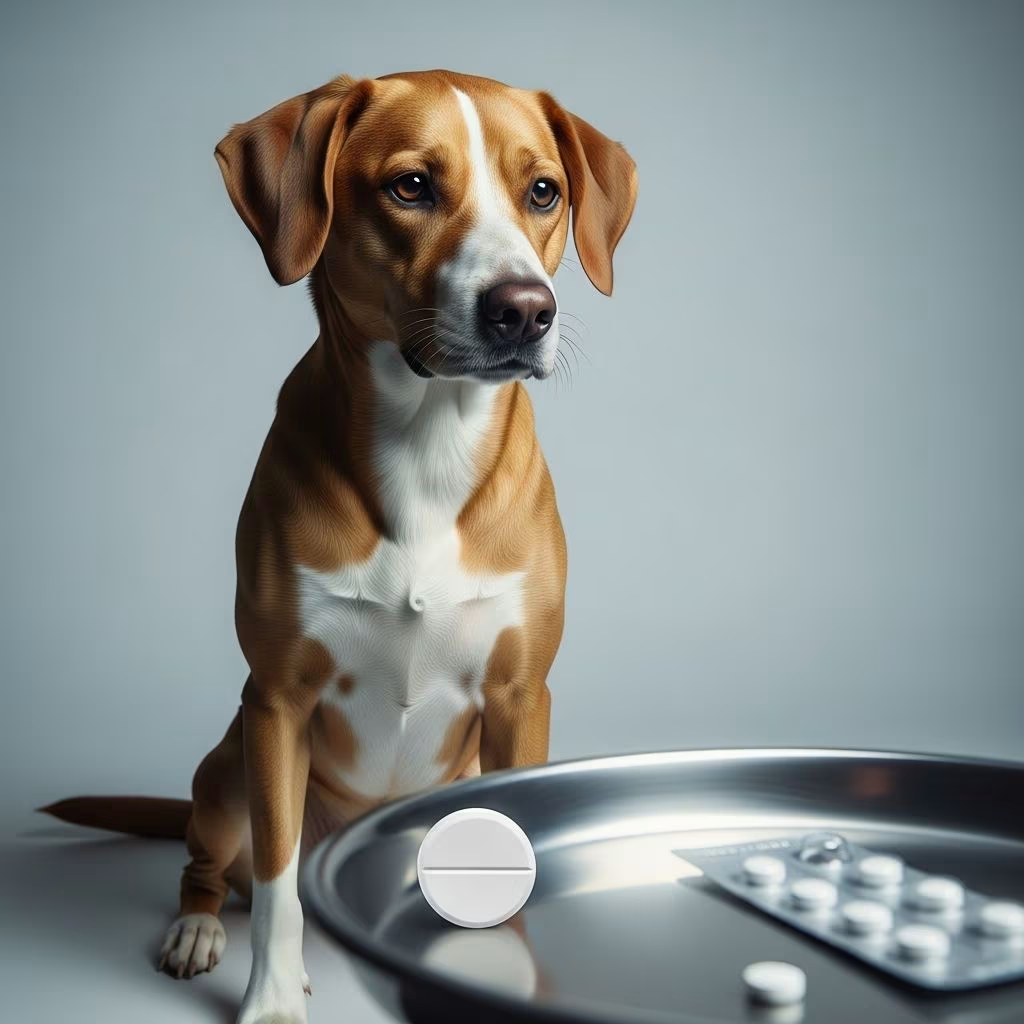
Managing flea infestations in dogs requires effective solutions, and Capstar (nitenpyram) has emerged as a popular rapid-acting treatment option for pet owners seeking fast relief. However, like all medications, understanding both the benefits and potential risks is essential for responsible pet care. This guide explores how Capstar functions, what side effects may occur, and how to recognize when veterinary intervention becomes necessary.
How Capstar Delivers Rapid Flea Relief
Capstar operates through a straightforward mechanism that makes it particularly effective for acute flea infestations. When a dog ingests the tablet, the active ingredient nitenpyram is rapidly absorbed into the bloodstream. The medication then circulates throughout the body, and when fleas feed on the dog, they ingest a lethal dose of the drug. The compound targets the nervous system of adult fleas, causing paralysis and death.
The speed of action sets Capstar apart from many alternative treatments. Fleas begin to die within approximately 30 minutes of administration, with nearly complete elimination of adult fleas occurring within three hours. This rapid effectiveness makes Capstar an attractive option for pet owners dealing with severe infestations who need immediate relief.
Despite its efficacy, Capstar has significant limitations. The medication only targets adult fleas and does not affect younger developmental stages such as larvae or eggs. Additionally, protection is temporary—the medication remains effective for approximately 24 hours, after which reinfestation becomes possible. For these reasons, veterinarians typically recommend combining Capstar with longer-acting preventative medications to maintain comprehensive flea control.
Common Reactions Following Capstar Administration
The majority of dogs tolerate Capstar well, with most experiencing minimal or no side effects. However, when reactions do occur, understanding their nature helps pet owners distinguish between expected responses and genuine concerns.
Flea-Related Disturbances
Many reactions that appear immediately after Capstar administration actually result from the dying process of fleas rather than direct medication effects. As fleas experience the neurotoxic effects of nitenpyram, they become temporarily hyperactive and twitch involuntarily. This flea behavior creates unusual sensations against the dog’s skin, triggering a cascade of responses in the affected animal.
Dogs may exhibit the following behaviors during the first few hours after treatment:
- Increased scratching and skin irritation
- Excessive licking and biting at affected areas
- Pacing and restlessness
- Skin twitching and muscle tension
- Whining or vocalization
These reactions typically manifest within the first five hours following administration and usually resolve completely once the fleas have died, generally within seven hours. Understanding this temporary nature can help reduce unnecessary anxiety about what are essentially normal responses to successful flea elimination.
Medication-Related Side Effects
A smaller percentage of dogs experience side effects directly attributable to the medication itself rather than flea behavior. The most frequently reported medication-related adverse reactions include:
- Lethargy or depression affecting energy levels
- Vomiting or gastrointestinal upset
- Decreased appetite or refusal to eat
- Diarrhea
- Hyperactivity in some cases
- Excessive panting or breathing changes
- Muscle incoordination or balance problems
- Trembling or mild shaking
Most of these reactions are mild and self-limiting, resolving without intervention. However, any persistent or concerning symptoms warrant communication with a veterinarian to rule out other underlying issues or potential complications.
Serious Adverse Reactions Requiring Immediate Attention
While serious complications from Capstar are rare, pet owners should recognize warning signs that demand immediate veterinary care. Severe reactions may include:
- Difficulty breathing or respiratory distress
- Severe lethargy or unresponsiveness
- Sudden or unexplained loss of coordination
- Seizure activity or uncontrolled muscle contractions
- Allergic reactions manifesting as hives, facial swelling, or skin redness
- Excessive drooling or inability to swallow
Allergic reactions, though uncommon, represent a true medical emergency. The body’s immune system may recognize nitenpyram as a foreign threat, triggering histamine release that can affect multiple organ systems. Dogs showing signs of allergic response should receive emergency veterinary evaluation immediately.
Neurological Complications and At-Risk Populations
Certain dog populations face elevated risks for serious adverse effects, particularly neurological complications. Dogs meeting any of the following criteria should only receive Capstar under close veterinary supervision:
| Risk Factor | Details |
|---|---|
| Body Weight | Dogs weighing less than 2 pounds face significantly higher risk of neurological effects |
| Age | Puppies younger than 8 weeks old show increased vulnerability |
| Health Status | Dogs in poor overall health or with pre-existing conditions may experience more severe reactions |
| Pregnancy | Pregnant or lactating dogs require special consideration; birth defects and fetal loss have been reported |
Neurological effects can include trembling, incoordination, seizures, and loss of consciousness. These complications appear more frequently in small dogs and very young puppies, potentially due to their limited ability to metabolize the medication effectively. Pet owners with dogs in these categories should discuss Capstar safety with their veterinarian before administration, as alternative treatments might be more appropriate.
Drug Interactions and Combination Therapy
Capstar has no known direct interactions with other medications, making it relatively safe to combine with other treatments. In fact, veterinarians commonly recommend using Capstar alongside long-acting flea preventatives for comprehensive control. Capstar provides the immediate flea elimination while preventative medications offer lasting protection against future infestations.
Despite the absence of known interactions, pet owners should always inform their veterinarian about any other medications or supplements their dog is currently receiving before administering Capstar. This ensures comprehensive medication review and identifies any potential individual circumstances that might affect safety.
Proper Administration and Dosing Guidelines
Capstar is administered as an oral tablet, with dosage determined by the dog’s body weight. The medication reaches therapeutic levels in the bloodstream within approximately 80 minutes in dogs. If a dose is accidentally missed, owners should administer it as soon as remembered, but should always maintain at least 24 hours between doses to prevent overdosing.
If uncertainty exists about whether a dose was successfully administered, consulting with a veterinarian is advisable rather than automatically giving a second dose. Some sources indicate a second dose might be given safely if true uncertainty exists, but veterinary guidance ensures appropriate decision-making for individual circumstances.
Comparing Benefits and Limitations
Capstar offers distinct advantages for certain situations but also carries meaningful limitations that influence treatment planning:
Advantages:
- Extremely rapid action, with visible flea death within 3 hours
- Oral administration eliminates handling and topical application concerns
- Minimal side effects in most dogs
- Can be administered as frequently as once daily if needed for reinfestation
- No known drug interactions
Limitations:
- Short duration of protection—only 24 hours
- Ineffective against flea eggs, larvae, and pupae
- Provides no protection against ticks, mosquitoes, or other parasites
- Requires combination with preventative medications for long-term control
- Higher risk profile in small dogs and young puppies
Frequently Asked Questions About Capstar Safety
How long do side effects typically last?
Flea-related reactions usually resolve within seven hours as the parasites die and stop stimulating nerve endings in the dog’s skin. Medication-related side effects are generally mild and self-limiting, typically improving within 24 hours. If symptoms persist beyond this timeframe, veterinary evaluation is warranted.
Is Capstar safe for puppies?
Capstar is approved for puppies weighing at least 2 pounds and at least 4 weeks of age, though some sources indicate age thresholds as young as 4 weeks. Puppies younger than 8 weeks or weighing less than 2 pounds face higher risks of serious neurological effects and should not receive Capstar without explicit veterinary approval.
Can Capstar be used with other flea treatments?
Yes, Capstar is frequently combined with long-acting preventative medications. This combination provides immediate relief through Capstar while preventatives offer ongoing protection. Always consult with a veterinarian before combining treatments to ensure safety.
What should I do if my dog has an allergic reaction?
Allergic reactions constitute a medical emergency. Seek immediate veterinary care if your dog shows signs of allergic response such as facial swelling, difficulty breathing, hives, or severe itching. Do not wait for symptoms to resolve on their own.
Is Capstar effective for flea prevention?
No. Capstar only kills existing adult fleas and offers no prevention against future infestations. It should not replace regular preventative medications. Instead, use Capstar for acute infestation relief while maintaining a preventative regimen for long-term control.
Making Informed Treatment Decisions
Capstar represents a valuable tool in flea management, particularly for dogs suffering from acute infestations requiring rapid relief. The medication’s fast action and generally favorable safety profile make it attractive to many pet owners. However, responsible use requires understanding both its capabilities and limitations, recognizing that serious side effects, while uncommon, do occur in specific populations.
Before administering Capstar, pet owners should discuss their individual dog’s health status, age, weight, and concurrent medications with a veterinarian. This professional consultation ensures that Capstar represents the most appropriate choice for the specific situation and identifies any individual risk factors that might warrant alternative approaches.
By combining Capstar with appropriate preventative medications and maintaining regular veterinary oversight, pet owners can effectively manage flea infestations while minimizing the risk of adverse effects. This comprehensive approach protects dogs from parasitic disease while maintaining their overall health and wellbeing.
References
- Capstar for Dogs: Safety, Side Effects, Dosages, and More — GoodRx. 2024. https://www.goodrx.com/pet-health/dog/capstar-nitenpyram-for-dogs
- Capstar Flea Treatment Side Effects — EntirelyPets. https://www.entirelypets.com/capstar-flea-treatment-side-effects.html
- Capstar for Dogs (Nitenpyram) — PetMD. https://www.petmd.com/pet-medication/capstar-for-dogs
- CAPSTAR® (nitenpyram) – FDA Approved Drug Information — DailyMed, National Library of Medicine. https://dailymed.nlm.nih.gov/dailymed/fda/fdaDrugXsl.cfm?setid=76f4edc6-a841-4f93-abf1-db72251d1282
- CAPSTAR® (nitenpyram) Oral Flea Treatment for Dogs – 6 Doses — Capstar. https://capstarpet.com/products/capstar-nitenpyram-oral-flea-treatment-for-dogs



