

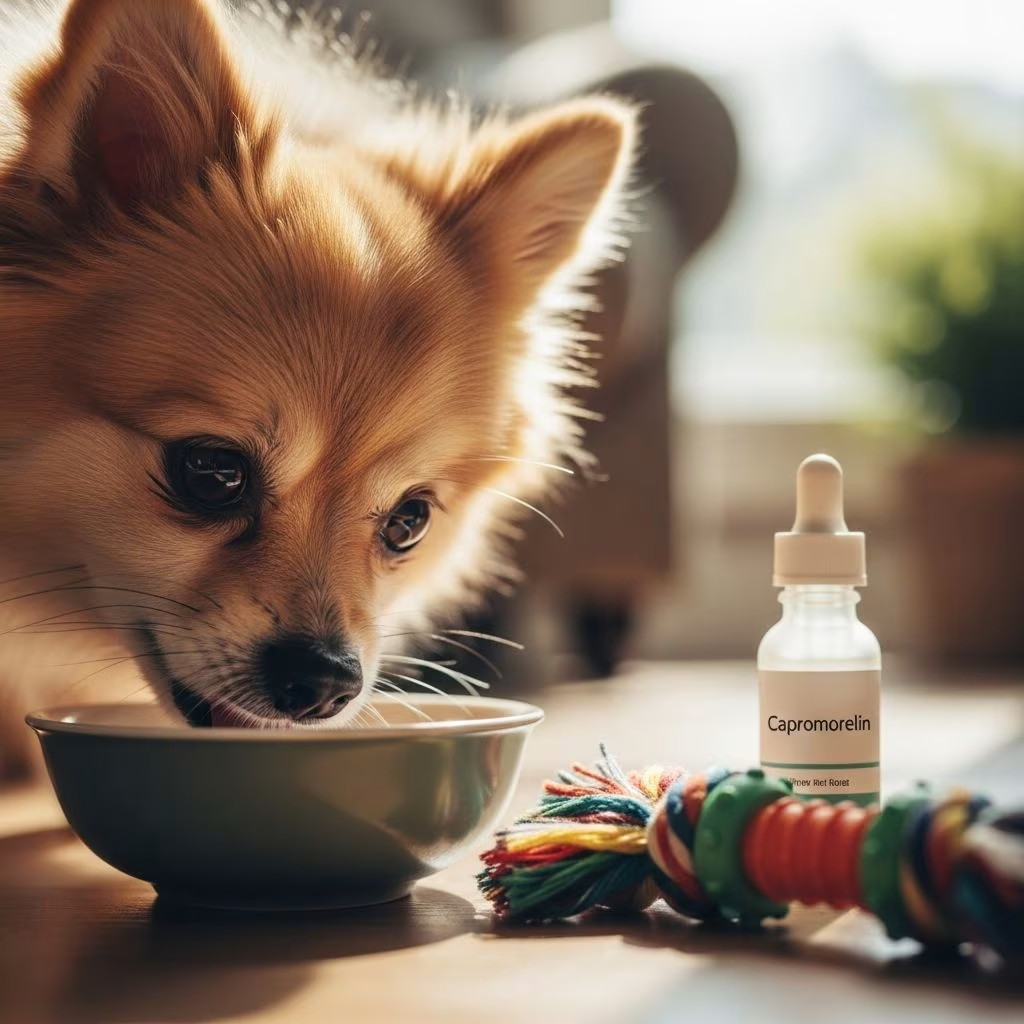
Understanding Capromorelin: An Appetite Stimulant for Your Pet
Capromorelin is a groundbreaking medication that has revolutionized the way veterinarians address appetite loss in companion animals. As the first ghrelin receptor agonist approved by the FDA for therapeutic purposes in any animal species, capromorelin represents a significant advancement in veterinary medicine. This oral solution is marketed under two brand names: Entyce for dogs and Elura for cats, each formulation tailored to address specific health challenges in these species.
The development of capromorelin stemmed from decades of research into the ghrelin hormone, which plays a crucial role in regulating appetite, growth hormone secretion, and various metabolic processes. Understanding how this medication works can help pet owners make informed decisions about their animals’ health and nutrition.
What Is Capromorelin and How Does It Work?
Capromorelin is a small molecule ghrelin receptor agonist that mimics the effects of ghrelin, a naturally occurring hormone in the body. Ghrelin is often called the “hunger hormone” because it signals the brain to increase appetite and food intake. When pets experience illness, surgery, or chronic conditions, their natural ghrelin production may be suppressed, leading to decreased appetite and subsequent weight loss.
By acting on ghrelin receptors in the brain and body, capromorelin effectively stimulates appetite in a way that encourages pets to eat more naturally. The medication works by:
- Activating ghrelin receptors in the hypothalamus, the brain region responsible for appetite regulation
- Increasing the secretion of growth hormone (GH), which supports lean muscle mass maintenance
- Promoting insulin-like growth factor 1 (IGF-1) production, which enhances anabolic effects in muscle tissue
- Reducing inflammation associated with chronic diseases
This multifaceted mechanism of action makes capromorelin particularly valuable for pets dealing with complex medical conditions that affect both appetite and nutritional status.
FDA Approval and Available Formulations
Capromorelin received FDA approval in May 2016 and became available to veterinarians in fall 2017. The medication’s regulatory approval was based on extensive clinical trials demonstrating its safety and effectiveness. Two primary formulations are now available:
Entyce® for Dogs
Entyce was the first formulation approved, specifically for appetite stimulation in dogs with inappetence from various causes. This oral solution allows for precise dosing based on your dog’s weight and can be administered directly or mixed with food.
Elura® for Cats
Elura received FDA approval for managing weight loss in cats with chronic kidney disease, addressing a significant gap in feline treatment options. Many cats with chronic kidney disease experience severe appetite loss, and Elura provides veterinarians with an evidence-based therapeutic option.
Dosing Information and Administration
Proper dosing is essential for achieving optimal results with capromorelin. The standard dosing protocol differs slightly between formulations:
Capromorelin Dosing Guidelines
For Dogs (Entyce): The approved dose is 3 mg/kg administered orally once daily. In cases where pets do not show adequate appetite stimulation response within 24 to 48 hours, the dose may be increased to 4.5 mg/kg once daily. The medication can be given with or without food and should be administered at approximately the same time each day for consistency.
For Cats (Elura): Dosing is determined by body weight, with specific concentration guidelines provided by your veterinarian. The medication comes in an oral solution format that can be mixed with food if needed.
One significant advantage of capromorelin is the lack of treatment duration restrictions on the label, meaning it can be used for both short-term and long-term therapy as clinically indicated by your veterinarian.
Clinical Effectiveness in Dogs
Extensive clinical research has demonstrated capromorelin’s effectiveness in stimulating appetite and promoting weight gain in dogs. A pivotal field study evaluated 177 inappetent dogs over a 4-day period, comparing capromorelin treatment to placebo. The results were compelling:
- 68.6% of dogs treated with capromorelin showed improved appetite compared to 44.6% of placebo-treated dogs (P = 0.008)
- Dogs receiving capromorelin gained a mean of 1.8% body weight versus 0.1% in the placebo group (P <0.001)
- These improvements were sustained despite dogs having various underlying medical conditions and concurrent medications
In a separate 7-day study using laboratory beagles, capromorelin produced even more pronounced results, with food intake increasing by 36 to 58% and body weight increasing by 3.8 to 4.5% depending on the dose administered.
The sustained elevation of IGF-1 levels, which remain approximately 60 to 70% higher than baseline when measured 4 to 8 hours after dosing, suggests that long-term capromorelin treatment may promote meaningful increases in lean muscle mass.
Clinical Applications and Medical Conditions
Capromorelin’s mechanism of action makes it valuable for treating appetite loss associated with numerous medical conditions in both dogs and cats.
Cancer and Cachexia
Dogs with cancer experience metabolic alterations similar to those documented in human cancer patients, leading to cachexia (severe muscle wasting) and weight loss. Capromorelin can help counteract these effects by stimulating appetite and promoting muscle preservation.
Chronic Kidney Disease
Chronic kidney disease is one of the most common chronic conditions affecting both dogs and cats, frequently accompanied by severe inappetence and weight loss. Elura was specifically approved for managing weight loss in cats with this condition, while veterinarians can use Entyce off-label in dogs with similar presentations.
Congestive Heart Failure
Cardiac cachexia is well-documented in dogs with heart failure. Studies have shown that dogs with heart failure that gain weight have better survival outcomes, making appetite stimulation particularly important in this population.
Inflammatory Bowel Disease
Pets with inflammatory bowel disease often experience chronic inappetence due to gastrointestinal inflammation and discomfort. Capromorelin’s anti-inflammatory properties and appetite-stimulating effects make it a potentially valuable adjunctive therapy.
Post-Surgical Recovery and Frailty
Elderly or frail animals, particularly those recovering from surgery or prolonged immobilization, may experience severe muscle atrophy and appetite suppression. Research in laboratory models showed that capromorelin-like compounds significantly accelerated muscle recovery in animals with induced muscle atrophy.
Safety Profile and Side Effects
Capromorelin has demonstrated an impressive safety record across numerous studies. Extensive safety testing showed that the medication was well tolerated at daily doses up to 17.5 times the labeled dose for 12 consecutive months in healthy dogs, with no treatment duration, weight, or age restrictions on the label.
Common Side Effects
While capromorelin is generally well tolerated, some pets may experience mild side effects:
- Diarrhea (7.0% of treated dogs)
- Vomiting (6.4%)
- Polydipsia, or increased thirst (4.1%)
- Hypersalivation (2.3%)
These side effects are typically mild and often resolve as the pet’s body adjusts to the medication. Most adverse effects were transient and did not require discontinuation of therapy.
Long-Term Use Considerations
The extensive safety data supports the use of capromorelin for both short-term and long-term therapy. However, it is important to note that most clinical trials evaluated the medication for periods of 4 days or longer in inappetent animals, so your veterinarian will determine the appropriate duration based on your pet’s specific condition and response to treatment.
Unique Advantages Over Alternative Treatments
Capromorelin offers several distinct advantages compared to other appetite stimulants available for pets. Unlike some traditional appetite medications, capromorelin does not merely mask appetite suppression but addresses underlying physiological mechanisms while providing additional therapeutic benefits.
The medication’s ability to simultaneously stimulate appetite, promote lean muscle mass gain, increase growth hormone and IGF-1 levels, and exert anti-inflammatory effects makes it uniquely suited for treating cachexia associated with chronic diseases. This multipronged approach is particularly valuable in geriatric pets and those with complex medical conditions requiring nutritional support as part of their treatment plan.
Practical Considerations for Pet Owners
Setting Realistic Expectations
When starting capromorelin therapy, it is important to have realistic expectations about the medication’s effects. Some pets respond dramatically within hours, while others, particularly those with severe underlying disease or multiple comorbidities, may require 3 to 4 days to demonstrate a strong appetite response. During this period, it is crucial to continue supportive care for the underlying condition while allowing time for the medication to work.
Dosage Adjustments
If your pet does not show significant appetite stimulation within 24 to 48 hours, your veterinarian may recommend increasing the dose from 3 mg/kg to 4.5 mg/kg. Such adjustments should only be made under veterinary guidance and after careful evaluation of your pet’s response and clinical status.
Complementary Care
Capromorelin works best when combined with appropriate supportive care for your pet’s underlying condition. Ensuring adequate nutrition, managing pain or discomfort, treating infections or other complicating factors, and maintaining appropriate hydration all contribute to optimal outcomes.
Off-Label Use in Cats
While Elura is specifically approved for cats with chronic kidney disease, veterinarians may consider capromorelin for off-label use in cats with other causes of inappetence that do not respond to FDA-approved feline appetite stimulants like mirtazapine transdermal ointment. The decision to use capromorelin off-label in cats should be made collaboratively between you and your veterinarian after careful consideration of your cat’s specific condition and response to other treatments.
Future Directions and Emerging Applications
Research continues to explore new applications for ghrelin receptor agonists in veterinary medicine. The anti-inflammatory properties of capromorelin suggest potential benefits in conditions beyond simple appetite stimulation, including management of systemic inflammation associated with sepsis, endotoxemia, and other critical illnesses. As additional clinical data emerges, the role of capromorelin in veterinary practice will likely expand.
Frequently Asked Questions About Capromorelin
Q: Can capromorelin be used in both dogs and cats?
A: Capromorelin is FDA-approved for dogs (Entyce) and cats with chronic kidney disease (Elura). However, veterinarians may use Entyce off-label in cats with inappetence from other causes when appropriate.
Q: How long does it take for capromorelin to work?
A: Some pets respond within hours, while others may require 3 to 4 days to show a strong appetite response, particularly if they have severe underlying disease.
Q: Can capromorelin be used long-term?
A: Yes, capromorelin has no duration restrictions on its label and can be used for both short-term and long-term therapy as clinically indicated by your veterinarian.
Q: What should I do if my pet doesn’t respond to capromorelin?
A: Inform your veterinarian if you don’t see improvement after 24 to 48 hours. They may adjust the dose, investigate underlying causes, or explore additional supportive treatments.
Q: Are there serious side effects from capromorelin?
A: Serious side effects are rare. Most adverse effects are mild and transient, including diarrhea, vomiting, increased thirst, and hypersalivation. Extensive safety data supports its use even at doses significantly higher than therapeutic levels.
Q: Can capromorelin help my elderly pet maintain muscle mass?
A: Yes, capromorelin’s ability to increase IGF-1 and growth hormone levels may help promote lean muscle mass maintenance in geriatric pets, particularly when used long-term.
References
- Capromorelin: a ghrelin receptor agonist and novel therapy for appetite stimulation in dogs and cats — National Institutes of Health/PubMed Central. 2018. https://pmc.ncbi.nlm.nih.gov/articles/PMC5813110/
- The Use of Capromorelin for the Clinical Problem of Inappetence — Today’s Veterinary Practice. 2018. https://todaysveterinarypractice.com/pharmacology/the-use-of-capromorelin-for-the-clinical-problem-of-inappetence/
- FDA Approves Elura (capromorelin oral solution) for Managing Weight Loss in Cats with Chronic Kidney Disease — U.S. Food and Drug Administration. https://www.fda.gov/animal-veterinary/cvm-updates/fda-approves-elura-capromorelin-oral-solution-managing-weight-loss-cats-chronic-kidney-disease
- Entyce® (capromorelin oral solution) for inappetence in dogs — Elanco Animal Health. https://my.elanco.com/us/entyce



