

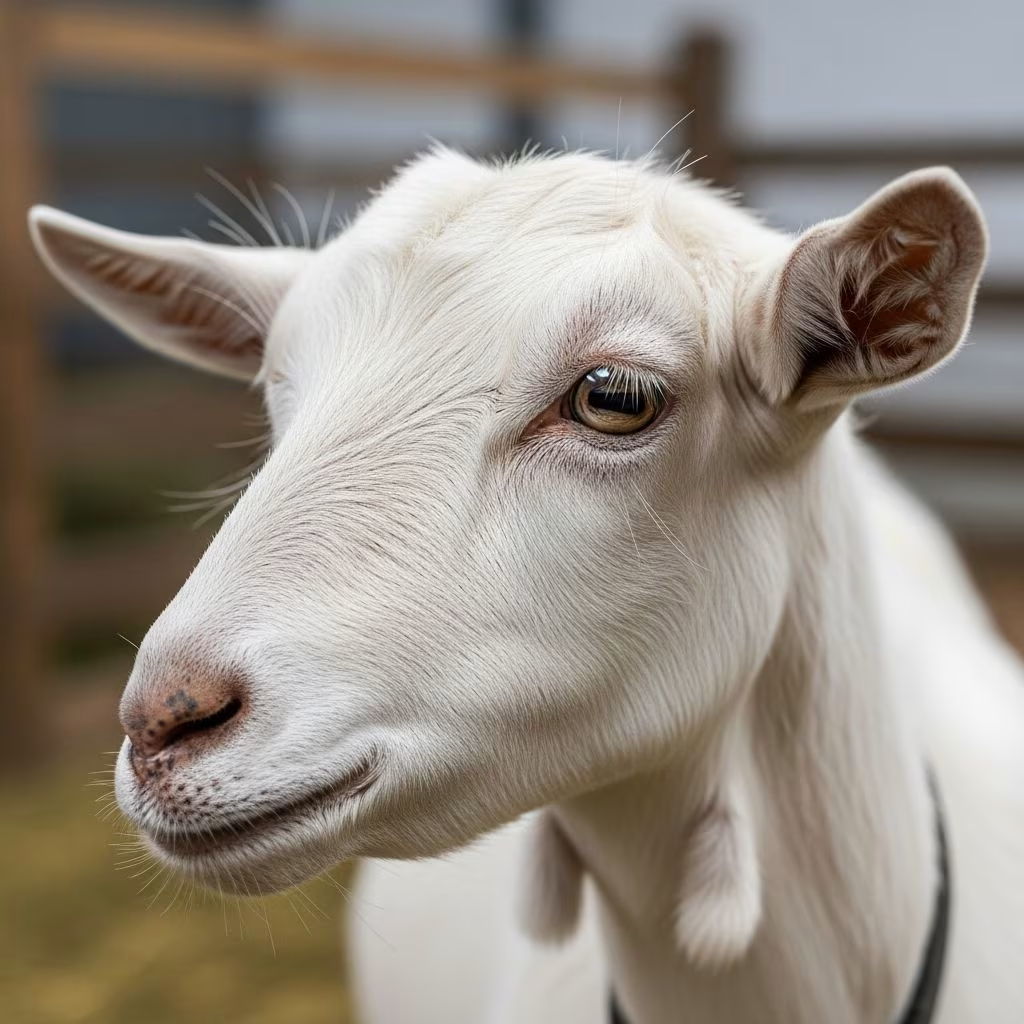
Caprine arthritis encephalitis (CAE) represents a significant health challenge for goat producers worldwide, stemming from a persistent infection by the caprine arthritis encephalitis virus (CAEV), a member of the small ruminant lentiviruses (SRLVs).
The Nature of the CAE Virus
CAEV belongs to the retrovirus family, specifically the lentivirus genus, closely related to the maedi-visna virus affecting sheep. This slow-acting virus integrates into the host’s DNA, leading to lifelong infection without effective clearance by the immune system. Most infected goats remain asymptomatic for years, silently spreading the virus within the herd before clinical disease emerges, often after the first kidding in adults around 2-3 years old.
The virus targets macrophages and other mononuclear cells, triggering chronic inflammation in various tissues, including joints, lungs, mammary glands, and the central nervous system. This results in progressive degenerative changes rather than acute illness.
Common Clinical Manifestations
CAE presents in diverse forms depending on the goat’s age and infection site, with arthritis being the predominant issue in adults and neurological deficits more common in kids.
- Polysynovitis-Arthritis: The hallmark in mature goats, featuring swollen joints (especially carpi or “knees”), lameness, stiffness, and muscle wasting. Progression leads to chronic pain, poor body condition, and rough coats.
- Leukoencephalomyelitis: Primarily affects kids aged 2-6 months, causing hindlimb weakness, ataxia, proprioceptive loss, hypertonia, and eventual paralysis. Advanced cases show head tilt, circling, or recumbency.
- Indurative Mastitis (Hard Udder): Dairy does develop firm, fibrotic udders with reduced milk yield, elevated somatic cell counts, and higher mastitis risk.
- Interstitial Pneumonia: Less frequent, manifesting as chronic respiratory distress, firm lungs with white foci, and enlarged bronchial lymph nodes on necropsy.
- Chronic Wasting: Generalized emaciation without other obvious signs, linked to subclinical disease.
These syndromes often overlap, and many infections stay subclinical, yet they collectively diminish productivity, milk quality, and export potential.
Transmission Pathways
Primary spread occurs vertically from dam to offspring via colostrum and milk, with kids ingesting virus-laden secretions in the first 24-48 hours post-birth. Even brief nursing suffices for infection. Horizontal transmission via blood (e.g., shared needles, wounds, dehorning) or prolonged close contact is secondary but possible, especially in lactating adults.
Unlike respiratory lentiviruses, CAEV rarely spreads through aerosols; instead, contaminated environments, equipment, or saliva play minor roles. Infected goats shed virus intermittently in bodily fluids, complicating detection.
Diagnostic Approaches
Diagnosis combines clinical evaluation, serology, histopathology, and PCR. Serologic tests (ELISA, AGID) detect antibodies in blood or milk, confirming herd exposure but not distinguishing active from past infection. Positive results indicate prevalence, guiding control.
Presumptive field diagnosis relies on signs: bilateral carpal swelling rules out trauma; progressive paresis in kids suggests CAEV over nutritional deficits. Post-mortem, synovial hyperplasia, mononuclear infiltrates, and lung lesions confirm pathology.
| Diagnostic Method | Description | Pros | Cons |
|---|---|---|---|
| Serology (ELISA/AGID) | Antibody detection in serum/milk | High sensitivity, herd screening | Doesn’t confirm shedding/clinical disease |
| PCR | Viral RNA/DNA in tissues/fluids | Direct virus detection | Costly, requires lab |
| Histopathology | Tissue exam (joints, brain, lungs) | Definitive for lesions | Post-mortem only |
| Clinical Signs | Observation/neurologic exam | Immediate, non-invasive | Needs differentials exclusion |
Differentials include mycoplasma arthritis, trauma, caseous lymphadenitis, listeriosis, or polioencephalomalacia.
Management and Treatment Options
No antiviral cure or vaccine exists; management focuses on palliation and supportive care. Anti-inflammatories (e.g., NSAIDs) alleviate arthritis pain; antibiotics combat secondary infections. Severely affected goats (paraplegic kids, non-ambulatory adults) warrant humane euthanasia to prevent suffering.
Dairy goats with mastitis require milking hygiene and culling if production drops. Nutritional support aids wasting cases, but prognosis remains guarded.
Prevention and Control Strategies
Eradication demands rigorous biosecurity. Key tactics include:
- Kid Management: Remove kids from does at birth; feed heat-treated colostrum (56°C for 30-60 min) or pasteurized milk from CAE-negative sources.
- Testing and Segregation: Annual serology; isolate positives 6+ feet away, disinfect gear with phenolics/quats. Cull reactors or breed only negatives.
- Herd Replacement: Source CAE-free stock, quarantine newcomers with testing.
- Hygiene: Disinfect kidding pens, avoid blood contamination during procedures.
Test-and-cull programs reduce prevalence over years; complete eradication possible in small herds but challenging in large ones due to subclinical carriers.
Economic and Welfare Implications
CAE slashes dairy output (lower fat/protein/lactose), raises mastitis incidence, and shortens productive life, costing producers via culls and lost sales. Export barriers persist in CAE-endemic regions like North America.
Welfare concerns arise from chronic pain, mobility loss, dyspnea, and distress, emphasizing prevention’s ethical imperative.
Global Prevalence and Reporting
Widespread in developed nations, CAEV infects 35%+ of some herds. Australia reports it; OIE mandates surveillance for trade. Prevalence underestimation stems from silent spread.
Frequently Asked Questions (FAQs)
What causes CAE in goats?
CAEV, a lentivirus transmitted mainly via colostrum.
Is CAE fatal?
Not always; arthritis form is chronic, but encephalomyelitis often proves fatal without support.
Can CAE spread to sheep?
Rarely; related SRLVs like maedi-visna primarily affect sheep.
How do I test my herd?
Use ELISA on blood/milk annually; consult vets for protocols.
Is there a vaccine?
No approved vaccine; focus on management.
Research Directions
Ongoing studies explore antivirals, vaccines, and genetic resistance. Improved diagnostics aid surveillance.
References
- Caprine Arthritis and Encephalitis — Merck Veterinary Manual. 2023. https://www.merckvetmanual.com/generalized-conditions/caprine-arthritis-and-encephalitis/caprine-arthritis-and-encephalitis
- Caprine Arthritis Encephalitis (CAE) — Australian Veterinary Association. 2023. https://www.ava.com.au/policy-advocacy/policies/sheep-and-goat-health-and-welfare/caprine-arthritis-encephalitis/
- Caprine arthritis/encephalitis — World Organisation for Animal Health (WOAH). 2024. https://www.woah.org/en/disease/caprine-arthritis-encephalitis/
- Caprine Arthritis Encephalitis (CAE) — DAERA Northern Ireland. 2023. https://www.daera-ni.gov.uk/articles/caprine-arthritis-encephalitis-cae
- Caprine arthritic encephalitis virus in goats — Michigan State University Extension. 2023. https://www.canr.msu.edu/news/caprine-arthritic-encephalitis-virus-in-goats



