
Capnocytophaga Risks from Pets
Understand the hidden dangers of Capnocytophaga bacteria in dog and cat saliva and how to protect yourself from serious infections.
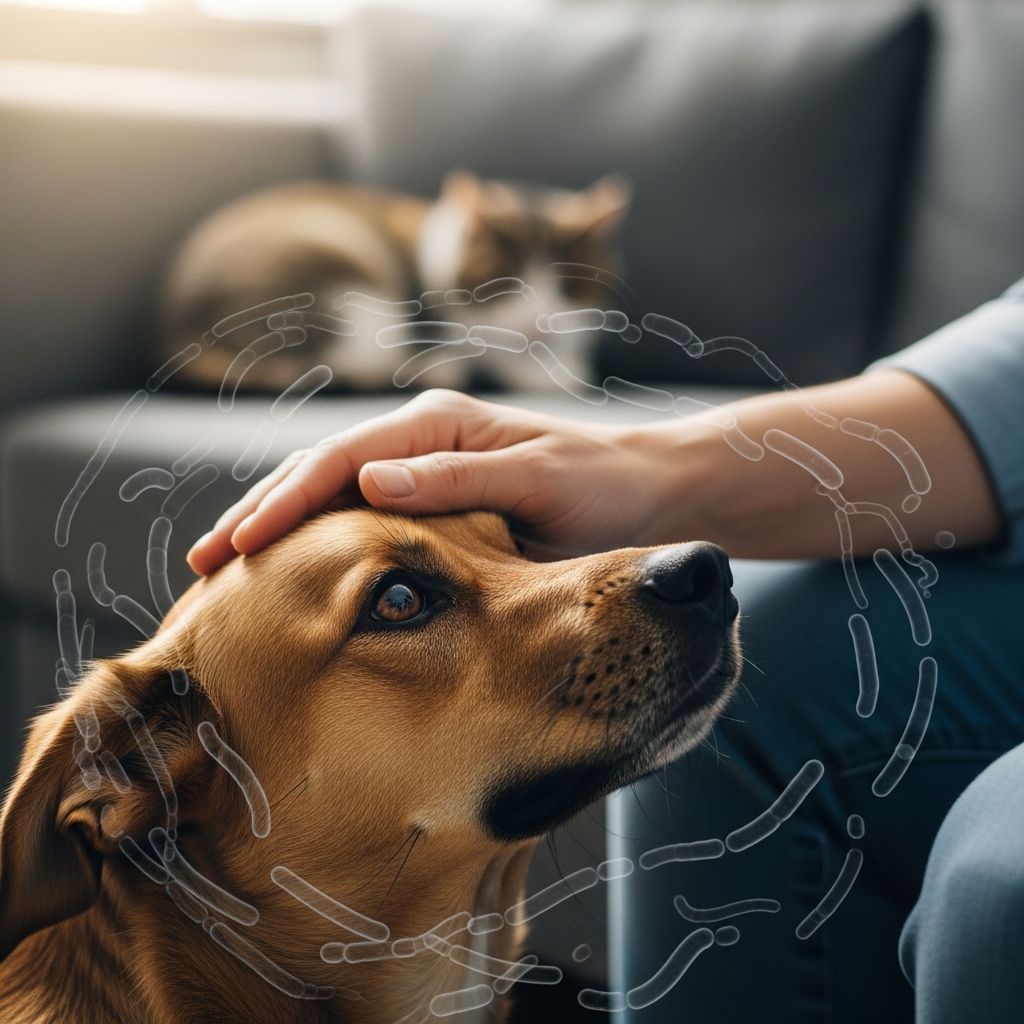
Capnocytophaga bacteria, residing in the oral flora of dogs and cats, pose a rare yet potentially life-threatening risk to humans through bites, scratches, or saliva contact with open wounds. These gram-negative bacilli can trigger severe sepsis, particularly in those with weakened immunity or without a spleen.
The Nature of Capnocytophaga Bacteria
Capnocytophaga species, such as C. canimorsus, C. canis, and C. cynodegmi, form part of the normal mouth microbiome in canines and felines. While harmless to pets, they can overwhelm human defenses under certain conditions, leading to rapid disease progression. First identified in medical literature in the 1970s, these fastidious organisms require specific lab conditions for detection, often delaying diagnosis.
Transmission occurs primarily via dog bites or scratches, but licks on cuts or mucous membranes suffice for entry. Cats transmit less frequently, though cases exist. In healthy individuals, infections may remain mild, but complications like multiorgan failure can emerge swiftly.
Who Faces the Greatest Danger?
Certain groups bear heightened vulnerability. Individuals without a spleen (asplenic patients) lack defenses against such bacteria, facing fulminant sepsis risks. Immunocompromised people, including those with liver disease, alcoholism, or on immunosuppressive drugs, also fare poorly.
- Asplenic patients: Prone to overwhelming post-bite infections, with rapid gangrene development.
- Immunosuppressed: Higher sepsis incidence from saliva exposure.
- Alcoholics and liver patients: Impaired immunity exacerbates severity.
- Healthy adults: Rare severe cases, as in a 63-year-old with dog-licked wound leading to shock.
Children and elderly warrant caution due to hygiene practices and frailty, respectively.
Recognizing Infection Signs
Symptoms manifest 3-5 days post-exposure, escalating from local wound issues to systemic crisis. Early vigilance saves lives.
| Stage | Symptoms |
|---|---|
| Local (Early) | Redness, swelling, pus, blisters at wound site |
| Systemic (Days 3-5) | Fever, headache, confusion, vomiting, diarrhea, muscle pain |
| Severe (Advanced) | Septic shock, renal/liver failure, coagulopathy, gangrene |
Monitor for dehydration, tachycardia, hypotension, and extremity discoloration signaling poor prognosis.
Case Studies: Real-World Impacts
A 63-year-old man, otherwise healthy, suffered dog saliva on a leg wound, progressing to septic shock, acute kidney/liver failure, and low platelets. Blood cultures confirmed C. canimorsus; broad antibiotics reversed the course.
In contrast, a 62-year-old asplenic dog owner presented with fever post-bite/scratch. He developed digital gangrene despite interventions, underscoring spleen absence risks. These illustrate even minor exposures’ potency.
Diagnosis Challenges and Approaches
Capnocytophaga’s slow growth complicates identification; mass spectrometry or specialized cultures aid confirmation. Clinicians suspect it in pet exposure histories with sepsis, especially in at-risk patients.
Blood tests reveal thrombocytopenia, elevated liver enzymes, and lactate. Wound swabs or biopsies support etiology. Prompt empirical therapy bridges diagnostic gaps.
Treatment Protocols
Antibiotics target Capnocytophaga effectively if started early. Beta-lactams like ampicillin or carbapenems (e.g., meropenem) form first-line; doxycycline covers alternatives.
- Empirical regimen: Broad-spectrum IV (vancomycin, meropenem) pending cultures.
- Duration: 7-14 days, adjusting per response.
- Supportive care: Fluids, vasopressors for shock; dialysis if renal failure.
Mortality reaches 30% in severe cases, dropping with swift intervention. Surgical debridement addresses gangrene.
Prevention Strategies for Pet Lovers
Avoid bites by training pets and supervising interactions. Clean wounds immediately with soap/water, seek medical care for deep punctures.
High-risk precautions:
- Splenectomized: Prophylactic antibiotics post-bite.
- All: Tetanus boosters, avoid licks on breaks.
- Hygiene: Wash hands post-pet contact, especially kids.
Vaccinate pets against rabies; regular dental care may reduce bacterial load, though unproven.
Pet Owner Responsibilities
Dogs/cats harbor Capnocytophaga asymptomatically; no eradication exists. Owners educate families on risks, monitor wounds, and report unusual pet behavior. Consult vets for oral health to minimize transmission potential indirectly.
FAQs on Capnocytophaga
Q: Can healthy people get seriously ill?
A: Yes, though rare; a case showed septic shock from a licked wound.
Q: How soon after a bite do symptoms appear?
A: Typically 3-5 days, up to 14.
Q: Is it only from bites?
A: No, saliva on wounds or eyes suffices.
Q: What if I’m asplenic and bitten?
A: Seek immediate care; higher fatal risk.
Q: Can antibiotics prevent infection?
A: Prophylaxis advised for high-risk post-exposure.
Myths vs. Facts
| Myth | Fact |
|---|---|
| Only aggressive dogs transmit it | Normal pet saliva carries it |
| Cats are safer | Dog contacts riskier, but cats implicated |
| Minor licks are harmless | Can infect open wounds |
Long-Term Outlook and Research
Survivors recover fully with treatment, though amputations occur in gangrene cases. Ongoing studies refine diagnostics and vaccines; awareness campaigns target at-risk groups. Pet-human bonds remain safe with precautions.
References
- Capnocytophaga canimorsus from Dog Saliva Exposure Causing … — Am J Case Rep. 2025-01-01. https://amjcaserep.com/abstract/full/idArt/946691
- Overwhelming Capnocytophaga canimorsus infection in a patient … — PMC. 2014-04-23. https://pmc.ncbi.nlm.nih.gov/articles/PMC4009846/
- Capnocytophaga: What You Should Know About the Dog Bacteria — AKC. N/A. https://www.akc.org/expert-advice/health/capnocytophaga-dog-bacteria/
- Clinical Overview of Capnocytophaga – CDC — CDC. N/A. https://www.cdc.gov/capnocytophaga/hcp/clinical-overview/index.html
- GUIDELINE for Capnocytophaga canimorsus infection — ABCD Cats Vets. N/A. https://www.abcdcatsvets.org/guideline-for-capnocytophaga-canimorsus-infection/?pdf=5084
- About Capnocytophaga – CDC — CDC. N/A. https://www.cdc.gov/capnocytophaga/about/index.html
- Capnocytophaga spp. | Johns Hopkins ABX Guide — Johns Hopkins. N/A. https://www.hopkinsguides.com/hopkins/view/Johns_Hopkins_ABX_Guide/540078/all/Capnocytophaga_spp_
Similar Articles








Read full bio of medha deb


