

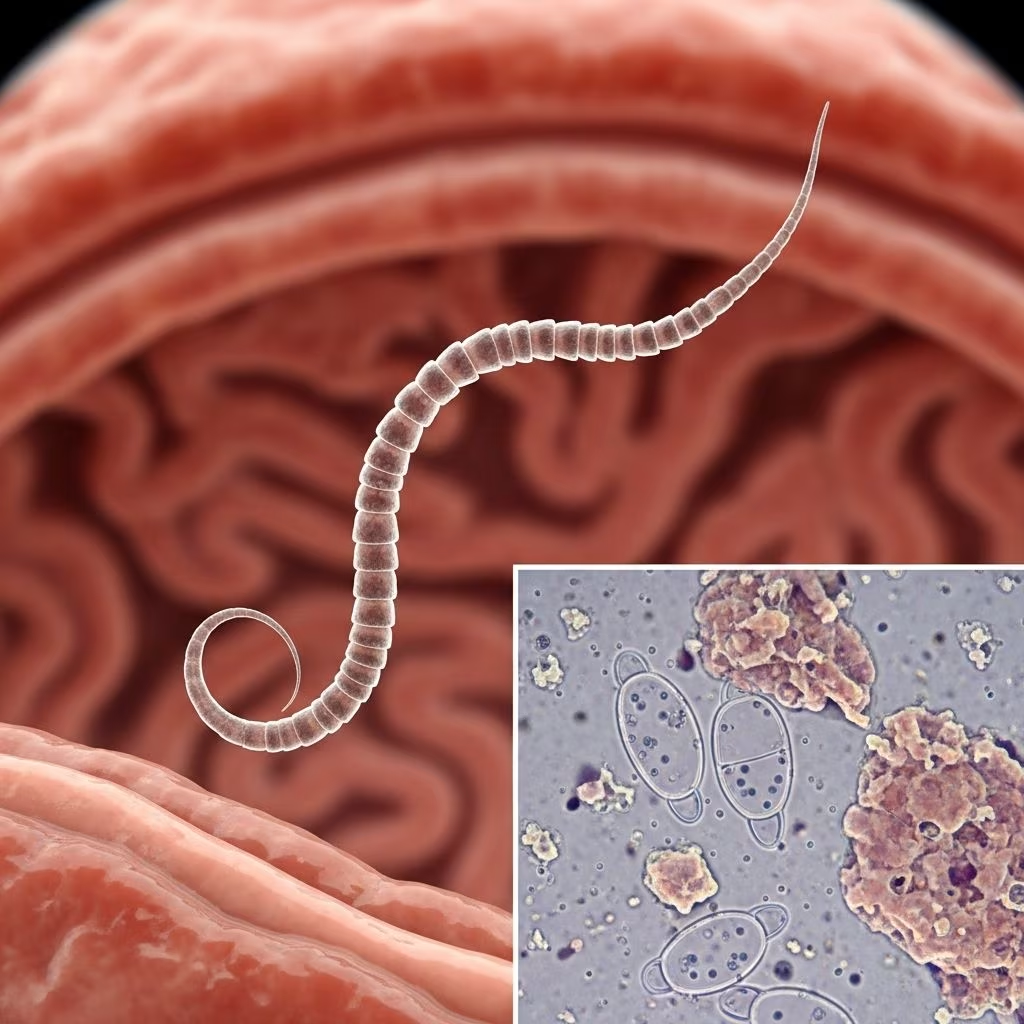
Understanding Capillaria in Dogs
Capillaria is a parasitic nematode that affects dogs and can infect various parts of the body, most commonly the urinary tract. These thread-like worms are found worldwide and represent a significant concern for dog owners, particularly those with pets that spend time outdoors or in environments where contamination is likely. Understanding the nature of this infection, its symptoms, and available treatment options is crucial for maintaining your dog’s health and preventing complications.
The parasites that cause capillariasis in dogs belong to the genus Capillaria, with Capillaria plica being the most common species affecting the urinary bladder and urinary tract. Other species such as Eucoleus boehmi and Eucoleus aerophila can affect respiratory systems and other body parts. The infection spreads through contaminated environments, with eggs passing through urine and feces, creating a cycle of transmission among canine populations.
Types of Capillaria Species Affecting Dogs
Several capillaria species target different body systems in dogs, each requiring specific diagnostic and treatment approaches:
Capillaria plica (Urinary Capillariasis)
This is the most frequently encountered species in dogs, infecting the urinary bladder and urinary tract. Capillaria plica is distributed worldwide and represents the primary concern for veterinarians and pet owners dealing with capillariasis cases. The parasites establish themselves in the bladder wall, causing inflammation and urinary dysfunction.
Eucoleus boehmi (Respiratory Capillariasis)
This species primarily affects the respiratory tract and nasal passages. While less common than urinary capillariasis, it can cause significant respiratory symptoms and requires targeted treatment approaches.
Eucoleus aerophila (Pulmonary Capillariasis)
This species affects the lungs and lower respiratory tract, causing coughing, wheezing, and other pulmonary symptoms. Dogs with heavy infections from this species may exhibit respiratory distress.
Symptoms of Capillaria Infection in Dogs
Many dogs infected with capillaria parasites remain asymptomatic, with infections often discovered incidentally during routine examinations or diagnostic procedures. However, dogs with heavy parasite burdens or prolonged infections typically develop noticeable symptoms that warrant veterinary attention.
Urinary Symptoms (Most Common)
Dogs with urinary capillariasis frequently experience:
– Frequent urination (pollakiuria)- Painful or difficult urination (dysuria)- Blood in the urine (hematuria)- Straining to urinate- Urinary incontinence
Gastrointestinal Symptoms
When capillaria affects the gastrointestinal tract, dogs may display:
– Diarrhea or diarrhea-like stools- Weight loss- Poor appetite- Vomiting or dry heaving
Respiratory Symptoms
For respiratory capillariasis, symptoms include:
– Nasal discharge and sneezing- Wheezing and coughing- Pulmonary sneezing
Systemic Symptoms
General signs of infection may include:
– Lethargy and weakness- Dehydration- Abdominal pain- Restlessness and discomfort
Diagnosis of Capillaria in Dogs
Accurate diagnosis is essential for effective treatment and involves multiple diagnostic approaches. Veterinarians typically combine laboratory examination, imaging studies, and clinical observation to confirm capillaria infection.
Urinalysis and Fecal Examination
The primary diagnostic method involves identifying parasitic ova in urine or fecal samples. The eggs are characteristic in appearance, football-shaped with plugs at both ends, making them relatively distinctive under microscopic examination. A cloudy or alkaline urine may be noted, with presence of blood, leukocytes, and protein indicating infection.
Ultrasound Imaging
Abdominal ultrasonography can reveal thickened hyperechogenicity of the bladder wall, confirming inflammation caused by parasitic infection. This imaging technique helps differentiate capillariasis from other urinary conditions and assess the severity of inflammation.
Additional Laboratory Tests
Complete blood work and peripheral blood smears may be performed to assess overall health status and rule out secondary bacterial infections. Urine tests typically reveal elevated levels of proteins, leukocytes, and nitrites, indicating significant inflammation and possible secondary bacterial cystitis.
How Capillaria is Transmitted
Understanding transmission patterns is crucial for prevention. Capillaria eggs are passed through urine and feces of infected dogs, contaminating the environment and becoming sources of infection for other canines. Dogs acquire infections by ingesting contaminated water, soil, or food. This is particularly problematic in kennels housed on soil, where environmental contamination reaches higher levels.
The parasites have a direct life cycle without requiring intermediate hosts, meaning infection can spread rapidly in environments with poor sanitation or among dogs with outdoor access to contaminated areas.
Treatment Options for Capillaria
Once capillaria infection is accurately diagnosed, treatment is relatively straightforward and highly effective. Veterinarians have several deworming medications available, with excellent prognosis when appropriate treatment is initiated promptly.
Antiparasitic Medications
Multiple dewormers have proven effective against capillaria species:
| Medication | Dosage | Duration | Effectiveness |
|---|---|---|---|
| Fenbendazole (Panacur®, Safeguard®) | 50 mg/kg body weight/day | 10 days | Highly effective, widely available |
| Ivermectin (Ivomec®, Heartgard®) | 0.2 mg/kg body weight | Two subcutaneous doses at weekly intervals or one-time treatment | Very effective for multiple capillaria species |
| Milbemycin (Interceptor®) | 2.0 mg/kg orally | As directed by veterinarian | Effective with sustained results |
| Moxidectin topical (Advantage Multi®, Imoxi™) | Applied topically | As directed | Effective for E. boehmi and E. aerophila |
Supportive Care
Beyond antiparasitic medication, veterinarians often prescribe supportive treatments to manage symptoms and accelerate recovery:
– Intravenous or subcutaneous fluids for dehydration management- Anti-inflammatory medications to reduce bladder inflammation- Pain management medications to alleviate discomfort- Antibiotics if secondary bacterial infection is present- Anti-nausea medications for dogs experiencing vomiting
Treatment Success and Recovery Timeline
Complete clinical recovery is typically noticed within two to three weeks of initiating treatment. Repeated urine or fecal examinations should be performed to confirm the absence of parasitic ova and verify successful elimination of the infection. Most dogs respond excellently to treatment, with resolution of symptoms and restoration of normal urinary function.
When Treatment May Not Be Necessary
Interestingly, treatment may not be recommended if the dog is not showing clinical signs of illness. Many dogs remain asymptomatic despite carrying the parasites, and some owners and veterinarians may choose observation rather than immediate treatment in these cases. However, this decision should be made in consultation with your veterinarian, considering the dog’s overall health status and environment.
Prevention and Environmental Management
Preventing capillaria infection requires attention to environmental sanitation and reducing exposure to contaminated areas. For dogs in kennels housed on soil, replacing the soil with alternative substrates significantly reduces infection rates. Suitable alternatives include:
– Sand- Gravel- Concrete surfaces
Regular cleaning and disinfection of water bowls, food dishes, and living areas helps prevent environmental contamination. Limiting your dog’s exposure to areas where infected dogs have defecated or urinated is also important for prevention.
Post-Treatment Care and Monitoring
After treatment initiation, proper aftercare ensures optimal recovery and prevents reinfection:
– Ensure water and food remain clean and fresh- Keep your dog away from potentially contaminated environments- Monitor daily for any lingering or recurring symptoms- Maintain good sanitation in living areas- Follow up with veterinary examinations as recommended
Prognosis for Dogs with Capillaria
The overall prognosis for dogs diagnosed with capillaria is excellent with appropriate treatment. Most infections resolve completely within weeks, with full restoration of normal urinary function and elimination of symptoms. Early diagnosis and prompt treatment initiation significantly improve outcomes and reduce the risk of complications such as severe cystitis or chronic inflammation.
When to Seek Veterinary Care
Contact your veterinarian if your dog displays any of the following signs:
– Frequent or painful urination- Blood in urine or stool- Loss of appetite or weight loss- Lethargy or unusual behavior- Vomiting or dry heaving- Difficulty urinating or urinary incontinence- Respiratory symptoms like coughing or wheezing
Frequently Asked Questions
Q: Is capillaria contagious to other dogs?
A: Yes, capillaria can spread to other dogs through contaminated urine and feces. Infected dogs should be separated from uninfected dogs, and environmental sanitation is essential to prevent transmission.
Q: Can humans get capillaria from dogs?
A: While certain capillaria species can infect humans, the species that commonly affect dogs (particularly Capillaria plica) are not typically transmissible to people. However, good hygiene practices are always recommended when handling infected animals.
Q: How long does treatment take?
A: Most antiparasitic treatments range from one-time doses to courses lasting 10 days, with clinical recovery typically occurring within 2-3 weeks. Follow-up examinations confirm successful elimination of the parasites.
Q: What happens if capillaria is left untreated?
A: Untreated capillaria can lead to chronic inflammation, secondary bacterial infections, severe cystitis, and ongoing urinary dysfunction. Prompt treatment prevents these complications and ensures better long-term outcomes.
Q: Are there natural remedies for capillaria?
A: While supportive care like proper nutrition and hydration aids recovery, antiparasitic medications prescribed by veterinarians are the most effective treatment. Always consult your veterinarian before attempting alternative treatments.
Q: Can my dog get capillaria again after treatment?
A: Yes, reinfection is possible if your dog is exposed to contaminated environments. Maintaining good sanitation and limiting exposure to contaminated areas helps prevent reinfection after successful treatment.
References
- Capillariasis in Dogs: What Owners Should Know — Impact Dog Crates. 2024. https://www.impactdogcrates.com/blogs/puppy-news/capillariasis-in-dogs-what-owners-should-know
- Cystitis due to capillaria infection in a dog and its treatment — National Institutes of Health, PMC. 2017. https://pmc.ncbi.nlm.nih.gov/articles/PMC5555903/
- Capillariasis in Dogs — VOSD. 2024. https://www.vosd.in/capillariasis-in-dogs/
- Capillaria in Dogs — VCA Animal Hospitals. 2024. https://vcahospitals.com/know-your-pet/capillaria-in-dogs
- Capillariasis in Dogs: Worms Symptoms & Treatment — PetMD. 2024. https://www.petmd.com/dog/conditions/infectious-parasitic/c_dg_capillariasis
- Eucoleus boehmi Treatment Guidelines — Companion Animal Parasite Council. 2024. https://capcvet.org/guidelines/eucoleus-boehmi/



