

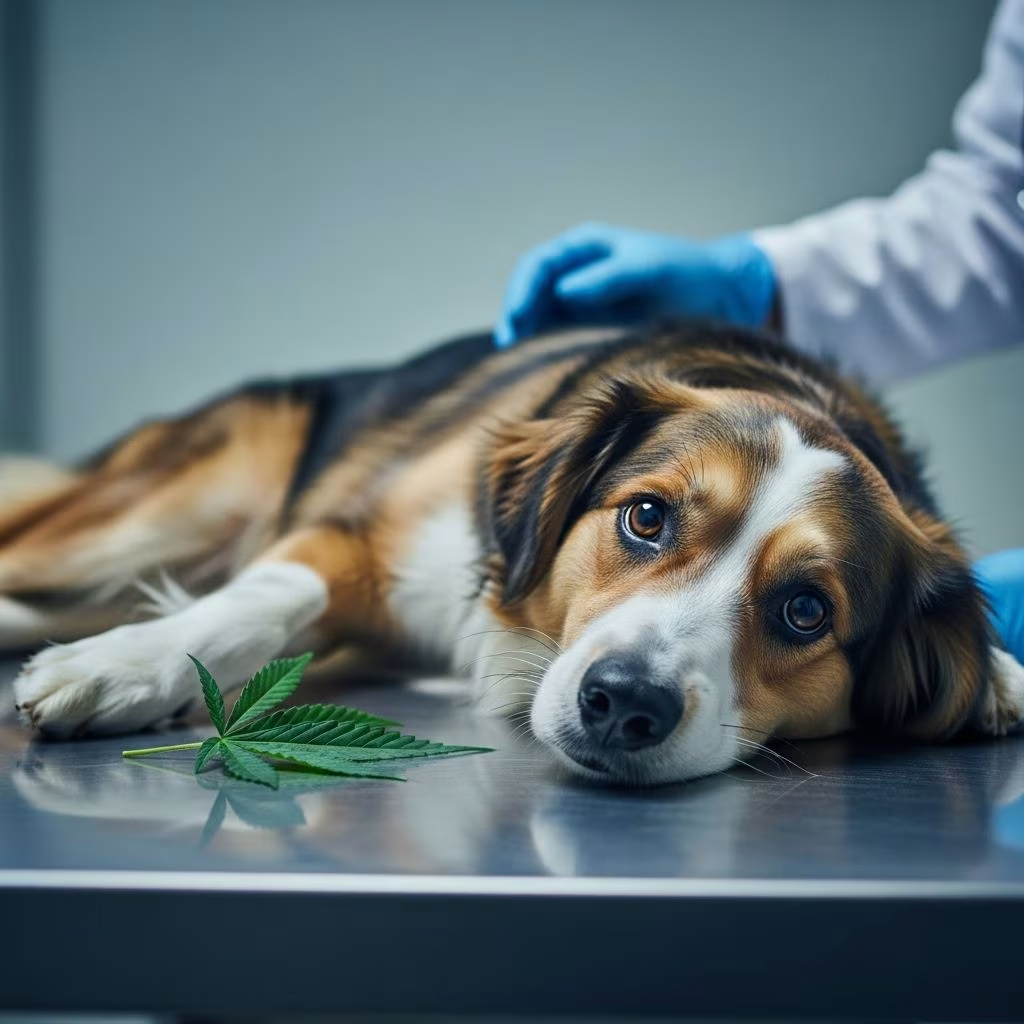
As cannabis legalization expands across many regions, pet owners face an increasing risk of accidental exposure for their animals. Dogs and cats, with their higher density of cannabinoid receptors in the brain compared to humans, react more intensely to tetrahydrocannabinol (THC), the primary psychoactive compound in marijuana. Even small amounts can trigger severe symptoms, making awareness crucial for timely intervention.
Why Pets Are Vulnerable to Cannabis Effects
Pets process THC differently due to biological differences. Canines possess more CB1 receptors in their endocannabinoid system, amplifying neurological impacts. Felines show similar sensitivity, though data is sparser. Exposure routes include ingestion of edibles, raw plant material, or concentrates; inhalation via secondhand smoke; or rarer cases like contacting laced human waste during outdoor activities. Toxicity thresholds vary by pet size, product potency, and individual factors, but symptoms often emerge within 30-90 minutes post-exposure, persisting hours to days.
Recognizing the Signs of Intoxication
Early detection hinges on observing behavioral and physical changes. Symptoms span mild disorientation to life-threatening crises, categorized below for clarity.
Neurological and Behavioral Indicators
- Ataxia (uncoordinated movement): Pets stumble, cross limbs, or walk drunkenly—reported in up to 88% of cases.
- Lethargy or sedation: Animals appear dull, overly sleepy, or comatose in extremes.
- Agitation or hyperactivity: Opposite to lethargy, some pets vocalize excessively, pant anxiously, or react hypersensitively to stimuli.
- Disorientation: Glassy eyes, dazed expressions, or confusion.
Physical Manifestations
- Dilated pupils (mydriasis): Giving a wide-eyed, startled look; pets flinch at rapid approaches.
- Urinary incontinence: Dribbling or uncontrolled leakage, unique and prevalent in about 50% of affected dogs.
- Vomiting and hypersalivation: Drooling accompanies nausea.
- Temperature dysregulation: Hypothermia or hyperthermia.
Severe or Systemic Symptoms
- Cardiovascular changes: Bradycardia (slow heart rate) or tachycardia (fast heart rate), altered blood pressure.
- Respiratory effects: Slowed breathing or tachypnea.
- Tremors, seizures, or coma: High-dose indicators requiring immediate care.
Ingesting edibles complicates matters, as chocolate, xylitol, or fats may induce concurrent toxicities.
Common Exposure Scenarios
Ingestion tops the list, from nibbling discarded joints to devouring THC-infused gummies or baked goods. Inhalation occurs near smoked products, yielding milder but rapid-onset effects. Topical products or concentrates pose risks if licked. Small pets suffer most from minimal doses, underscoring household vigilance.
Immediate Response Protocols
Act swiftly upon suspicion: Do not wait for symptoms. Contact a veterinarian or poison hotline immediately, providing details on exposure type, amount, timing, and pet details.
| Time Since Exposure | Recommended Actions |
|---|---|
| <30 minutes (ingestion) | Induce vomiting under vet guidance; avoid if symptomatic to prevent aspiration. |
| Early symptoms present | Rush to clinic for monitoring, IV fluids, activated charcoal. |
| Severe symptoms | Hospitalization for anti-emetics, sedatives, temperature support. |
Supportive care addresses symptoms: IV hydration counters dehydration; muscle relaxants or anti-anxiety drugs calm agitation; anti-nausea meds control vomiting. Confinement in a quiet, padded area prevents injury. Most recover fully without lasting effects.
Differential Diagnosis: Ruling Out Mimics
Marijuana toxicity shares signs with other conditions, demanding veterinary discernment.
| Condition | Overlapping Signs | Distinguishing Features |
|---|---|---|
| Antifreeze poisoning | Ataxia, lethargy, seizures | Increased thirst, kidney failure, sweet breath. |
| Alcohol toxicity | Lethargy, ataxia, bradycardia | Respiratory depression, acidosis. |
| Ivermectin overdose | Ataxia, dilated pupils, seizures | Common in herding breeds; blindness. |
| Chocolate toxicity | Vomiting, tremors, seizures | Tachycardia, hyperactivity. |
| Xylitol poisoning | Lethargy, seizures | Hypoglycemia, liver damage. |
| Vestibular disease | Ataxia, head tilt | No lethargy or mydriasis; nystagmus. |
Prevention Strategies for Pet-Safe Homes
Proactive measures minimize risks:
- Secure storage: Lock edibles, plants, and paraphernalia in pet-inaccessible spots.
- No smoking indoors: Ventilate or step outside to avoid secondhand exposure.
- Label clearly: Mark THC products to prevent mix-ups.
- Educate household: Inform all members, including visitors, about pet sensitivities.
- Supervise outdoors: Watch for discarded items during walks or hikes.
Opt for pet-safe CBD products if exploring cannabinoids, verifying third-party testing for THC absence.
Long-Term Outlook and Recovery
With prompt care, prognosis excels; full recovery typically occurs within 24-72 hours. Monitor for delayed issues like persistent incontinence or behavioral shifts. Legalization trends heighten incidences, per veterinary reports, emphasizing owner education.
Frequently Asked Questions
What should I do if my dog ate edibles?
Call your vet or a pet poison center immediately. Provide product details; do not induce vomiting without guidance.
Can cats get high from secondhand smoke?
Yes, though milder than ingestion. Symptoms like dilated pupils and lethargy can appear quickly.
How much THC is dangerous for pets?
No safe amount exists; even trace quantities affect small pets severely.
Will my pet remember the incident?
Unlikely, due to disorientation, but behavioral caution may linger briefly.
Is CBD safe for pets?
Pure CBD lacks psychoactivity and shows low toxicity, but vet consultation is advised.
This guide equips owners to safeguard pets amid evolving cannabis landscapes. Consult professionals for tailored advice.
References
- Marijuana Poisoning in Dogs — American Kennel Club. 2023-10-15. https://www.akc.org/expert-advice/health/marijuana-poisoning-in-dogs/
- Cannabis (Marijuana) Intoxication in Cats and Dogs — VCA Animal Hospitals. 2024-05-20. https://vcahospitals.com/know-your-pet/marijuana-intoxication-in-dogs-and-cats
- Marijuana Toxicity in Pets — Animal Specialty & Emergency Center of Brevard. 2023-08-12. https://www.animalspecialtyemergencycenter.com/pet-parents/medical-briefs-and-information/marijuana-toxicity-in-pets
- Marijuana poisoning — PubMed (Peer-reviewed). 2013-09-01. https://pubmed.ncbi.nlm.nih.gov/23796481/
- Cannabis (THC) intoxication in dogs — Cornell University College of Veterinary Medicine. 2024-02-10. https://www.vet.cornell.edu/departments-centers-and-institutes/riney-canine-health-center/canine-health-information/Cannabis-THC-intoxication-in-dogs
- Treatment and Diagnosis of Marijuana Toxicity in Pets — Peak Veterinary. 2023-11-05. https://www.peakveterinary.com/blog/treatment-and-diagnosis-of-marijuana-toxicity-in-pets
- What You Need to Know About Marijuana Intoxication in Dogs — MedVet. 2024-01-18. https://www.medvet.com/marijuana-intoxication-in-dogs/



