

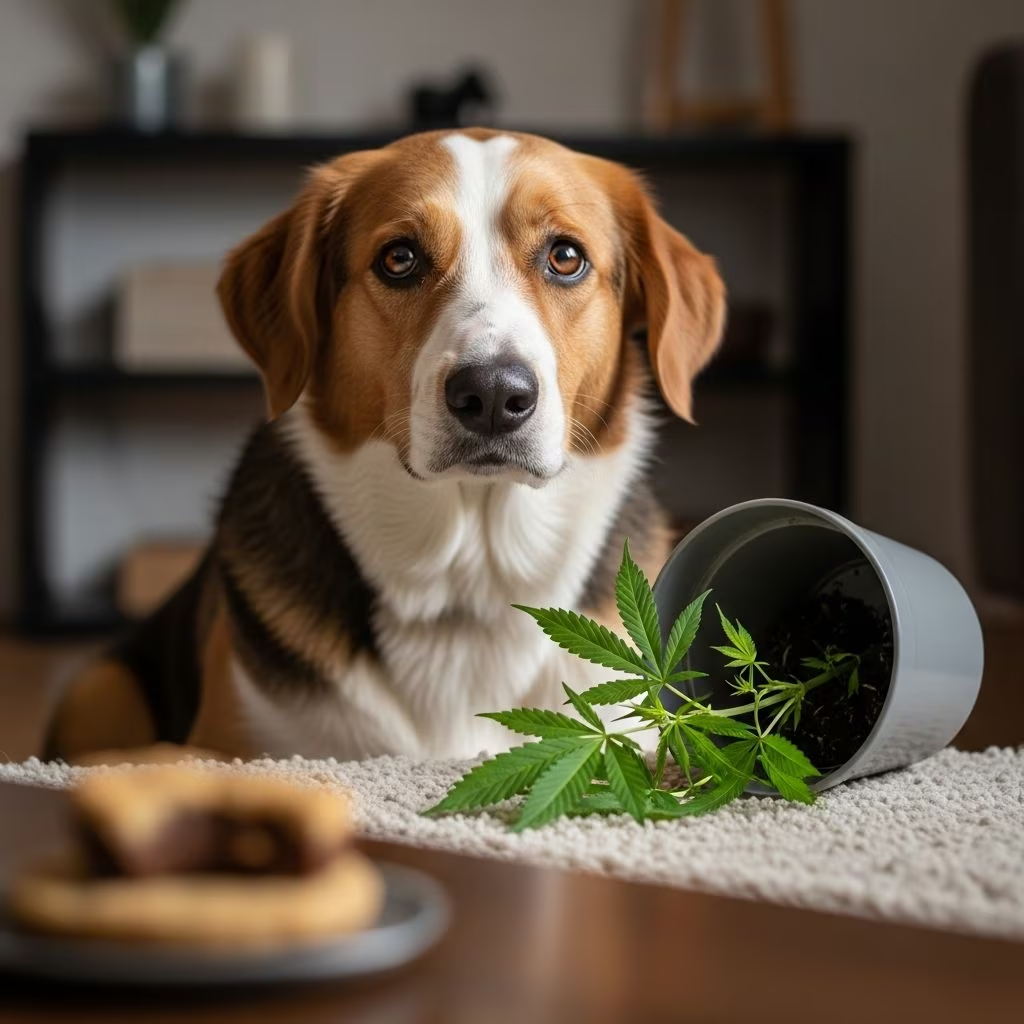
Dogs face significant risks from cannabis exposure due to their heightened sensitivity to THC, the primary psychoactive compound in marijuana. Even small amounts can trigger severe neurological effects, requiring prompt veterinary intervention for recovery.
Why Dogs Are Vulnerable to THC
Canines possess a higher density of cannabinoid receptors in their brains compared to humans, amplifying THC’s impact. This makes dogs far more prone to intoxication from ingesting edibles, plant material, or inhaling secondhand smoke. Products like gummies, oils, or concentrates pose particular dangers due to concentrated THC levels.
Exposure routes include direct consumption of discarded joints, butter-infused treats, or brownies left within reach. Inhalation from smoke in poorly ventilated areas also contributes, though ingestion remains most common. With legalization trends, household access has increased, heightening accidental incidents.
Recognizing the Signs of Intoxication
Symptoms typically emerge 30 minutes to 3 hours post-exposure and can last up to 72 hours. Early detection is crucial to prevent complications like injury from falls or aspiration during vomiting.
- Coordination loss: Stumbling, wobbling (ataxia), or inability to stand, resembling drunkenness.
- Altered mental state: Extreme lethargy, dazed stares, disorientation, or glassy eyes with dilated pupils.
- Urinary issues: Incontinence or dribbling urine, often without awareness.
- Gastrointestinal distress: Vomiting, drooling, or diarrhea.
- Sensory hypersensitivity: Overreactions to noise, light, or touch, leading to agitation or tremors.
In severe cases, bradycardia (slow heart rate), hypothermia, seizures, or coma may occur, especially with high-dose concentrates.
Routes of Exposure and Risk Factors
Ingestion accounts for most cases, but inhalation causes milder effects. Edibles with chocolate or xylitol compound toxicity. Small breeds or puppies face greater risks due to lower body mass.
| Exposure Type | Common Sources | Risk Level |
|---|---|---|
| Ingestion | Edibles, buds, oils | High |
| Inhalation | Secondhand smoke | Moderate |
| Topical | CBD/THC lotions | Low |
Puppies, seniors, or dogs with pre-existing conditions like heart disease are at elevated risk for prolonged recovery.
Immediate Steps for Suspected Poisoning
Do not induce vomiting at home if symptoms have begun, as THC’s antiemetic properties and sedation increase aspiration risks. Confine your dog to a quiet, padded area to avoid injury. Contact a vet or pet poison hotline immediately.
Provide details: amount suspected, exposure time, and symptoms. Transport safely, avoiding stress that could worsen agitation.
Veterinary Diagnosis and Treatment Protocols
Vets diagnose based on history, clinical signs, and sometimes bloodwork or urine tests for THC metabolites. No specific antidote exists; treatment is supportive.
Early intervention (within 30 minutes): Emesis induction using hydrogen peroxide for dogs or dexmedetomidine for cats, if not yet symptomatic.
Decontamination: Activated charcoal binds THC in the gut, though not always recommended for mild cases due to aspiration risk.
Supportive care:
- IV fluids for hydration and toxin flushing.
- Anti-nausea drugs like maropitant.
- Sedatives or anti-anxiety meds for tremors/agitation.
- Temperature regulation (warming blankets for hypothermia).
- Intravenous lipid emulsion (ILE) for severe cases to encapsulate fat-soluble THC.
Hospitalization may be needed for monitoring vital signs, with ventilatory support in coma cases. Most dogs recover fully within 24-72 hours with care.
Potential Complications and Prognosis
While rarely fatal, complications include secondary infections from incontinence, injuries from falls, or aspiration pneumonia. Prognosis is excellent with early treatment; delays can extend recovery.
Long-term effects are uncommon, but monitor for behavioral changes post-incident.
Prevention Strategies for Pet Owners
Store cannabis products securely in locked cabinets or high shelves. Dispose of paraphernalia properly. Educate household members on risks. Opt for pet-safe areas during use, ensuring ventilation.
- Use child-proof containers for edibles.
- Avoid leaving joints or vapes accessible.
- Choose THC-free CBD products if supplementing pets.
- Supervise outdoor areas near public spaces.
FAQs on Dog Cannabis Toxicity
What should I do if my dog eats marijuana?
Call your vet or poison hotline immediately. Note exposure details and prevent further access. Do not wait for symptoms.
How long do symptoms last in dogs?
Typically 12-72 hours, varying by dose and dog size. Vet care shortens duration.
Can small amounts harm dogs?
Yes, even trace THC can cause effects due to receptor sensitivity.
Is cannabis toxicity fatal?
Rarely, with prompt treatment; supportive care ensures high survival rates.
Are CBD products safe for dogs?
THC-free versions may be, but consult vets; many contain traces.
Case Studies: Real-World Recovery Examples
A 20-pound terrier ingesting a THC gummy showed ataxia and incontinence; IV fluids and charcoal led to full recovery in 48 hours. Another case involved smoke inhalation causing mild lethargy, resolved with home monitoring.
These highlight timely action’s importance.
References
- THC (Marijuana) Poisoning in Dogs: What to Know — WebMD. 2023-10-15. https://www.webmd.com/pets/dogs/thc-poisoning-dogs
- Cannabis (THC) intoxication in dogs — Cornell University College of Veterinary Medicine. 2024-05-20. https://www.vet.cornell.edu/departments-centers-and-institutes/riney-canine-health-center/canine-health-information/Cannabis-THC-intoxication-in-dogs
- Marijuana Intoxication in Cats and Dogs — Today’s Veterinary Practice. 2023-08-12. https://todaysveterinarypractice.com/toxicology/marijuana-intoxication-in-cats-and-dogs/
- Marijuana Toxicity in Pets — Animal Specialty & Emergency Center of Brevard. 2024-02-28. https://www.animalspecialtyemergencycenter.com/pet-parents/medical-briefs-and-information/marijuana-toxicity-in-pets
- Treatment and Diagnosis of Marijuana Toxicity in Pets — Premier Veterinary Services. 2023-11-05. https://www.premiervets.net/blog/treatment-and-diagnosis-of-marijuana-toxicity-in-pets
- What You Need to Know About Marijuana Intoxication in Dogs — MedVet. 2024-01-10. https://www.medvet.com/marijuana-intoxication-in-dogs/



