

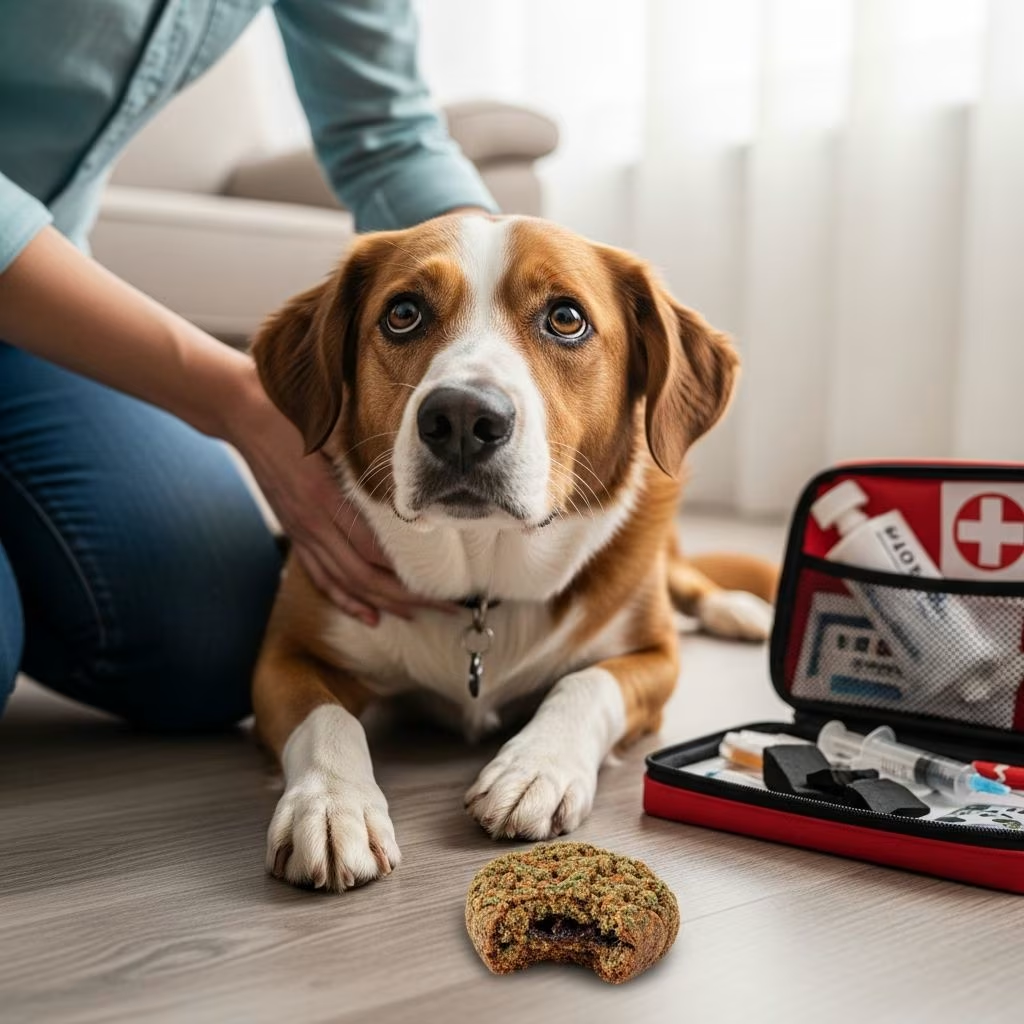
The accidental ingestion of cannabis-infused edibles by dogs has become an increasingly common veterinary emergency as these products become more widely available. Whether your dog consumed a gummy, baked good, or other THC-containing product, understanding the immediate steps to take can significantly impact recovery outcomes. This comprehensive guide covers everything pet owners need to know about responding to this situation, recognizing dangerous symptoms, and implementing preventive measures to keep their dogs safe.
Understanding THC Toxicity in Canines
Cannabis contains tetrahydrocannabinol (THC), a psychoactive compound that affects dogs differently than humans due to their heightened sensitivity to cannabinoids. Dogs have more cannabinoid receptors in their brains compared to humans, making them more susceptible to the drug’s effects even at lower doses. When a dog ingests THC, the compound is absorbed through the gastrointestinal tract and metabolized by the liver, eventually accumulating in fatty tissues throughout the body. This fat-soluble nature of THC means it remains in a dog’s system longer than in humans, prolonging the duration and intensity of symptoms.
The severity of toxicity depends on multiple variables including the dog’s body weight, overall health status, age, and the amount and concentration of THC consumed. A small dog consuming the same edible as a large dog will experience much more severe effects. Additionally, edibles pose a particular risk because the THC content may be unevenly distributed throughout the product, potentially leading to concentrated doses in certain portions.
Recognizing the Signs: Symptom Timeline and Progression
Understanding when symptoms appear helps determine the urgency of veterinary care. Symptoms of THC toxicity can manifest as quickly as 30 minutes after ingestion, though they may take several hours to appear depending on various factors. Early recognition is crucial because symptoms can progress rapidly from mild to severe.
Initial and Mild Symptoms
- Lethargy and depression: Your dog may appear unusually tired or uninterested in activities they normally enjoy
- Loss of coordination: Stumbling, unsteady walking, or difficulty maintaining balance
- Dilated pupils: Noticeably enlarged pupils that may not respond normally to light changes
- Disorientation: Appearing confused or not recognizing familiar people or surroundings
- Excessive drooling: Hypersalivation beyond normal levels
Moderate Symptoms
- Tremors: Fine shaking or muscle quivering, particularly noticeable in the legs
- Vomiting and diarrhea: Gastrointestinal distress
- Incontinence: Loss of bladder control or involuntary urination
- Anxiety or restlessness: Pacing, whining, or inability to settle
Severe Symptoms Requiring Immediate Emergency Care
- Severe disorientation: Extreme confusion or inability to recognize owners
- Inability to stand: Loss of muscle control or inability to maintain upright position
- Seizures or continuous tremors: Uncontrolled muscle contractions
- Persistent vomiting: Repeated vomiting that won’t stop
- Abnormal heart rate: Rapid heartbeat, irregular rhythm, or unusually slow pulse
- Breathing difficulties: Shallow breathing, gasping, or respiratory distress
- Pale gums: Indication of poor circulation
- Loss of consciousness: Unresponsiveness or coma
It’s important to note that even if your dog appears fine initially, THC toxicity can develop over time as the substance is absorbed and distributed throughout the body. The progressive nature of these symptoms means that a dog showing only mild signs can deteriorate rapidly.
Immediate Actions When You Suspect Ingestion
Step One: Contact Professional Help Without Delay
The most critical action is contacting a veterinarian or emergency animal clinic immediately upon suspecting your dog has consumed cannabis edibles. Do not wait to see if symptoms develop or assume your dog will be fine. Time is essential in these situations because veterinary professionals can guide you through appropriate initial steps and prepare for your arrival. When you call, provide the following information:
- Type of edible consumed (gummy, baked good, oil, etc.)
- Approximate amount ingested
- THC concentration if known
- Time of ingestion
- Your dog’s current weight and symptoms
- Any other ingredients in the product, particularly chocolate or xylitol
Step Two: Assess for Secondary Toxins
Many cannabis edibles contain additional ingredients that are independently toxic to dogs. Common culprits include:
- Chocolate: Toxic to dogs and can cause additional poisoning symptoms
- Xylitol: Found in sugar-free products, causes rapid insulin release and liver damage
- Raisins and grapes: Can cause kidney failure in dogs
- Macadamia nuts: Toxic to canines
Check the edible’s packaging if available to identify these ingredients, and inform your veterinarian immediately. The presence of secondary toxins significantly escalates the emergency and changes treatment protocols.
Step Three: Do Not Attempt Unguided Interventions
Resist the urge to induce vomiting at home without veterinary guidance. While vomiting can help eliminate the substance if performed shortly after ingestion, cannabis affects the swallowing reflexes in dogs, creating a serious choking risk. Additionally, the sedating effects of THC may already be taking hold, making aspiration of vomit a dangerous possibility. Only a veterinarian should make the determination of whether inducing vomiting is safe and appropriate based on the specific circumstances.
Similarly, do not administer any home remedies, human medications, or substances without professional guidance. These interventions can complicate treatment and delay proper medical care.
When Emergency Veterinary Care Becomes Necessary
While mild symptoms may sometimes be monitored briefly at home under veterinary guidance, certain warning signs demand immediate emergency attention. Take your dog to an emergency veterinary clinic without hesitation if you observe:
- Severe disorientation or inability to recognize family members
- Complete inability to stand or bear weight
- Seizure activity or continuous muscle tremors
- Repeated vomiting that will not stop
- Abnormal heart rate or rhythm
- Respiratory distress or difficulty breathing
- Pale or bluish gums indicating circulation problems
- Rapid symptom progression or worsening condition
Even if your dog appears to have only mild symptoms, it’s prudent to contact a veterinarian before deciding on home monitoring. Many cases that seem manageable initially can deteriorate quickly.
Veterinary Diagnostic and Treatment Protocols
Initial Assessment and Diagnostics
Upon arrival at the veterinary clinic, the veterinarian will perform a thorough physical examination and obtain a complete history. Diagnostic testing typically includes:
- Blood work and urinalysis: To assess organ function and overall health status
- X-rays: If there’s concern that packaging or other foreign materials were ingested
- Blood pressure monitoring: To identify cardiovascular complications
- Vital sign assessment: Including temperature, heart rate, and respiratory rate
Decontamination Methods
Depending on the timing of ingestion, the veterinarian may employ decontamination techniques. If the dog is presented within one to two hours of ingestion and is not yet showing significant signs, vomiting may be induced using appropriate medications. For cases where inducing vomiting is not advisable, the veterinarian may perform gastric lavage (stomach pumping) to remove contents.
Activated charcoal may be administered to absorb remaining toxins in the gastrointestinal tract and prevent further absorption. This substance is typically given every six to eight hours during the treatment period.
Supportive Care: The Primary Treatment Approach
Since no specific antidote exists for THC toxicity, veterinary treatment focuses entirely on supportive care to manage symptoms until the body naturally eliminates the toxin. This comprehensive approach includes:
- Intravenous fluid therapy: Maintains hydration, supports organ function, and prevents dehydration caused by vomiting, diarrhea, or loss of appetite
- Environmental management: Placement in a quiet, safe space away from stairs, excessive stimulation, or hazards where the dog might injure itself due to disorientation or loss of coordination
- Monitoring: Close observation of vital signs including heart rate, blood pressure, temperature, and respiratory function
- Anti-nausea medication: To control vomiting and allow the dog to maintain nutrition if possible
- Temperature regulation: Dogs experiencing THC toxicity often become hypothermic, requiring warming measures
- Seizure management: Medications administered to prevent or control seizure activity in severe cases
- Cardiovascular support: Medications and fluids to maintain stable heart rate and blood pressure
Advanced Treatment for Severe Cases
Dogs presenting with severe toxicity symptoms may require more intensive interventions. Intravenous lipid emulsion (ILE) therapy is a sophisticated treatment used in critical cases. This approach works by binding fat-soluble toxins like THC to lipids, allowing the body to eliminate them more rapidly and reducing the severity and duration of symptoms. Severely affected dogs may require:
- Respiratory support with mechanical ventilation for breathing assistance
- Hospitalization for continuous monitoring and intensive care
- Sedation to keep the dog calm and prevent self-injury
- Multiple medications to address various symptoms
Recovery Timeline
Most dogs recover well within one to two days with appropriate veterinary care. However, recovery time varies based on the amount of THC ingested, the dog’s overall health, and the intensity of symptoms. During recovery, the dog remains hospitalized or under close observation, with gradual return to normal activity as symptoms subside. While THC toxicity is rarely fatal in dogs, severe untreated cases can progress to life-threatening complications such as prolonged seizures or coma.
Home Care Considerations During Mild Cases
If your veterinarian determines that your dog’s symptoms are mild and home monitoring is appropriate, specific care protocols should be followed:
- Provide a safe environment: Confine your dog to a small, safe area away from hazards, stairs, swimming pools, and busy household traffic
- Maintain communication: Follow up with your veterinarian as directed and report any symptom changes immediately
- Monitor hydration: Offer water frequently, though don’t force consumption
- Avoid stimulation: Keep your dog in a quiet environment with minimal activity
- Watch vital signs: Monitor heart rate, breathing pattern, and body temperature
- Never leave unattended: Continuously supervise your dog, especially if disorientation is present
Prevention: The Best Medicine
Preventing accidental ingestion is far easier and more effective than managing toxicity after it occurs. Comprehensive prevention strategies include:
Storage and Accessibility
- Secure storage: Keep all cannabis products in childproof, sealed containers stored in cabinets or locations completely inaccessible to pets
- Elevated storage: Place edibles on high shelves or in locked drawers, remembering that some dogs can jump or climb surprisingly well
- Clear labeling: Maintain clear identification of cannabis products to prevent accidental consumption by family members who might then offer to your dog
Household Education
- Family awareness: Ensure all household members understand the serious risks cannabis poses to dogs
- Visitor guidance: Inform guests about your pet and the dangers of leaving edibles on tables, counters, or other accessible areas
- Children’s supervision: Teach children not to share food or treats with the dog, particularly unfamiliar items
Active Management
- Immediate cleanup: Quickly clean up any spills, crumbs, or pieces using pet-safe cleaning products
- Trash management: Use dog-proof trash containers to prevent your dog from accessing discarded cannabis products or packaging
- Yard monitoring: Check outdoor areas for dropped edibles or cannabis material that might be accessible to your dog
Veterinary Partnership
Consult with your veterinarian about your individual dog’s risk factors and receive tailored guidance on prevention strategies specific to your pet’s behavior, size, and medical history.
Frequently Asked Questions
Can I treat THC toxicity with home remedies?
No. Home remedies can exacerbate the situation and delay critical medical care. Always consult with a veterinarian rather than attempting at-home treatments.
Is THC toxicity fatal in dogs?
While death is rare, severe untreated cases can progress to life-threatening complications including prolonged seizures or coma. Prompt veterinary care dramatically improves outcomes.
How long do THC effects last in dogs?
Most dogs recover within one to two days with appropriate veterinary care, though recovery time varies based on the amount ingested and individual factors.
Should I induce vomiting if my dog eats an edible?
Never attempt to induce vomiting without veterinary guidance. Cannabis affects swallowing reflexes, creating serious choking risks. Only a veterinarian should determine if this is safe.
What should I tell my veterinarian?
Provide the edible type, approximate amount, THC concentration if known, time of ingestion, your dog’s weight, current symptoms, and any additional ingredients like chocolate or xylitol.
Conclusion
Accidental cannabis edible ingestion represents a genuine emergency requiring immediate veterinary attention. By understanding the signs of THC toxicity, knowing how to respond appropriately, and implementing strong prevention measures, pet owners can protect their dogs from this serious but often treatable condition. The most important step remains contacting a veterinarian immediately upon suspicion of ingestion—prompt professional intervention saves lives and ensures the best possible recovery outcome for your beloved companion.
References
- Cannabis (THC) Intoxication in Dogs — Cornell University College of Veterinary Medicine, Riney Canine Health Center. 2025. https://www.vet.cornell.edu/departments-centers-and-institutes/riney-canine-health-center
- What To Do if Your Dog Eats an Edible — ElleVet Sciences Pet Health Blog. 2025. https://www.ellevetsciences.com/blog/dog-ate-edibles/
- What to Do if Your Pet Eats Marijuana — Southern Arizona Veterinary Specialists. 2025. https://southernazvets.com/what-to-do-if-your-pet-eats-marijuana/
- Cannabis (Marijuana) Intoxication in Cats and Dogs — VCA Animal Hospitals. 2025. https://vcahospitals.com/know-your-pet/marijuana-intoxication-in-dogs-and-cats
- What Happens If My Dog Eats Marijuana: Understanding the Risks and Symptoms — Hobbyist Veterinary Services. 2025. https://www.hvsevet.com/blog/23/what-happens-if-my-dog-eats-marijuana
- Dog Ate Cannabis Edibles? Immediate Steps to Protect Your Pet — Golden State Veterinary Services. 2025. https://gsvs.org/blog/dog-ate-cannabis-edible-immediate-actions/
- Marijuana Intoxication in Dogs — MedVet Emergency & Specialty Hospitals. 2025. https://www.medvet.com/marijuana-intoxication-in-dogs/



