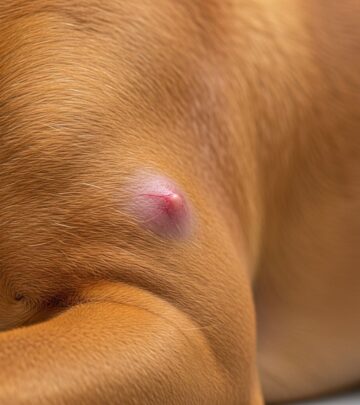
Canker Sores in Kittens: Causes, Symptoms & Treatment
Complete guide to identifying and treating painful canker sores in young cats.
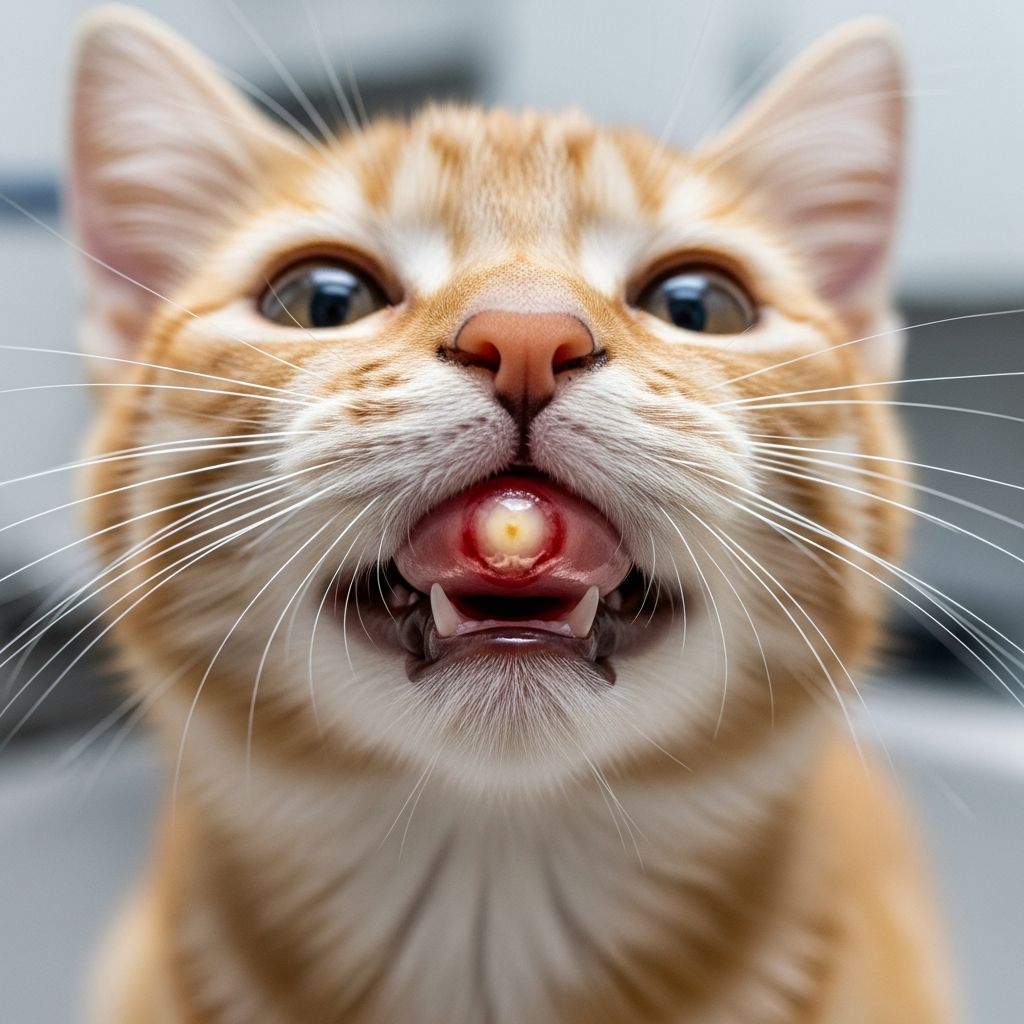
Understanding Canker Sores in Kittens
Canker sores, also known as mouth ulcers or oral ulcerations, are painful lesions that develop in a kitten’s mouth. These sores can range dramatically in size, from barely visible lesions measuring just a few millimeters to significantly larger ulcers that cause considerable discomfort. While canker sores are commonly associated with human health, kittens can develop these painful mouth conditions as well, and understanding their causes and treatment options is essential for any kitten owner.
Mouth ulcers in kittens require prompt attention because they can interfere with eating, grooming, and overall well-being. Unlike in humans, where canker sores are often attributed to minor injuries or viral infections like herpes, the causes in felines are more diverse and sometimes more complex. Recognizing the signs early and seeking veterinary care can prevent complications and help your kitten feel better quickly.
How to Spot Mouth Ulcers or Canker Sores
Identifying canker sores in your kitten requires careful observation of the mouth and changes in behavior. Ulcers in your kitten’s mouth will appear as red and inflamed sores, which can develop on various areas including the gums, tongue, the back of the mouth, or under the lips. The appearance of these lesions is distinctly red and swollen, making them relatively easy to spot during a careful examination.
Common Signs and Symptoms
Several indicators suggest your kitten may be suffering from mouth ulcers:
- Visible sore(s) in the mouth
- Excessive salivation or drooling (hypersalivation)
- Difficulty eating or grooming
- Bleeding in or from the mouth
- Foul-smelling breath (halitosis)
- Swelling of the lip or mouth area
- Resistance or reluctance to having the face or mouth touched
- Behavioral changes such as picking at food or refusing meals
- Lethargy or decreased activity levels
If you notice any combination of these symptoms, it’s important to schedule a veterinary examination promptly. Your kitten may be experiencing significant pain, even if the ulcers aren’t visually obvious at first glance.
Understanding Stomatitis in Kittens
Stomatitis is a very painful condition in which the mucous membranes of the mouth become inflamed. This inflammation can affect the gums, tongue, inner surfaces of lips, and the floor or roof of the mouth. Kittens with stomatitis often develop multiple sores throughout their oral cavity rather than isolated lesions, making this condition particularly distressing.
Characteristics of Feline Stomatitis
Stomatitis in kittens presents with distinct characteristics that set it apart from minor canker sores. Young kittens with stomatitis often have sores all over their gums, lips, and in the back of their mouths. The affected gums are likely to bleed very easily, even with slight trauma such as brushing teeth or eating kibble. This excessive bleeding can be alarming to kitten owners but is a common manifestation of the condition.
The inflammation results from immune cells infiltrating the mouth tissue, creating widespread oral discomfort. Cats with severe stomatitis may refuse to eat altogether or only pick at food, leading to weight loss and nutritional deficiencies if left untreated. The condition is frustrating for pet owners because, although there is no known single cause, the outcome is consistently painful inflammation of the oral cavity and gingival tissue.
Causes of Canker Sores and Mouth Ulcers in Kittens
Understanding the underlying causes of canker sores in kittens is essential for determining appropriate treatment. Multiple factors can contribute to the development of mouth ulcers, and identifying the specific cause helps veterinarians develop targeted treatment plans.
Common Causes Include:
- Viral infections, particularly calicivirus in young felines
- Periodontal disease and poor dental health
- Oral trauma or injury to mouth tissues
- Bacterial infections within the mouth
- Allergic reactions, including food allergies
- Immune system disorders and conditions like eosinophilic granuloma complex
- Flea infestations
- Resorptive lesions affecting tooth structure
- Oral burns from hot foods or caustic substances
- Salivary gland disorders
Kittens are particularly susceptible to calicivirus, which commonly causes tongue ulcers that appear on the lateral margins of the tongue and typically resolve with appropriate antiviral treatment. Periodontal disease remains one of the most significant contributors to mouth ulcers in cats of all ages, making dental health crucial for prevention.
Diagnostic Process for Feline Mouth Ulcers
Proper diagnosis is the foundation of effective treatment. When you bring your kitten to the veterinarian with suspected mouth ulcers, the veterinary team will conduct a thorough evaluation to identify the underlying cause. A detailed anesthetized oral exam complete with dental imaging is recommended for comprehensive assessment.
Your veterinarian will examine the mouth under proper lighting and may take radiographs to assess the teeth and underlying bone structure. This examination allows them to determine the extent of the ulceration, identify any underlying dental disease, and collect samples if necessary for bacterial or viral testing. The diagnostic process is crucial because treatment effectiveness depends entirely on addressing the underlying cause rather than just treating symptoms.
Treatment Options for Kitten Mouth Ulcers
Treatment for canker sores in kittens varies significantly depending on the underlying cause and severity of the condition. Your veterinarian will develop a customized treatment plan based on diagnostic findings and your kitten’s individual circumstances.
Medical Management Approaches
For mild cases or as part of comprehensive treatment plans, several medications may be prescribed:
- Antibiotics: Prescribed to treat or prevent bacterial infections
- Steroids: Used to reduce inflammation and swelling
- Immunosuppressive drugs: Such as Cyclosporine for cases involving immune system dysfunction
- Immune modulators: Such as interferon to help regulate immune response
- Anti-inflammatory medications: To reduce pain and swelling
- Pain medication: Essential from the onset of treatment due to the significant pain associated with mouth ulcers
Additionally, for kittens with allergies, including eosinophilic granuloma complex, your veterinarian will most likely prescribe a change of diet, such as a novel protein diet or a hydrolyzed diet, where the protein is broken down into smaller molecules that are less likely to trigger an immune response.
Surgical Intervention
For moderate to severe stomatitis cases, the cornerstone of treatment is full-mouth or partial dental extractions. While this may sound dramatic, many kittens experience remarkable improvement after this procedure. Cats that previously wouldn’t eat and seemed always lethargic often act energetic again once their teeth are gone and the lesions clear up. This makes sense when considering that cats would prefer no teeth and no pain over painful, open sores throughout their mouths.
For periodontal disease cases, treatment requires a thorough and professional anesthetic dental cleaning and radiographs. Cats suffering from stomatitis will most often require tooth extraction, and in some cases will require extraction of all teeth.
Home Care and Long-Term Management
At home, dental care is encouraged for long-term management and prevention of recurrence. Options include:
- Daily teeth brushing with cat-safe toothpaste
- Dental wipes for mechanical cleaning
- Antiseptic rinses or gels prescribed by your veterinarian
- Water additives designed to reduce oral bacteria
- Prescription dental diets formulated to support oral health
- Strict flea control to prevent related complications
For severe cases where your kitten is unable to eat normally, your veterinarian may recommend placing a feeding tube surgically to maintain nutrition and allow the mouth to heal. This temporary measure ensures your kitten receives adequate nutrition while recovering.
Recovery and Long-Term Prognosis
The good news is that many kittens can go on to live relatively normal lives once the underlying condition is resolved and managed appropriately. Most commonly, a few weeks is all kittens need to get better, and just because they developed ulcers in the past doesn’t necessarily mean they are prone to getting them again.
A small percentage of kittens suffering from stomatitis may require long-term intervention with medications, even after full-mouth extraction. Kittens that have or are predisposed to allergies will often be managed long-term with medications and directions to adhere to a prescription diet. With proper management and preventive care, most kittens recover well and resume normal eating and grooming behaviors.
Prevention Strategies
While not all canker sores can be prevented, several strategies can reduce the risk of oral ulcers in your kitten:
- Maintain regular dental check-ups starting at a young age
- Implement daily teeth brushing when your kitten is accustomed to it
- Provide high-quality nutrition to support immune function
- Keep your kitten on strict flea control
- Monitor your kitten for food allergies and adjust diet if necessary
- Avoid providing access to hot foods or caustic substances
- Ensure your kitten’s vaccinations are current
- Schedule prompt treatment for any signs of respiratory or oral infections
Frequently Asked Questions
Q: Can canker sores in kittens go away on their own?
A: Unfortunately, canker sores in kittens don’t go away on their own. Proper treatment and medication are required to treat the ulcers and underlying issues.[10] Even mild cases benefit from veterinary evaluation to ensure appropriate treatment and prevent complications.
Q: How long does it take for kitten canker sores to heal?
A: Most commonly, a few weeks is all kittens need to get better once appropriate treatment is initiated. However, recovery time depends on the underlying cause, severity of the ulcers, and how well your kitten responds to treatment. Some cases may resolve more quickly, while others require extended management.
Q: Are canker sores contagious between cats?
A: It depends on the cause. If the ulcers are caused by a contagious virus like calicivirus, they can potentially spread to other cats. However, many causes of canker sores are not contagious. Your veterinarian can advise you on whether your kitten should be isolated from other pets.
Q: What should I feed my kitten with mouth ulcers?
A: Soft or liquid foods are recommended while your kitten recovers. Many veterinarians suggest prescription diets, especially for kittens with allergies. Your kitten may prefer wet food to dry kibble, which can irritate the ulcers. Follow your veterinarian’s dietary recommendations for your specific kitten’s condition.
Q: When should I take my kitten to the vet for mouth ulcers?
A: You should schedule a veterinary appointment as soon as you notice signs of mouth ulcers or any behavioral changes suggesting oral pain. Early intervention typically results in better outcomes and faster recovery. Don’t wait to see if the condition improves on its own, as this can lead to prolonged suffering and nutritional deficiencies.
Q: Is tooth extraction necessary for all kittens with stomatitis?
A: Not necessarily for all cases. Mild stomatitis may respond to at-home care and medical management alone. However, for moderate to severe cases, tooth extraction is often the most effective solution. Your veterinarian will evaluate your individual kitten and recommend the most appropriate treatment approach.
References
- Mouth Ulcers in Cats – Treatment and Management — PetMD. 2024. https://www.petmd.com/cat/conditions/mouth/mouth-ulcers-cats
- Disorders of the Mouth in Cats — Merck Veterinary Manual. 2024. https://www.merckvetmanual.com/cat-owners/digestive-disorders-of-cats/disorders-of-the-mouth-in-cats
- Canker Sores in Young Cats: Causes and Treatment — VCA Animal Hospitals. 2024. https://vcahospitals.com/pediatric/kitten/health-wellness/canker-sores-in-kittens
- Feline Stomatitis Treatments — I-20 Animal Medical Center. 2024. https://www.i20animal.com/services/feline-stomatitis-treatments
- Signs of Stomatitis in Cats & How It’s Treated — Dixah Pet Care. 2024. https://www.dixah.com/site/blog/2024/01/15/stomatitis-in-cats
- Treating Feline Mouth Ulcers — Animal Dental Care & Oral Surgery. 2019. https://www.wellpets.com/blog/163-treating-feline-mouth-ulcers/
- Mouth Ulcers in Cats: Everything You Need to Know — Vetericyn. 2024. https://vetericyn.com/blogs/blog/mouth-ulcers-in-cats-everything-you-need-to-know
Similar Articles








Read full bio of Sneha Tete