

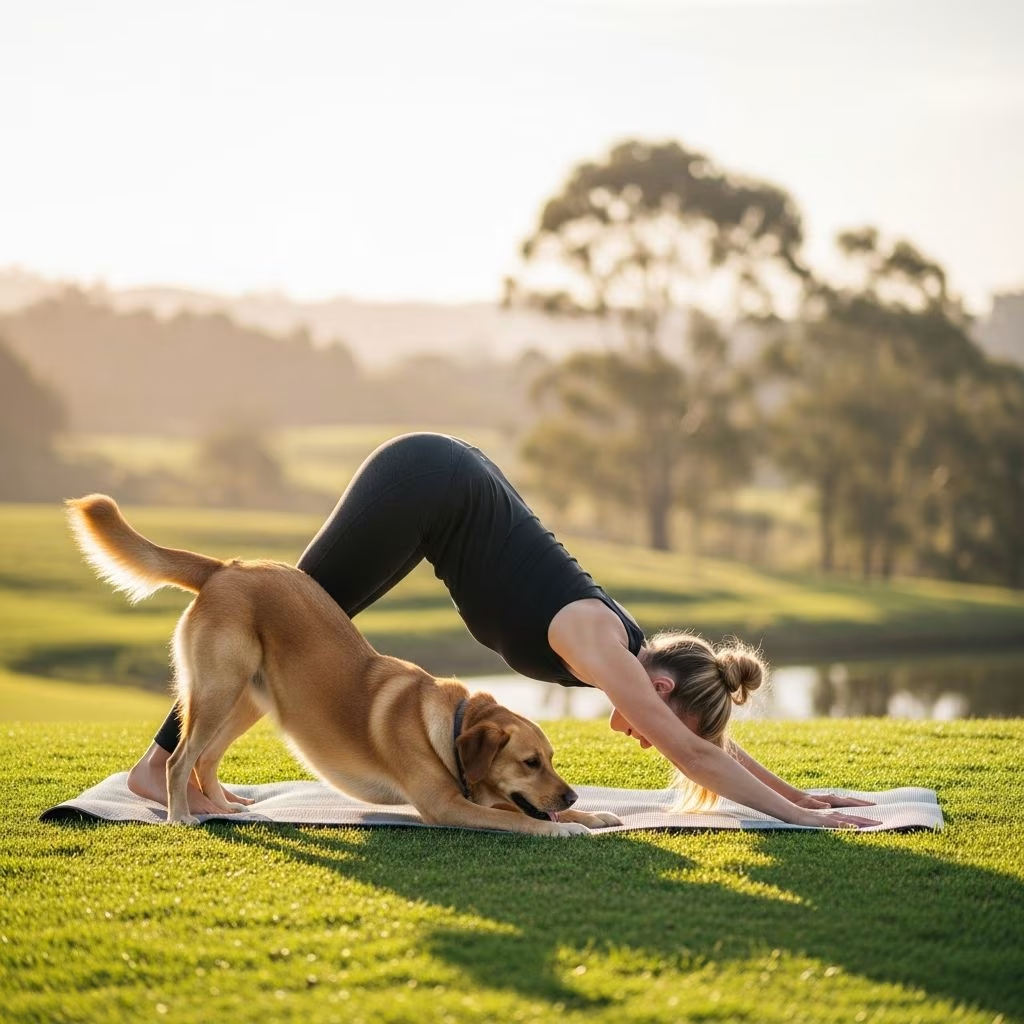
The intersection of pet care and personal wellness has given rise to an increasingly popular activity that brings together two beloved practices: yoga and canine companionship. Doga, the fusion of yoga principles with dog companionship, represents a modern approach to fitness that prioritizes the well-being of both humans and their four-legged friends. This practice emerged in the early 2000s as yoga instructors recognized the unique synergy between the meditative and physical aspects of traditional yoga and the natural behaviors and needs of dogs.
Unlike conventional exercise routines, doga creates an environment where your dog becomes an active participant in your wellness journey rather than a passive observer. The practice acknowledges that both humans and canines benefit from mindful movement, stress reduction, and quality time together. Whether practiced in a structured class setting or at home, doga offers a refreshing departure from solitary workouts while simultaneously addressing some of the most significant health and behavioral challenges pet owners face.
Understanding the Origins and Philosophy of Doga
The concept of doga originated in America around 2002 when yoga instructor Suzi Teitelman recognized the potential of combining her professional expertise with her love for dogs. Teitelman’s insight proved transformative: she understood that yoga’s foundational principles—balance, breathing, mindfulness, and the connection between mind and body—could be meaningfully adapted to include dogs as active partners in the practice.
The philosophy underlying doga rests on the recognition that dogs, as pack animals, naturally align with yoga’s emphasis on unity and connection. When a dog participates alongside its owner in mindful movement and breathing exercises, it creates a unique dynamic where both beings influence and support each other’s practice. Teitelman articulated this beautifully, noting that \”the person takes dog deeper into a stretch, and the dog takes the person deeper,\” while \”if you have a dog on your arm in a standing posture it helps balance and strength.\”
From its American beginnings, doga expanded internationally. The practice reached the United Kingdom in 2004 and gained prominence through the work of yoga teacher Mahny Djahanguiri, whose approach emphasized joy and authenticity over rigid perfection. By 2011, doga had established practitioners in Australia as well, demonstrating its cross-cultural appeal and adaptability to different populations and dog breeds.
Physical Health Advantages for Your Dog
Dogs, like humans, benefit significantly from regular physical activity combined with mindful movement. Doga offers a structured yet flexible approach to canine fitness that addresses multiple aspects of your dog’s physical health.
- Weight Management and Muscle Development: Dogs that are overweight or out of shape experience meaningful improvements through consistent doga practice. The combination of gentle exercises and movement helps build lean muscle while supporting healthy weight loss when practiced regularly. Enhanced blood circulation from physical activity contributes to overall cardiovascular health.
- Joint Flexibility and Mobility: Doga naturally appeals to dogs’ inherent instinct to stretch, improving their flexibility and range of motion. This is particularly valuable for aging dogs or those predisposed to joint complications, as regular stretching and massage can help prevent arthritis and anterior cruciate ligament (ACL) injuries.
- Support for Chronic Conditions: Dogs suffering from hip dysplasia or similar age-related pain conditions find relief through doga’s gentle stretching techniques. For injured dogs recovering from accidents or surgical procedures, the mindful, low-impact nature of doga provides pain relief and supports gradual strength rebuilding without risk of re-injury.
The beauty of doga lies in its adaptability. Whether your dog requires therapeutic support or simply needs additional exercise, the practice can be customized to match their specific physical condition and limitations.
Mental and Behavioral Transformation Through Doga
Physical fitness represents only one dimension of doga’s benefits. The practice’s emphasis on relaxation, breathing, and mindfulness creates profound changes in canine behavior and emotional well-being.
Dogs experiencing anxiety, hyperactivity, or behavioral challenges respond remarkably well to doga’s calming elements. The breathing exercises and gentle stretching that form the cornerstone of doga work synergistically to reduce stress in dogs just as they do in humans. Hyperactive or anxious dogs gradually learn to become still and present through consistent practice. While visible behavioral improvements typically require several weeks of regular participation—ideally at least a month—the cumulative effects prove transformative.
The relaxation component of doga also benefits dogs with specific behavioral issues. Yappy or excessively anxious dogs develop improved emotional regulation and composure. The exercise portion burns off excess energy that might otherwise manifest as destructive or problematic behaviors, while the stretching and massage phases cultivate genuine mental calmness rather than mere physical exhaustion.
Strengthening the Human-Canine Bond
Perhaps the most valued benefit of doga for both dogs and their owners is the profound strengthening of their mutual bond. When dog owners and their companions practice yoga together, they engage in assisted poses requiring genuine partnership and trust.
This collaborative physical practice teaches dogs to trust their owners more deeply while providing owners with tangible proof of that trust. The requirement for deep focus and relaxation from both parties creates an authentic connection that extends beyond the practice session. Dogs learn that their owner is a reliable partner who supports them physically and emotionally, which translates into improved behavior, better responsiveness to training, and increased confidence in other situations.
The bonding opportunity extends beyond individual owner-dog pairs. Group doga classes create a social experience where multiple dogs and owners practice together, fostering a sense of community among pet owners who share similar values around wellness and pet care. This social aspect proves particularly valuable in urban environments where opportunities for meaningful dog socialization remain limited.
Social Development and Behavioral Integration
For dogs experiencing shyness, anxiety, or social hesitation, doga classes provide a controlled environment to develop social confidence. The calm, meditative atmosphere differs significantly from the chaotic energy of typical dog parks, allowing anxious dogs to acclimate gradually to other dogs and people without becoming overwhelmed.
Exposure to other dogs and humans in such a structured, soothing setting helps shy or reactive dogs build social skills and comfort with new experiences. These improvements in social confidence directly benefit dogs during everyday situations like walks in public spaces or visits to veterinary clinics. Dogs become easier to handle and more relaxed in unfamiliar situations, reducing stress for both pet and owner.
The Human Health and Wellness Component
While the benefits to dogs are significant, doga offers substantial advantages for human practitioners as well. Yoga itself has well-documented health benefits for humans, and practicing with a dog amplifies certain aspects of this practice.
Stress and Anxiety Reduction: The addition of a beloved dog to yoga practice creates a powerful stress-relief combination. The playful presence of your dog introduces joy and lightheartedness to exercise, making the practice feel less like an obligation and more like quality time with a cherished companion. Mental stability and emotional well-being, widely recognized as major benefits of yoga and meditation, become even more accessible when shared with a non-judgmental canine partner.
Physical Fitness Enhancement: Doga incorporates stretching, balance work, and strength exercises that contribute to improved human fitness. The added element of your dog’s weight—whether held during certain poses or used as a grounding element—provides natural resistance that can intensify your physical practice. Maintaining your dog’s comfort and safety while holding them during poses requires core engagement and balance development.
Mindfulness and Presence: Practicing doga demands that you remain fully present and attentive to both your own body and your dog’s signals. This requirement for dual awareness cultivates deeper mindfulness than solo yoga practice might achieve, strengthening your ability to remain present in other aspects of life.
Getting Started: Practical Considerations for Beginning Doga
For those interested in exploring doga, several approaches exist. Group classes, offered through yoga studios, pet wellness centers, and community organizations, provide professional instruction, social connection, and access to other dog owners. Home practice offers flexibility and allows you to work at your own pace with your individual dog.
Before beginning doga, consider your dog’s age, current fitness level, any existing health conditions, and temperament. Dogs recovering from injury, senior dogs, and those with joint issues should begin gently and gradually. Consult with your veterinarian if your dog has any medical conditions to ensure that doga practice suits their specific situation.
Starting slowly proves essential. Begin with basic stretching and breathing exercises, allowing your dog to become comfortable with the practice before introducing more complex poses or longer sessions. Many dogs find the experience enjoyable, particularly when they recognize that doga time means spending focused time with their beloved owner.
Frequently Asked Questions About Doga
Is doga suitable for all dog breeds and sizes?
Doga can be adapted for most breeds and sizes, though instructors may modify poses based on individual dogs’ needs. Smaller dogs are easier to hold during certain poses, while larger dogs benefit from ground-based stretching and positioning. Always consult with an instructor about your specific dog’s needs.
How often should dogs practice doga?
Regular practice yields the best results. Practicing at least once weekly, with ideally two to three sessions per week, allows both you and your dog to experience meaningful benefits. Consistency matters more than duration—several short weekly sessions outperform sporadic longer sessions.
What should I wear and bring to a doga class?
Wear comfortable, flexible clothing similar to traditional yoga practice. Bring a yoga mat, water for yourself and your dog, and any necessary items for your dog’s comfort. Arrive early to allow your dog to acclimate to the class environment.
Can doga help with specific behavioral problems?
Doga can support behavioral improvement, particularly with anxiety and hyperactivity. However, serious behavioral issues may require additional professional training or behavioral consultation alongside doga practice.
Is scientific evidence available for doga’s benefits?
While yoga’s benefits for humans are extensively researched and proven, scientific studies specifically examining doga’s effects on dogs remain limited. However, the practice’s popularity and practitioners’ positive reports suggest genuine benefits, and the combination of exercise, stretching, and stress reduction aligns with established principles of animal health and wellness.
The Lasting Impact of Shared Wellness Practice
Doga represents more than just a fitness trend; it reflects a fundamental shift toward viewing pet wellness as integrated with human wellness. When you practice doga with your dog, you create a sanctuary of shared well-being where both participants benefit physically, emotionally, and relationally. The practice acknowledges that dogs are not merely companions to be exercised, but sentient beings with their own capacity for joy, relaxation, and meaningful connection.
Whether you’re seeking to deepen your bond with your dog, address specific behavioral or health challenges, or simply discover a more enjoyable approach to personal fitness, doga offers a path forward. By bringing yoga’s ancient wisdom to your relationship with your dog, you access benefits that extend far beyond the mat, enriching both your lives in measurable and immeasurable ways.
References
- 5 Benefits of Doga for You and Your Dog — Gaiam. https://www.gaiam.com/blogs/discover/5-benefits-of-doga-for-you-and-your-dog
- Exploring the Benefits of Dog Yoga (Doga) — Cleo&Hooman. https://cleoandhooman.com/blogs/wellness/exploring-the-benefits-of-dog-yoga-doga
- Doga (yoga) — Wikipedia. https://en.wikipedia.org/wiki/Doga_(yoga)
- Yoga for Dog Owners — Continental Kennel Club. https://ckcusa.com/blog/2019/june/yoga-for-dog-owners/
- \”Doga\”, yoga and meditation for dogs and their owners — Wildmind Buddhist Meditation. https://www.wildmind.org/blogs/news/doga-yoga-and-meditation-for-dogs-and-their-owners



