

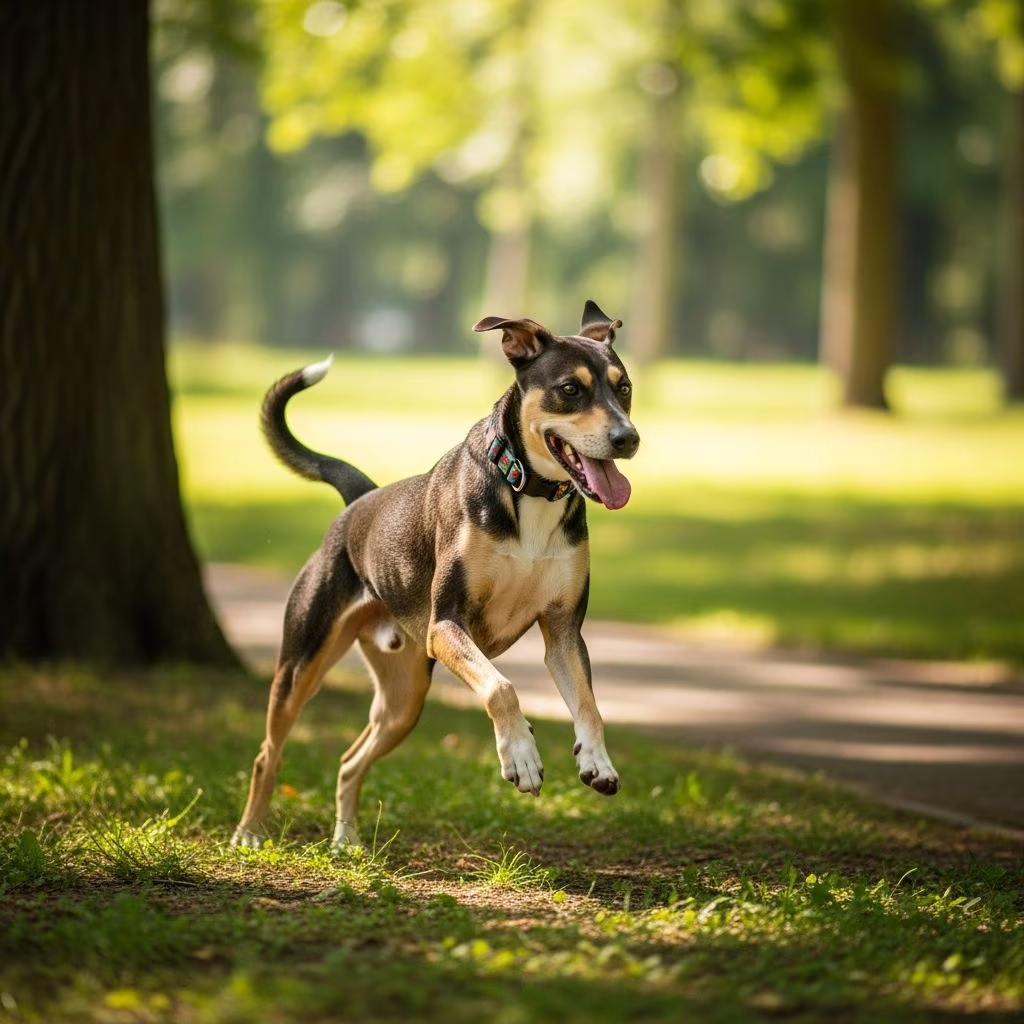
Maintaining an appropriate weight is one of the most significant factors in ensuring your dog enjoys a long, healthy, and active life. Just as obesity poses serious health risks to humans, excess weight in dogs can lead to various medical complications, reduced mobility, and a diminished quality of life. Understanding how to properly assess your dog’s current weight status and implementing evidence-based strategies for weight management can make a substantial difference in your pet’s overall wellbeing and longevity.
Understanding Canine Body Condition Assessment
Before embarking on any weight management journey, it’s crucial to accurately determine whether your dog actually carries excess weight. Many pet owners struggle with this assessment because dogs vary considerably in breed, size, and natural body structure. Rather than relying solely on numerical weight measurements, veterinary professionals recommend using a systematic evaluation method that considers your dog’s overall body composition.
The Body Condition Score (BCS) system provides a standardized framework for assessing whether a dog is underweight, at an ideal weight, or overweight. This nine-point scale examines specific anatomical features that indicate fat distribution and muscle tone. By learning to recognize these physical indicators, you can make informed decisions about your dog’s dietary and exercise needs independent of the bathroom scale.
When evaluating your dog’s condition, gently run your hands along their ribcage. You should be able to feel the ribs without pressing hard, similar to feeling the bones in the back of your hand. If the ribs are visibly prominent or you cannot feel them at all even with considerable pressure, your dog may have a weight concern. Additionally, examine your dog from above and from the side. A healthy dog typically displays a visible waist when viewed from above and shows an abdominal tuck when observed from the side. These visual and tactile assessments provide more reliable indicators than weight alone.
The Foundation: Nutritional Adjustments
Successful weight management begins with a comprehensive approach to your dog’s nutrition. Caloric restriction forms the cornerstone of any weight loss program, but this must be accomplished thoughtfully to ensure your dog receives all necessary nutrients.
Precision in Portion Control
One of the most common mistakes pet owners make is inaccurate food portioning. Eyeballing amounts or using inconsistent serving methods frequently results in unintentional overfeeding. Invest in either a digital kitchen scale or a standard measuring cup to ensure precise portions at each feeding. The recommended daily caloric intake varies based on your dog’s current weight, target weight, and individual metabolic factors, making professional guidance essential for calculating appropriate amounts.
Beyond daily portions, consider adopting a structured feeding schedule rather than allowing free-feeding, where food remains available throughout the day. Scheduled mealtimes typically consist of one or two feedings daily, depending on your dog’s age and health status. This approach provides several advantages: it helps regulate your dog’s digestive system, establishes routine and predictability, and gives you greater control over total caloric intake.
Quality Food Selection
The type of food you provide significantly impacts weight management outcomes. Look for dog foods that meet AAFCO (Association of American Feed Control Officials) standards and ideally have undergone feeding trials, ensuring nutritional completeness and quality. When weight loss is the goal, consider transitioning to a diet specifically formulated for weight management.
Weight-management formulas typically contain approximately 300 calories per cup and emphasize higher protein content with reduced fat levels. This nutritional balance supports weight loss while preserving lean muscle mass and maintaining satiety. Always consult your veterinarian before making dietary changes, as they can recommend products tailored to your dog’s specific health requirements.
Strategic Treat Management
Treats often represent a hidden source of excessive calories in canine diets. Establish a guideline that treats comprise no more than 10% of your dog’s total daily caloric intake. Replace high-calorie commercial treats with nutritious alternatives such as small pieces of carrots, green beans, or specifically formulated low-calorie treat options. These substitutions provide satisfying rewards without derailing weight management efforts, and many dogs find vegetable-based treats equally rewarding as traditional options.
Equally important is eliminating table scraps from your dog’s diet. Human food often contains excessive fat and sodium, and casual feeding of scraps makes accurate caloric tracking impossible. Establish household guidelines that all family members understand and follow consistently, as inconsistent feeding practices undermine even the most well-intentioned weight management plan.
Physical Activity and Exercise Programming
While dietary management addresses caloric intake, exercise addresses caloric expenditure and provides additional health benefits beyond weight loss alone. A well-designed exercise program preserves muscle mass during weight loss, may increase metabolic rate, and contributes to overall cardiovascular and mental health.
Developing an Appropriate Exercise Plan
The ideal exercise program varies significantly based on your dog’s age, breed, current fitness level, and any existing health conditions. A customized approach yields the best results, and your veterinarian can help determine what’s appropriate for your individual dog.
Begin by incorporating regular daily walks, adjusting duration and intensity to match your dog’s current fitness capacity. As your dog’s cardiovascular fitness improves, gradually increase walking duration or intensity. For dogs with joint issues or mobility limitations, low-impact alternatives such as swimming or walking on softer surfaces protect vulnerable joints while providing beneficial exercise.
Varied Activity Types
Beyond structured walks, engage your dog with interactive play sessions that burn calories while stimulating mental engagement. Fetch, tug-of-war, and puzzle toys provide both physical activity and mental enrichment. As your dog’s fitness improves, consider more demanding activities such as agility training, hill running, or interval-style play sessions that alternate between intense effort and recovery periods.
Mental stimulation through puzzle feeders and treat-dispensing toys serves a dual purpose: it provides cognitive engagement that reduces boredom-related overeating while simultaneously distributing caloric intake throughout the day rather than in concentrated meals. This approach can improve satiety and satisfaction with smaller total portions.
Monitoring Progress and Adjusting Strategy
Successful weight management requires ongoing monitoring and willingness to adjust your approach based on observed results.
Regular Weighing and Assessment
Conduct weigh-ins every few weeks, ideally using the same scale at your veterinary clinic for consistency. Record these measurements along with observations about body condition, energy levels, and overall health. This documentation helps you and your veterinarian identify trends and determine whether current interventions are producing desired results.
Continue assessing body condition using the BCS system throughout your weight management journey. While numerical weight provides objective data, body condition scoring reveals whether weight changes reflect actual fat loss versus muscle loss or other factors. Expect healthy weight loss to occur at a rate of approximately 1-2% of your dog’s body weight per week, or closer to 0.5% for severely obese dogs. This gradual approach prevents metabolic stress and maintains overall health.
Addressing Weight Loss Plateaus
Many dogs experience weight loss plateaus, particularly after several months of consistent weight reduction. When progress stalls, adjust your approach by increasing physical activity rather than further restricting calories. Transition from steady-state aerobic activities like walks to more intense anaerobic efforts such as fetch, hill running, or interval training. These higher-intensity activities engage different muscle groups and may overcome metabolic adaptations that cause weight loss to plateau.
Creating Household Accountability
Weight management success depends on consistent implementation of established protocols. Every household member must understand and follow the same feeding guidelines, portion sizes, and treat policies. Inconsistency undermines even well-designed programs, as occasional treats and unauthorized snacks accumulate quickly.
Encourage family members and visitors to redirect their desire to reward your dog away from food-based treats toward alternative rewards such as extra playtime, new toys, or additional walks. Celebrate your dog’s progress toward their target weight through non-food rewards, further reinforcing positive habits.
Long-Term Weight Maintenance
Reaching a target weight represents a milestone but not the endpoint of weight management. Preventing weight regain requires sustained commitment to the dietary and exercise principles that produced the initial weight loss.
Once your dog reaches their target weight, you may increase food amounts gradually—approximately 10% above the weight-loss portion—while continuing regular weight monitoring to ensure stability. Many dogs maintain weight most effectively when remaining on therapeutic weight-management formulas indefinitely rather than transitioning back to standard foods, which contain higher caloric density.
As your dog ages, metabolism and activity levels naturally change. Be prepared to adjust both diet and exercise routines to accommodate these life-stage transitions. Older dogs may require fewer calories but benefit from continued physical activity modified for mobility limitations. Regular veterinary check-ups allow your veterinarian to identify emerging health issues and adjust your dog’s care plan accordingly.
When to Seek Veterinary Intervention
Underlying medical conditions can complicate weight management efforts. Hormonal disorders, thyroid dysfunction, and various medications can all contribute to weight gain despite appropriate diet and exercise. If your dog’s weight persists despite your best efforts, additional diagnostic testing may reveal treatable conditions.
Your veterinarian serves as your partner throughout this process, providing guidance on caloric calculations, recommending appropriate foods, monitoring progress, and troubleshooting obstacles. Before implementing any weight loss plan, schedule a comprehensive examination to establish a baseline body condition score, rule out underlying medical issues, and receive personalized recommendations.
Frequently Asked Questions
How long does it take for a dog to lose weight?
The timeline varies based on your dog’s starting weight and the consistency of your approach. Most dogs achieve noticeable weight loss within 4-6 weeks of consistent dietary and exercise modifications. However, significant weight loss—reaching target weight—may require several months to a year depending on how much excess weight your dog carries. Remember that gradual loss is healthier and more sustainable than rapid weight reduction.
Can I use human diet foods for my dog?
While some human foods like certain vegetables can supplement a dog’s diet as low-calorie treats, dogs require complete and balanced nutrition formulated specifically for canine nutritional requirements. Commercial dog foods designed for weight management provide appropriate nutrient profiles that pure human foods cannot match. Always consult your veterinarian before introducing any new foods.
What if my dog won’t exercise?
Some dogs, particularly senior dogs or those with health conditions, have limitations on exercise intensity. Start with shorter, gentler activity sessions and gradually build tolerance. Puzzle feeders and indoor play can provide mental stimulation when outdoor exercise isn’t feasible. Work with your veterinarian to develop a realistic activity plan matching your dog’s capabilities.
Should I change my dog’s food all at once?
Abrupt dietary changes can cause gastrointestinal upset. Transition gradually over 7-10 days by mixing increasing proportions of the new food with the previous food. This allows your dog’s digestive system to adjust and helps prevent stomach issues during the transition period.
Key Considerations for Successful Weight Management
- Consult your veterinarian before implementing any weight management program
- Use precise measurement tools for portion control
- Calculate appropriate daily caloric intake based on target weight
- Select high-quality dog foods meeting AAFCO standards
- Limit treats to no more than 10% of daily calories
- Establish consistent feeding schedules avoiding free-feeding
- Incorporate daily exercise appropriate for your dog’s age and fitness level
- Use the Body Condition Score system to track progress
- Expect gradual weight loss of 1-2% per week
- Adjust exercise and diet based on progress and plateaus
- Maintain consistency across all household members
- Plan for long-term weight maintenance, not just initial loss
- Monitor for underlying medical conditions affecting weight
- Schedule regular veterinary check-ups throughout the process
References
- Strategies to Help Your Dog Reach a Healthy Weight — The Natural Dog Online. https://www.thenaturaldogonline.com/content/canine-weight-management
- Creating a Plan for Your Dog’s Healthy Weight Management — Wisdom Panel. https://www.wisdompanel.com/en-us/blog/weight-management-for-dogs
- A Simple Strategy for Healthy Dog Weight-loss — Pet Obesity Prevention. https://www.petobesityprevention.org/articlesandnews/healthydogweightloss
- Top 10 Tips to Help Your Dog Lose Weight — Cincinnati Family Veterinary Hospital. https://www.cincinnatifamilyvet.com/services/dogs/blog/top-10-tips-help-your-dog-lose-weight
- Creating a Weight Reduction Plan for Dogs — VCA Animal Hospitals. https://vcahospitals.com/know-your-pet/creating-a-weight-reduction-plan-for-dogs
- A Pet’s Guide to Weight Loss — The Drake Center For Veterinary Care. https://www.thedrakecenter.com/services/pets/blog/pets-guide-weight-loss
- Obesity and Weight Loss in Dogs — Cornell University College of Veterinary Medicine, Riney Canine Health Center. https://www.vet.cornell.edu/departments-centers-and-institutes/riney-canine-health-center/canine-health-topics/obesity-and-weight-loss-dogs



