

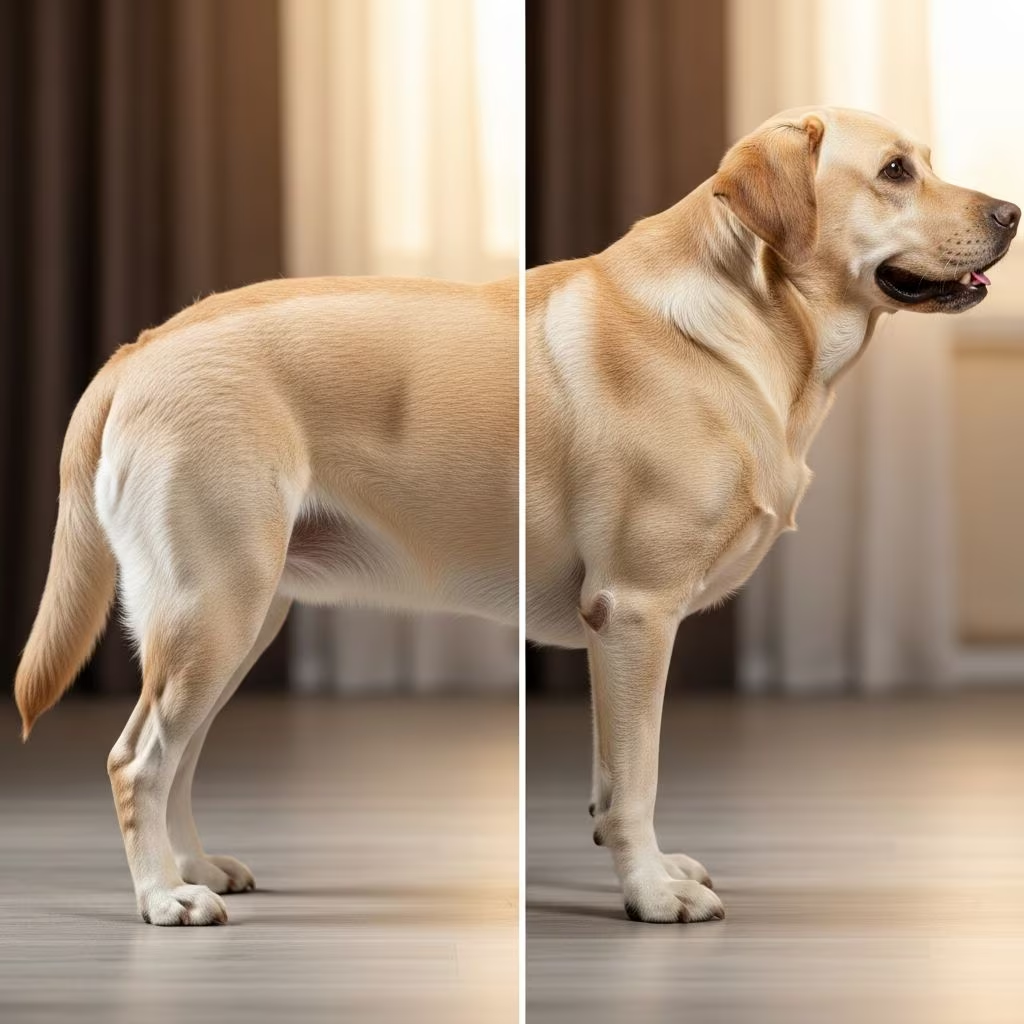
Many pet owners struggle to determine whether their dogs are maintaining a healthy weight. Excess weight in dogs can develop gradually, making it difficult to notice changes over time. Understanding how to evaluate your dog’s current physical condition is essential for preventing serious health complications and ensuring your pet enjoys an active, comfortable life. This guide provides practical methods to assess your dog’s weight status and recognize when professional veterinary intervention may be necessary.
Understanding Canine Body Condition Scoring
Veterinarians use a standardized system called body condition scoring (BCS) to evaluate dogs objectively. This scoring method ranges from 1 to 9 and helps owners and veterinarians communicate clearly about a dog’s weight status. The scale divides dogs into five distinct categories, each describing the amount of fat coverage and muscle definition present.
At the lower end of the scale, scores of 1-3 indicate an underweight dog. In these cases, ribs, spine, and hip bones are prominently visible with minimal fat covering the frame. While this extreme may concern some owners, it represents one end of the spectrum. Moving toward the center, scores of 4-5 represent ideal weight, where ribs can be easily felt without excessive pressure, and a visible waistline exists when viewing the dog from above.
The upper portion of the scale, scores 6-7, categorizes dogs as overweight. These dogs display extra fat coverage over their rib cage, and the natural waistline becomes less defined. The body takes on a rounder appearance overall. At the extreme end, scores of 8-9 indicate obesity, characterized by excess fat deposits throughout the body, an absence of visible waistline, and noticeable difficulty with movement.
Conducting a Physical Assessment: The Rib Test
One of the most reliable methods for determining whether your dog is maintaining a healthy weight involves a simple tactile examination. Place your hands on your dog’s ribcage and gently apply light pressure. In a dog at ideal weight, you should be able to feel individual ribs easily without pressing hard through layers of fat. The ribs should feel similar to the bones on the back of your hand when you make a gentle fist.
For overweight dogs, this assessment becomes difficult. A thick layer of fat prevents you from easily detecting the rib structure, even when applying moderate pressure. This fat barrier develops when excess calories accumulate over time. If you must press firmly or cannot locate the ribs at all, your dog likely carries excess weight that requires dietary and exercise modifications.
Beyond simply feeling for ribs, pay attention to the overall rib prominence. In healthy-weight dogs, the chest area should be noticeably wider than the abdominal area. This distinction indicates proper muscle tone and fat distribution. Overweight dogs tend to have a more uniform circumference from front to back, lacking this natural chest-to-abdomen proportion.
Evaluating Body Outline and Waistline Definition
Viewing your dog from directly above provides valuable information about weight status. A dog at ideal weight displays a noticeable waistline, often described as an inward curve that appears between the rib cage and hips. This curved silhouette is a natural anatomical feature that becomes invisible in overweight dogs.
When examining your dog from above, overweight specimens typically appear more oval or circular in shape. The body lacks definition, appearing like a rectangular block rather than having the hour-glass or curved appearance of a properly weighted dog. This visual assessment takes only seconds but provides reliable information about your pet’s body composition.
Side-view evaluation offers another perspective on your dog’s weight status. From the side, a healthy dog should display a noticeable tuck-up, where the area behind the chest rises slightly toward the hind legs. The abdomen should not hang downward or appear sagging. Overweight dogs often show a sagging belly or a waist that hangs down instead of tucking up, creating an oval appearance when viewed from the side.
Recognizing Additional Physical Indicators
Beyond rib visibility and waistline definition, several other physical characteristics signal weight concerns. Examine your dog’s face—overweight dogs often develop rounder, fuller facial features compared to their lean counterparts. The face may appear less defined, with fuller cheeks and jowls.
Fat distribution patterns also become apparent during physical inspection. Some overweight dogs develop fat deposits between their hind legs that become visible when they walk. These fat pads can create a waddling gait. Similarly, fat accumulates on the top of the hip bones, and you may notice fat rolls developing along the spine or neck area.
Watch for tightness in collars and harnesses—if these items that once fit comfortably now feel snug or require adjustment, your dog may be gaining weight. This practical indicator often prompts owners to take action before weight problems become severe.
Behavioral Signs That Suggest Weight Gain
Physical examination alone doesn’t provide the complete picture. Behavioral changes often accompany weight gain and can serve as important warning signs. One of the most noticeable changes involves energy levels. Dogs carrying excess weight typically demonstrate lethargy, preferring to rest rather than engage in activities.
Exercise tolerance decreases significantly in overweight dogs. A dog that previously enjoyed long walks may now lag behind, walk slower, or refuse to engage in play. Some dogs become reluctant to go for walks altogether. This reduction in activity can create a problematic cycle—as the dog exercises less, weight gain accelerates, making physical activity even more difficult.
Respiratory changes frequently accompany weight gain. Overweight dogs pant excessively, even during slow walks or minimal exertion. Heavy breathing becomes apparent during activities that previously caused no respiratory stress. Some dogs experience difficulty breathing after short periods of physical activity.
Additional behavioral indicators include increased time sleeping or resting, reluctance to climb stairs or jump into vehicles, and refusal to play games or engage in activities. An overweight dog may also display increased food motivation, eagerly consuming meals and treats.
Health Consequences of Excessive Weight
Understanding the health implications of canine obesity motivates many owners to take action. Excess weight creates strain on multiple body systems. The skeletal system suffers as extra pounds stress joints and bones. Dogs carrying excess weight frequently develop arthritis and experience joint pain, conditions that worsen over time as obesity continues.
Cardiovascular health deteriorates with obesity. Overweight dogs face increased risk of heart disease and high blood pressure. The heart must work harder to circulate blood throughout a heavier body, accelerating cardiac decline.
Metabolic disorders become more prevalent in overweight dogs. Diabetes represents one of the most common obesity-related conditions. Excess body fat causes insulin resistance, preventing the body from properly regulating blood sugar levels. Once diabetes develops, dogs require ongoing medical management and monitoring.
Respiratory problems develop as excess weight restricts normal breathing. Dogs may experience difficulty breathing during normal activities. Liver and kidney disease risks increase, and overweight dogs face higher rates of certain cancers. Skin problems also emerge more frequently in obese dogs.
Anesthetic complications become more likely if an overweight dog requires surgery, as excess weight affects how the body processes medications. These interconnected health risks demonstrate why weight management directly impacts your dog’s lifespan and quality of life.
When to Consult Your Veterinarian
If you suspect your dog is overweight, scheduling a veterinary appointment provides professional assessment and guidance. Your veterinarian can determine whether weight gain stems from excess calories, underlying medical conditions like hypothyroidism or Cushing’s disease, or other health issues.
Veterinarians can establish appropriate target weights for your specific dog, considering breed standards, age, and individual health factors. They can also recommend appropriate dietary adjustments and exercise plans tailored to your dog’s needs. Professional guidance increases the likelihood of successful weight management.
Frequently Asked Questions
How often should I check my dog’s body condition?
Regular assessments every 4-6 weeks help you monitor changes early. This frequency allows you to notice gradual weight shifts before they become significant problems.
Can neutered or spayed dogs maintain healthy weights?
Yes, though these dogs have slightly lower metabolic rates. With proper portion control and consistent exercise, neutered and spayed dogs maintain healthy weights successfully.
Does breed affect how I should evaluate weight?
Yes, different breeds have different body structure standards. A veterinarian can advise on appropriate weight ranges for your specific breed.
What if my dog has medical conditions affecting weight?
Work with your veterinarian to develop management strategies that address both the medical condition and weight concerns simultaneously.
How long does it take to help an overweight dog lose weight?
Gradual weight loss, typically 1-2 pounds per week, is healthiest. Timeline depends on the amount of weight to lose and the dog’s response to dietary and exercise changes.
References
- Obesity in Dogs: Signs, Causes, and Treatment — PetMD. Accessed February 2026. https://www.petmd.com/dog/conditions/digestive/obesity-dogs
- How To Tell if Your Dog is Overweight & What To Do About It — Coastal Veterinary Care. Accessed February 2026. https://coastalveterinarycare.vet/how-to-tell-if-your-dog-is-overweight/
- Obesity in dogs | Dog health — The Royal Kennel Club. Accessed February 2026. https://www.royalkennelclub.com/health-and-dog-care/health-dog-care/health/health-and-care/a-z-of-health-and-care-issues/obesity/
- How to Tell if Your Dog is Fat — American Kennel Club. Accessed February 2026. https://www.akc.org/expert-advice/health/how-to-tell-if-your-dog-is-fat/
- Obesity in Dogs — VCA Animal Hospitals. Accessed February 2026. https://vcahospitals.com/know-your-pet/obesity-in-dogs



