

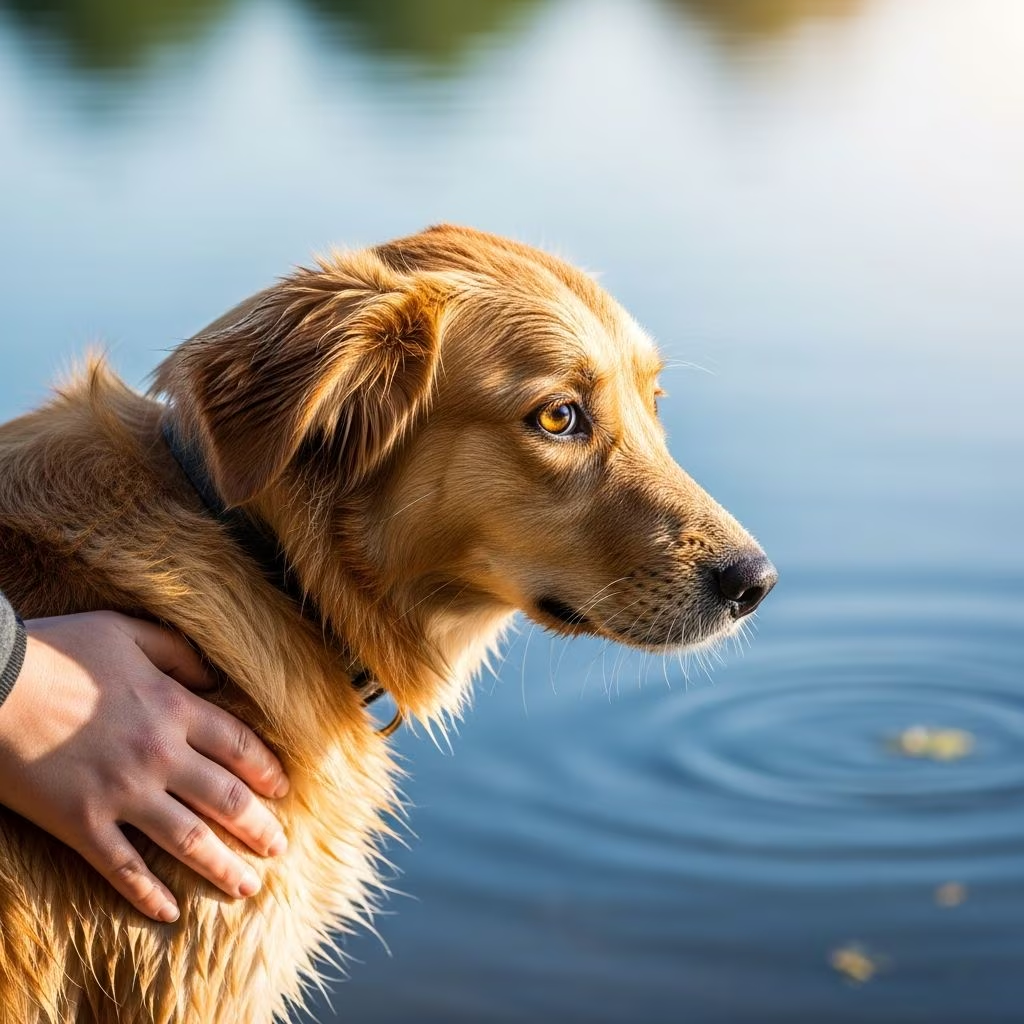
Water anxiety in dogs is a common behavioral concern that affects many pet owners, particularly when bathing becomes necessary or outdoor activities involve water exposure. Unlike the Hollywood misconception linking water fear to rabies—which is extremely rare in dogs—genuine canine aquaphobia stems from various psychological and environmental factors. Understanding the root causes of your dog’s water aversion is the first step toward implementing effective solutions that will reduce stress for both you and your pet.
Recognizing Water Anxiety in Your Dog
Water anxiety manifests differently across individual dogs, ranging from mild reluctance to extreme panic responses. Identifying the specific signs your dog displays will help you gauge the severity of the issue and determine whether professional intervention is necessary.
Common behavioral indicators include:
- Attempts to escape or hide when water is introduced
- Trembling, shaking, or freezing in place
- Excessive drooling or rapid panting
- Vocalization through whining, whimpering, or barking
- Tail tucking between the hind legs
- Resistance to being led toward bathing areas or puddles
- Refusal to venture outdoors during rain or wet weather
- Aggressive behavior such as snapping or growling near water
These physical and behavioral responses indicate genuine distress rather than simple stubbornness. Your dog’s nervous system is triggering a fight-or-flight response, and recognizing this will help you approach the situation with empathy rather than frustration.
Primary Factors Contributing to Water Aversion
Traumatic Water Experiences
One of the most significant contributors to canine water anxiety is a previous negative incident. Traumatic experiences such as near-drowning incidents, unexpected submersion, or being caught in strong currents can create lasting psychological impressions. Even less severe incidents—like slipping on wet surfaces, water entering the nose during bathing, or being forcibly submerged—can establish negative associations with water that persist for years.
Dogs possess excellent memory for negative experiences, and a single traumatic event can solidify their water aversion for an extended period. This psychological impact requires patient, gradual reintroduction rather than forced exposure, which typically worsens anxiety.
Insufficient Early Socialization
Dogs that haven’t been exposed to water during their critical developmental period—typically between 3 and 14 weeks of age—often develop apprehension toward aquatic environments. Early, positive water experiences create neural pathways that help dogs view water as a normal, non-threatening element of their environment.
Puppies introduced gradually to water in controlled, pleasurable circumstances develop confidence around it. Conversely, puppies with limited water exposure may develop uncertainty or fear when first encountering it later in life. This early window of opportunity makes puppy socialization programs particularly valuable for preventing water anxiety from developing.
Breed-Specific Predispositions
Certain dog breeds demonstrate greater natural inclination toward water aversion. Small companion breeds such as Chihuahuas, toy breeds, and certain terrier breeds tend to show higher rates of water anxiety. Additionally, brachycephalic breeds—those with shortened muzzles like Pugs, Shih Tzus, and French Bulldogs—face legitimate health concerns around water exposure due to increased risk of respiratory complications.
For these breeds, water anxiety may actually reflect genuine physical vulnerability rather than pure psychological fear. Their respiratory systems make them prone to complications when water enters their nasal passages, making their caution somewhat protective. Understanding whether your dog’s breed has inherent physical concerns can help you distinguish between manageable anxiety and legitimate health-related avoidance.
Sensory Sensitivities and Noise
Dogs perceive water-related sounds differently than humans do. The sound of running water, rainfall during thunderstorms, or the splashing associated with bathing can startle sensitive dogs and create fear associations. Some dogs develop water anxiety specifically tied to storm sounds rather than water itself, with the thunderstorm serving as the primary trigger.
Additionally, the sensation of water on sensitive areas—particularly around the face, ears, and eyes—can feel overwhelming to dogs with heightened sensory processing. Introducing water gradually to less sensitive body areas first allows your dog to acclimate at their own pace.
Medical and Physical Considerations
While psychological factors comprise the majority of water anxiety cases, certain medical conditions can influence a dog’s willingness to interact with water. Joint pain from arthritis, particularly affecting the neck, back, or hips, can make lowering the head to drink from a water bowl painful. Post-surgical recovery or recent injuries may cause dogs to avoid movement toward water sources due to generalized discomfort.
Additionally, dental problems, mouth pain, or neurological issues can make the act of drinking or being splashed around the mouth uncomfortable or distressing. If your dog’s water anxiety appeared suddenly rather than gradually, consulting your veterinarian to rule out underlying medical causes is prudent.
Distinguishing Water Anxiety from Other Conditions
It’s important to clarify that behavioral water anxiety differs fundamentally from hydrophobia associated with rabies. While the term “hydrophobia” technically means fear of water, the rabies-related condition involves involuntary throat spasms rather than psychological fear. Rabid animals avoid water because swallowing triggers painful pharyngeal muscle contractions, not because of psychological aversion.
Rabies-induced hydrophobia is extremely rare in domestic dogs and would be accompanied by other severe neurological symptoms such as excessive drooling, fever, behavioral changes, paralysis, and difficulty swallowing. If your dog simply dislikes bathing or puddles but shows no other signs of illness, behavioral water anxiety is the likely explanation.
Effective Desensitization Strategies
Gradual Exposure Protocol
The most effective approach to reducing water anxiety involves systematic desensitization—gradually increasing water exposure in positive contexts. Begin by simply allowing your dog to observe water without direct contact. Leave a water bowl in an accessible area and reward your dog for approaching it.
Progress to touching water with one paw while providing high-value treats and verbal praise. Over multiple sessions spanning days or weeks, gradually increase the body parts exposed to water. This methodical approach prevents overwhelming your dog’s nervous system and allows positive associations to develop naturally.
Environmental Modifications
Elevating water bowls can reduce the physical strain of bending and drinking, particularly for dogs experiencing joint pain or anxiety about lowering their heads. Using room-temperature water rather than cold water may feel less startling to sensitive dogs. Introducing water in familiar, comfortable environments rather than stressful locations like bathing areas helps dissociate water from anxiety-producing contexts.
Behavioral Conditioning Techniques
Counter-conditioning involves pairing water exposure with positive experiences. Offer high-value treats, playful interaction, or favorite toys immediately before and after water contact. Over time, your dog’s brain begins to associate water with positive outcomes rather than threat.
Allowing your dog control over water exposure—choosing whether to enter a shallow kiddie pool, for example—builds confidence and agency. Dogs experiencing anxiety often feel helpless, and providing choices helps restore their sense of control.
When to Seek Professional Assistance
If your dog’s water anxiety severely impacts quality of life—preventing outdoor exercise during rainy weather, creating dangerous situations, or causing extreme distress during necessary grooming—professional intervention may be warranted. Certified animal behaviorists or veterinary behaviorists can develop customized desensitization protocols and, in some cases, recommend anti-anxiety medication to facilitate the training process.
Additionally, if water anxiety appears suddenly in a previously water-comfortable dog, or if it’s accompanied by other concerning symptoms, veterinary evaluation is essential to rule out underlying medical conditions.
Breed-Specific Considerations
For brachycephalic breeds with legitimate respiratory concerns, acceptance of water aversion may be more appropriate than forcing exposure. These dogs’ caution around water often reflects genuine physical vulnerability rather than psychological fear that requires correction. Consulting your veterinarian about breed-specific health factors helps you distinguish between anxiety requiring intervention and protective instincts that merit respect.
Frequently Asked Questions
How long does desensitization typically take?
Timeline varies significantly based on the severity of anxiety, your dog’s individual temperament, and consistency of training. Mild water aversion may improve within weeks, while severe anxiety stemming from trauma may require months of patient, gradual exposure. Each dog progresses at their own pace, and maintaining realistic expectations prevents frustration.
Can water anxiety develop suddenly in adult dogs?
Yes, traumatic incidents can create immediate water anxiety even in previously water-comfortable dogs. Additionally, medical conditions causing pain around the head or mouth area can suddenly make water-related activities unpleasant. Medical evaluation is recommended if anxiety appears suddenly.
Is it harmful to force a fearful dog into water?
Forced water exposure typically worsens anxiety rather than resolving it. Your dog learns that water truly is something to fear because the forced exposure confirms their anxious prediction. Patient, choice-based exposure yields much better long-term outcomes.
Are certain dog breeds more prone to water anxiety?
Yes, small companion breeds and brachycephalic breeds show higher rates of water anxiety, though individual variation within breeds is significant. Some dogs within anxious-prone breeds love water while some within typically water-loving breeds develop aversion.
Should I be concerned about dehydration if my dog avoids drinking?
If your dog refuses water for extended periods, veterinary consultation is important. Dogs can sustain dehydration for several days before serious complications occur, but concerning signs include dry gums, sunken eyes, or loss of skin elasticity. Offering water in elevated bowls or multiple locations may encourage drinking without causing anxiety.
Building Your Dog’s Water Confidence
Resolving canine water anxiety requires patience, understanding, and individualized approaches. By identifying the root cause of your dog’s fear, implementing gradual desensitization techniques, and maintaining empathetic responses to their distress, most dogs can develop improved comfort around water. Remember that your dog’s fear is genuine from their perspective, and meeting them with compassion rather than frustration creates the foundation for meaningful behavioral change. Progress may feel slow, but consistent, positive reinforcement gradually reshapes your dog’s relationship with water.
References
- Hydrophobia in Dogs: Vet-Verified Signs, Causes & Care Guide — Dogster. https://www.dogster.com/dog-health-care/hydrophobia-in-dogs
- Rabies Hydrophobia in Dogs and Cats — Penny Paws. https://pennypaws.com/blog/rabies-hydrophobia-in-dogs-and-cats/
- Water Phobia in Dogs — Cobber Dog Food. https://www.cobberdogfood.com.au/resources/water-phobia-in-dogs/
- Why Does Rabies Cause Hydrophobia — Passport Health USA. https://www.passporthealthusa.com/2024/09/why-does-rabies-cause-hydrophobia/
- Hydrophobia: Symptoms, causes, treatment, and more — Medical News Today. https://www.medicalnewstoday.com/articles/hydrophobia
- 8 Reasons Your Dog Won’t Drink Water & What To Do — Tractive. https://tractive.com/blog/en/good-to-know/my-dog-wont-drink-water
- Why Is My Dog Scared of Drinking Water: Understanding the Causes and Solutions — UAH Pet. https://www.uahpet.com/blogs/post/why-is-my-dog-scared-of-drinking-water-understanding-the-causes-and-solutions/
- Why is my dog suddenly scared of his water bowl and how can I… — Dial a Vet. https://www.dialavet.com/vet-answers/dog-scared-water-bowl-30898



