

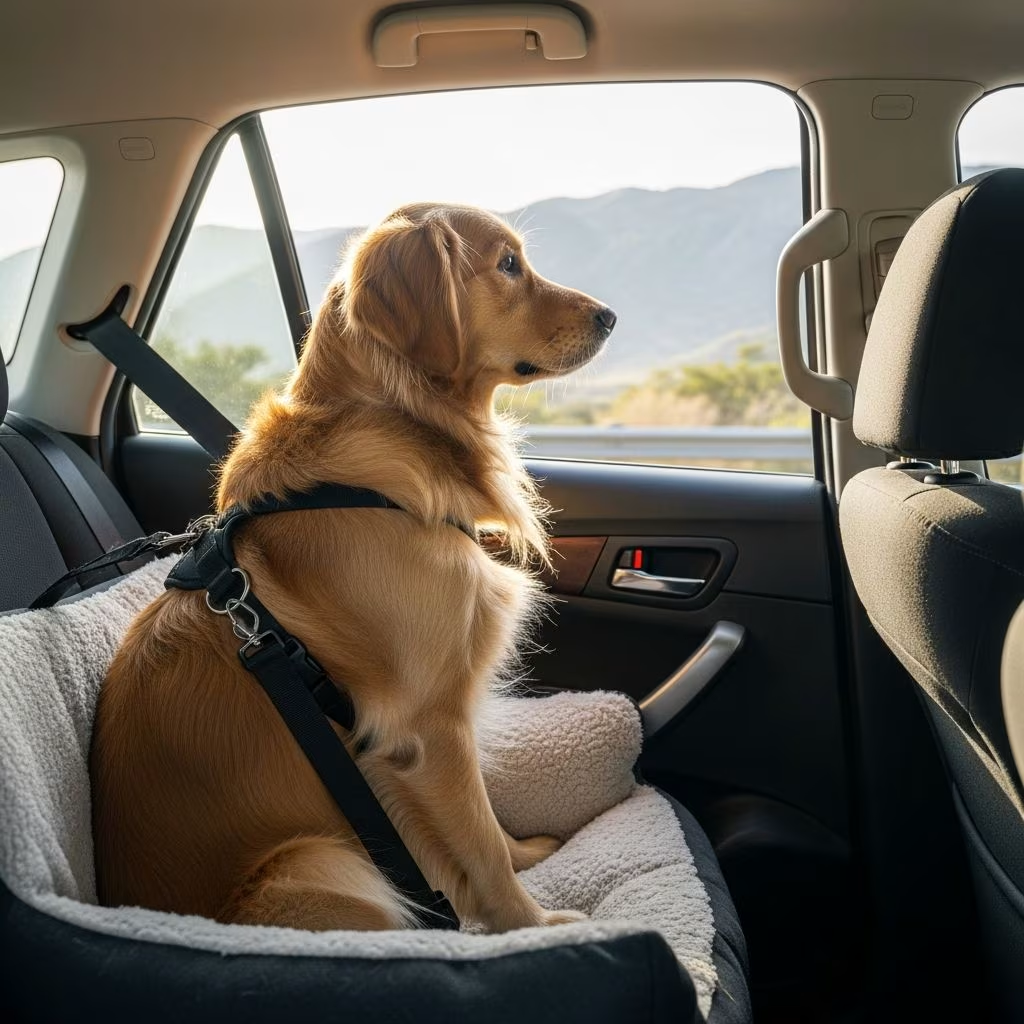
Traveling with dogs presents unique challenges for pet owners. Whether your canine companion views car rides as an exciting adventure or dreads every moment behind the wheel, understanding how to manage vehicle travel safely and comfortably is essential. This guide explores the multifaceted aspects of transporting dogs by automobile, from selecting appropriate restraint systems to addressing behavioral and physiological concerns.
Understanding Your Dog’s Relationship with Vehicle Travel
Dogs exhibit a wide spectrum of responses to automobile travel. Some animals naturally enjoy the experience, viewing it as an opportunity for exploration and companionship. Others experience genuine distress, ranging from mild anxiety to severe motion sickness. Understanding where your particular dog falls on this spectrum allows you to tailor your approach appropriately.
The foundation of successful vehicle travel begins with recognition that dogs may feel vulnerable or disoriented when confined to a moving vehicle. Their sensory experiences differ dramatically from yours—motion, unfamiliar sounds, and changing atmospheric pressure can all contribute to discomfort or fear. Additionally, some dogs possess a predisposition toward motion sickness that requires specific management strategies.
Physical Restraint Systems: Selecting the Right Option
The primary consideration for any vehicle journey with a dog involves proper restraint. Unrestrained animals pose significant dangers to themselves, their human companions, and other road users. When a vehicle encounters sudden deceleration or collision, an unsecured dog becomes a projectile, potentially causing serious injury or death.
Harnesses and Seat Belt Systems
Vehicle-specific harnesses represent one of the most effective restraint options for many dog owners. Unlike walking harnesses, automotive harnesses are engineered to distribute forces across a dog’s body during sudden stops or impacts. These systems integrate with your vehicle’s existing seat belt mechanisms, creating a secure attachment point that prevents forward movement while allowing limited positional adjustment.
Quality automotive harnesses typically feature reinforced stitching, adjustable straps for proper fit, and universal seat belt compatibility. When selecting a harness, ensure it fits snugly without restricting breathing or movement excessively. A properly fitted harness should allow your dog to sit, stand, and lie down—though research suggests that sitting or standing positions provide superior spinal protection compared to reclined postures during sudden stops.
Crates and Carriers
Crates and carriers provide an enclosed environment that confines movement entirely while distributing impact forces across the entire structure. This option proves particularly beneficial for smaller dogs or animals prone to anxiety, as the enclosed space can create a sense of security and reduce visual stimulation.
Carrier selection requires attention to size specifications. Your dog should have sufficient room to stand, rotate 360 degrees, and recline completely. Undersized carriers restrict movement uncomfortably, while oversized options fail to provide adequate support during vehicular movement. Additionally, carriers must be anchored securely—either to seat belts on rear passenger seats or through additional tie-down mechanisms in cargo areas.
Material composition matters significantly for safety. Plastic and metal crates offer superior structural integrity compared to fabric carriers, though lighter-weight options may suffice for short trips in low-risk scenarios. Centers specializing in pet safety research have conducted rigorous crash testing on commercially available crates, revealing that many products marketed as “crash-tested” fail to meet adequate safety standards.
Vehicle Positioning and Airbag Considerations
Placement within the vehicle substantially impacts your dog’s safety during travel. Front-seat positioning exposes dogs to significant airbag deployment hazards. During collisions, airbags inflate with tremendous force—adequate protection for human passengers but potentially fatal for animals. The American Kennel Club recommends backseat placement exclusively, either in the rear passenger area or cargo section, depending on your vehicle’s configuration.
Within the backseat, positioning your dog toward the vehicle’s center rather than adjacent to windows provides additional protection during side-impact collisions. This positioning also reduces the likelihood of your dog becoming distracted by external stimuli or attempting to exit through windows during travel.
Preparation Strategies for Successful Travel
Gradual Acclimation
Dogs benefit tremendously from graduated exposure to vehicle environments. Beginning with brief, low-stress trips of five to ten minutes allows your dog to develop familiarity with vehicle sensations before attempting longer journeys. Gradually extending trip duration over weeks or months enables nervous dogs to build confidence progressively.
Initial trips should conclude with positive experiences—perhaps a brief walk in a park or receipt of high-value treats. This approach creates positive associations with vehicle travel, gradually reconditioning anxious responses into neutral or positive ones.
Nutritional Timing
Feeding schedules significantly influence motion sickness susceptibility. Providing a substantial meal immediately before travel increases the likelihood of vomiting or nausea. Instead, feed your dog three to four hours prior to departure, allowing adequate digestion time before vehicular movement. During long journeys, stop periodically to provide small amounts of food and water rather than feeding in the moving vehicle.
Exercise Before Departure
A well-exercised dog typically demonstrates reduced anxiety and restlessness during vehicle confinement. A brisk walk or play session before travel depletes excess energy, promoting relaxation during transit. This approach proves particularly effective for high-energy breeds prone to agitation in confined spaces.
Essential Preparations and Emergency Equipment
Traveling with dogs requires assembling a comprehensive collection of emergency and comfort items:
- Copies of veterinary records and proof of current vaccinations, crucial if unexpected veterinary care becomes necessary
- Prescribed medications in adequate quantities, clearly labeled with dosage instructions
- Current identification tags attached to collars, plus verification that microchip registration information matches current contact details
- Portable water bowls and fresh water to prevent dehydration during extended travel
- Appropriate food quantities to maintain regular feeding schedules
- First-aid supplies specifically assembled for animal emergencies
- Comfort items such as familiar bedding or toys that provide psychological security
Additionally, carrying recent photographs of your dog proves invaluable if separation occurs during travel. Digital and printed photos assist in recovery efforts and provide verification to authorities or veterinary professionals.
Behavioral Management During Transit
Minimizing Distraction
Dogs moving freely within vehicles create serious driver distractions. A suddenly excited, anxious, or playful dog jumping between seats or attempting to access the front compartment demands driver attention precisely when focus on roadway conditions proves essential. Proper restraint systems eliminate this distraction source entirely, allowing drivers to concentrate exclusively on vehicular operation.
Window and Climate Considerations
While many dogs enjoy looking out windows, excessive window access creates risks. Unsecured dogs may attempt to exit windows, particularly when startled or overstimulated by external stimuli. Additionally, wind force striking a dog’s face and ears at highway speeds can cause temporary hearing disruption or eye irritation.
Climate control within vehicles becomes particularly critical during warm weather. Even with windows partially open, vehicles heat rapidly in direct sunlight. Never leave dogs unattended in parked vehicles, as internal temperatures can become lethal within minutes, even on moderately warm days.
Addressing Motion Sickness and Anxiety
Some dogs experience genuine motion sickness triggered by vehicular movement, characterized by drooling, nausea, vomiting, or diarrhea. Various management strategies can reduce these symptoms, including positioning in rear seating areas where motion sensation proves less intense, administering prescribed anti-nausea medications prior to travel, or positioning the restraint system to minimize head movement.
Anxiety manifests differently than motion sickness, typically involving whining, panting, trembling, or attempts to escape restraints. Anti-anxiety medications prescribed by veterinarians may prove beneficial for severely anxious dogs, particularly for essential long-distance travel where acclimation strategies have proven ineffective.
Frequently Asked Questions
What is the most effective restraint method for dogs?
Research and crash-testing data indicate that properly secured crates or carriers provide superior protection compared to other restraint systems, particularly for sudden-impact scenarios. However, well-fitted automotive harnesses represent an excellent alternative, particularly for dogs whose dispositions resist crate confinement.
Can my dog ride unrestrained in the backseat?
Unrestrained dogs pose substantial risks to vehicle occupants and themselves. During sudden stops or collisions, unrestrained animals become projectiles capable of causing serious injury. Legal requirements vary by jurisdiction, with many regions mandating animal restraint during transit.
How can I help my dog acclimate to vehicle travel?
Graduated exposure through progressively longer trips, paired with positive reinforcement and comfortable restraint systems, typically proves most effective. Pairing vehicle rides with enjoyable destinations strengthens positive associations gradually.
Is it safe to travel with puppies?
Puppies require the same restraint precautions as adult dogs, though their smaller size often makes carriers more appropriate than harnesses. Ensure vaccination records are current before exposing puppies to public areas during travel stops.
What should I do if my dog experiences motion sickness?
Consult your veterinarian about anti-nausea medications, adjust feeding schedules appropriately, and consider positioning your dog in vehicle areas experiencing minimal motion. Some dogs respond favorably to smaller, more frequent travel experiences rather than extended journeys.
Long-Distance Travel Considerations
Extended journeys require planning beyond immediate vehicle safety. Identify dog-friendly accommodations in advance if overnight stops are necessary. Plan regular stops every two to three hours for bathroom breaks, hydration, and leg stretching. Research veterinary facilities along your planned route in case emergency medical situations arise.
Never leave dogs unattended in vehicles during stops, even briefly. Hotel rooms should be examined for escape routes before releasing your dog indoors. Always maintain updated identification and vaccination records during extended travel.
Professional Transportation Options
For dogs with severe travel anxiety or health conditions complicating vehicle transport, professional pet transportation services provide viable alternatives. These services employ trained handlers experienced in managing anxious animals during transit. While more expensive than personal vehicle transport, professional services eliminate owner stress and ensure trained supervision throughout the journey.
Creating Positive Travel Experiences
Successful vehicle travel depends partly on your own demeanor. Dogs readily sense owner anxiety or frustration, potentially exacerbating their own behavioral responses. Remaining calm, maintaining consistent routines around vehicle preparation, and celebrating successful trips—regardless of duration—reinforces positive associations gradually.
Remember that each dog possesses unique preferences, tolerances, and anxieties. Strategies effective for one animal may prove inadequate for another. Patience, consistent practice, and willingness to adjust your approach based on your dog’s individual responses create the foundation for stress-free automotive travel.
References
- How to Keep Your Dog Comfortable During Car Rides — American Kennel Club (AKC). https://www.akc.org/expert-advice/travel/dog-comfortable-car-rides/
- Car Safety for Dogs and Cats — Progressive Insurance. https://www.progressive.com/answers/pet-safety-in-cars/
- Car Travel With Pets: 10 Tips for Safety and Security — WebMD Pets. https://www.webmd.com/pets/dogs/how-to-travel-with-your-dog
- Road Trip Tips: How to Improve Dog Safety in the Car — Freshpet. https://www.freshpet.com/blog/travel-safety-tips-for-dogs
- Crucial Tips for Dog Safe Car Travel — McCann Dogs. https://www.mccanndogs.com/blogs/articles/crucial-tips-for-dog-safe-car-travel
- The Safest Way to Travel with Dogs — Animal Humane Society. https://www.animalhumanesociety.org/resource/safest-way-travel-dogs



