

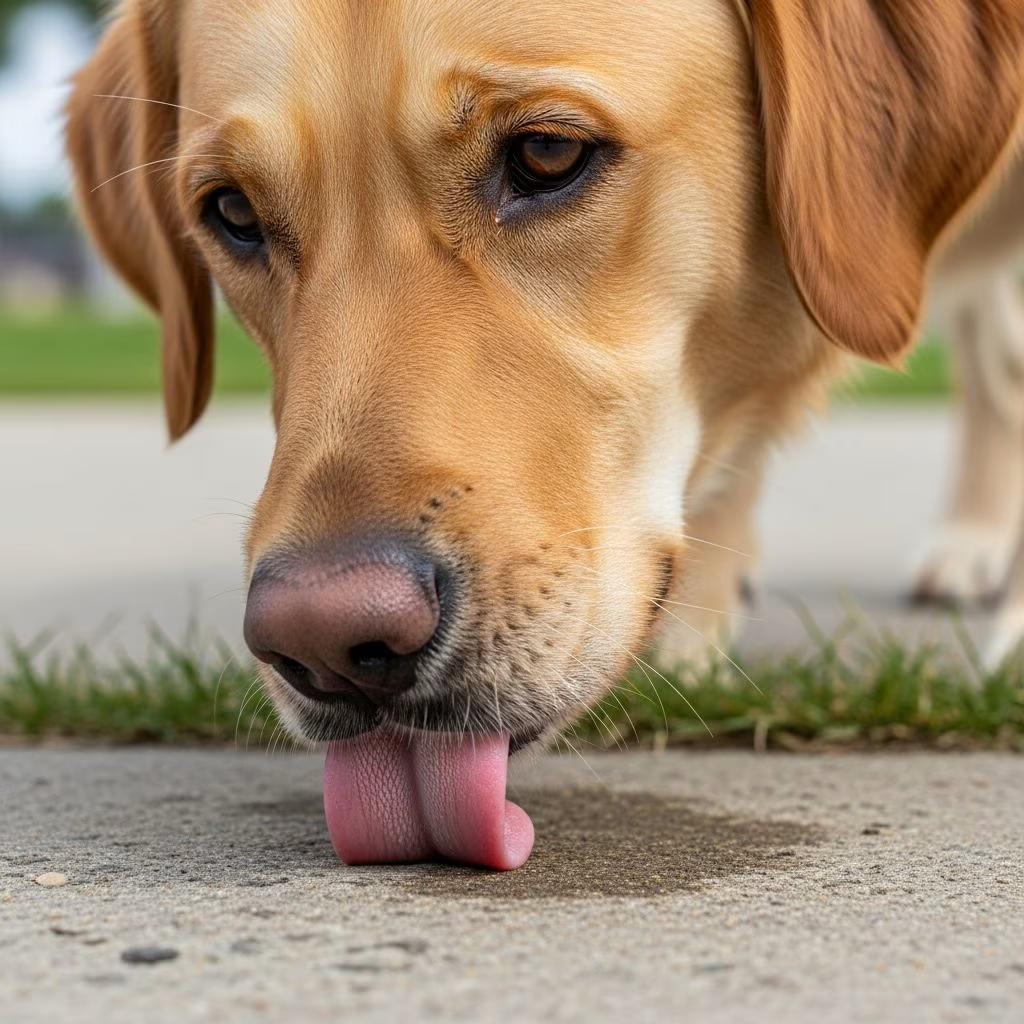
Observing your dog engage in urine licking can be unsettling for pet owners, yet this behavior stems from a variety of legitimate physical and psychological factors. Rather than dismissing this activity as purely disgusting or abnormal, understanding the underlying causes helps pet owners identify potential health concerns and address behavioral patterns effectively. Dogs process their environment through sensory mechanisms vastly different from humans, making behaviors that seem repulsive to us perfectly natural from a canine perspective.
Physiological Drivers Behind Urine Consumption
When dogs consume their own urine, the motivations are frequently rooted in basic physical needs or medical complications. Recognizing these physiological triggers is the first step toward determining whether veterinary intervention is necessary.
Insufficient Fluid Intake and Thirst
One of the most straightforward explanations for urine licking involves inadequate hydration. When dogs experience dehydration, their bodies seek moisture from any available source. Unlike humans, who possess cultural and learned aversions to consuming urine, dogs lack these psychological barriers. To a dehydrated dog, urine represents an available liquid source, and their survival instincts override any aesthetic considerations. This behavior commonly emerges during hot weather, after extended physical activity, or when fresh water access is limited. Ensuring consistent access to clean drinking water throughout the day is a fundamental preventive measure.
Metabolic Disorders and Excessive Thirst
Certain endocrine and metabolic diseases trigger increased thirst, which subsequently elevates the likelihood of urine consumption. Cushing’s syndrome, though relatively uncommon in dogs, produces excessive thirst and frequent urination as primary symptoms. The increased urination frequency creates more opportunities for indoor accidents, which compounds the behavioral cycle. Similarly, diabetes and other systemic conditions that cause polydipsia (excessive drinking) may inadvertently increase urine licking incidents. When a dog suddenly demonstrates behavioral changes alongside increased water consumption, professional veterinary evaluation becomes essential to rule out underlying disease processes.
Bacterial Infections of the Urinary System
Urinary tract infections (UTIs) generate discomfort and alterations in normal urinary function. These infections increase urination frequency and urgency, while simultaneously elevating thirst levels. Additional clinical signs accompanying UTIs include blood-tinged urine, fever, involuntary urination, and cloudy appearance to the urine. The combination of increased urination frequency and heightened thirst creates ideal conditions for urine licking behavior to manifest. Bacterial infections warrant prompt veterinary treatment with appropriate antibiotics to resolve both the infection and associated behavioral symptoms.
Urinary Calculi and Bladder Dysfunction
Bladder stones and crystal formations cause straining during urination and frequent urination episodes. Dogs experiencing these urinary complications may engage in extended licking of the genital area following urination or between elimination events. The discomfort associated with passage of urine through an irritated or obstructed urinary tract drives this behavioral response. Veterinary diagnosis typically involves urinalysis and imaging studies to identify crystal composition and stone location.
Psychological and Emotional Factors
Beyond strictly medical causes, emotional and psychological states significantly influence urine-related behaviors in domestic dogs.
Guilt-Driven Cleanup Behavior
Dogs that achieve reliable house-training often retain awareness of appropriate elimination locations. When these well-trained dogs are forced to eliminate indoors—whether due to extended periods without bathroom access or underlying medical incontinence—they may attempt to conceal evidence of their accident. This guilt-driven response involves licking up the urine to remove physical traces of the transgression. Such behavior primarily occurs in reliably housetrained dogs experiencing infrequent accidents, distinguishing it from compulsive or habitual urine licking.
Age-Related Incontinence
Senior dogs commonly experience age-related incontinence due to weakening of urinary sphincter muscles and declining cognitive function. When elderly dogs have involuntary accidents indoors, they may lick up the urine out of their ingrained housetrain conditioning. This represents a combination of both psychological (shame response) and physiological (medical incontinence) factors interacting simultaneously.
Environmental Stress and Behavioral Pica
Pica—the consumption of non-food items or inappropriate substances—can manifest as urine licking when dogs experience environmental stressors or chronic boredom. The causes underlying pica remain incompletely understood, though research suggests links to psychological distress and nutritional imbalances. Dogs seeking specific minerals or nutrients to correct dietary deficiencies may engage in aberrant consumption behaviors. Additionally, parasitic infestations, thyroid dysfunction, and other endocrine disorders can trigger pica-related behaviors including urine consumption. Environmental enrichment, appropriate exercise, and stress reduction techniques may help address behaviorally-driven urine licking.
Reproductive and Communicative Motivations
When dogs lick the urine of other dogs—a distinct behavior from consuming their own urine—the motivations revolve around social communication and reproductive status assessment.
Chemical Communication Through Scent Analysis
Dogs possess a specialized sensory organ called the vomeronasal organ, also known as Jacobson’s organ, located within the nasal septum. This organ detects pheromones and chemical signals present in urine with extraordinary sensitivity. By licking and tasting another dog’s urine, canines access detailed olfactory information about the depositing dog’s identity, gender, neuter status, and even emotional state. This chemical communication system allows dogs to build a comprehensive “smell memory” profile, meaning subsequent encounters with the same dog feel familiar and less threatening. In social contexts, this behavior facilitates pack dynamics and reduces aggressive territorial responses.
Submissive Pack Behavior
Within multi-dog households or pack environments, urine licking may reflect social hierarchy displays. Subordinate dogs showing increased interest in dominant dogs’ urine communicate deference and acceptance of the established social structure. This ritualized behavior reinforces pack cohesion and reduces competitive tensions by explicitly acknowledging dominance relationships.
Sexual and Reproductive Signaling
Intact male dogs demonstrate intense interest in the urine of females in estrus. The pheromones and estrogen detected in reproductive-status urine trigger hormonal and behavioral responses in unneutered males, including increased testosterone production and sexual arousal. These males exhibit visible signs of excitement including vocalization, trembling, hyperactivity, and obsessive urine-tracking behavior. From a biological perspective, this behavior represents normal reproductive drive, though from an ownership perspective, neutering effectively eliminates these sexually-motivated behaviors.
Associated Health Conditions and Complications
Beyond primary causes, several secondary conditions can emerge or accompany urine licking behaviors, requiring comprehensive veterinary assessment.
Skin Infections and Allergic Reactions
Excessive licking of the genital area, whether driven by urine consumption or direct urogenital licking, can lead to secondary skin infections. Environmental and food allergies frequently manifest as itching in genital and anal regions, prompting increased licking. Food allergies typically cause year-round itching, while environmental allergies demonstrate seasonal patterns correlated with specific pollens or plants. Distinguishing between primary allergic disease and secondary behavioral responses to allergic symptoms guides appropriate treatment planning.
Anal Gland Complications
Dogs possess two anal glands adjacent to the rectum that normally express themselves during bowel movements. Impaction occurs when gland fluid becomes excessively thick, preventing normal emptying. Impacted glands become swollen, emit pungent odors, and cause significant irritation, driving dogs to lick the rectal region or exhibit scooting behavior. If left untreated, anal gland impaction progresses to infection, potentially advancing to abscess formation requiring surgical intervention. Manual evacuation by veterinary professionals provides immediate relief and prevents serious complications.
Diagnostic Approach and Veterinary Evaluation
Determining the underlying cause of urine licking requires systematic veterinary assessment combining physical examination, laboratory testing, and behavioral observation.
Initial Physical Examination
Veterinarians begin by assessing overall health status, body condition, hydration level, and genital/anal region appearance. Observable signs including discharge, swelling, discoloration, pustules, or foul odors provide diagnostic clues indicating specific pathology.
Laboratory and Diagnostic Testing
Urinalysis represents the primary diagnostic tool for evaluating urine-related behaviors. This test reveals evidence of infection, blood presence, urinary crystals, and inflammatory markers. Additional testing may include complete blood work to assess kidney function, glucose levels, and endocrine hormone concentrations. Imaging studies (ultrasound or radiography) help identify urinary stones, anatomic abnormalities, or prostate disorders.
Behavioral Assessment
Distinguishing between medical and behavioral causes requires observing the frequency, timing, and context of urine licking. Dogs licking due to medical conditions typically exhibit other clinical signs including excessive drinking, frequent urination, incontinence, or lethargy. Pure behavioral cases often show normal general health with licking confined to specific situations or times.
Treatment Strategies and Management
Management approaches vary based on underlying cause determination.
Medical Treatment Protocols
- Urinary tract infections respond to appropriate antibiotic therapy
- Urinary stones may require dietary modification, increased water intake, or surgical removal
- Endocrine disorders necessitate specific pharmaceutical management
- Anal gland impaction responds to manual evacuation and sometimes antibiotics if infection develops
Behavioral and Environmental Modifications
- Ensure consistent access to fresh, clean water throughout the day
- Provide frequent bathroom breaks, particularly for senior dogs or those with incontinence
- Increase environmental enrichment through interactive play, puzzle toys, and mental stimulation
- Reduce environmental stressors through consistent routines and anxiety management
- Consider neutering or spaying to eliminate reproductive-driven behaviors
Nutritional Considerations
Dogs experiencing nutritional deficiencies may benefit from dietary modifications addressing mineral or micronutrient gaps. Consulting with veterinary nutritionists can identify dietary factors contributing to pica or aberrant consumption behaviors.
Frequently Asked Questions
Is it dangerous for dogs to consume their own urine?
While urine itself isn’t toxic, consuming urine suggests underlying health issues or behavioral problems warranting veterinary evaluation. The behavior itself is not immediately dangerous, but addressing root causes prevents progression of underlying conditions.
Why do dogs lick other dogs’ urine during walks?
Dogs lick other dogs’ urine to gather chemical information about the other dog’s identity, gender, reproductive status, and health condition through their specialized vomeronasal organ. This is normal canine communication behavior.
Can dehydration alone cause urine licking?
Yes, severely dehydrated dogs may consume their own urine as an available moisture source. Ensuring adequate fresh water access typically resolves this behavior.
When should I contact a veterinarian about urine licking?
Contact your veterinarian if your dog suddenly begins licking urine, if the behavior occurs frequently, or if accompanied by other signs including excessive drinking, frequent urination, accidents indoors, fever, or lethargy.
Does neutering stop dogs from licking other dogs’ urine?
Neutering eliminates sexually-motivated urine licking in intact males but does not eliminate the normal communicative licking behavior driven by the vomeronasal organ.
Summary and Prevention Recommendations
Urine licking in dogs encompasses medical, behavioral, and communicative dimensions requiring individualized assessment. While the behavior may seem repugnant to human observers, dogs engage in urine consumption or licking for entirely rational reasons rooted in physiology, emotion, or social communication. Systematic evaluation including veterinary examination and appropriate diagnostic testing identifies underlying causes, enabling targeted treatment addressing root problems rather than merely suppressing symptoms. Preventive measures including consistent fresh water access, regular bathroom breaks, stress reduction, and appropriate medical care substantially reduce the incidence of problematic urine-related behaviors. Understanding that this behavior represents communication rather than deviance allows pet owners to respond compassionately while addressing legitimate health or behavioral concerns.
References
- 5 Reasons Why Dogs Lick Pee & Vet Approved Ways to Stop It — Dogster. 2024. https://www.dogster.com/dog-behavior/reasons-why-dogs-lick-pee
- Why Dogs Lick Their Privates — VCA Animal Hospitals. https://vcahospitals.com/know-your-pet/why-dogs-lick-their-privates
- Excessive Licking, Chewing, and Grooming in Dogs — PetMD. https://www.petmd.com/dog/general-health/excessive-licking-chewing-and-grooming-dogs
- Why Do Dogs Lick Other Dogs’ Pee? Causes & Solutions — Potty Buddy. https://pottybuddy.co/blogs/potty-buddy-blog/why-do-dogs-lick-other-dogs-pee-causes-and-solutions
- Why Do Dogs Lick? — Blue Cross. https://www.bluecross.org.uk/advice/dog/behaviour-and-training/why-do-dogs-lick



