

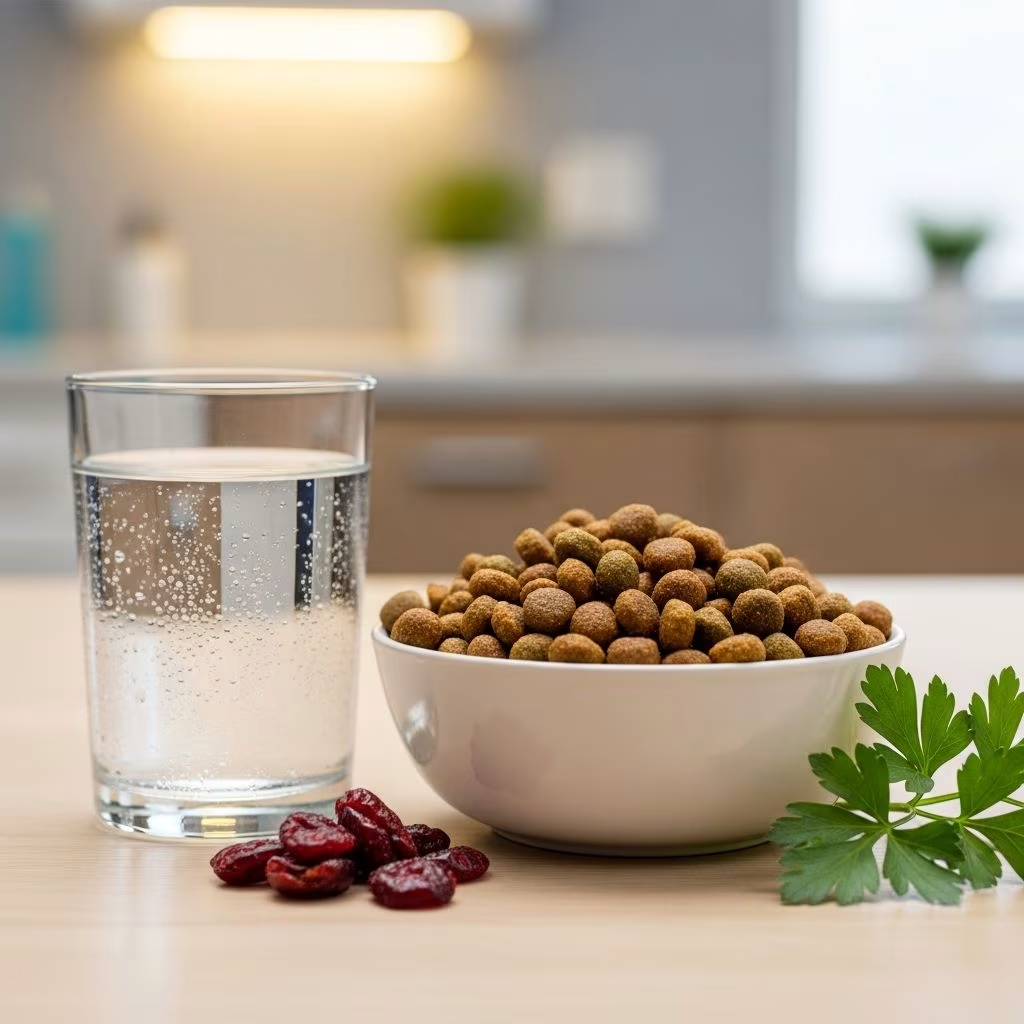
Specialized diets play a crucial role in maintaining urinary health in dogs by addressing common problems like infections and crystal formation through targeted nutrition.
Understanding Urinary Challenges in Dogs
Dogs frequently encounter urinary tract issues that can range from mild discomfort to life-threatening conditions. These problems often stem from bacterial invasions, mineral imbalances, or underlying diseases, affecting dogs of all ages but hitting seniors and females harder due to anatomical factors.
Urinary tract infections (UTIs) occur when bacteria ascend the urethra into the bladder, leading to inflammation known as cystitis. Factors like diabetes, kidney disease, or dehydration exacerbate risks by creating environments ripe for bacterial growth. Bladder stones, formed from crystals such as struvite or calcium oxalate, irritate the tract and promote infections if not managed.
Key Indicators of Urinary Distress
Spotting early signs is vital for timely intervention. Common symptoms include:
- Frequent attempts to urinate with minimal output
- Straining or crying during urination
- Blood-tinged or cloudy urine
- Strong, unpleasant urine odor
- Excessive genital licking
- Indoor accidents despite house-training
- Increased thirst and water intake
- Lethargy, fever, or appetite loss in severe cases
These signs warrant immediate veterinary attention, especially if urination ceases entirely, signaling a potential blockage.
Root Causes Behind Urinary Problems
Several elements contribute to urinary woes:
| Cause | Description | Risk Factors |
|---|---|---|
| Bacterial Infection | Bacteria enter via urethra, multiply in bladder | Female dogs (shorter urethra), poor hygiene |
| Crystals/Stones | Mineral buildup forms irritants or blockages | High-mineral diets, concentrated urine |
| Underlying Diseases | Diabetes, Cushing’s, kidney issues weaken defenses | Seniors, immunocompromised dogs |
| Dehydration | Concentrated urine fosters bacteria/crystals | Low water intake, hot weather |
| Anatomical Issues | Hooded vulva, ectopic ureters hinder flow | Breeds like Bulldogs, Shih Tzus |
Addressing these requires a holistic approach, with diet as a cornerstone.
The Science of Urinary-Supportive Nutrition
Prescription diets for urinary health manipulate urine pH, dilute it, and control minerals to dissolve crystals or prevent recurrence. Acidifying formulas target struvite stones (alkaline-forming), while alkalinizing ones combat oxalate stones (acid-forming). High-moisture content promotes frequent urination, flushing the tract.
Key nutritional strategies include:
- Controlled Protein: Moderate, high-quality sources reduce waste products taxing kidneys.
- Mineral Modulation: Reduced magnesium, phosphorus; added potassium citrate for pH balance.
- Omega-3 Fatty Acids: Anti-inflammatory to soothe irritated tissues.
- Antioxidants: Support immune function against infections.
Studies show these diets can dissolve struvite stones in weeks and cut UTI recurrence by half when paired with antibiotics.
Popular Urinary Health Dog Food Options
Veterinarians often recommend brands like Hill’s Prescription Diet c/d, Royal Canin Urinary SO, or Purina Pro Plan UR, available only via prescription. These feature:
- Urine dilution via high moisture and controlled sodium.
- pH targets of 6.0-6.5 for versatility against multiple crystal types.
- Palatability enhancements for compliance.
Transition gradually over 7-10 days to avoid digestive upset. Monitor via urinalysis every 4-6 months.
Integrating Diet with Daily Care Routines
Nutrition alone isn’t enough; combine with:
- Unlimited fresh water access, perhaps via fountains.
- Regular potty breaks to prevent stasis.
- Clean bedding and hygiene to block bacterial entry.
- Weight management to ease abdominal pressure.
For recurrent cases, probiotics may bolster urinary microbiome, though evidence is emerging.
When to Consult a Veterinarian
Never self-diagnose. Vets use urinalysis, cultures, imaging, or bloodwork to pinpoint issues. Treatments blend antibiotics for infections, surgery for stones, or lifelong diets for chronic conditions. Delays risk kidney damage or sepsis.
FAQs on Dog Urinary Health
Q: Can diet alone cure a dog’s UTI?
A: No, antibiotics are typically needed first; diet prevents recurrence.
Q: Are urinary diets safe long-term?
A: Yes, when vet-monitored, they support overall health without excesses.
Q: What if my dog refuses prescription food?
A: Mix with regular kibble initially or try flavors; consult vet for alternatives.
Q: Do puppies need urinary diets?
A: Rarely, unless predisposed; focus on balanced growth nutrition.
Q: How does breed affect urinary risks?
A: Small breeds like Dachshunds face higher stone risks; monitor accordingly.
Preventive Strategies for Lifelong Urinary Vitality
Proactive steps include annual checkups, balanced commercial diets low in ash, and prompt symptom response. Home-cooked meals risk imbalances, so vet-formulated recipes are safer if needed.
By prioritizing urinary wellness diets and vigilant care, dog owners can significantly enhance their pet’s comfort and longevity.
References
- Bladder Infections In Dogs – Signs & What To Do — Germantown Animal Hospital. 2021-08-16. https://www.germantownah.com/site/blog-memphis-vet/2021/08/16/bladder-infection-dog
- UTIs in Pets: How to Spot the Signs and Prevent Recurring Infections — Providence Veterinary Hospital. N/A. https://providencevetva.com/utis-in-pets-how-to-spot-the-signs-and-prevent-recurring-infections/
- Urine and bladder problems in dogs — PDSA. N/A. https://www.pdsa.org.uk/pet-help-and-advice/pet-health-hub/symptoms/urine-and-bladder-problems-in-dogs
- Dog UTI Signs, Causes and Treatment Costs Explained — CareCredit. N/A. https://www.carecredit.com/well-u/pet-care/uti-in-dogs/
- 8 Common Urinary Problems in Dogs — PetMD. N/A. https://www.petmd.com/dog/conditions/reproductive/8-common-urinary-problems-dogs
- Urinary tract infections — Cornell University College of Veterinary Medicine. N/A. https://www.vet.cornell.edu/departments-centers-and-institutes/riney-canine-health-center/canine-health-topics/urinary-tract-infections



