
Understanding Canine Urinary Tract Infections
Comprehensive guide to recognizing, treating, and preventing UTIs in dogs
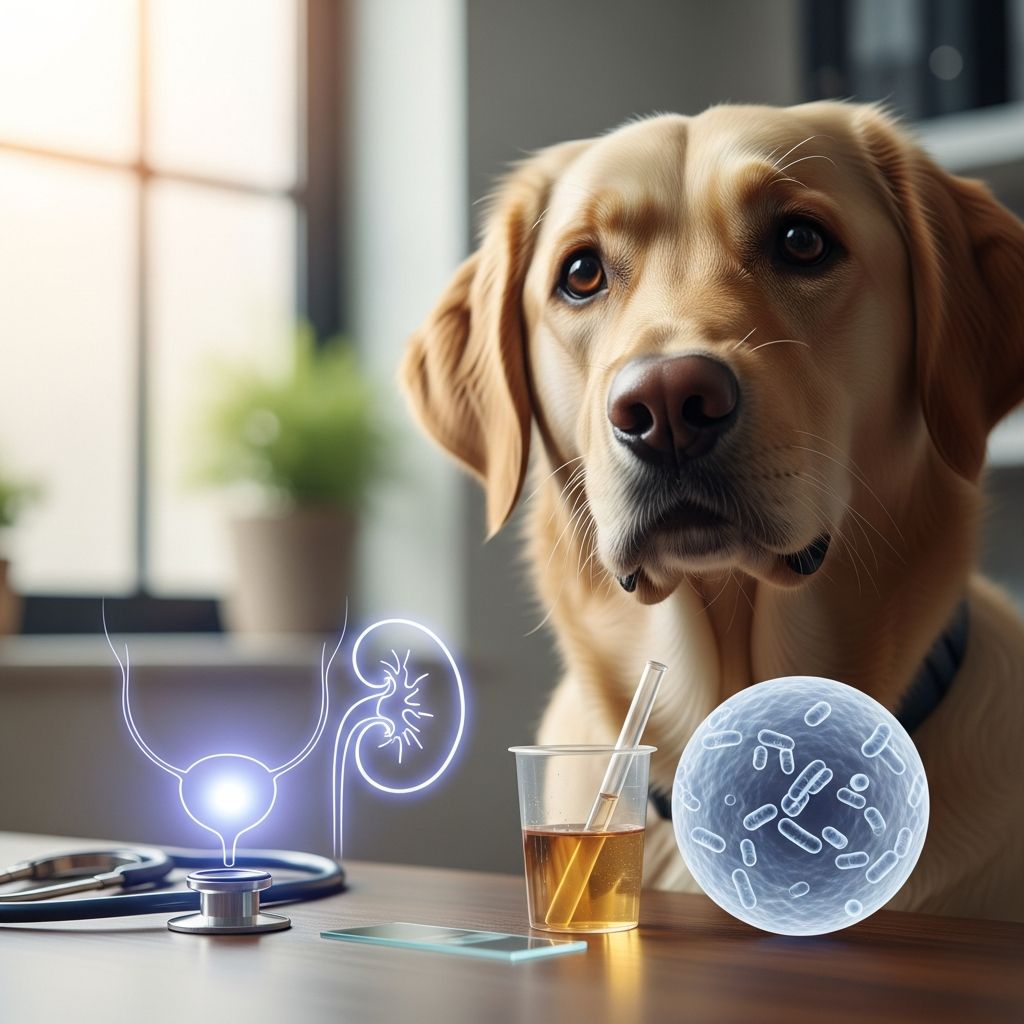
Urinary tract infections represent one of the most frequently encountered health concerns in veterinary medicine, affecting a significant portion of the canine population at various life stages. When bacteria establish themselves within your dog’s urinary system, the resulting infection can cause considerable discomfort and lead to serious complications if left unaddressed. Understanding the manifestations, contributing factors, and preventive measures surrounding this condition empowers dog owners to recognize problems early and seek appropriate veterinary care.
Recognizing the Early Warning Signs
Dogs experiencing urinary tract infections often display behavioral and physical changes that serve as the initial indicators of illness. These signs can vary in intensity and may appear suddenly or develop gradually over time. Recognizing these warning signals is crucial for timely intervention.
Observable Behavioral Changes
One of the most noticeable changes in an infected dog involves urination patterns. Dogs with urinary tract infections typically demonstrate an increased frequency of urination, often requesting access to outdoor spaces more frequently than their established routine<>. This increased urgency may occur both during scheduled bathroom breaks and at unexpected times throughout the day.
Accidents within the home environment represent another significant behavioral indicator, particularly troubling when they occur in previously housetrained animals<>. These indoor incidents differ from the sporadic accidents common in puppies, as they reflect the dog’s inability to maintain continence due to the infection’s irritating effects on the bladder and urethra. Many owners describe this as a sudden regression in house training that warrants immediate investigation.
Physical Symptoms and Bodily Changes
The composition and appearance of your dog’s urine can provide valuable diagnostic clues. Urine affected by infection often exhibits a noticeably strong or foul odor, which becomes apparent when the dog urinates indoors or in confined spaces<>. Additionally, discoloration may occur, with infected urine appearing cloudy, dark, or containing visible blood particles<>.
The physical act of urination becomes uncomfortable for affected dogs, resulting in visible straining and prolonged attempts to urinate<>. Some dogs vocalize their discomfort through whining or crying during elimination, behaviors distinctly different from their normal routine. Excessive licking at the genital region represents another common manifestation, as dogs instinctively attempt to address the irritation and discomfort in this sensitive area<>.
Systemic Indicators of More Severe Infection
When urinary tract infections progress to involve the kidneys, more serious systemic symptoms emerge. Affected dogs may display lethargy and reduced activity levels, appearing less interested in play, walks, or social interaction<>. Loss of appetite often accompanies kidney involvement, with some dogs refusing meals entirely or eating significantly less than normal<>. Fever may develop as the body’s immune system responds to the spreading infection, while gastrointestinal symptoms such as vomiting or diarrhea can also manifest<>.
It is important to note that some dogs with less severe bladder infections experience minimal or no noticeable symptoms, making regular veterinary checkups essential for early detection<>.
Understanding the Root Causes and Risk Factors
Urinary tract infections in dogs result from the invasion and establishment of bacteria within the normally sterile urinary system. Understanding how these infections develop and which factors increase susceptibility helps owners make informed decisions about prevention and care.
The Bacterial Invasion Process
The mechanism of infection begins when bacteria, typically E. coli from fecal matter near the anus, travel upward through the urethra into the bladder<>. Under normal circumstances, the body’s natural defenses—including the immune system and the mechanical action of urination—maintain a sterile environment within the urinary tract. However, when these protective mechanisms are compromised or overwhelmed, bacteria multiply and cause infection<>.
Anatomical Considerations
Female dogs face a substantially higher risk of developing urinary tract infections compared to their male counterparts, with this predisposition rooted in anatomical differences. Female dogs possess a shorter urethra positioned in closer proximity to the anus compared to males<>. This anatomical configuration creates a shorter pathway for bacteria to travel, effectively reducing the distance these microorganisms must traverse to reach the bladder. Consequently, up to 14% of dogs will experience a UTI at some point in their lives, with female dogs representing a disproportionate percentage of these cases<>.
Anatomical abnormalities can further compound the risk. Excessive skin around the female vulva, sometimes described as a hooded vulva, may trap urine within skin folds, creating an environment conducive to bacterial growth and subsequent ascension into the bladder<>.
Predisposing Medical Conditions
Dogs with certain underlying health conditions demonstrate significantly increased susceptibility to urinary tract infections. These conditions compromise the health and function of the urinary system, creating an environment where bacterial colonization becomes more likely.
| Medical Condition | Mechanism of Increased Risk |
|---|---|
| Diabetes Mellitus | Elevated glucose levels in urine promote bacterial growth and may impair immune function |
| Bladder Stones | Physical irritation and inflammation create optimal conditions for bacterial establishment |
| Cushing’s Disease | Hormonal imbalances suppress immune system effectiveness |
| Kidney Disease | Compromised kidney function affects urinary tract health and bacterial defense mechanisms |
| Cancer | Tumors may obstruct urinary flow or directly compromise immune function |
| Urinary Incontinence | Incomplete bladder emptying allows bacterial overgrowth |
Environmental and Lifestyle Factors
Beyond medical conditions, several modifiable factors can influence infection risk. Inadequate hydration concentrates urine, creating a more favorable environment for bacterial multiplication<>. Poor hygiene practices or contamination around the urinary opening increase the likelihood of pathogenic bacteria gaining access to the urethra. Additionally, dogs receiving immunosuppressive medications, chemotherapy, or long-term corticosteroid medications face elevated infection risk due to compromised immune function<>.
The Progression and Potential Complications
While many urinary tract infections remain confined to the bladder, untreated infections can progress to involve the kidneys, resulting in significantly more serious health consequences. Understanding this progression underscores the importance of prompt treatment.
When a bladder infection remains untreated, the causative bacteria can travel upward through the ureters to establish infection within the kidneys themselves<>. Kidney infections represent a more serious manifestation of urinary tract disease, potentially leading to kidney damage, kidney failure, and life-threatening complications if not addressed promptly. The systemic symptoms associated with kidney infection—fever, severe lethargy, vomiting, and loss of appetite—typically present more acutely and severely than those accompanying bladder-only infections.
Additionally, some dogs develop bladder stones in conjunction with their urinary tract infection, creating a cyclical problem wherein the stones promote continued infection while the infection contributes to stone formation<>.
Distinguishing UTIs from Other Urinary Conditions
Several conditions present with symptoms overlapping those of urinary tract infections, and accurate differentiation is essential for appropriate treatment. Urinary incontinence, for example, represents an involuntary loss of urine control where the dog is unaware of urination occurring<>. This differs fundamentally from the active, frequent urination pattern associated with UTIs, where the dog demonstrates clear awareness of urination and exhibits increased urgency.
Increased thirst and urination can also indicate diabetes, kidney disease, or hormonal disorders like Cushing’s disease. This is why veterinary evaluation and diagnostic testing prove essential for accurate identification of the underlying cause.
Prevention Strategies for Long-Term Urinary Health
While some risk factors cannot be modified, dog owners can implement several practical strategies to reduce infection likelihood and support overall urinary tract health.
Hydration and Dietary Support
Adequate water consumption maintains appropriate urine dilution, reducing the concentration of potential pathogens and discouraging bacterial proliferation<>. Ensuring fresh, clean water is available throughout the day encourages regular drinking and supports bladder function. Frequent urination acts as a natural cleansing mechanism, helping flush bacteria from the system before infection can establish.
Regular Veterinary Monitoring
Dogs with diabetes, Cushing’s disease, or other predisposing conditions benefit from regular urinalysis screening to detect infections before symptoms develop<>. Early detection through diagnostic testing allows prompt treatment and prevents progression to more serious kidney involvement.
Hygiene and Environmental Factors
Maintaining cleanliness around the urinary opening and ensuring the genital area remains dry helps reduce bacterial contamination. Regular bathroom breaks allow thorough bladder emptying and reduce urine stasis. For dogs prone to UTIs, additional outdoor access may be beneficial.
Management of Underlying Conditions
Effectively managing diagnosed medical conditions like diabetes or Cushing’s disease significantly reduces UTI risk by restoring normal urinary system function and improving immune competence. Similarly, addressing obesity through appropriate diet and exercise supports overall health and urinary system function.
When to Seek Veterinary Care
Any sudden change in urination patterns, particularly in previously housetrained dogs, warrants veterinary evaluation. Visible blood in urine, straining to urinate, or behavioral changes suggesting discomfort during elimination all necessitate professional assessment. Dogs displaying systemic symptoms such as fever, vomiting, or severe lethargy require urgent veterinary attention, as these may indicate kidney involvement requiring immediate intervention.
The variety and complexity of potential underlying causes contributing to urinary tract infections emphasize the importance of obtaining a thorough veterinary diagnosis rather than assuming the cause<>. This comprehensive approach ensures appropriate treatment and identifies any predisposing conditions requiring separate management.
References
- UTI (Urinary Tract Infection) in Dogs: Symptoms, Causes & Prevention — VEG. Accessed April 2026. https://www.veg.com/post/uti-urinary-tract-infection-in-dogs-symptoms-causes-prevention
- Urinary Tract Infection (UTI) in Dogs — Neighborhood Veterinary Clinic. https://www.neighborhoodvetclinic.com/urinary-tract-infection-uti-in-dogs/
- UTIs in Pets: How to Spot the Signs and Prevent Recurring Infections — Providence Veterinary. https://providencevetva.com/utis-in-pets-how-to-spot-the-signs-and-prevent-recurring-infections/
- 5 Signs of a Urinary Tract Infection in Dogs — Animal Care Center. https://www.animalcarectr.com/blog/5-signs-of-a-urinary-tract-infection-in-dogs
- A Pet Owner’s Guide to Urinary Tract Infections in Dogs — Vetster. https://vetster.com/en/wellness/a-pet-owner-s-guide-to-urinary-tract-infections-in-dogs
- Urinary Tract Infections (UTIs) in Dogs — VCA Animal Hospitals. https://vcahospitals.com/know-your-pet/urinary-tract-infections-utis-in-dogs
- Dog UTI Signs, Causes and Treatment Costs Explained — CareCredit. https://www.carecredit.com/well-u/pet-care/uti-in-dogs/
- UTIs in Dogs — Small Door Veterinary. https://www.smalldoorvet.com/learning-center/medical/utis-in-dogs
- Urinary Tract Infections — Cornell University College of Veterinary Medicine Riney Canine Health Center. https://www.vet.cornell.edu/departments-centers-and-institutes/riney-canine-health-center/canine-health-topics/urinary-tract-infections
Similar Articles








Read full bio of Sneha Tete




