

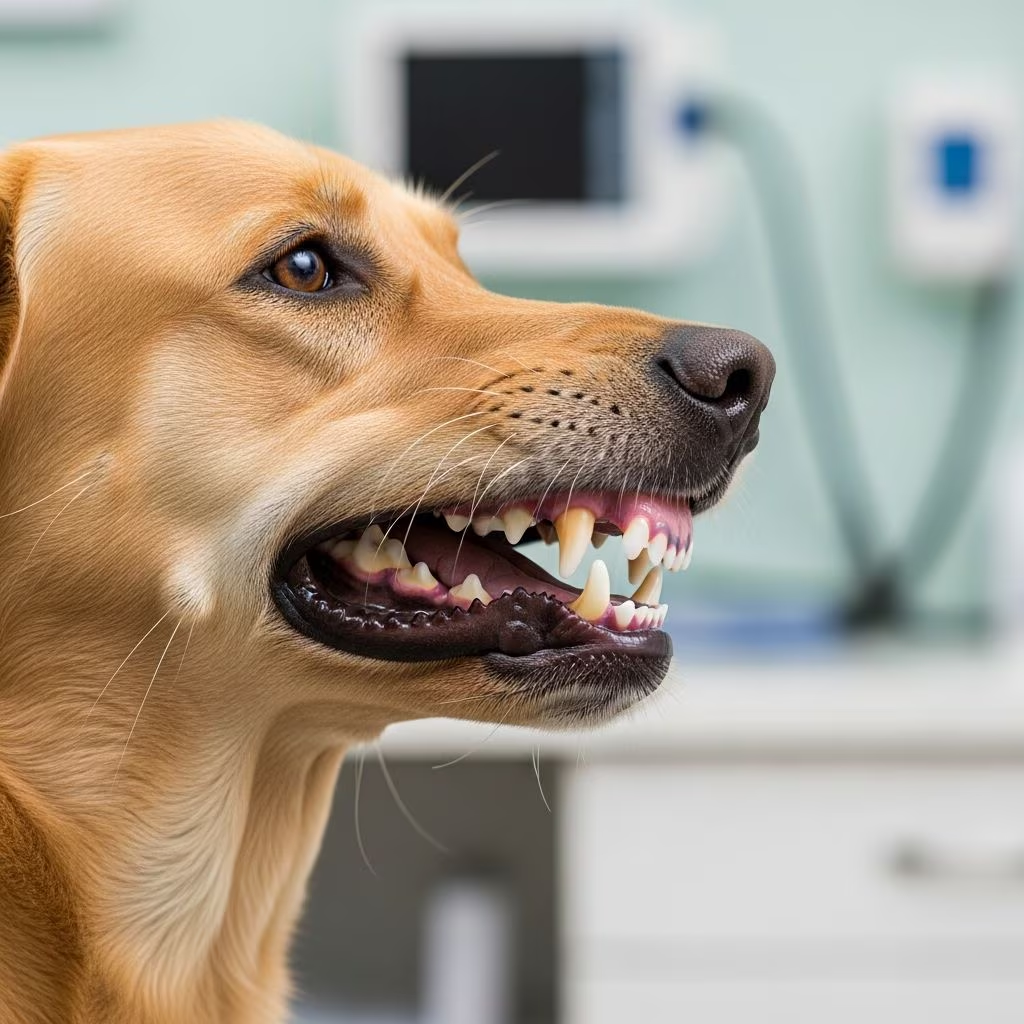
Dental misalignment, commonly known as an underbite or malocclusion, affects many dogs and can range from a minor appearance concern to a significant health issue. An underbite occurs when the lower jaw extends beyond the upper jaw, causing the teeth to meet abnormally. While some dogs with mild underbites live entirely normal lives without intervention, others experience pain, difficulty eating, or soft tissue trauma that requires professional treatment. Understanding the available options can help pet owners make informed decisions about their dog’s oral health and quality of life.
Understanding Canine Underbites and When They Require Action
Not every underbite demands immediate intervention. Many dogs with dental misalignment experience no pain or functional difficulties and can thrive without treatment. However, when an underbite creates active problems—such as tooth-to-soft tissue contact, difficulty consuming food, or oral pain—veterinary attention becomes important. The decision to pursue treatment depends on several factors including the severity of the misalignment, your dog’s age, the specific teeth involved, and whether the condition is causing observable discomfort or health complications.
Puppies sometimes develop temporary misalignments that self-correct as permanent teeth erupt and the jaw continues growing. This is why early assessment by a veterinary dentist is valuable—professionals can distinguish between transient alignment issues and persistent problems requiring intervention. Young dogs experiencing traumatic contact points between teeth and soft tissues benefit most from early treatment, as addressing these issues prevents chronic pain and potential complications.
Initial Assessment and Diagnostic Evaluation
Proper diagnosis forms the foundation of any effective treatment plan. Veterinary dentists conduct thorough oral examinations to identify which teeth are causing problems and whether the misalignment creates pain or trauma. The assessment includes visual inspection of the bite and tooth positioning, palpation to detect areas of soft tissue damage, and often dental radiographs to evaluate tooth roots and bone structure.
During this evaluation, your veterinarian will classify the malocclusion type and determine whether persistent baby teeth are contributing to the problem. In young patients, deciduous (baby) teeth sometimes prevent permanent teeth from erupting correctly. Removing these problematic baby teeth can allow permanent teeth to establish a more favorable position naturally. This assessment phase helps veterinarians distinguish between cases suitable for preventive extraction and those requiring more complex interventions.
Interceptive Treatment for Developing Dentition
Young dogs between four and eight months of age represent the ideal candidates for interceptive approaches designed to guide proper tooth development. During this critical window, strategic interventions can redirect tooth eruption and prevent permanent malocclusion patterns from establishing. These early-stage treatments often prove more successful than attempting to correct fully developed misalignments in adult dogs.
Research demonstrates that interceptive orthodontic treatment succeeds in approximately 74% of deciduous malocclusion cases when applied during the appropriate developmental phase. This data underscores the importance of early veterinary dental evaluation, particularly for breeds prone to malocclusion.
Mechanical Guidance Systems
Simple mechanical devices such as incline planes or acrylic appliances work by applying gentle, consistent pressure to guide emerging teeth into more favorable positions. These custom-fabricated devices are tailored to fit individual dogs and require periodic veterinary adjustments as teeth move and growth continues. The principle relies on the natural bone remodeling processes occurring during development, allowing teeth to shift gradually into better alignment.
Ball Therapy as a Non-Invasive Alternative
Ball therapy represents a non-surgical approach specifically suited for linguoverted mandibular canines—lower canines angled excessively toward the tongue. This condition causes painful contact with the roof of the mouth (palate). Ball therapy involves having dogs hold appropriately sized spherical objects (such as lacrosse balls or specialized rubber toys) in their mouths for prescribed intervals, typically 15 minutes, three times daily. The consistent outward pressure from the ball gently redirects misaligned teeth into better positions.
The critical timing for ball therapy spans the eruption window between approximately four and a half to five and a half months of age. Success rates vary depending on patient compliance, age at initiation, and severity of the original misalignment. Importantly, ball therapy carries no negative side effects and maintains tooth structure—unlike extraction-based approaches that result in permanent tooth loss.
Extraction-Based Solutions
Tooth extraction remains one of the most common and effective treatments for problematic underbites, particularly when misaligned teeth cause persistent trauma or pain. The decision to extract typically focuses on removing the least functionally important tooth, preserving canines when possible due to their structural significance.
Strategic Extraction Protocol
When baby teeth prevent normal permanent tooth eruption, extracting these deciduous teeth allows permanent teeth to emerge in more natural positions. This interceptive extraction often eliminates the need for more invasive procedures later and can prevent chronic pain in adulthood.
For adult dogs with fully erupted permanent teeth causing trauma, extraction of the offending tooth provides immediate pain relief. The procedure involves careful removal of the entire tooth structure, including roots, followed by radiographic verification to ensure complete extraction. Post-operative care includes monitoring for proper healing and managing any initial inflammation. Once extraction sites heal, many dogs experience rapid improvement in eating comfort and elimination of soft tissue trauma.
Extraction Outcomes and Recovery
Dogs adapt remarkably well to missing teeth, particularly when the extraction addresses a source of pain. Nutritional status rarely suffers even with multiple extractions, as dogs lack the grinding molars humans rely on for mechanical food breakdown. Dogs instead rely on crushing and swallowing, abilities preserved even with missing teeth. Dietary management during recovery—such as temporarily switching to soft foods—supports comfort during healing.
Advanced Orthodontic Interventions
For dogs where tooth preservation is prioritized and anatomical feasibility exists, orthodontic devices offer alternatives to extraction. These custom-fabricated appliances work gradually over weeks or months to reposition teeth into more favorable alignments.
Characteristics of Veterinary Orthodontics
Veterinary orthodontic treatment differs fundamentally from the continuous force applied by human braces. Devices are adjusted periodically, applying intermittent forces that encourage tooth movement while allowing brief recovery periods. Custom-designed appliances are fabricated based on individual mouth anatomy and the specific teeth requiring repositioning.
Successful orthodontic cases require significant owner commitment and veterinary expertise. Dogs must attend frequent follow-up appointments for device adjustments, and some teeth movement is gradual, requiring patience over several months. Additionally, orthodontic treatment is specifically indicated for functional problems—correcting painful contacts or traumatic positions—rather than purely cosmetic concerns.
Soft Tissue Modification Procedures
Beyond tooth extraction and movement, veterinary dentists employ several soft tissue techniques to resolve underbite-related trauma. These procedures modify the tissues surrounding teeth to prevent ongoing injury and pain.
Odontoplasty and Tooth Reshaping
Odontoplasty involves carefully reducing the height or shaping the surfaces of problematic teeth to prevent contact with soft tissues. When upper front teeth damage lower jaw tissues or lower teeth traumatize the palate, selective reshaping of tooth surfaces removes the source of trauma while preserving tooth viability. After reshaping, dental sealants protect newly exposed tooth surfaces from sensitivity and decay. This approach provides relatively quick pain relief and prevents recurrent trauma without requiring complete tooth removal.
Gingivoplasty and Soft Tissue Contouring
Gingivoplasty reshapes the gum tissue and bone contours around teeth to improve tooth positioning and reduce gingival impingement on opposing tooth structures. By modifying soft tissue architecture, veterinarians can guide emerging teeth into better positions and reduce trauma from tooth-to-tissue contact. Gingivoplasty procedures often complement other treatments, particularly in conjunction with crown extensions or orthodontic appliances.
Crown Extension Techniques
Crown extension procedures involve careful reshaping of the tooth crown and surrounding soft tissues to modify how teeth contact opposing structures. These techniques can tilt or redirect teeth into more favorable alignments without permanently removing tooth structure, offering a middle ground between extraction and orthodontics.
Advanced Vital Pulp Therapy
For specific cases where crown reduction is necessary but tooth preservation is desired, vital pulp therapy combines controlled crown height reduction with specialized procedures that keep the tooth alive and functional. This advanced approach achieves success rates exceeding 90% when appropriate techniques and materials are employed by trained practitioners. The procedure involves partial pulp removal, pulp capping with biocompatible materials, and composite restoration—a sophisticated technique requiring endodontic expertise.
Post-Treatment Care and Management
Regardless of which treatment approach is selected, proper post-operative care significantly influences outcomes and recovery speed. Dogs undergoing dental procedures require specific management to support healing and prevent complications.
Dietary Modifications During Recovery
Dogs recovering from extraction or oral surgery benefit substantially from temporary dietary adjustments. Soft foods minimize pressure on healing sites and reduce discomfort during eating. Commercial soft or moistened kibble, or prescription soft diets, support adequate nutrition without traumatizing surgical areas. Most dogs can gradually return to normal food consistency within two to four weeks as tissues heal, though some benefit from prolonged soft food availability.
Activity Restrictions and Chew Toy Management
Dogs with fresh extractions or other oral procedures should avoid hard chew toys that could traumatize healing sites. Soft toys, rubber toys appropriate for the dog’s size, and supervised play help maintain mental stimulation without endangering surgical recovery. Most veterinarians recommend activity restriction for the first few weeks following procedures, allowing tissues to heal undisturbed.
Oral Hygiene and Long-Term Monitoring
Regular tooth brushing maintains long-term dental health and helps identify any complications early. Dogs with orthodontic devices or those recovering from procedures benefit from gentle brushing techniques and veterinary-approved dental products. Regular recheck appointments allow veterinarians to monitor healing progress, assess device fit if applicable, and address any emerging concerns promptly.
Frequently Asked Questions
Will my dog’s underbite worsen over time?
Underbites typically don’t progressively worsen once permanent dentition is fully developed. However, untreated traumatic contact points can cause chronic soft tissue damage or oral infections. Early intervention prevents these complications.
Can underbites self-correct in puppies?
Some mild misalignments improve naturally as puppies grow and permanent teeth erupt. However, persistent deciduous teeth or significant skeletal malformations rarely self-correct without intervention. Professional evaluation helps distinguish temporary from permanent issues.
Is orthodontic treatment painful for dogs?
Dogs typically tolerate orthodontic devices well after an adaptation period. The intermittent force application causes minimal discomfort compared to the pain from untreated traumatic malocclusions. Veterinarians adjust devices to maximize comfort.
How long does underbite treatment take?
Treatment timelines vary significantly. Extractions provide immediate resolution, while orthodontic treatment typically requires three to six months. Individual variation depends on the specific condition and selected treatment approach.
Can extraction affect my dog’s eating ability?
Dogs manage remarkably well after tooth extraction, particularly when the extracted tooth was causing pain. Most maintain normal eating patterns and nutritional status without dietary modification beyond the recovery period.
Making Treatment Decisions
Selecting appropriate underbite treatment requires collaborative decision-making between pet owners and veterinary professionals. Consider your dog’s age, the severity and type of misalignment, whether pain or trauma is occurring, your dog’s overall health status, and practical factors such as the ability to attend follow-up appointments. Treatment costs also vary significantly—extractions are typically less expensive than orthodontic management, while soft tissue procedures fall between these options.
Consultation with a veterinary dental specialist provides the most comprehensive assessment, though general practitioners can handle straightforward extractions and provide referrals for complex cases. Early intervention, particularly in young dogs, often yields superior outcomes and prevents chronic complications that emerge in untreated cases.
References
- Bite Right: Exploring Therapy Options for Pets with Underbites — North Bay Veterinary Dentistry. Retrieved January 2026. https://northbayvetdentist.com/bite-right-exploring-therapy-options-for-pets-with-underbites/
- Dog Malocclusion Treatment: A Veterinary Guide — Dr. Brett Beckman, Veterinary Dentistry. Retrieved January 2026. https://veterinarydentistry.net/dog-malocclusion-canine-tooth-extraction/
- Pet Ball Therapy — Advanced Animal Dentistry. Retrieved January 2026. https://animaldental.com.au/pet-ball-therapy/
- Dogs with Underbites: What Is Canine Malocclusion? — PetMD. Retrieved January 2026. https://www.petmd.com/dog/care/dogs-underbites-what-canine-malocclusion
- Pet Malocclusion Treatment: A Guide for Pet Owners — Animal Dental Specialists. Retrieved January 2026. https://animaldentalspecialists.com/pet-malocclusion-treatment/
- Underbite – Veterinary Dental Center — Veterinary Dental Center. Retrieved January 2026. https://www.veterinarydentalcenter.com/oral-conditions/misaligned-teeth/underbite/



